Artwork
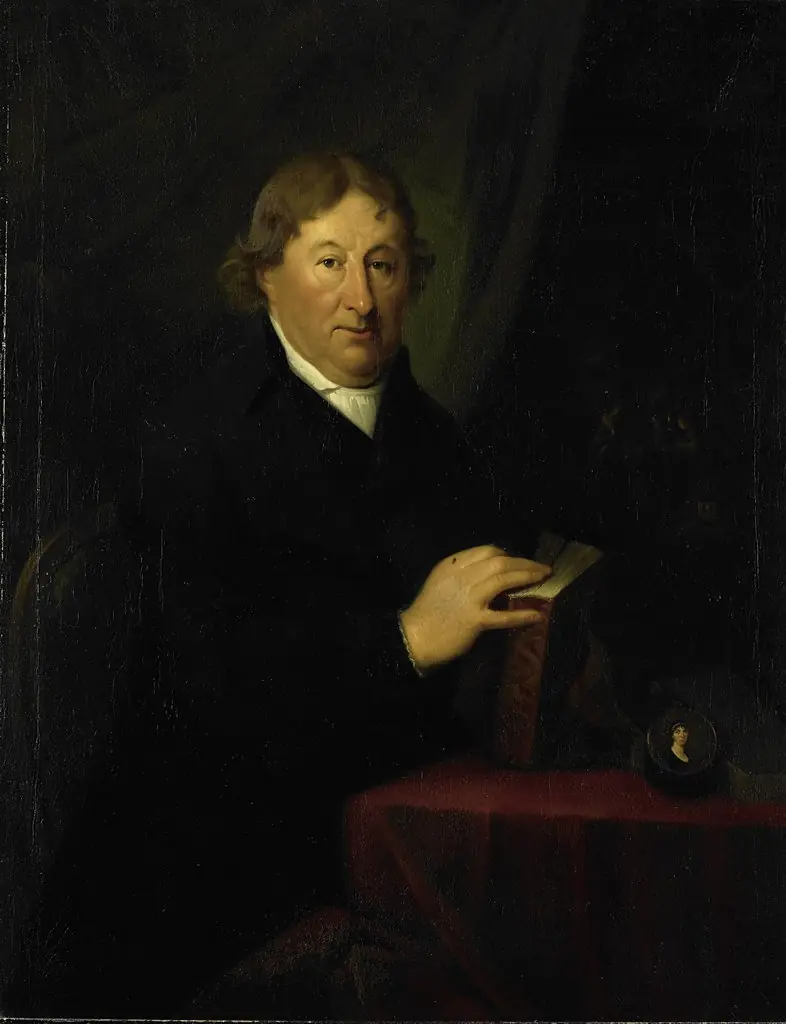
Portrait of Gerrit van der Pot, Lord of Groeneveld, Art Collector in Rotterdam
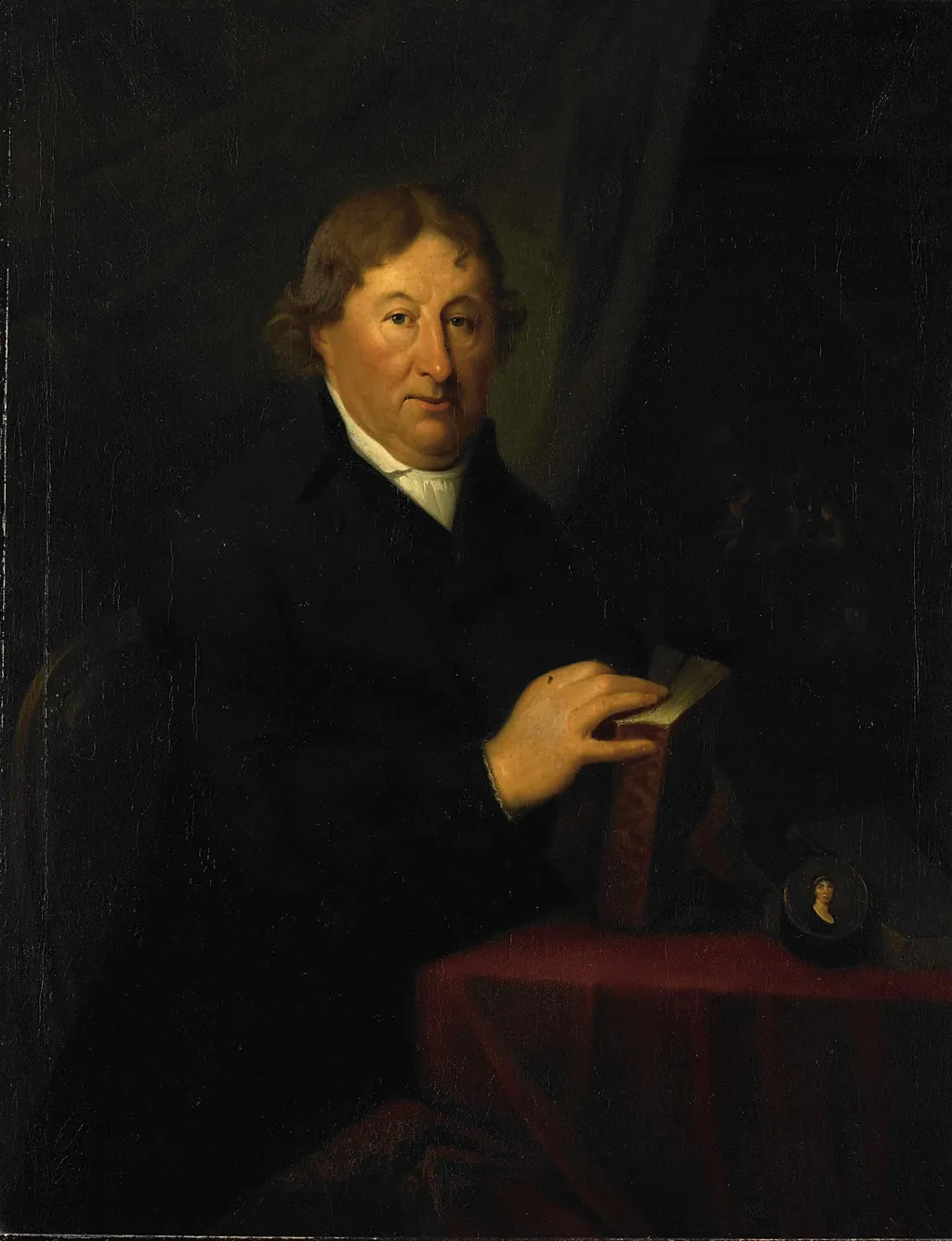
Portrait of Gerrit van der Pot, Lord of Groeneveld, Art Collector in Rotterdam is an unspecified painting by Unknown. It dates from 1803 and is held in the collection of the Rijksmuseum. This portrait depicts Gerrit van der Pot, a Rotterdam-based art collector and nobleman, seated at a table with a book in his right hand.
About this work
Overview
This portrait depicts Gerrit van der Pot, a Rotterdam-based art collector and nobleman, seated at a table with a book in his right hand. Dressed in dark clothing with a prominent white collar, he is rendered with restrained elegance. The background is uniformly shadowed, while a soft light emphasizes his face and upper torso, drawing focus to his composed demeanor and direct gaze.
Subject & Meaning
Van der Pot is portrayed not as a military or civic leader, but as a learned individual engaged with intellectual pursuit.
Van der Pot is portrayed not as a military or civic leader, but as a learned individual engaged with intellectual pursuit. The book he holds suggests erudition and quiet introspection, aligning him with the humanist ideals of his time. His serious expression and unflinching gaze invite the viewer into a moment of private contemplation, reinforcing his identity as a collector and scholar rather than a public figure.
Technique & Style
The artist employs a chiaroscuro approach, using subtle contrasts of light and shadow to model the subject’s form without dramatic intensity. Brushwork is precise yet unobtrusive, favoring texture in fabric and skin over ornamental detail. The dark, neutral palette and minimal background eliminate distraction, concentrating attention on the sitter’s presence and psychological depth.
History & Provenance
The portrait entered the collection of the Museum of Ethnography, an institution more commonly associated with non-European cultural artifacts. Its presence there suggests either an unusual acquisition or a later reclassification, though the painting’s origins and early ownership remain undocumented in available records.
Context
Painted during the Dutch Golden Age, this portrait reflects the rising status of private collectors and civic elites who valued learning and cultural patronage. Unlike grand aristocratic portraits, it avoids symbols of power, instead emphasizing intellectual quietude — a trend among wealthy burghers who defined status through knowledge rather than lineage or military service.
Legacy
The portrait endures as a quiet testament to the cultural values of its time: introspection, literacy, and the dignity of private life. Though not widely exhibited or studied, its restrained composition and psychological nuance offer insight into the visual language of Dutch civic portraiture beyond the more famous works of Rembrandt or Hals.
Artist & collection

 Domestic Scene
 Giacomo and Cardinal Marco, investing Andrea, Abbot of San Zeno, with his Benefice
 The Nymph of Fontainebleau
 Portrait of a Woman
 Madonna and Child with Saints in the Enclosed Garden
 Venus and Minerva
 Family Group of Four on Sofa
 Wall painting from Room H of the Villa of P. Fannius Synistor at Boscoreale
 Portrait of James Napper Tandy (1740-1803), United Irishman
 Portrait of a Man
 William Seton
 Pryse Pryse 1774-1849
 Portrait of a Man
 Hubbard Taylor
 Portrait of Nicolas Demimuid
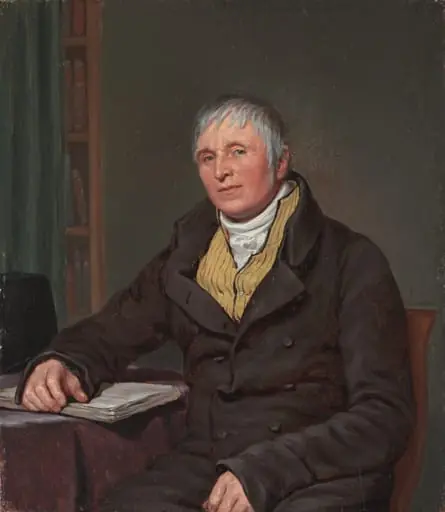 Charles Thompson
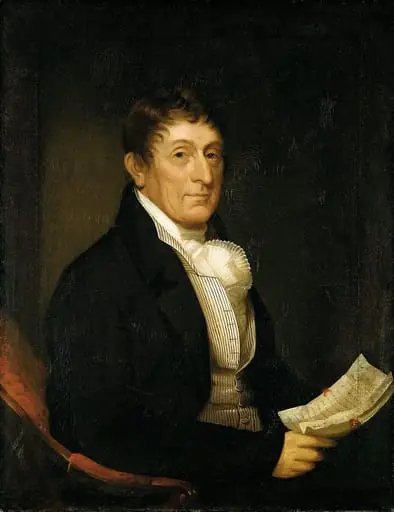 Philip Van Cortlandt
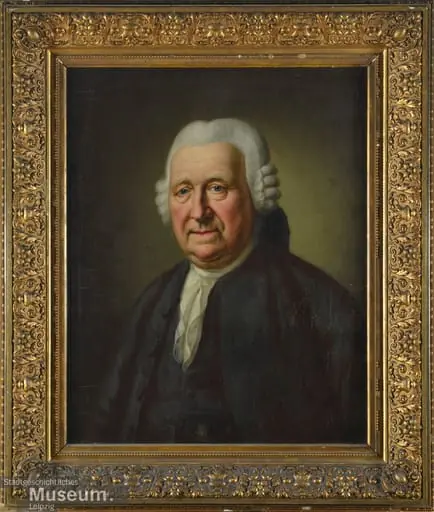 Painting
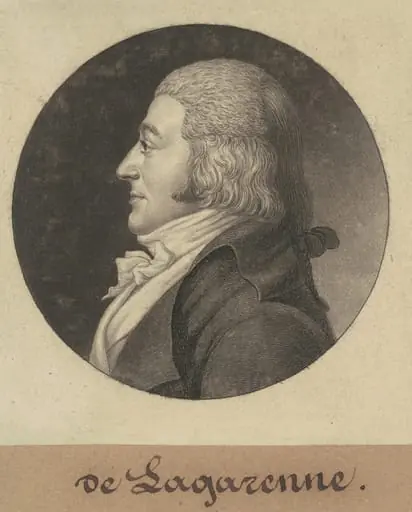 Charles de Lagarenne
 Portrait of Gerrit van der Pot, Lord of Groeneveld, Art Collector in Rotterdam