Artwork
Portretul banului Dimitrie Ghica
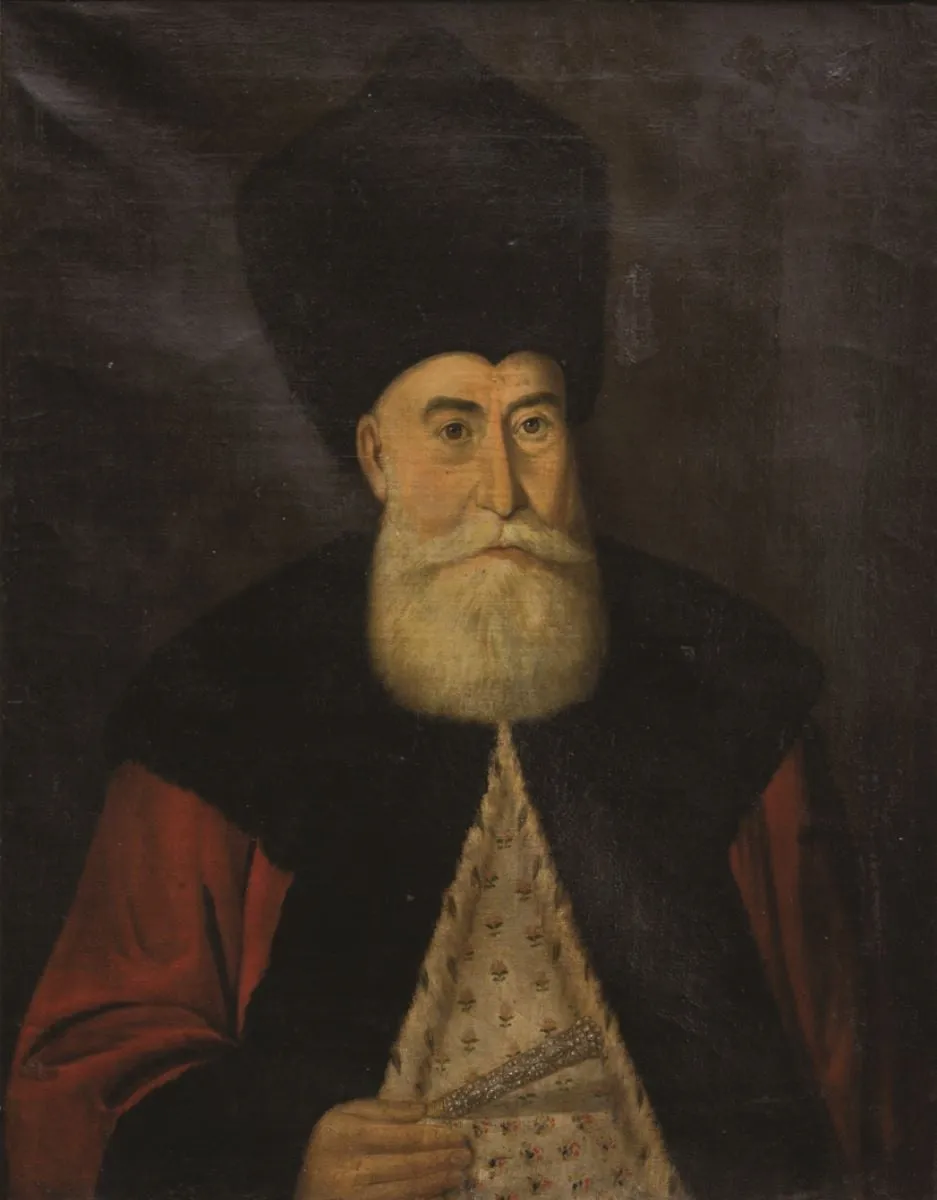
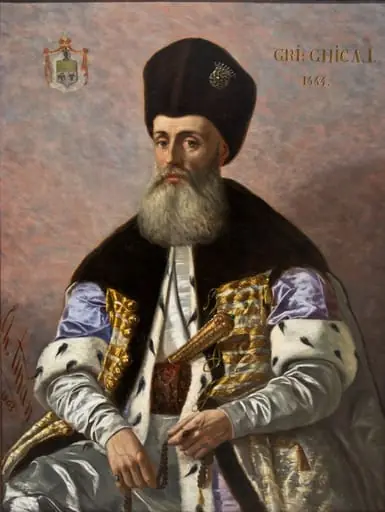
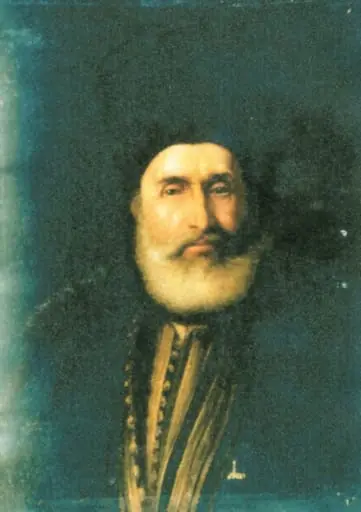
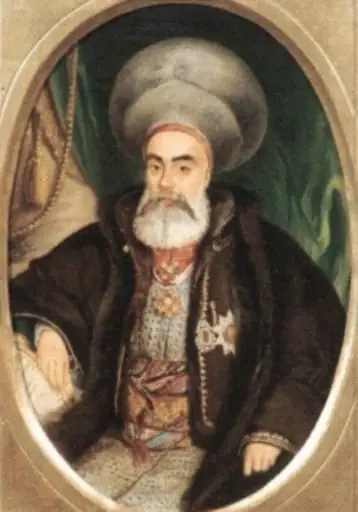
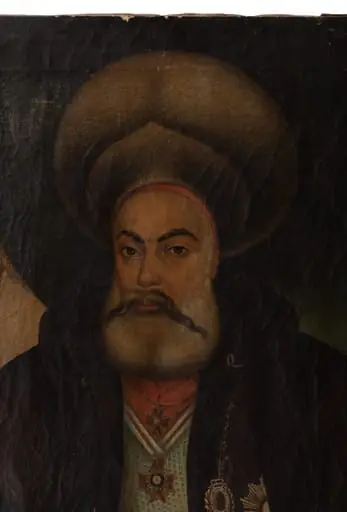
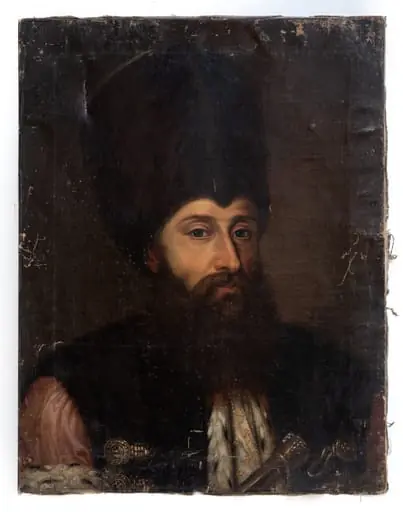
Portretul banului Dimitrie Ghica is an unspecified painting by Unknown. It dates from 1850 and is held in the collection of the Bucharest Municipality Museum. This portrait depicts Dimitrie Ghica, a Romanian statesman, rendered in oil on canvas with a focus on solemn presence.
About this work
Overview
The composition isolates the figure against a deep, unbroken background, eliminating distractions to emphasize his demeanor.
This portrait depicts Dimitrie Ghica, a Romanian statesman, rendered in oil on canvas with a focus on solemn presence. The composition isolates the figure against a deep, unbroken background, eliminating distractions to emphasize his demeanor. The lighting is sharply directional, sculpting the face and attire with dramatic contrast. His hands rest calmly in his lap, contributing to a quiet, contemplative mood.
Subject & Meaning
Dimitrie Ghica, a prominent political figure of 19th-century Wallachia, is portrayed without symbols of office or status, suggesting an emphasis on personal gravitas rather than institutional power. His long white beard and serious gaze convey age, authority, and introspection. The absence of props or background elements invites the viewer to engage directly with his character, framing him as a figure of quiet dignity.
Technique & Style
The artist employs thick, deliberate brushstrokes to render the texture of the beard and the folds of the red robe, creating a tactile quality. Chiaroscuro is used to model the face and hands, drawing attention to the contours of the features. The dark, neutral background enhances the three-dimensionality of the figure, while the patterned collar adds subtle detail without disrupting the overall austerity of the composition.
History & Provenance
Painted during Ghica’s lifetime, the portrait likely originated as a private commission, possibly intended for family or official use. It remained within Romanian collections through the 19th and early 20th centuries, eventually entering a national museum’s holdings. Its survival through periods of political change underscores its enduring cultural significance as a record of elite portraiture in the region.
Context
In mid-19th century Romania, portraiture served both personal and political functions, often reflecting emerging national identity among the boyar class. Ghica’s depiction aligns with European traditions of dignified male portraiture but avoids overt grandeur, reflecting a local preference for restrained elegance. The style suggests influence from both Western academic painting and regional sensibilities toward understated authority.
Legacy
The portrait endures as a representative example of Romanian elite portraiture from the period, valued for its psychological depth and technical restraint. It contributes to the visual archive of Romania’s political figures during a time of state formation. Though not widely reproduced, it remains a key reference in studies of 19th-century Balkan painting and the evolution of national identity through art.
Artist & collection
 Domestic Scene
 Giacomo and Cardinal Marco, investing Andrea, Abbot of San Zeno, with his Benefice
 The Nymph of Fontainebleau
 Portrait of a Woman
 Madonna and Child with Saints in the Enclosed Garden
 Venus and Minerva
 Family Group of Four on Sofa
 Wall painting from Room H of the Villa of P. Fannius Synistor at Boscoreale