Artwork
Resurrection of Christ
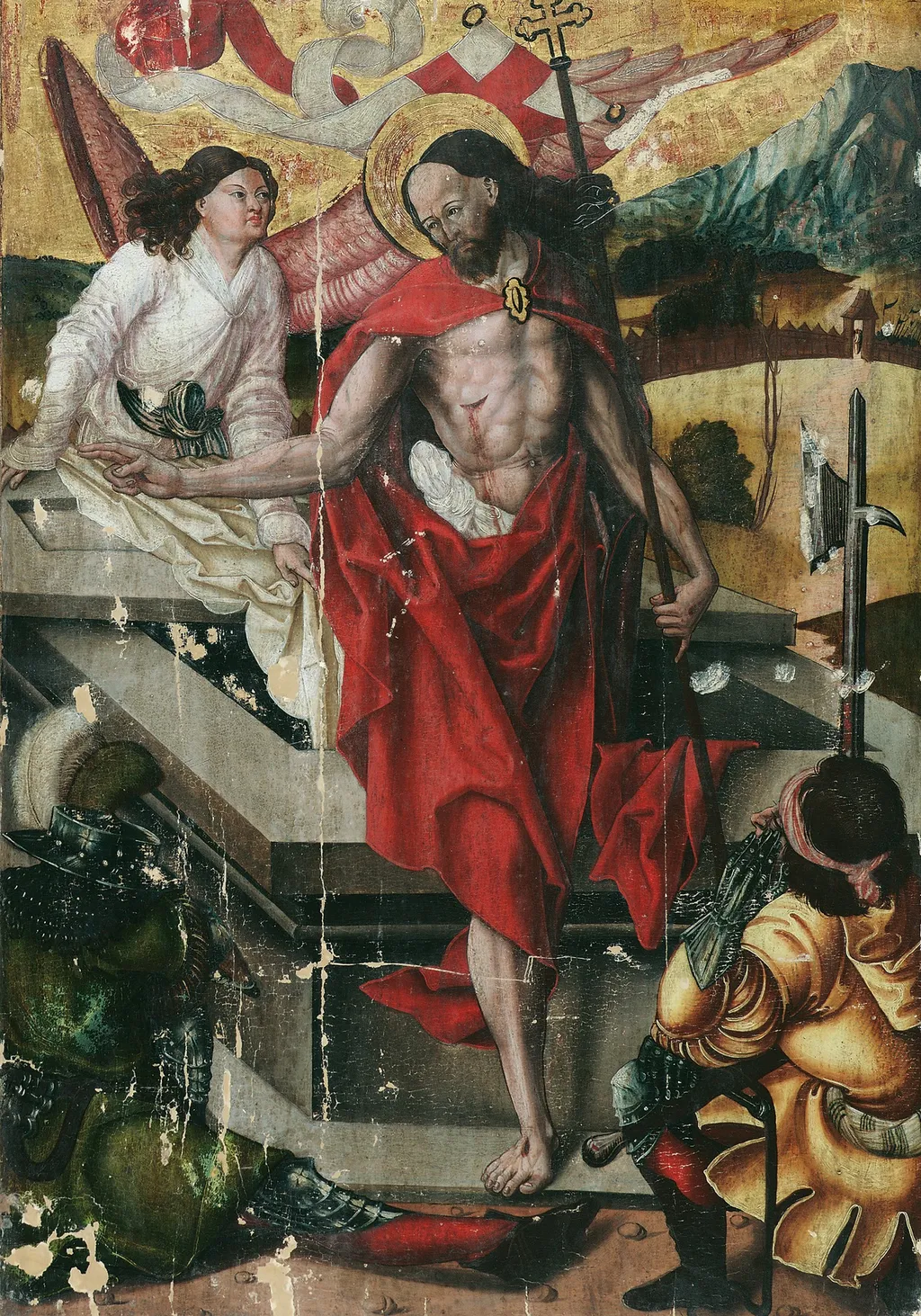
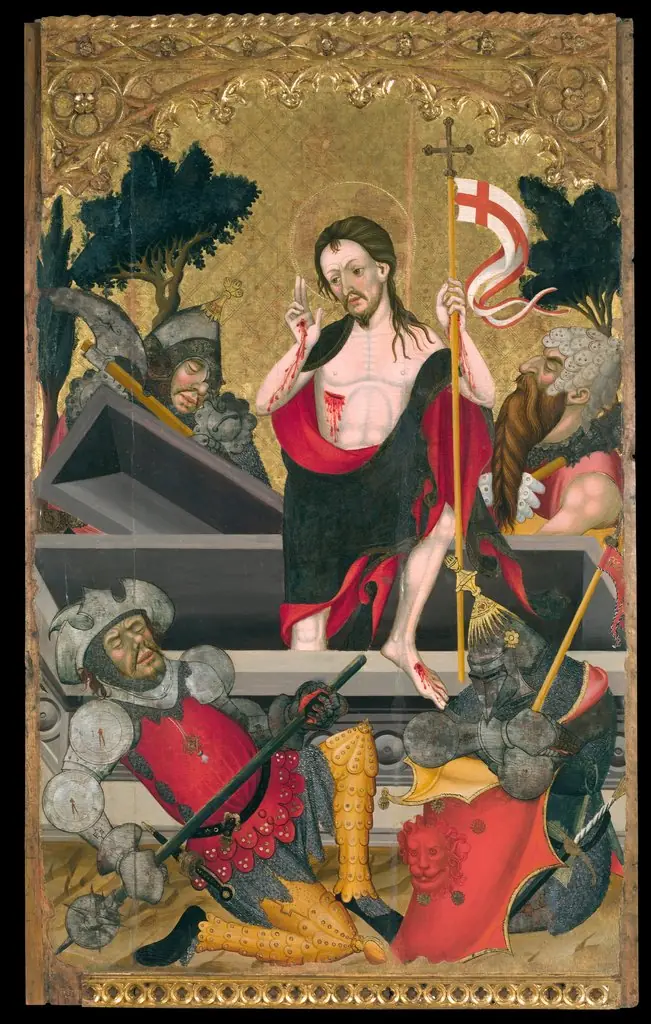
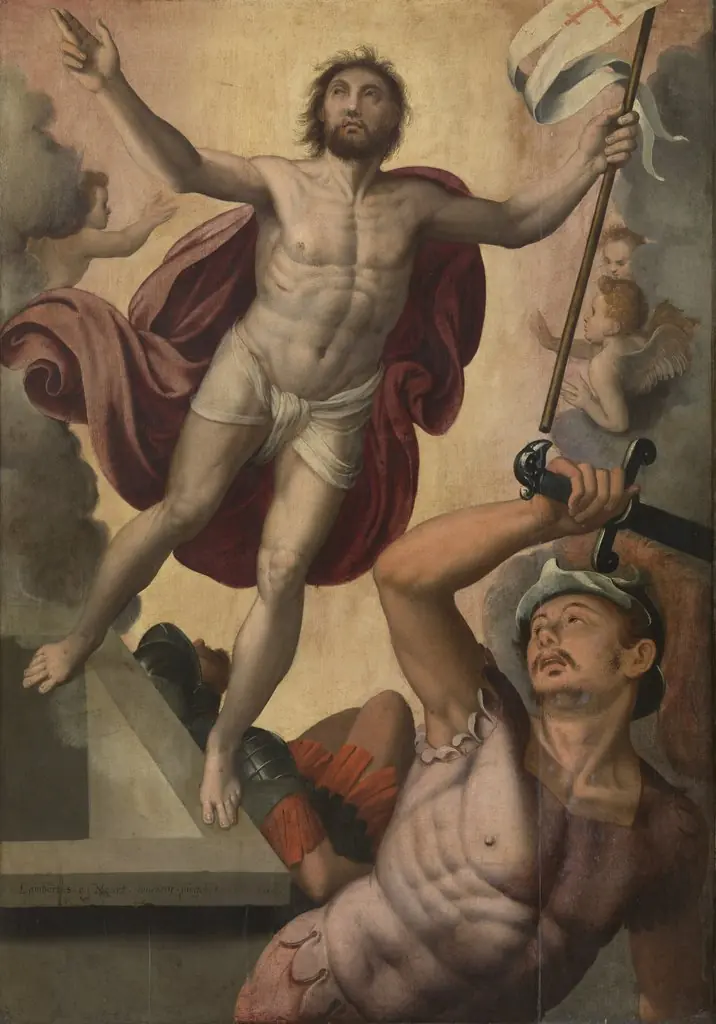
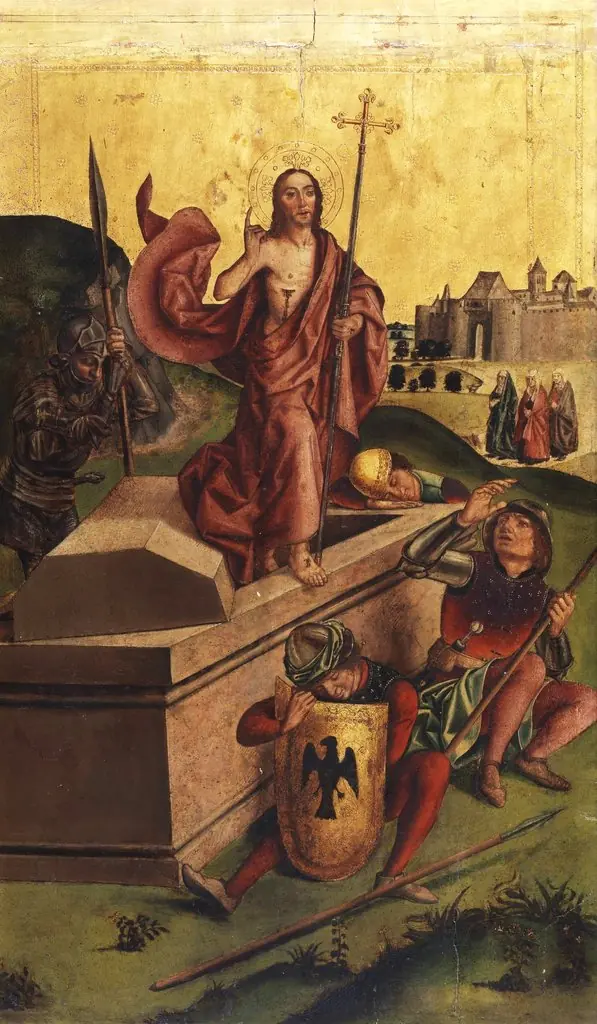
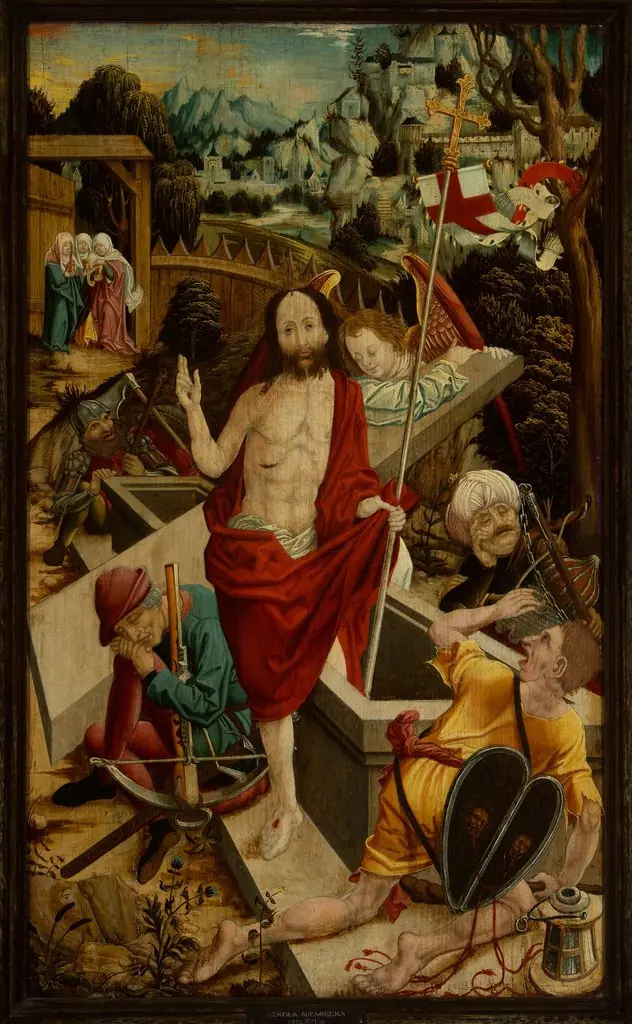
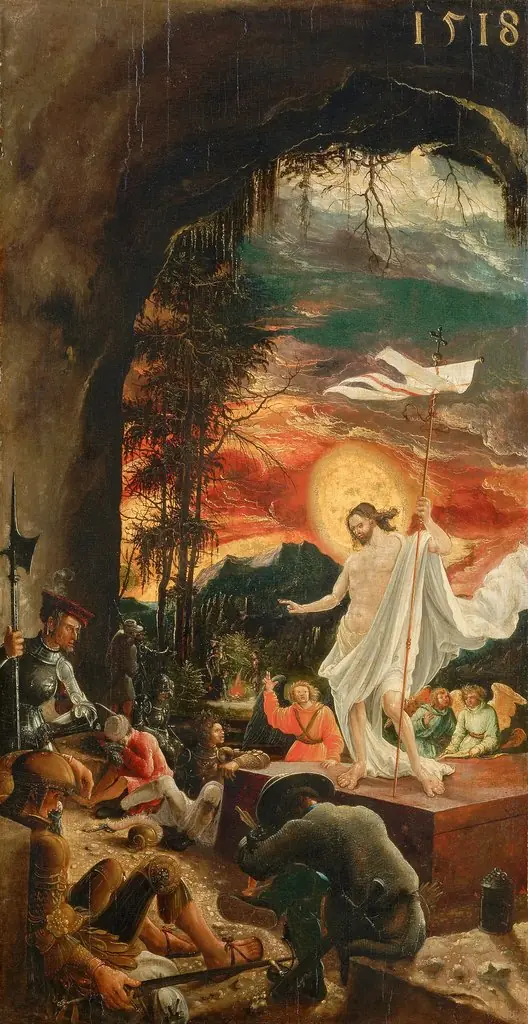
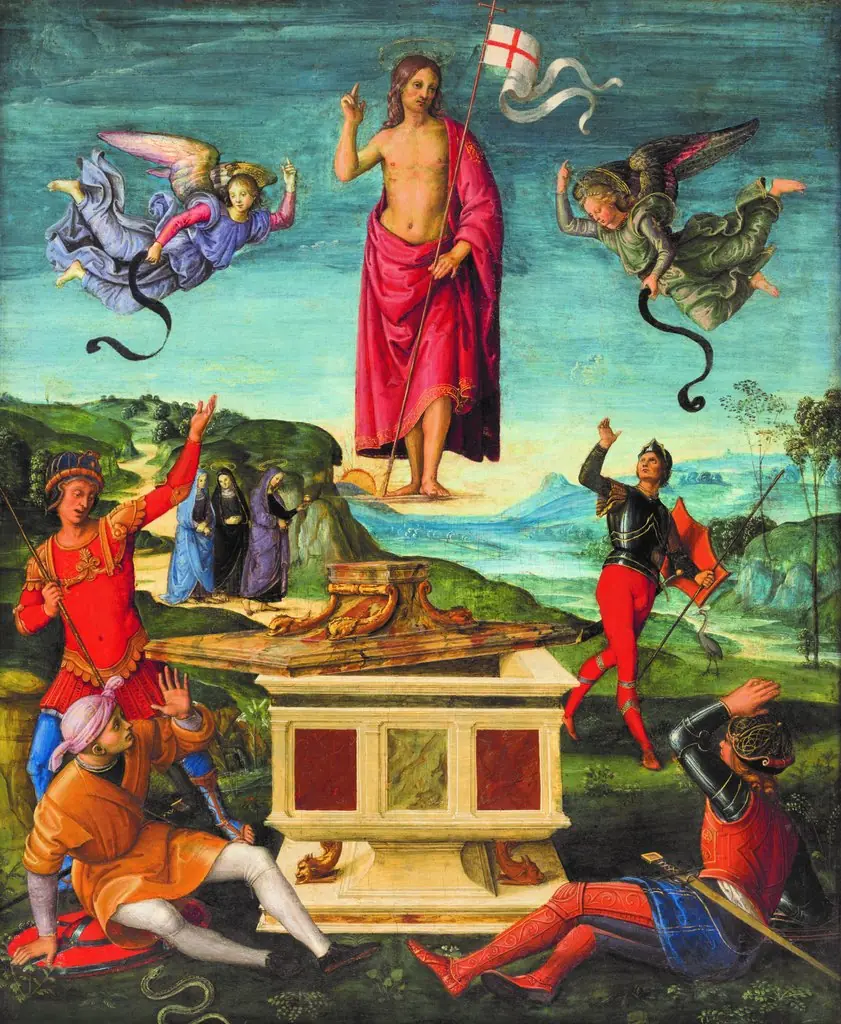
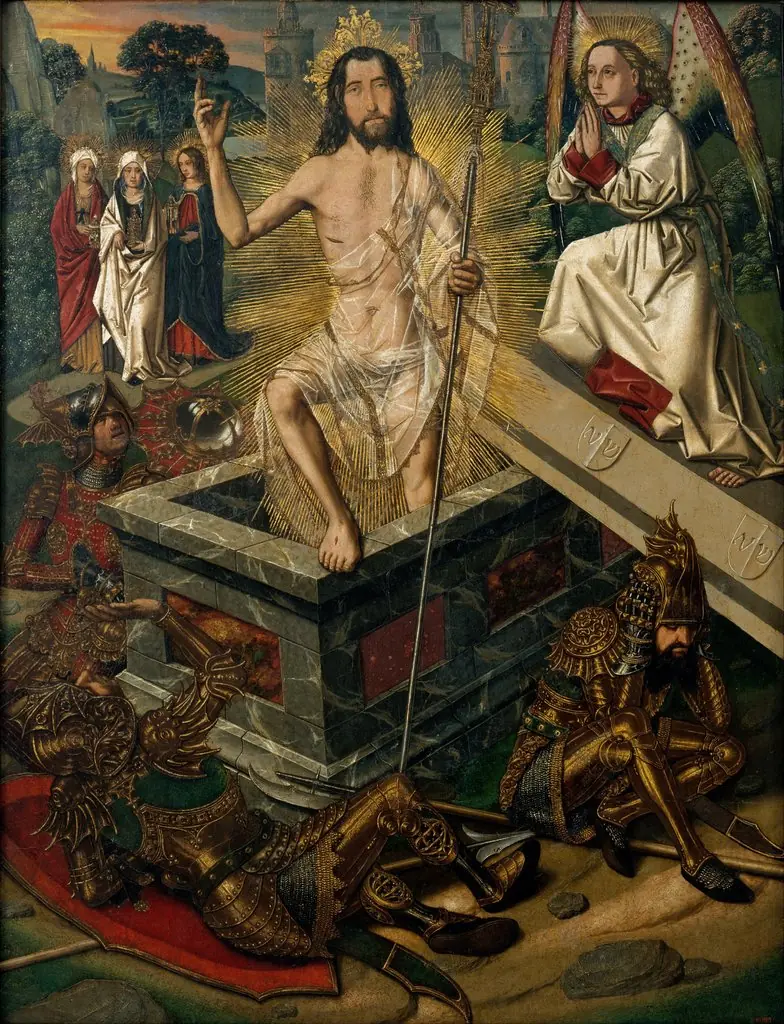
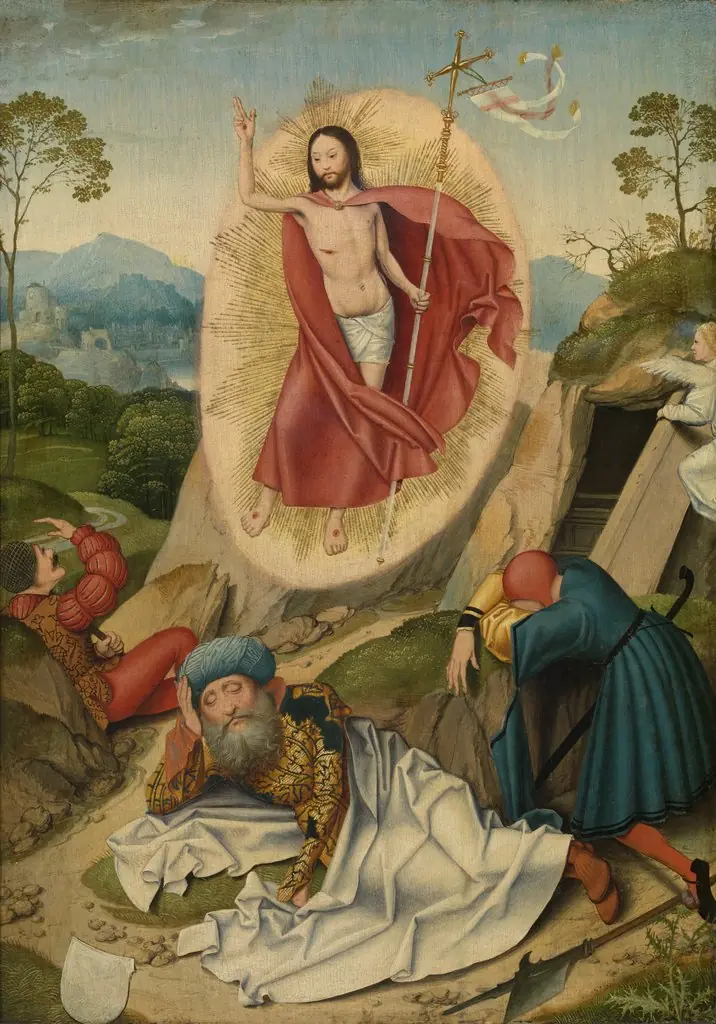
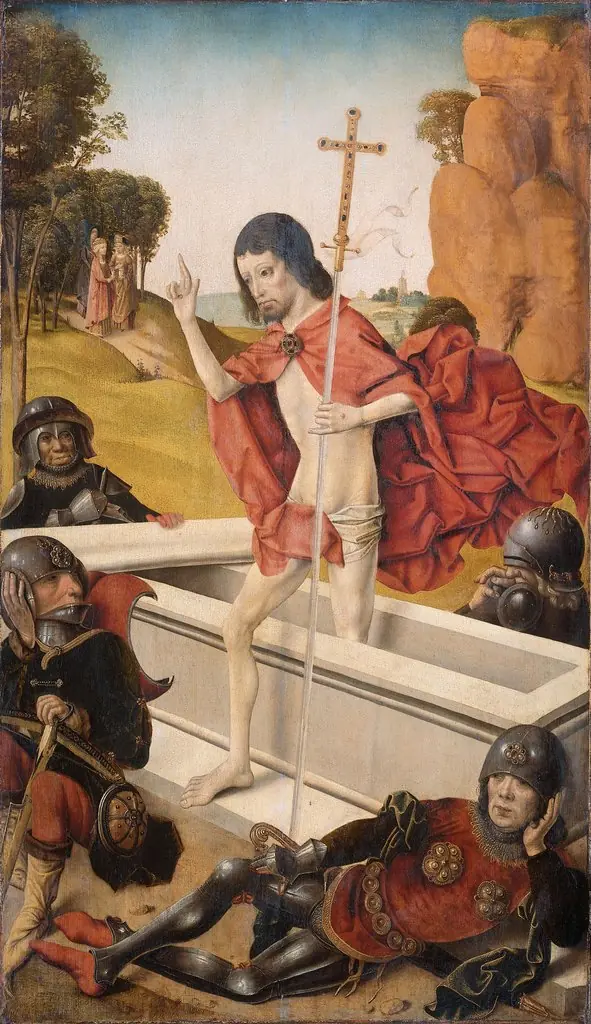
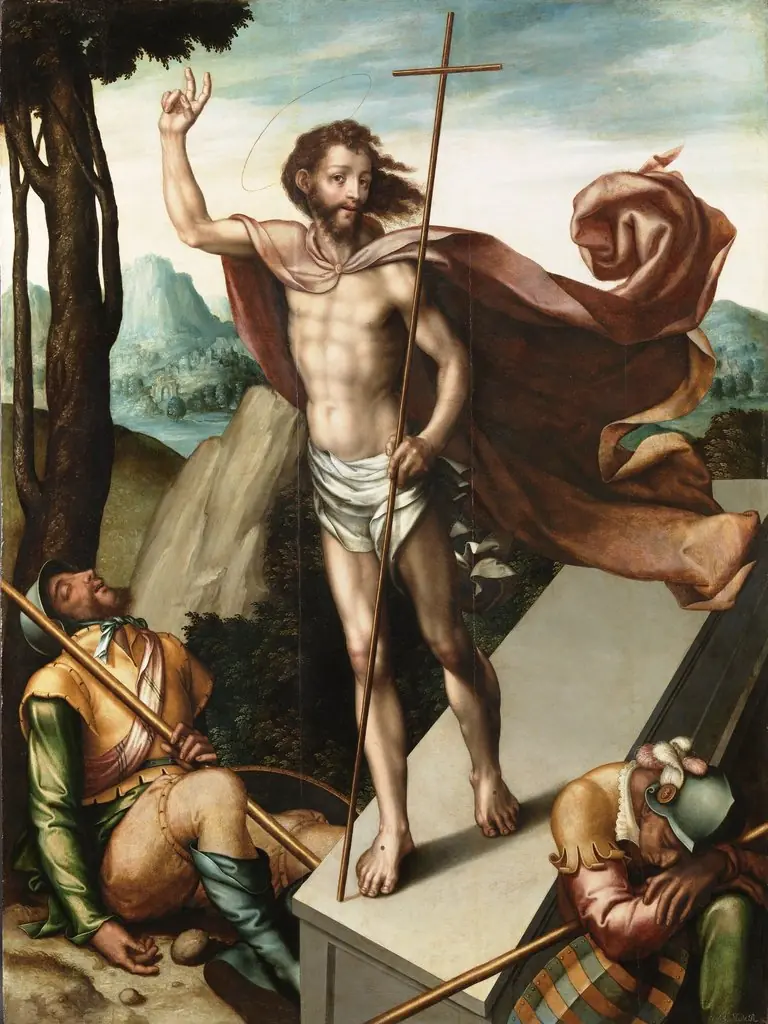
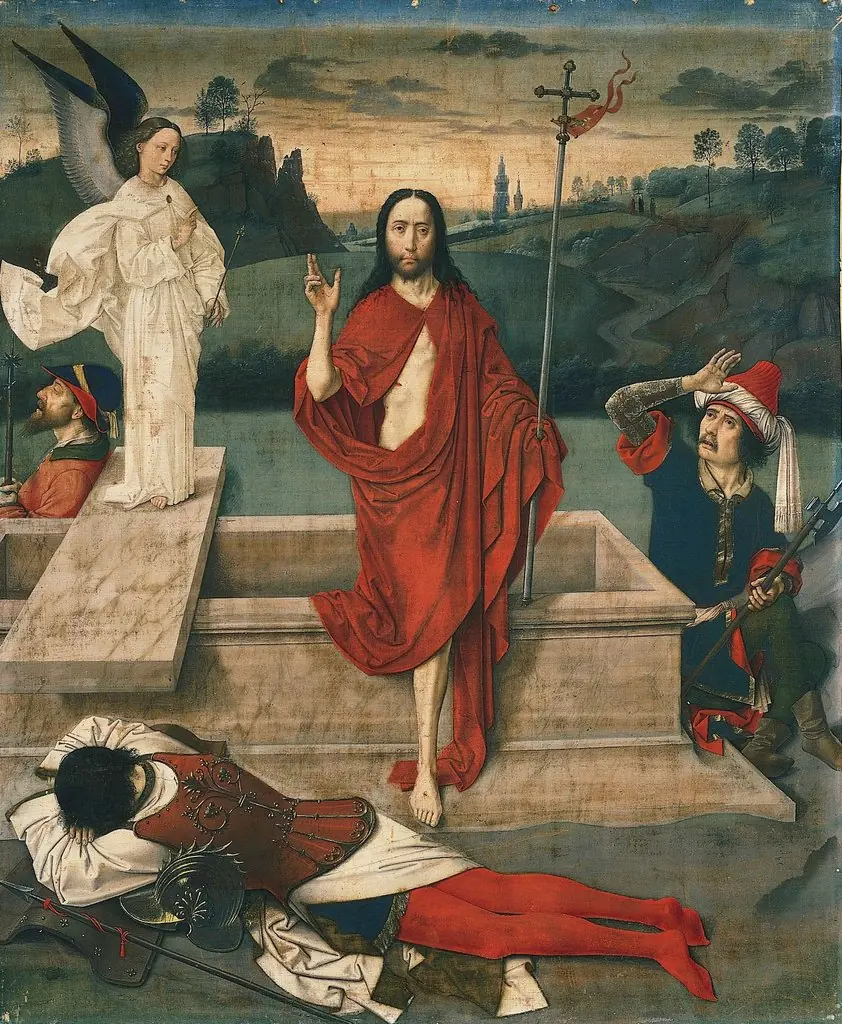
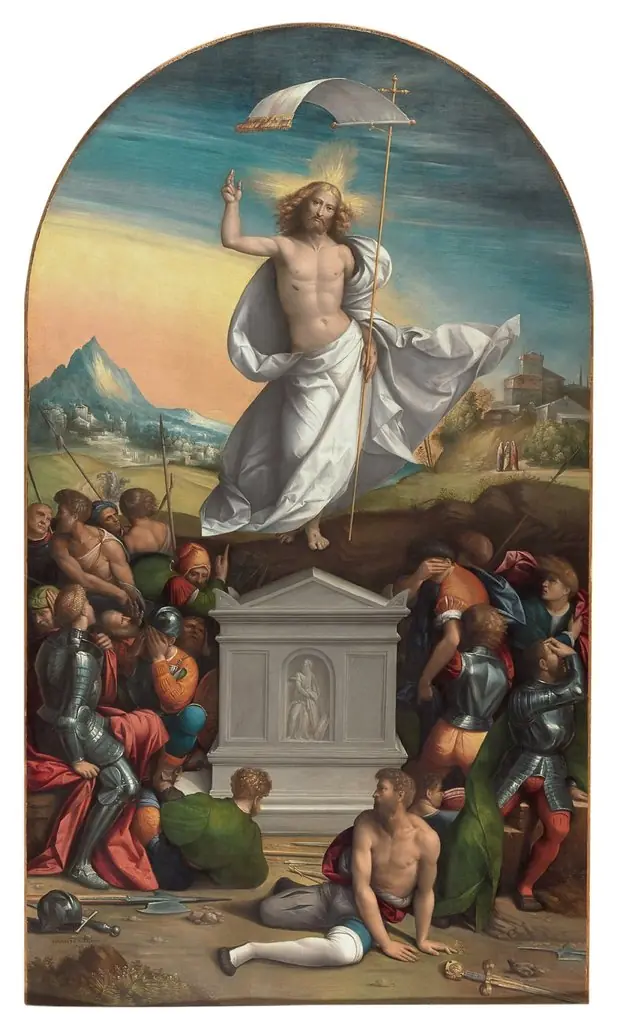
Resurrection of Christ is an unspecified painting by the High Renaissance artist Unknown. It dates from 1515 and is held in the collection of the Kunsthistorisches Museum. This panel presents the moment Christ rises from the tomb, a pivotal event in Christian theology.
About this work
Overview
This panel presents the moment Christ rises from the tomb, a pivotal event in Christian theology. The composition centers on the resurrected figure, whose upward movement is echoed by the surrounding landscape and architecture. Subdued earth tones dominate, lending the scene a somber, contemplative atmosphere rather than one of triumphant celebration.
Subject & Meaning
The painting captures the resurrection as both a literal emergence and a spiritual transformation. The haloed Christ, robed in red—a color often associated with divine love or sacrifice—clutches a staff, reinforcing his authority. The kneeling figure and seated angel serve as witnesses, framing the miracle and guiding the viewer’s interpretation toward themes of faith and redemption.
Technique & Style
Executed in oil, the work employs chiaroscuro to model forms with pronounced contrasts of light and shadow. Figures and landscape elements are rendered with careful volumetric precision, while the muted palette unifies the scene. Linear perspective and atmospheric recession in the background suggest spatial depth, aligning with early Renaissance conventions of naturalistic representation.
History & Provenance
The painting’s origins remain tied to a specific workshop or regional school active in the late 15th or early 16th century. Its survival through private collections has preserved its condition, though its early ownership history is fragmentary. Scholars have noted stylistic affinities with works from the Veneto or Emilia, though no definitive attribution has been established.
Context
Created during a period of heightened devotion to Passion narratives, the image reflects contemporary religious practices that emphasized personal meditation on Christ’s suffering and resurrection. The inclusion of landscape elements—mountains, a distant building—may allude to biblical topography or local pilgrimage sites, grounding the sacred event in a recognizable world.
Legacy
While not associated with a named master, the painting exemplifies the era’s fusion of devotional intensity and technical refinement. Its compositional strategies—such as the use of directional light and hierarchical figural arrangement—anticipate later developments in religious art. Today, it offers insight into the visual language employed to convey transcendent moments in pre-modern Europe.
Artist & collection

 Domestic Scene
 Giacomo and Cardinal Marco, investing Andrea, Abbot of San Zeno, with his Benefice
 The Nymph of Fontainebleau
 Portrait of a Woman
 Madonna and Child with Saints in the Enclosed Garden
 Venus and Minerva
 Family Group of Four on Sofa
 Wall painting from Room H of the Villa of P. Fannius Synistor at Boscoreale