Artwork
Venus and Mars
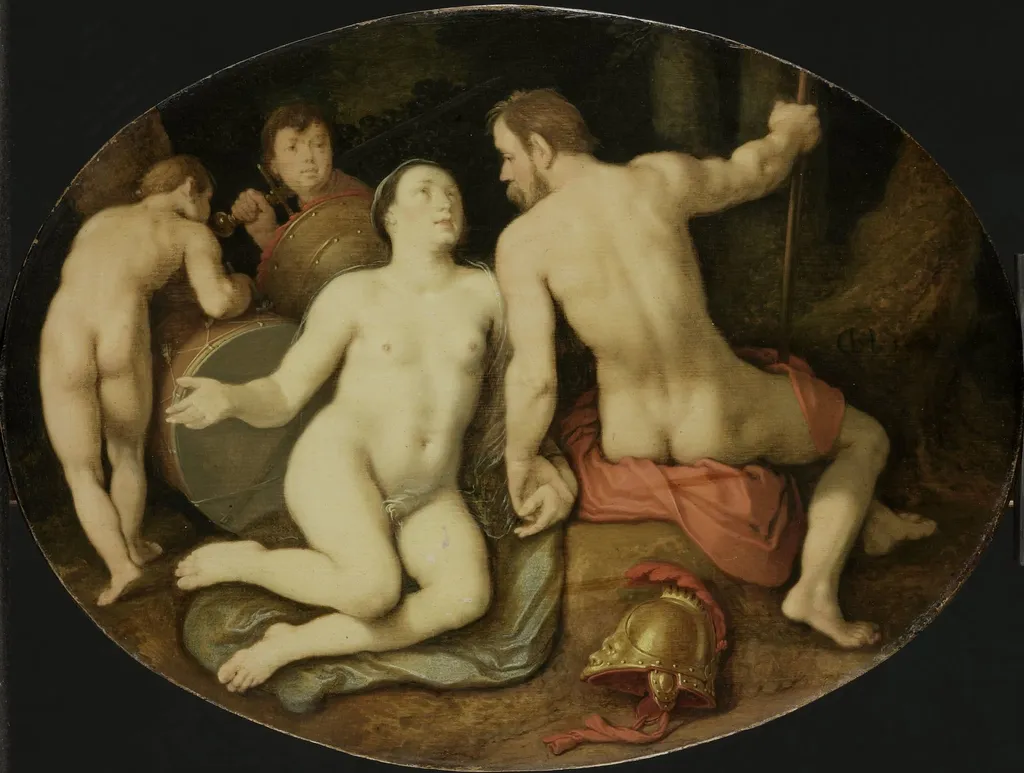
Venus and Mars is an unspecified painting by the Early Baroque Italian artist Unknown. It dates from 1628 and is held in the collection of the Rijksmuseum.
About this work
Overview
The absence of divine attributes and the domestic setting suggest a deliberate move away from mythological grandeur toward a more humanized scene.
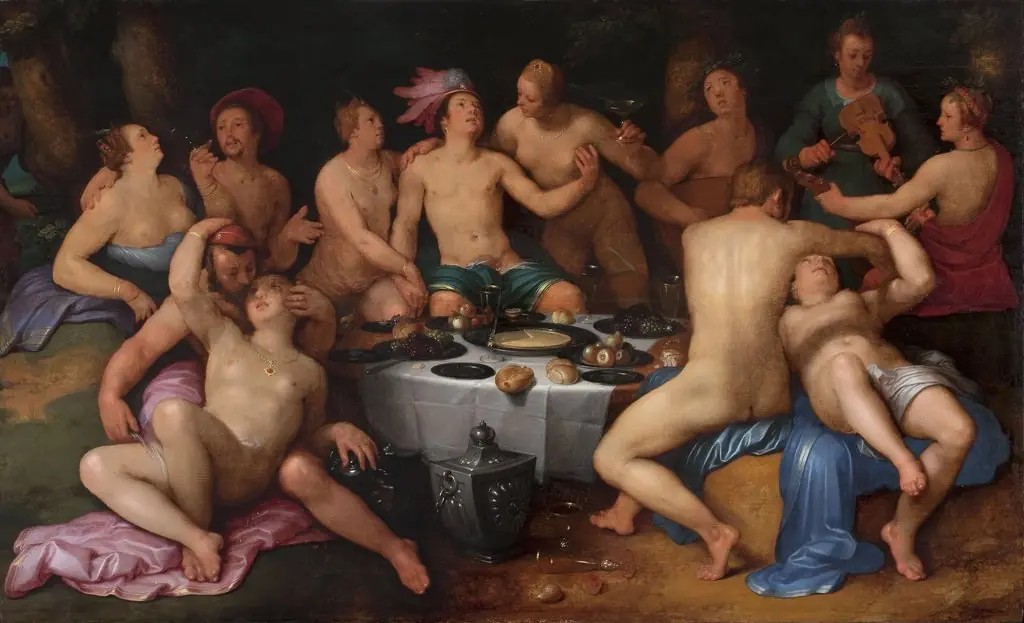
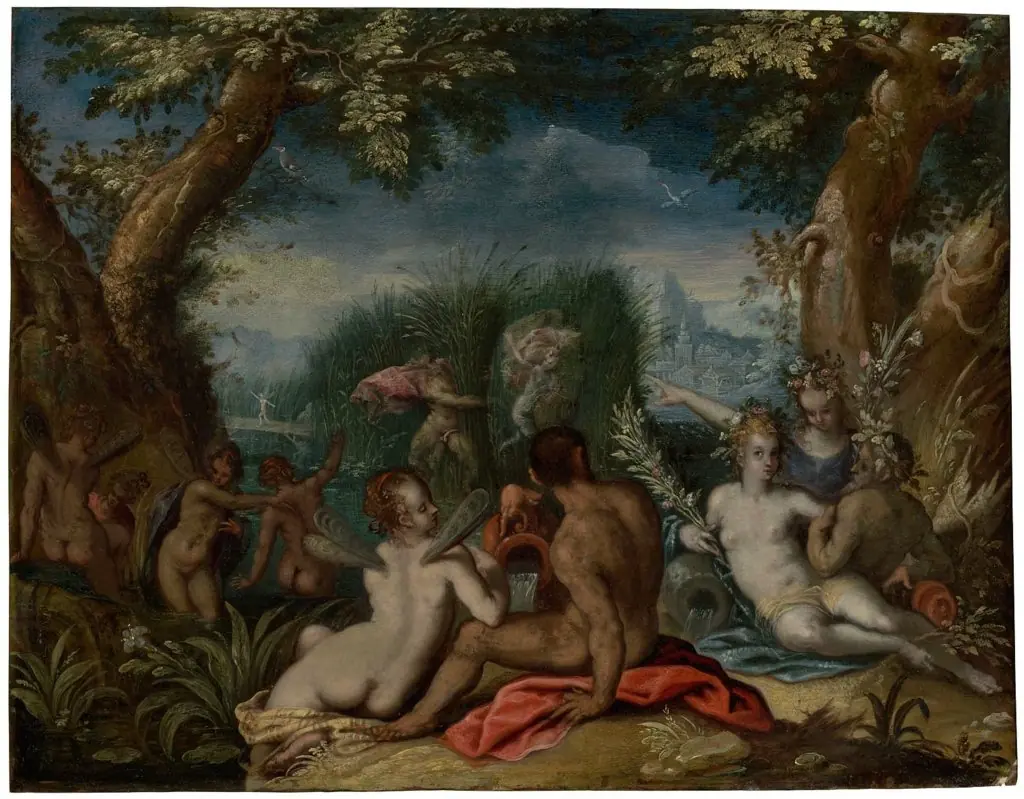
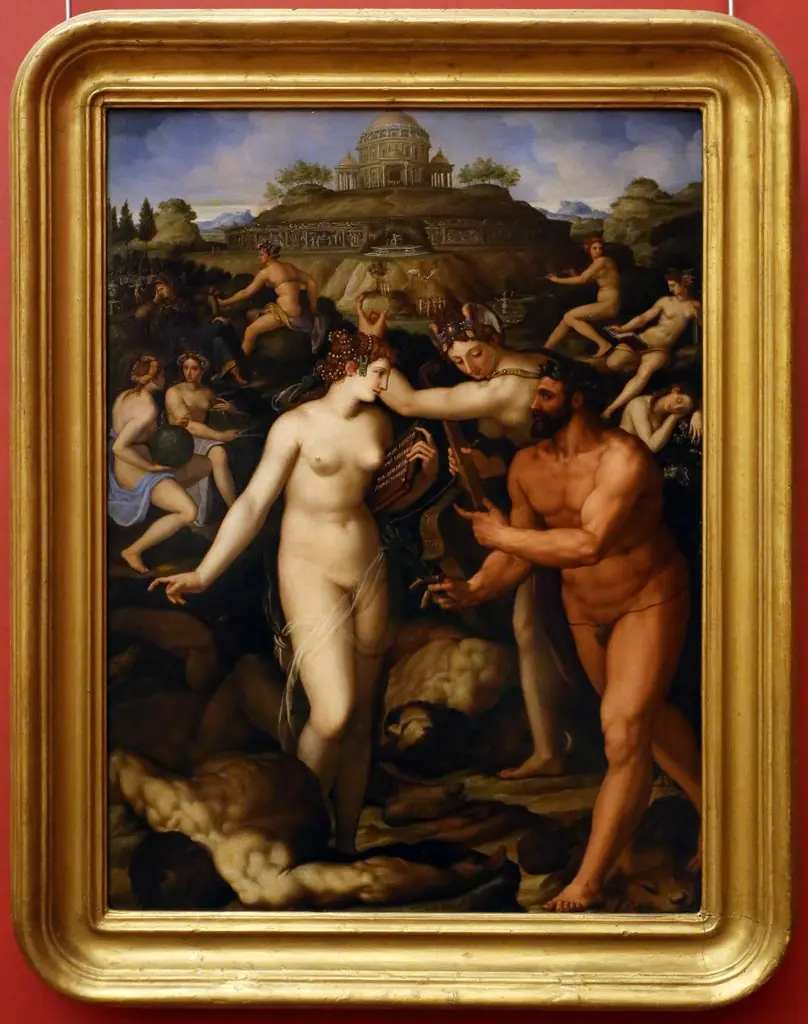
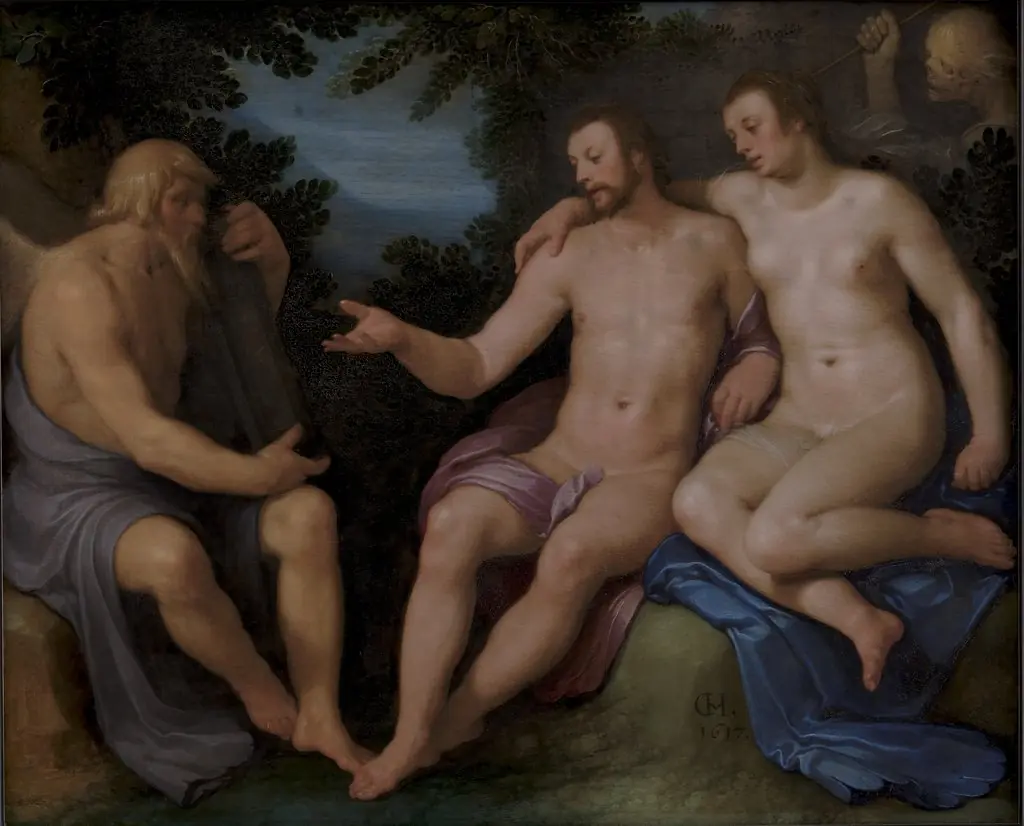
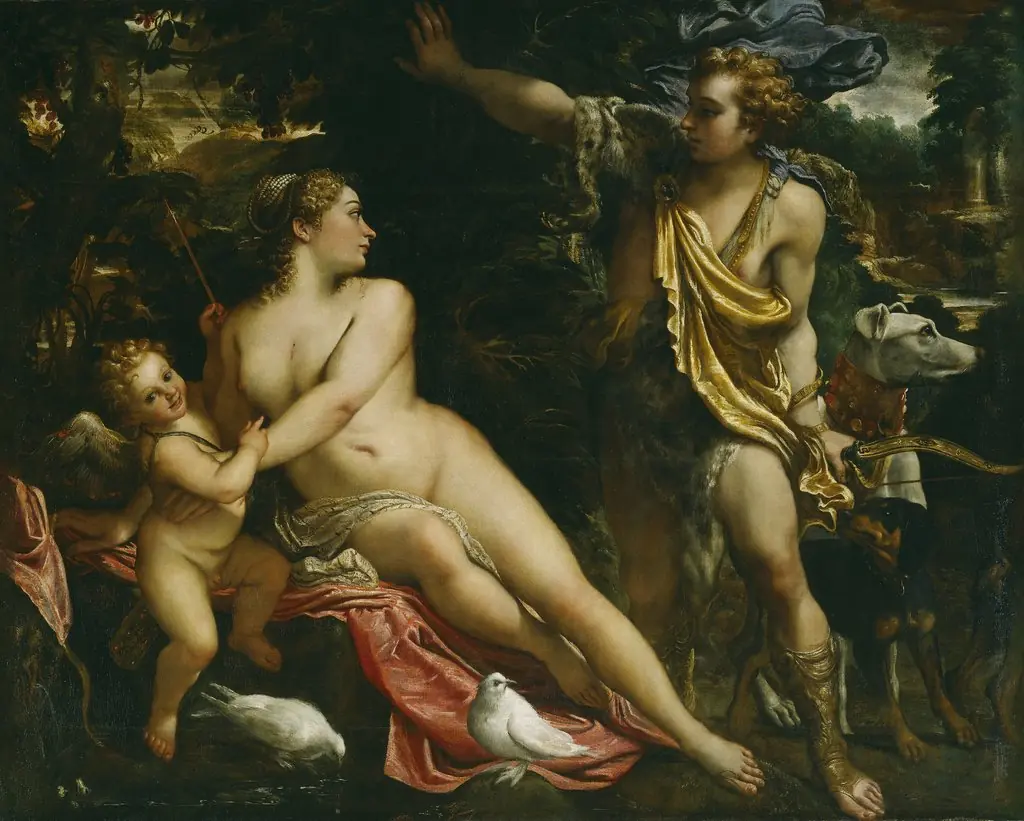
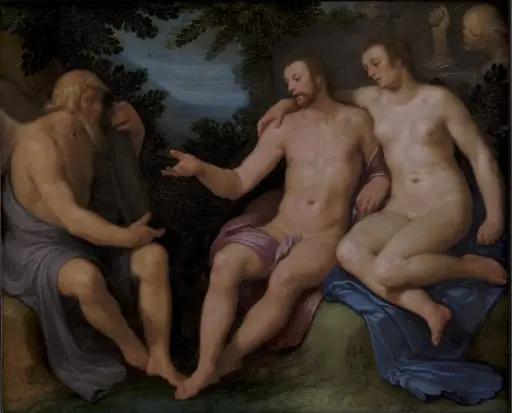
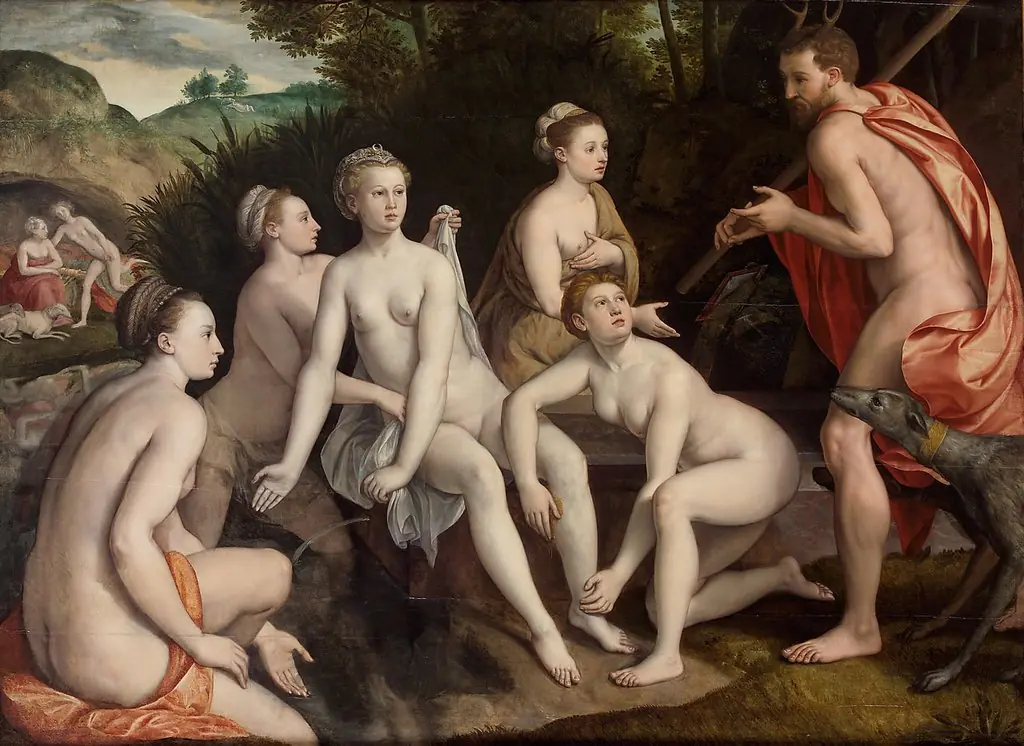
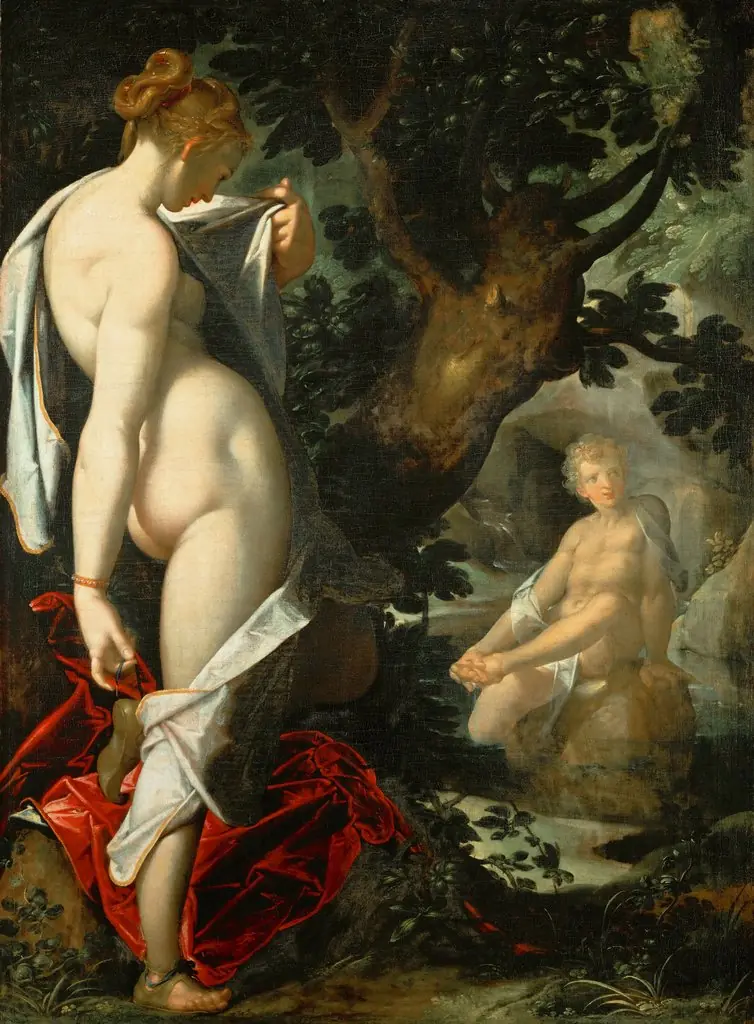
This untitled painting depicts Venus and Mars in a quiet, intimate moment, both nude and holding hands. Two children, resembling Cupid but without wings, interact with Mars’s discarded armor—helmet, shield, and sword—on the left. The absence of divine attributes and the domestic setting suggest a deliberate move away from mythological grandeur toward a more humanized scene. The artist’s identity remains unknown, leaving the work’s purpose ambiguous: sketch, study, or finished composition.
Subject & Meaning
The pairing of Venus and Mars, goddess of love and god of war, traditionally symbolizes the triumph of affection over conflict. Here, the absence of wings on the children and their playful engagement with weapons softens the myth into a domestic vignette. The armor, neglected and handled like toys, implies the temporary suspension of violence. The scene evokes harmony not through divine intervention, but through ordinary, familial tenderness.
Technique & Style
The figures are rendered with smooth, flowing contours and minimal detail, emphasizing form over ornamentation. The children’s unwinged appearance and the unadorned armor suggest a preference for naturalism over idealized myth. Light falls evenly across the composition, avoiding dramatic contrasts. The brushwork is restrained, with no visible signature or elaborate finish, hinting at a private or experimental approach rather than a commissioned work.
History & Provenance
The painting carries no artist’s mark, and its early ownership is undocumented. It entered public collections without a clear provenance trail, likely acquired as an anonymous work. Its survival suggests it was valued for its composition rather than its attribution. No contemporary records link it to known workshops or patrons, leaving its origin in the realm of speculation—possibly a studio exercise or personal study from the late Renaissance or early Baroque period.
Context
During the 16th and 17th centuries, classical myths were frequently reinterpreted in Northern European art, often with domestic or humorous twists. This work aligns with a trend of humanizing mythological figures, as seen in the paintings of artists like Bruegel or Titian. The omission of wings from the children reflects a broader interest in grounding divine narratives in observable, everyday behavior, blurring the line between myth and reality.
Legacy
Though unsigned and unattributed, the painting contributes to a quieter strand of mythological art that prioritizes intimacy over spectacle. Its presence in museum collections invites comparison with more elaborate treatments of the same subject, highlighting how subtle deviations—like unwinged putti or unadorned armor—can transform myth into something quietly human. It remains a quiet counterpoint to grander Renaissance narratives.
Artist & collection

 Domestic Scene
 Giacomo and Cardinal Marco, investing Andrea, Abbot of San Zeno, with his Benefice
 The Nymph of Fontainebleau
 Portrait of a Woman
 Madonna and Child with Saints in the Enclosed Garden
 Venus and Minerva
 Family Group of Four on Sofa
 Wall painting from Room H of the Villa of P. Fannius Synistor at Boscoreale