Artwork
Waldlandschaft mit Tieren
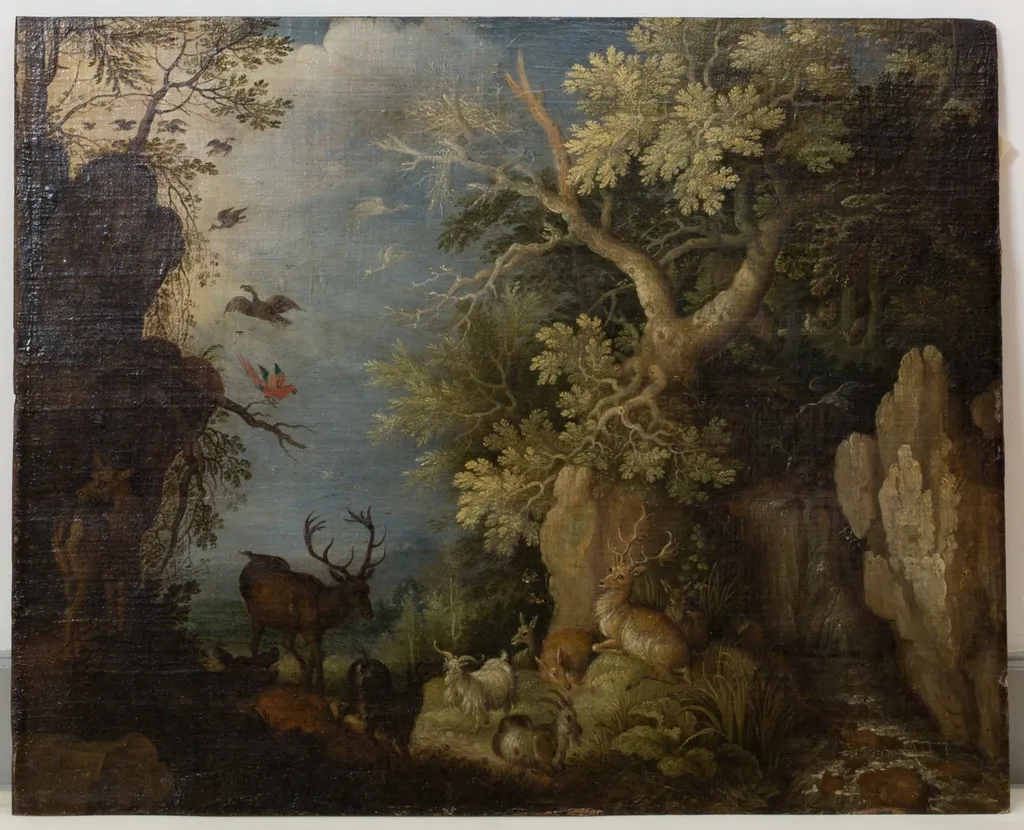
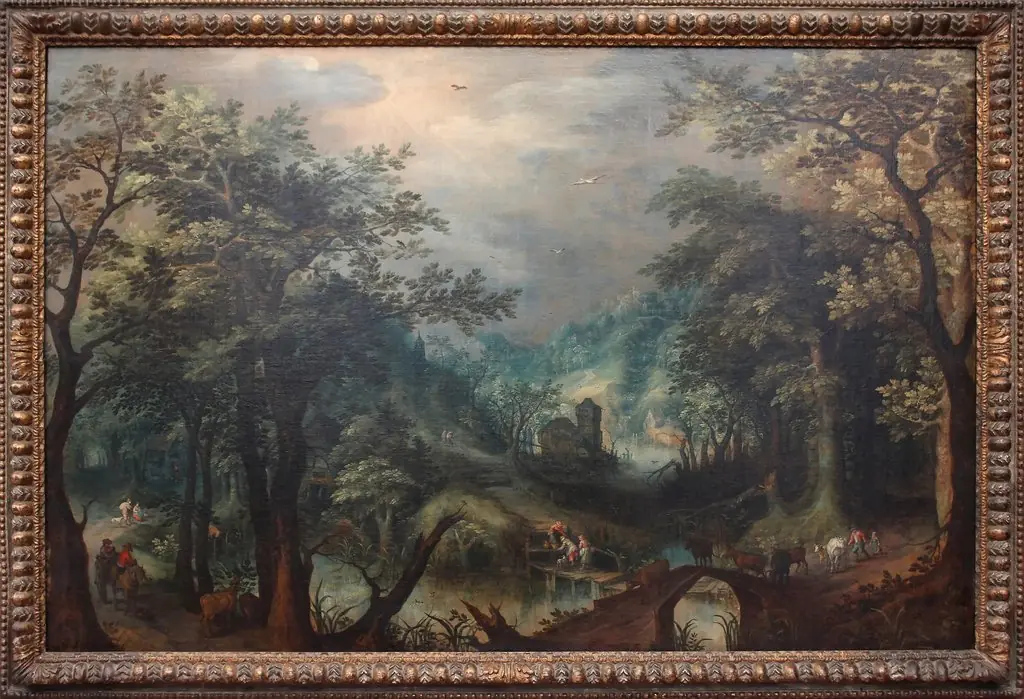
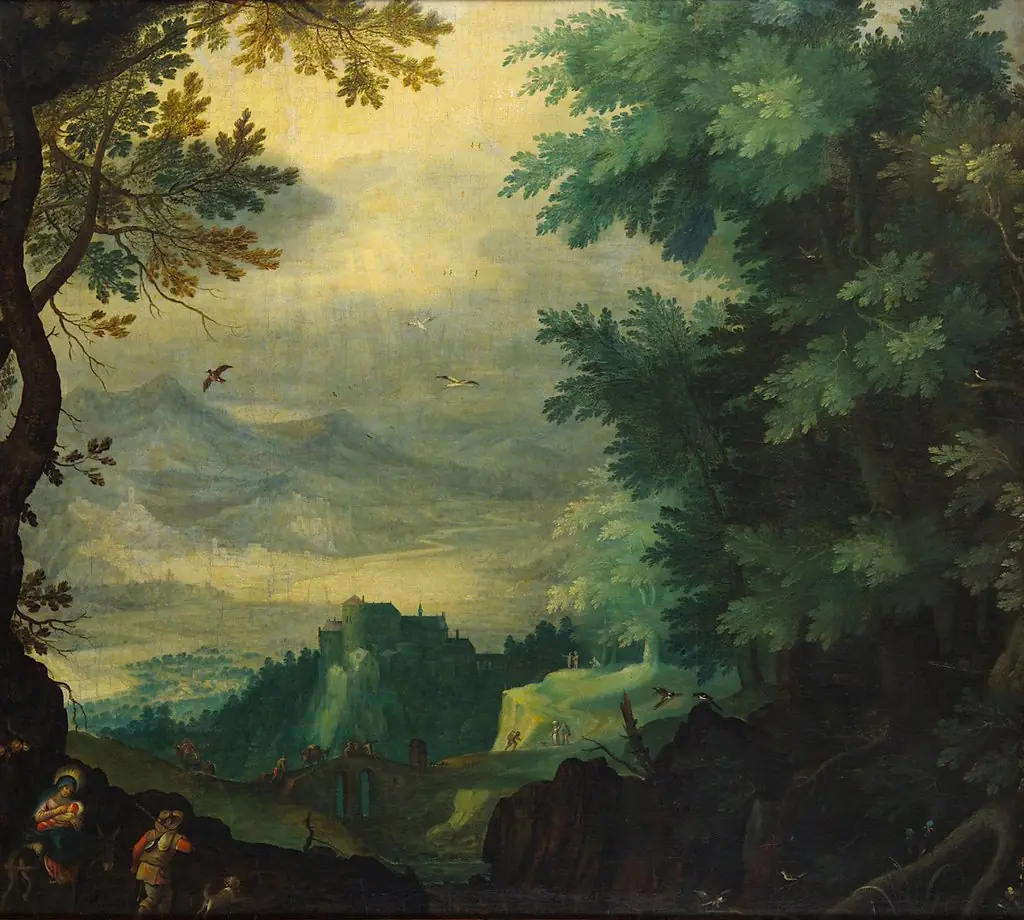
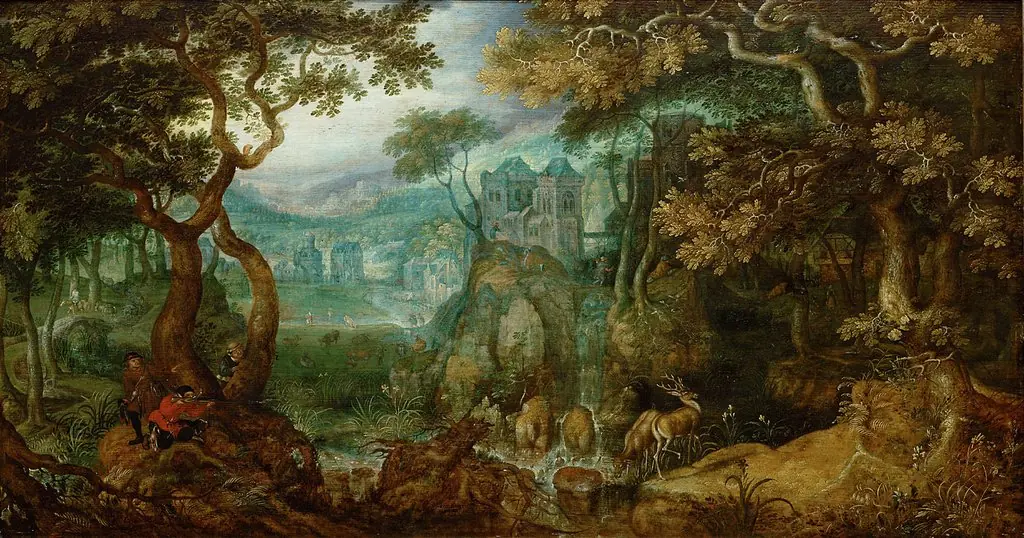
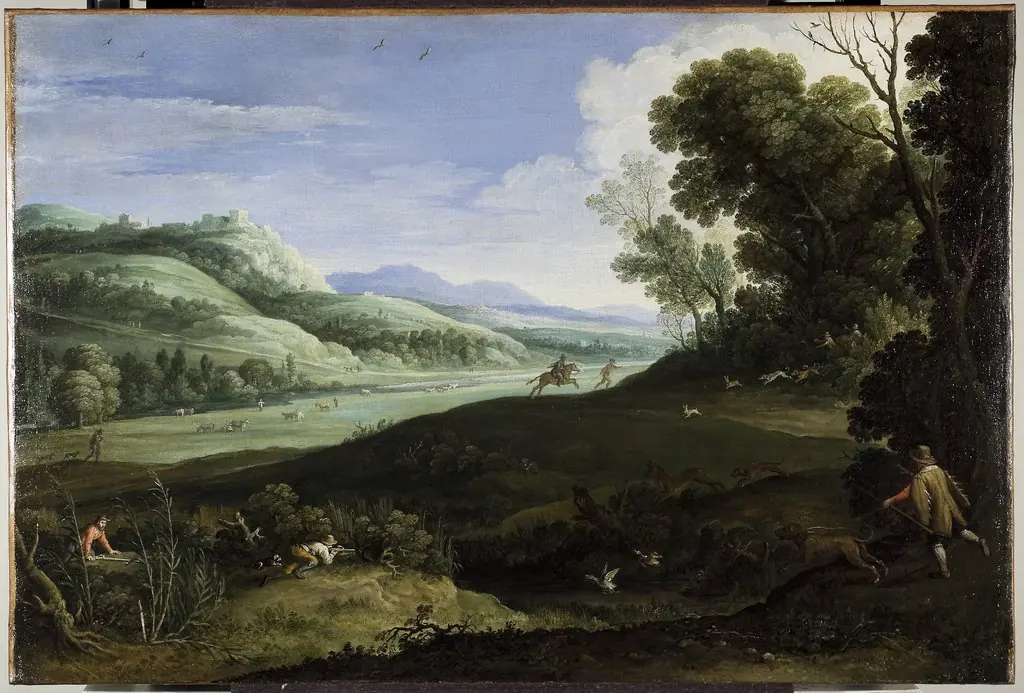
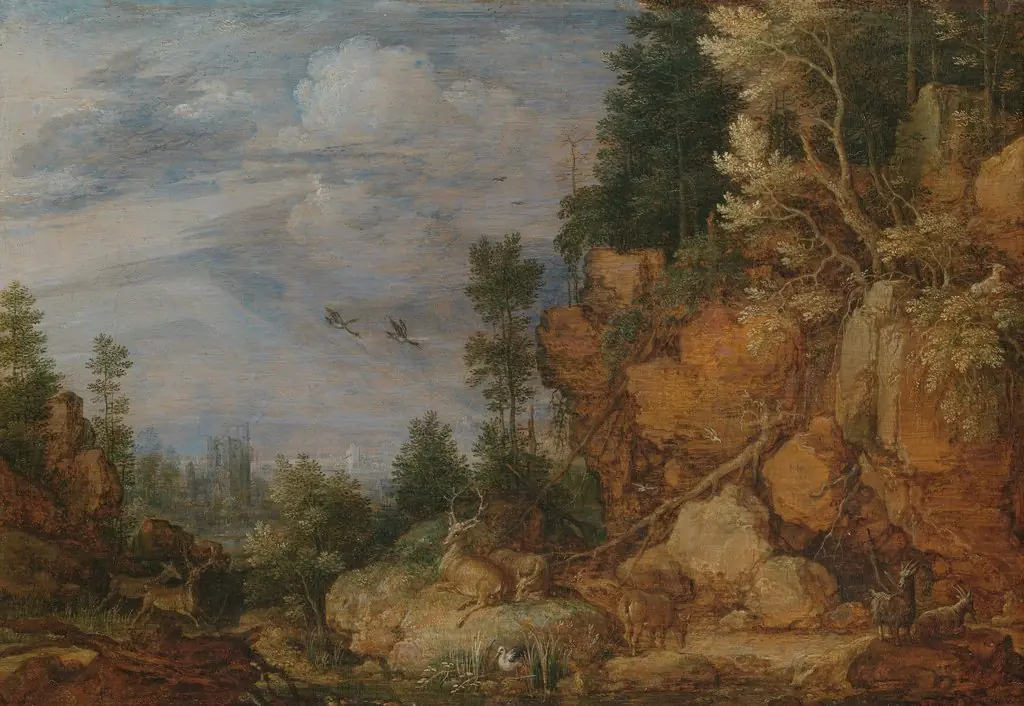
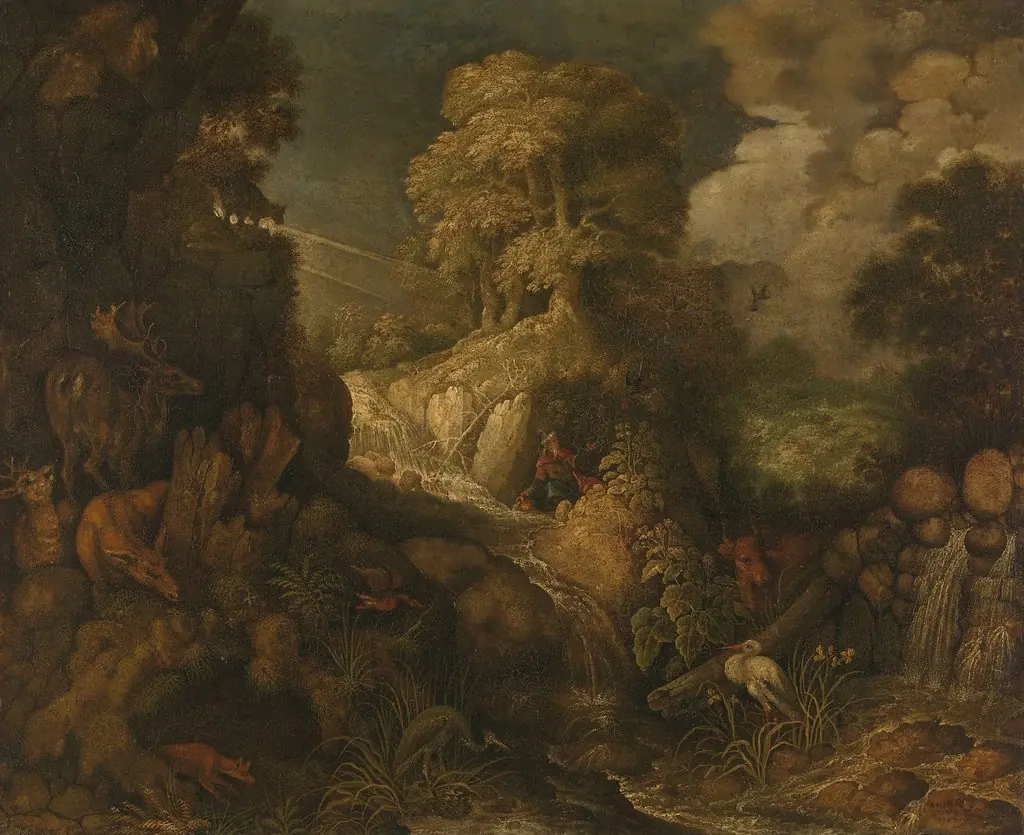
Waldlandschaft mit Tieren is a drawing by Unknown. It dates from 1650 and is held in the collection of the Art Collection of the University Göttingen. This work presents a detailed forest interior, alive with flora and fauna.
About this work
Overview
Subtle shifts in tone and layered brushwork create a sense of spatial depth, drawing the eye through the foliage toward the shadowed recesses of the woodland.
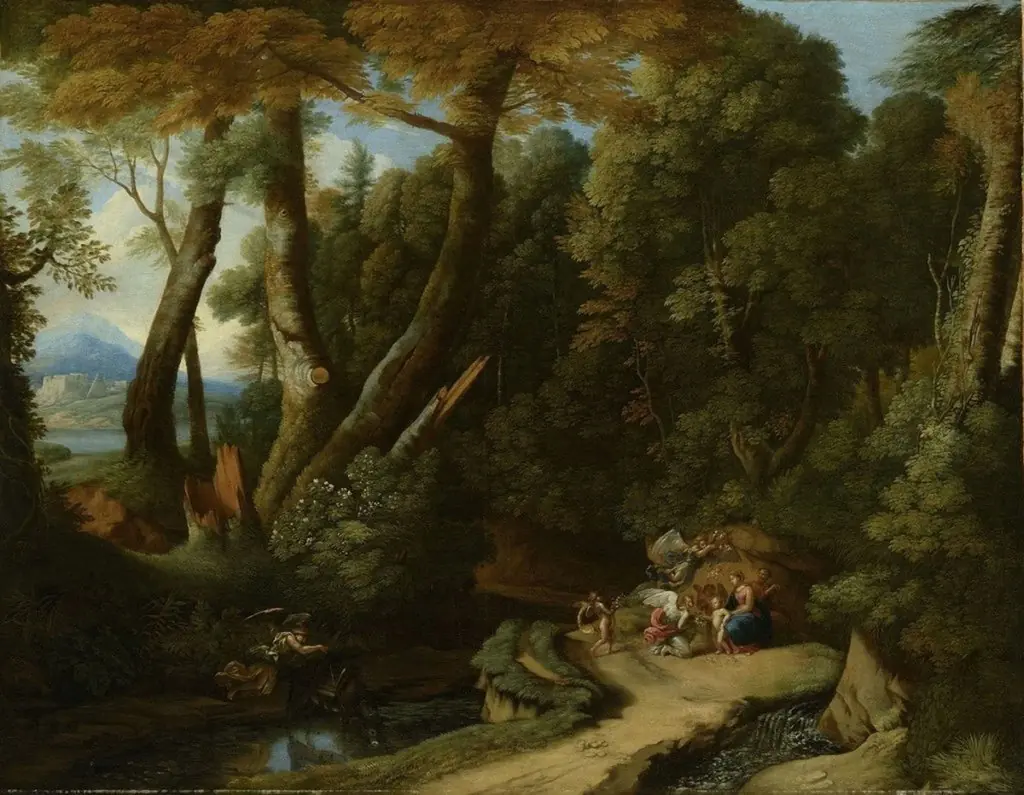
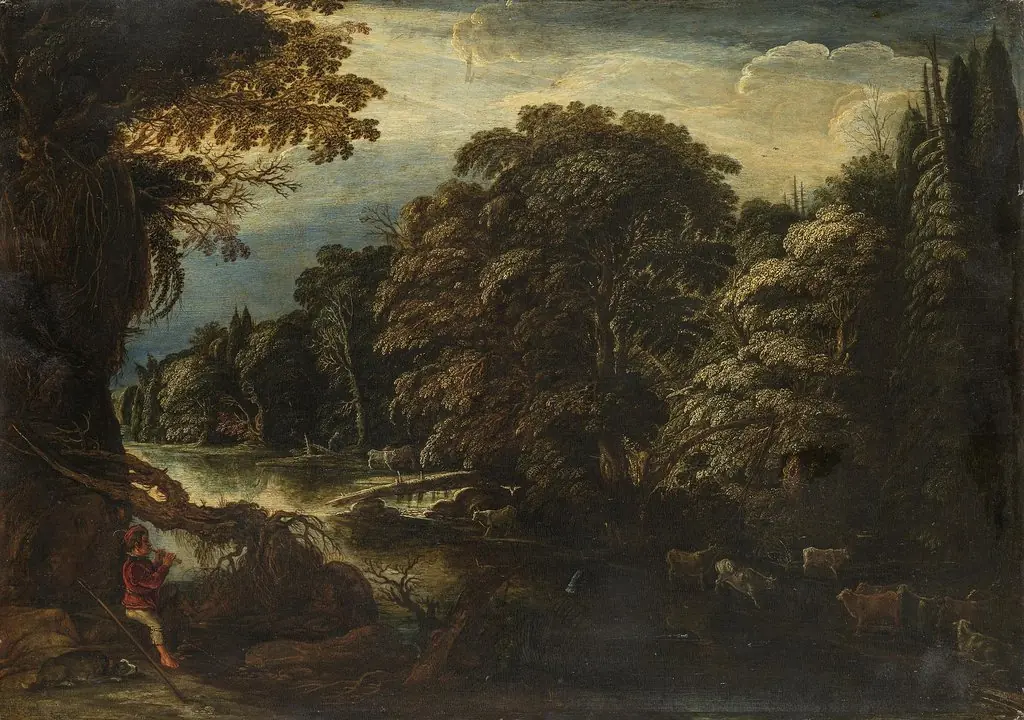
This work presents a detailed forest interior, alive with flora and fauna. The composition centers on a gnarled, towering tree, its form anchoring a dense ecosystem of undergrowth, stone, and wildlife. The scene avoids human presence, focusing instead on the quiet rhythms of the natural world. Subtle shifts in tone and layered brushwork create a sense of spatial depth, drawing the eye through the foliage toward the shadowed recesses of the woodland.
Subject & Meaning
The painting features deer, goats, and birds coexisting within a self-contained woodland environment. These animals are rendered with observational accuracy, suggesting an interest in natural behavior rather than symbolic allegory. The absence of human figures or narrative elements implies a contemplative view of nature as autonomous and undisturbed, emphasizing harmony among species and their habitat.
Technique & Style
The artist employs fine cross-hatching to model form and suggest texture across bark, fur, and foliage. Layers of delicate strokes build volume without heavy pigment, creating a muted, earth-toned palette. The brushwork is precise yet fluid, allowing individual leaves and rocks to retain their distinct character while merging into a cohesive whole. This method prioritizes tactile realism over dramatic contrast.
History & Provenance
The painting’s origin remains undocumented in public records, with no known exhibition history or collector lineage prior to its current attribution. Its style aligns with 17th-century Northern European landscape traditions, though no definitive artist has been identified. The work likely originated as a private study or decorative piece, valued for its quiet fidelity to natural observation.
Context
Created during a period when detailed naturalism gained traction among artists and naturalists, the painting reflects growing interest in empirical observation of the wild. While not part of a known school or movement, its approach parallels contemporary botanical and zoological illustrations, suggesting a shared cultural shift toward documenting nature with scientific care.
Legacy
Though not widely reproduced or studied, the work contributes to a quieter tradition of European landscape art that values quietude over spectacle. Its meticulous rendering of ecological detail offers insight into pre-modern perceptions of wilderness—not as sublime or dangerous, but as orderly, intricate, and worthy of patient attention.
Artist & collection
Museum
Art Collection of the University Göttingen
Continue through works from the same source collection.
 Domestic Scene
 Giacomo and Cardinal Marco, investing Andrea, Abbot of San Zeno, with his Benefice
 The Nymph of Fontainebleau
 Portrait of a Woman
 Madonna and Child with Saints in the Enclosed Garden
 Venus and Minerva
 Family Group of Four on Sofa
 Wall painting from Room H of the Villa of P. Fannius Synistor at Boscoreale