Artwork
Zacharias Huhn. Pandant: Johannes Andreas Huhn
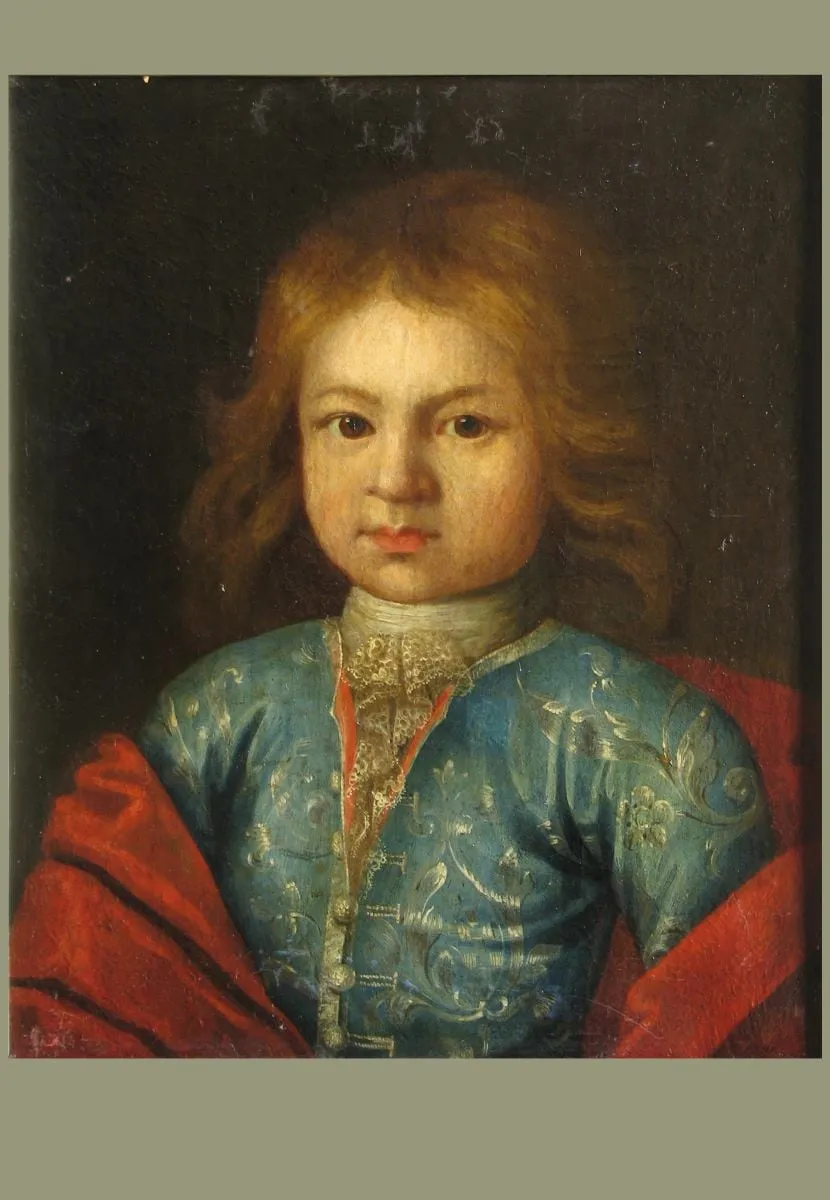
Zacharias Huhn. Pandant: Johannes Andreas Huhn is a print by the Baroque artist Unknown. It dates from 1711 and is held in the collection of the Brukenthal National Museum.
About this work
Overview
This portrait depicts Zacharias Huhn, a young boy from an affluent family, rendered with meticulous attention to textile detail and luminous effects.
This portrait depicts Zacharias Huhn, a young boy from an affluent family, rendered with meticulous attention to textile detail and luminous effects. Painted in the 18th century, it reflects the conventions of aristocratic portraiture, where clothing and accessories signaled social status. The boy’s direct gaze and formal attire convey dignity, while the dark background isolates him, emphasizing his presence.
Subject & Meaning
Zacharias Huhn is portrayed not as a child in play, but as a figure of inherited status. His elaborate blue coat, richly embroidered with gold, and crisp white collar signify wealth and refinement. The absence of props or landscape directs focus to his person, suggesting the portrait served as a statement of lineage and familial pride rather than a record of personality.
Technique & Style
The artist employs fine brushwork to render the metallic sheen of gold thread and the texture of silk, enhancing the coat’s opulence. Light is carefully modulated to highlight the embroidery and the boy’s red-gold curls, while the dark, unmodeled background creates contrast. This use of selective illumination aligns with 18th-century portraiture practices that prioritized material splendor over psychological depth.
History & Provenance
The portrait is attributed to Johannes Andreas Huhn, likely a relative or family painter, given the shared surname. It was probably commissioned to commemorate Zacharias’s position within the family or to document his early life. No public record of its early ownership exists, but its preservation suggests it remained within the Huhn family for generations.
Context
In early 18th-century Europe, portraits of children from elite families often emphasized clothing and ornamentation as markers of social standing. Unlike later Romantic depictions of childhood innocence, these images presented children as miniature adults, embodying familial prestige. The use of chiaroscuro and luxurious fabrics was standard among painters catering to the upper classes.
Legacy
The portrait endures as an example of how material culture was encoded in visual art during the Enlightenment. While not widely exhibited or studied, it contributes to the understanding of domestic portraiture in provincial German-speaking regions. Its preservation offers insight into the values and aesthetics of a family seeking to assert their place in a hierarchical society.
Artist & collection

 Domestic Scene
 Giacomo and Cardinal Marco, investing Andrea, Abbot of San Zeno, with his Benefice
 The Nymph of Fontainebleau
 Portrait of a Woman
 Madonna and Child with Saints in the Enclosed Garden
 Venus and Minerva
 Family Group of Four on Sofa
 Wall painting from Room H of the Villa of P. Fannius Synistor at Boscoreale
 Capul unui băiat necunoscut
 Portrait of a Boy
 Knabe mit rotem Barett und Goldkette
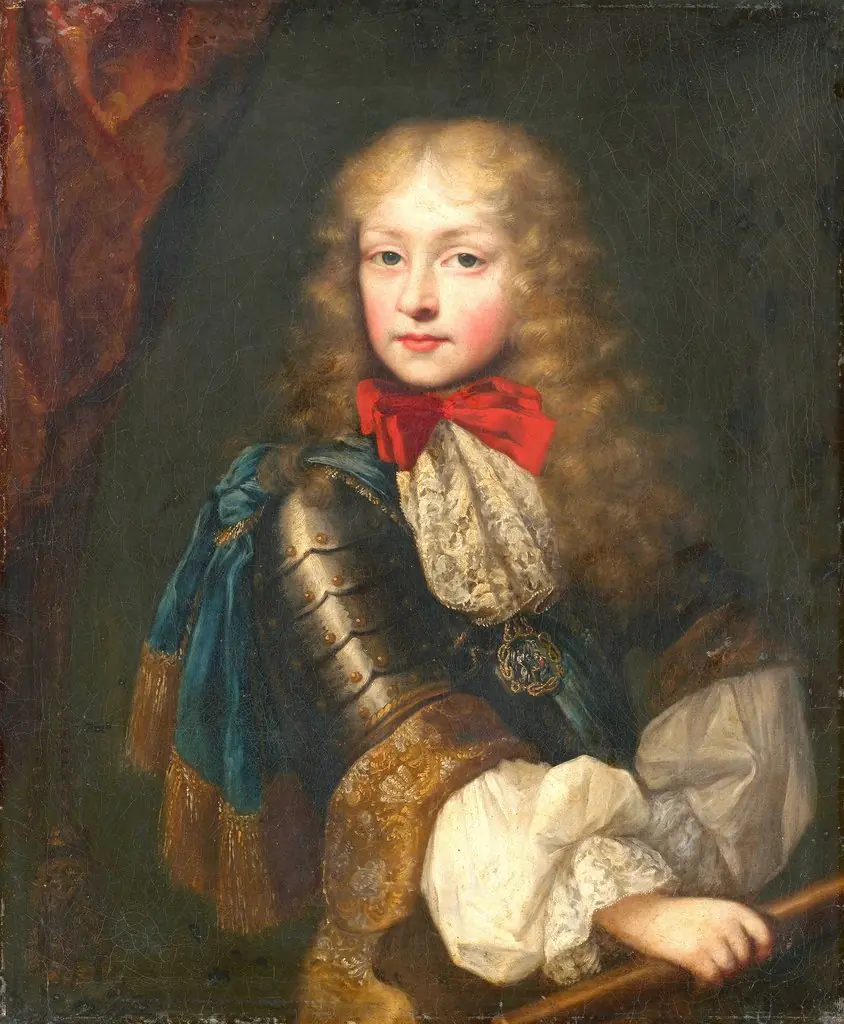 Kinderbildnis des Erbprinzen Viktor Amadeus II. von Savoyen
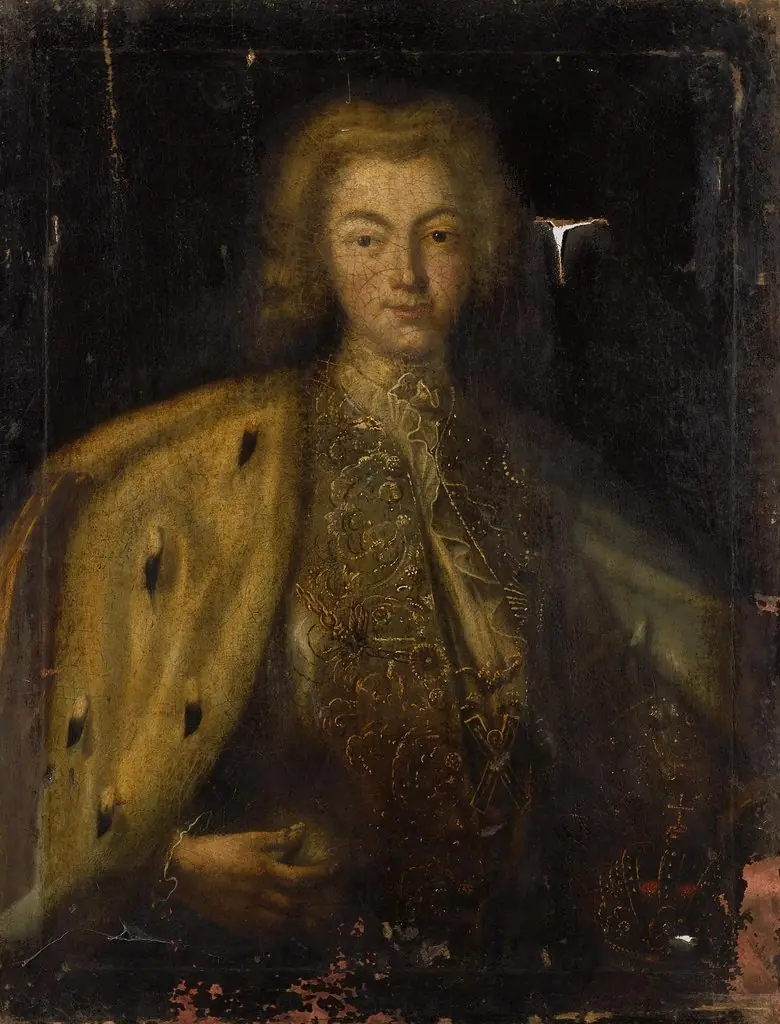 Portrait of Peter II
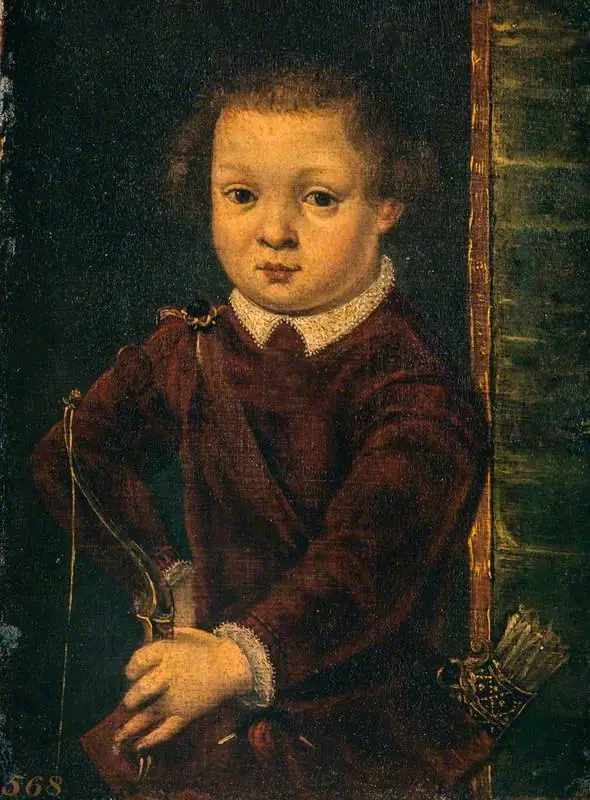 Garzia or Giovanni de' Medici
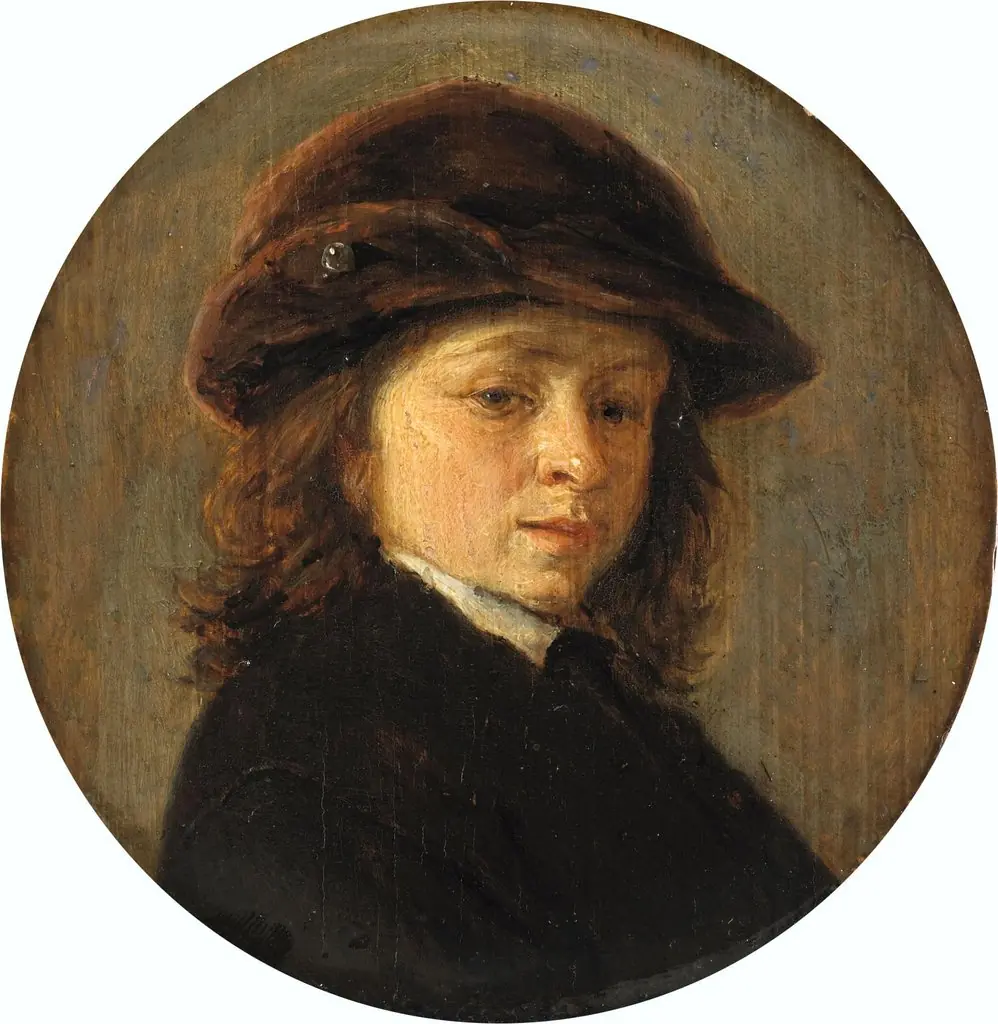 Portrait of a boy
 Fetița cu pisica
 Bildnis des Pfalzgrafen Johann Christian von Sulzbach (?)
 Portretul Împăratului Carol Albert, copil