Artwork
The Camera Obscura
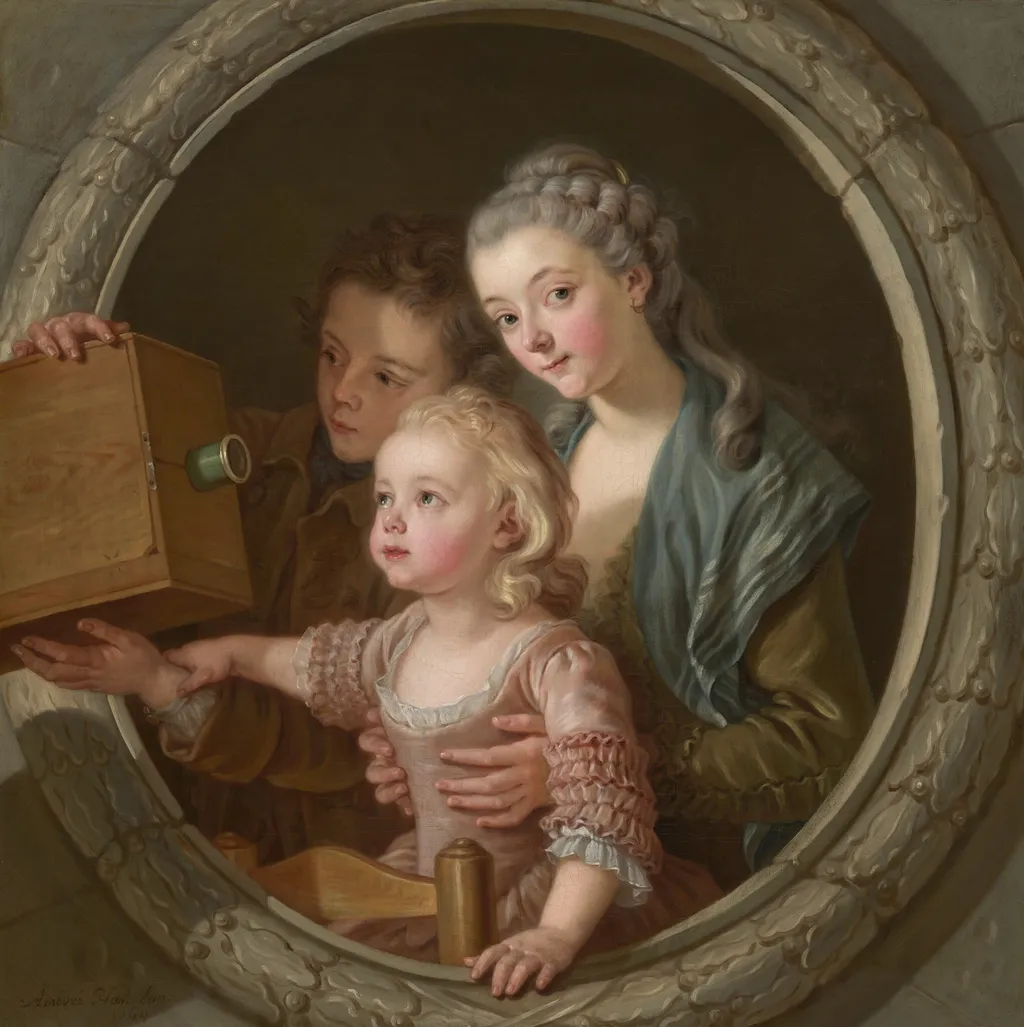
The Camera Obscura is an oil painting by the Rococo painting artist Charles Amédée Philippe Van Loo. It dates from 1764 and is held in the collection of the National Gallery of Art.
About this work
Overview
Charles-Amédée-Philippe van Loo's 1764 oil on canvas, *The Camera Obscura*, is a genre painting from the Rococo period.
Charles-Amédée-Philippe van Loo's 1764 oil on canvas, *The Camera Obscura*, is a genre painting from the Rococo period. It captures a domestic scene where individuals engage with a camera obscura, a device known for projecting images. The composition features three figures within a distinctive round frame, suggesting an intimate glimpse into their interaction with this early optical instrument. The artist, a French painter, was recognized for his allegorical works and portraits.
Subject & Meaning
The painting portrays a private, domestic moment centered around a camera obscura, an optical instrument used to project external images. Three figures are depicted within a circular frame, emphasizing their close interaction. A young child with light hair reaches outward, while an older woman's arm rests gently on the child's shoulder, creating a sense of familial connection. The scene invites contemplation on curiosity and the act of observation within a personal space.
Technique & Style
Van Loo employed smooth brushstrokes, particularly evident in the rendering of the figures' faces, to achieve a lifelike quality. The artist paid close attention to the subtle play of light across their skin, contributing to the painting's soft illumination. Shadows gradually recede into the dark background, enhancing the intimate atmosphere. The circular format of the canvas, resembling a framed mirror, was a stylistic choice often used in Rococo portraiture to suggest a scene viewed through an opening.
History & Provenance
Charles-Amédée-Philippe van Loo, a French artist, established his career after receiving training from his father, Jean-Baptiste van Loo. His artistic prowess was formally recognized when he won the prestigious Prix de Rome in 1738. This achievement paved the way for his election as a member of the esteemed Académie Royale de Peinture et de Sculpture in 1747, solidifying his position within the French art establishment of the Rococo era.
Artist & collection
Artist
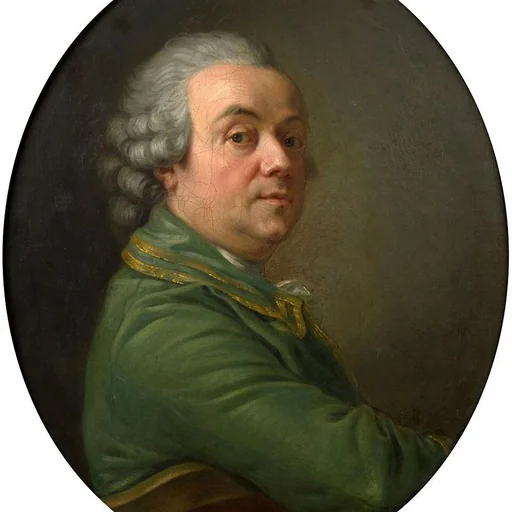
Charles Amédée Philippe Van Loo
Charles-Amédée-Philippe van Loo (25 August 1719 – 15 November 1795) was a French painter of allegorical scenes and portraits.

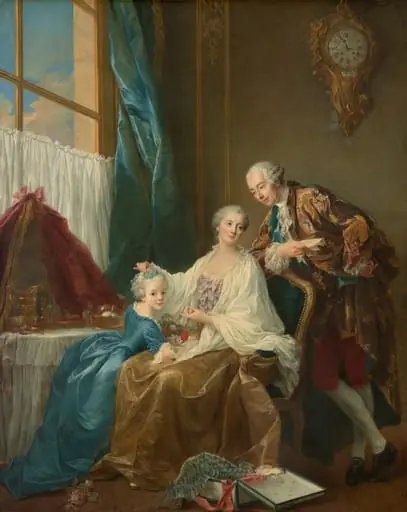 Family Portrait
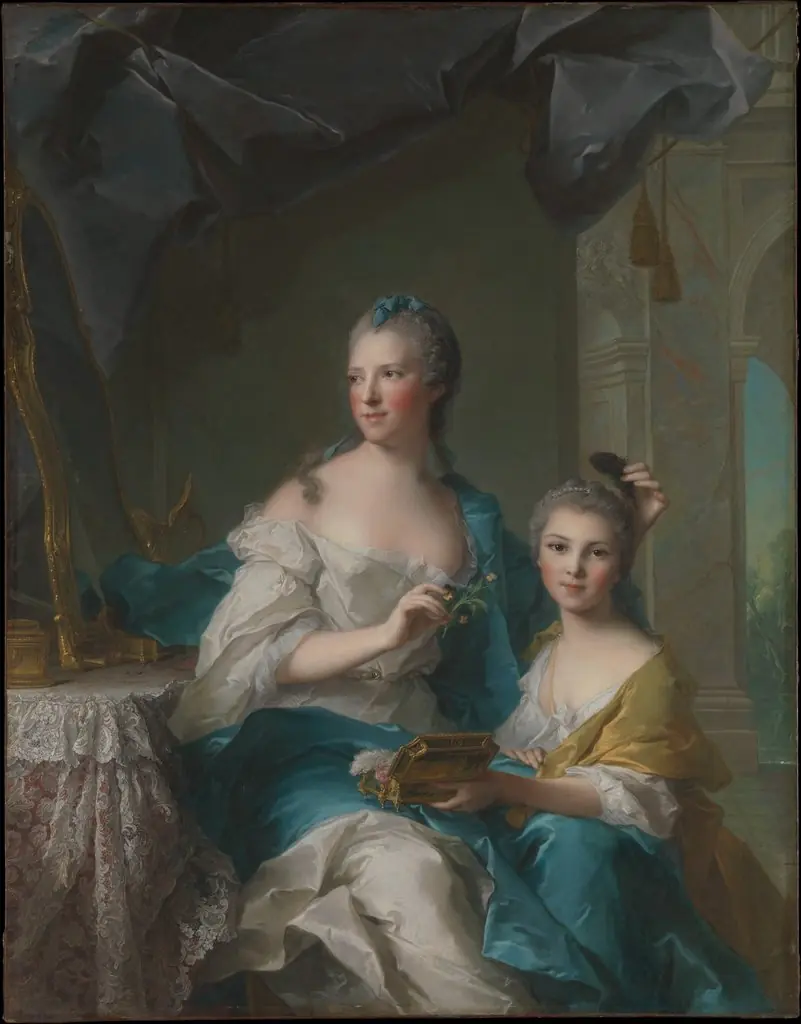 Madame Marsollier and Her Daughter
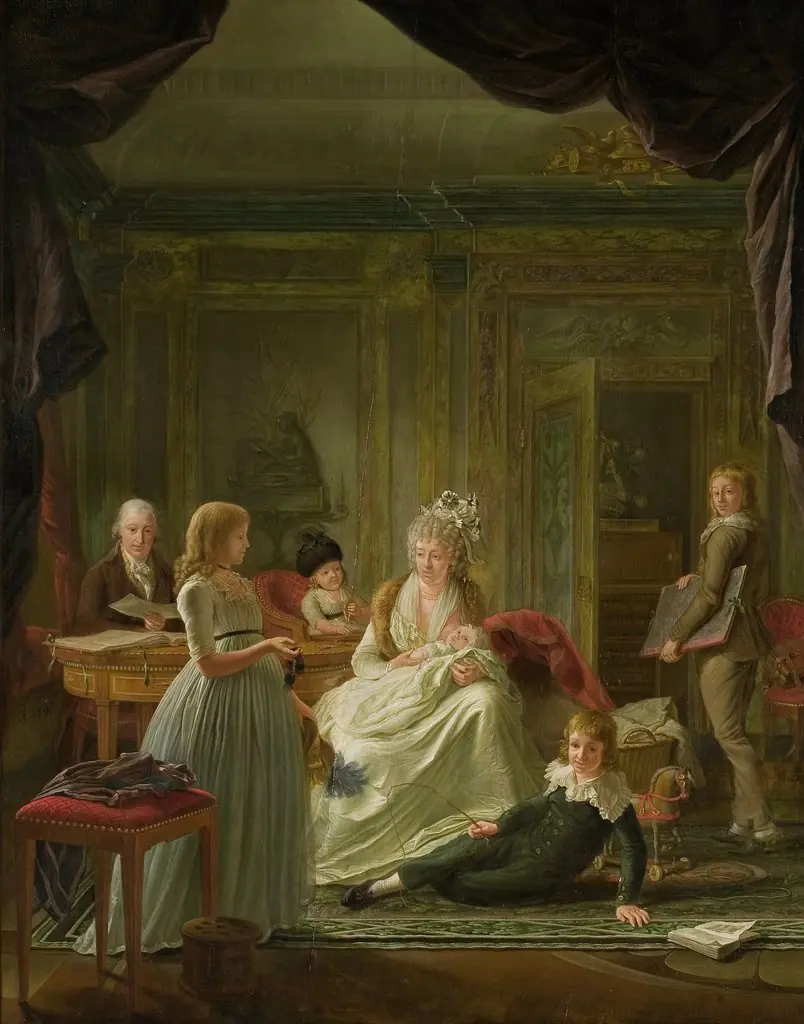 Portrait of Aernout van Beeftingh, his Wife Jacoba Maria Boon and their Children
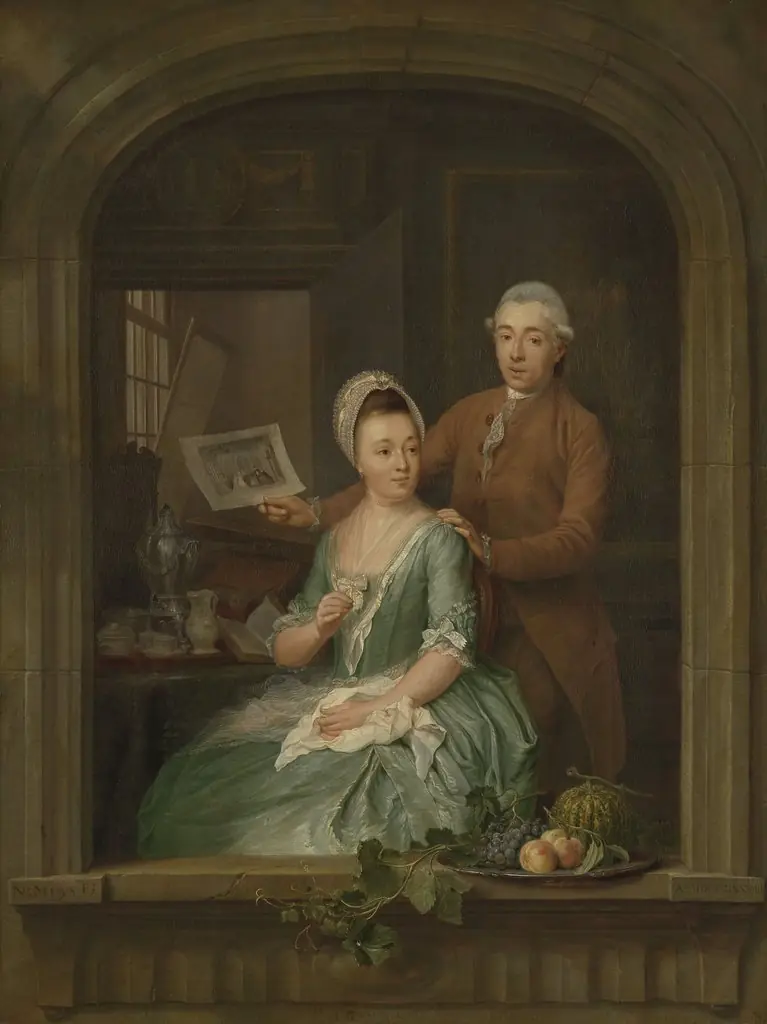 Portrait of Robert Muys and his Wife Maria Nozeman
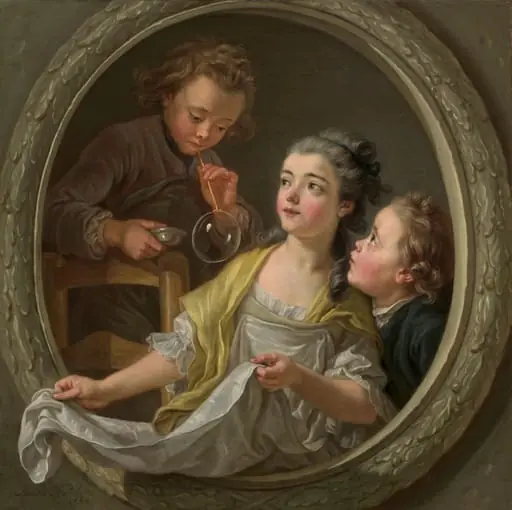 Soap Bubbles
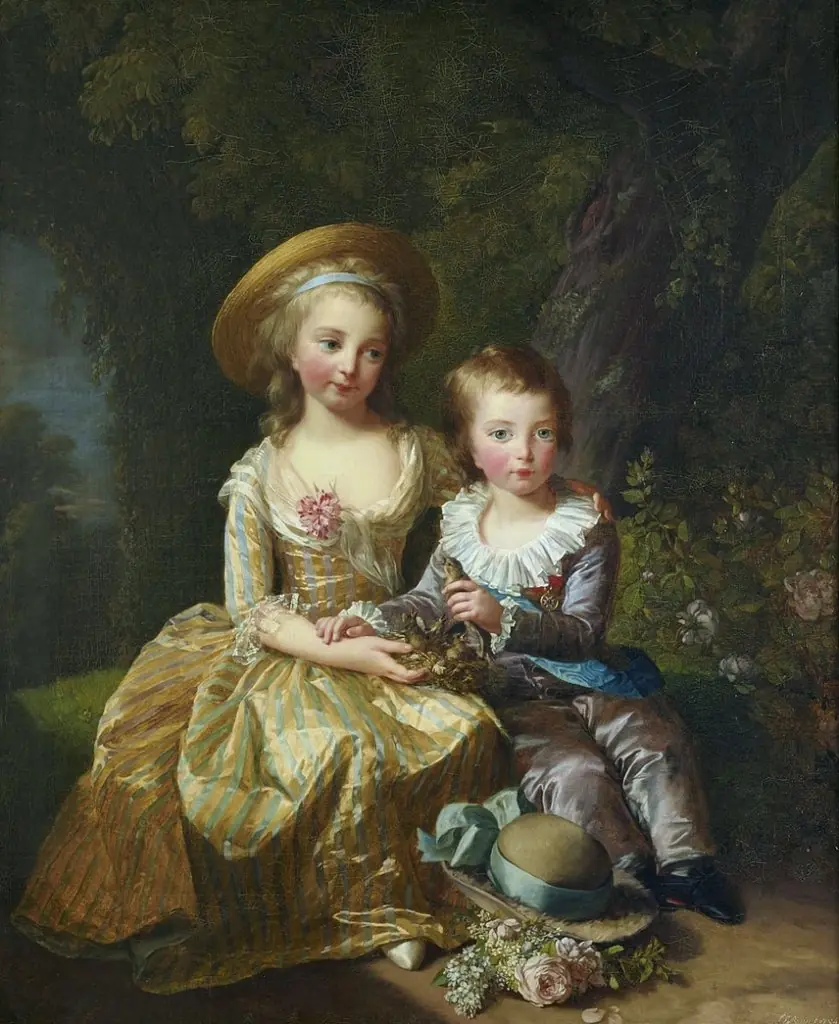 Portrait of Madame Royale and Louis Joseph, Dauphin of France
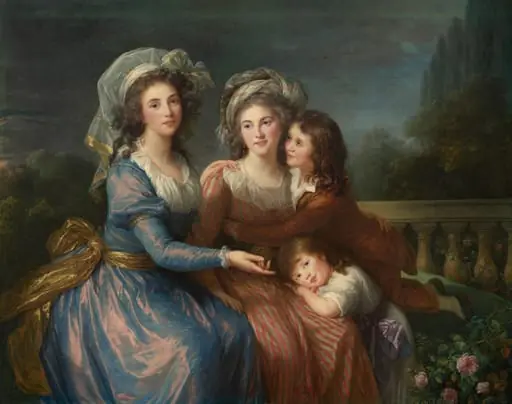 The Marquise de Pezay, and the Marquise de Rougé with Her Sons Alexis and Adrien