Artwork
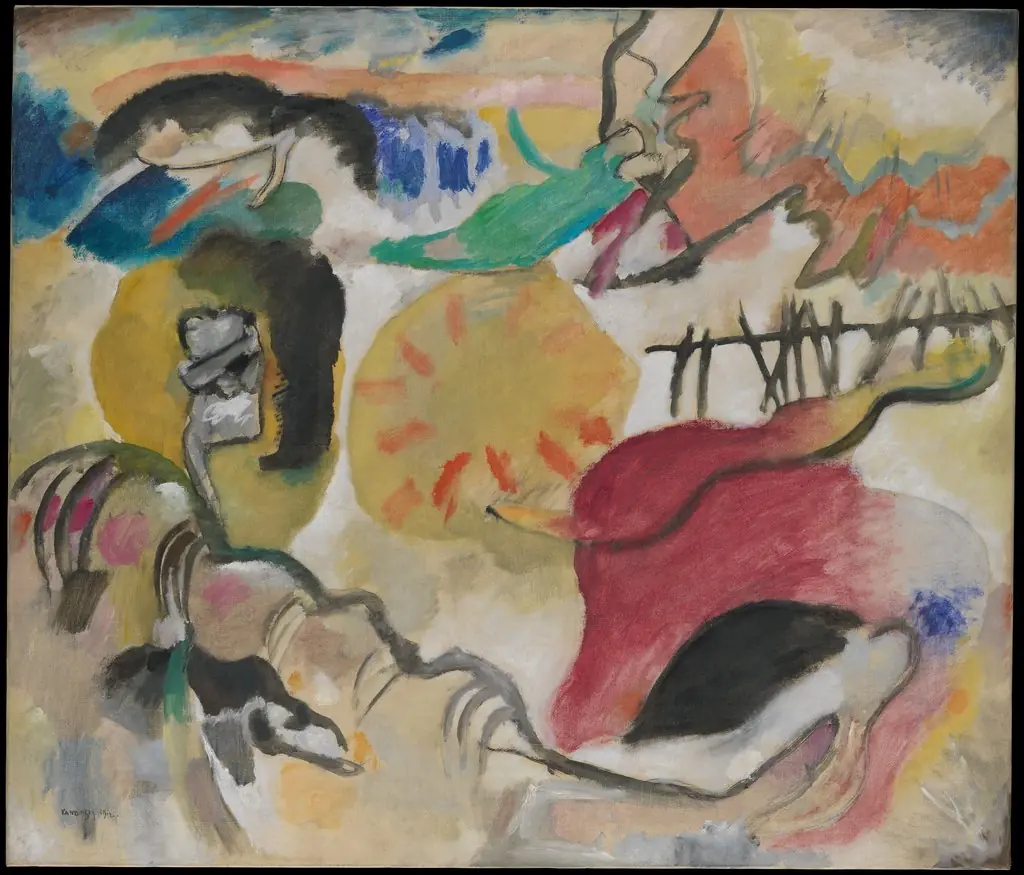
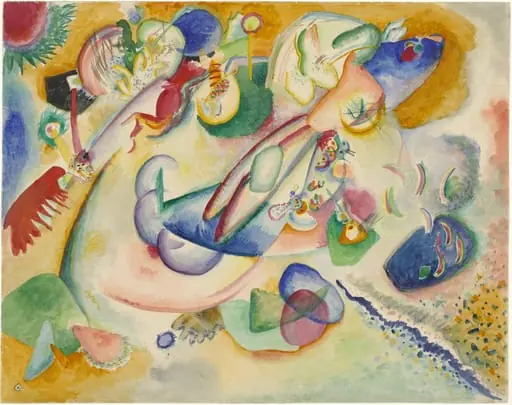
Improvisation No. 30 (Cannons)
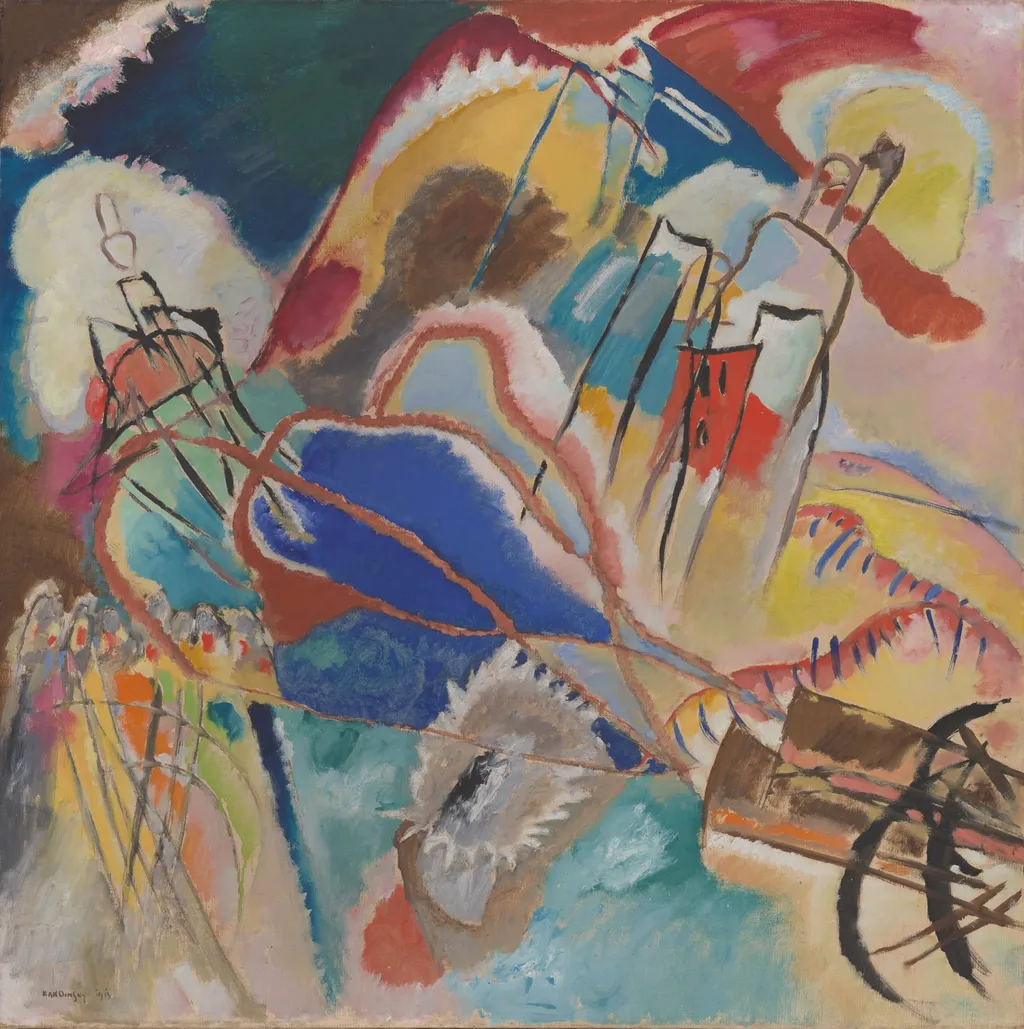
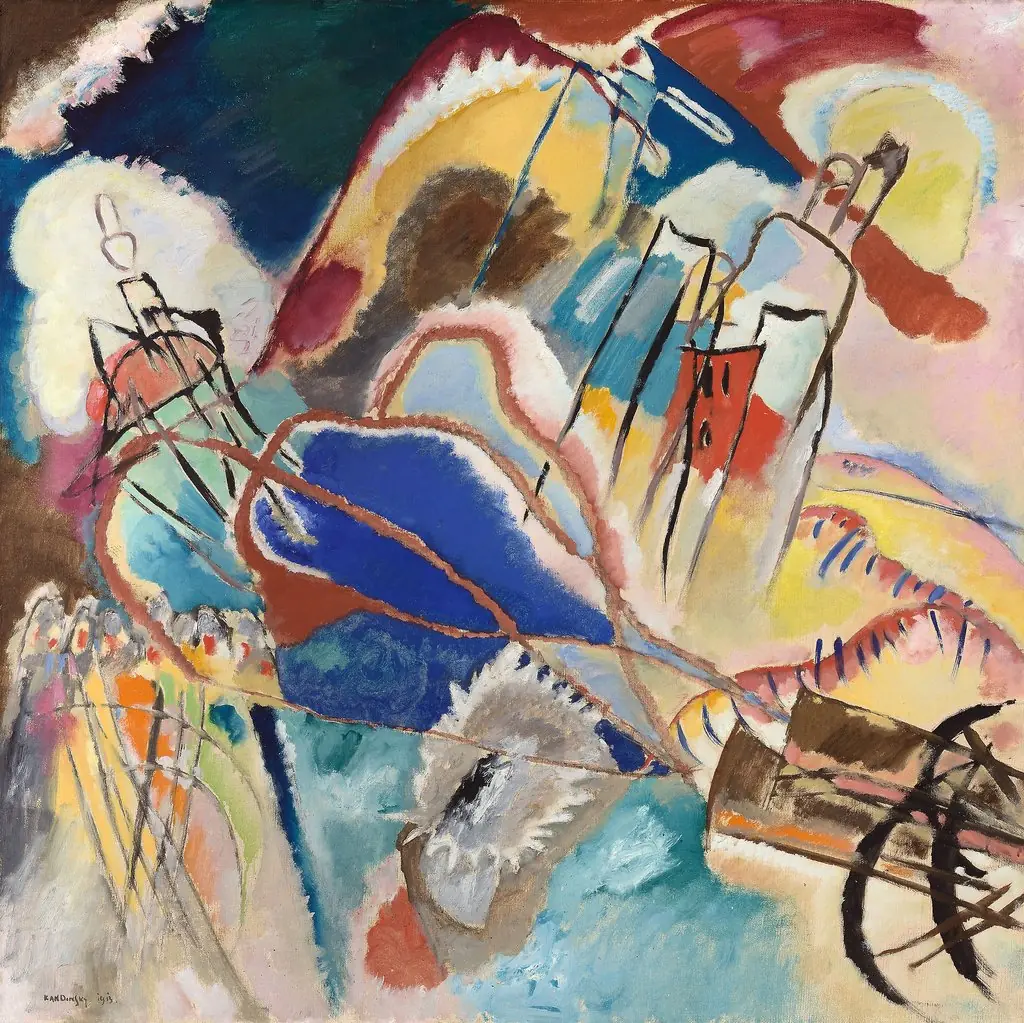
Improvisation No. 30 (Cannons) is an oil painting by the Abstract Expressionist artist Wassily Kandinsky. It dates from 1913 and is held in the collection of the Art Institute of Chicago. Improvisation No.
About this work
Overview
Improvisation No. 30 (Cannons) is an oil on canvas painting by Vasily Kandinsky, created between 1910 and 1914. It is one of a series of 'improvisations' that the artist produced during this period.
Subject & Meaning
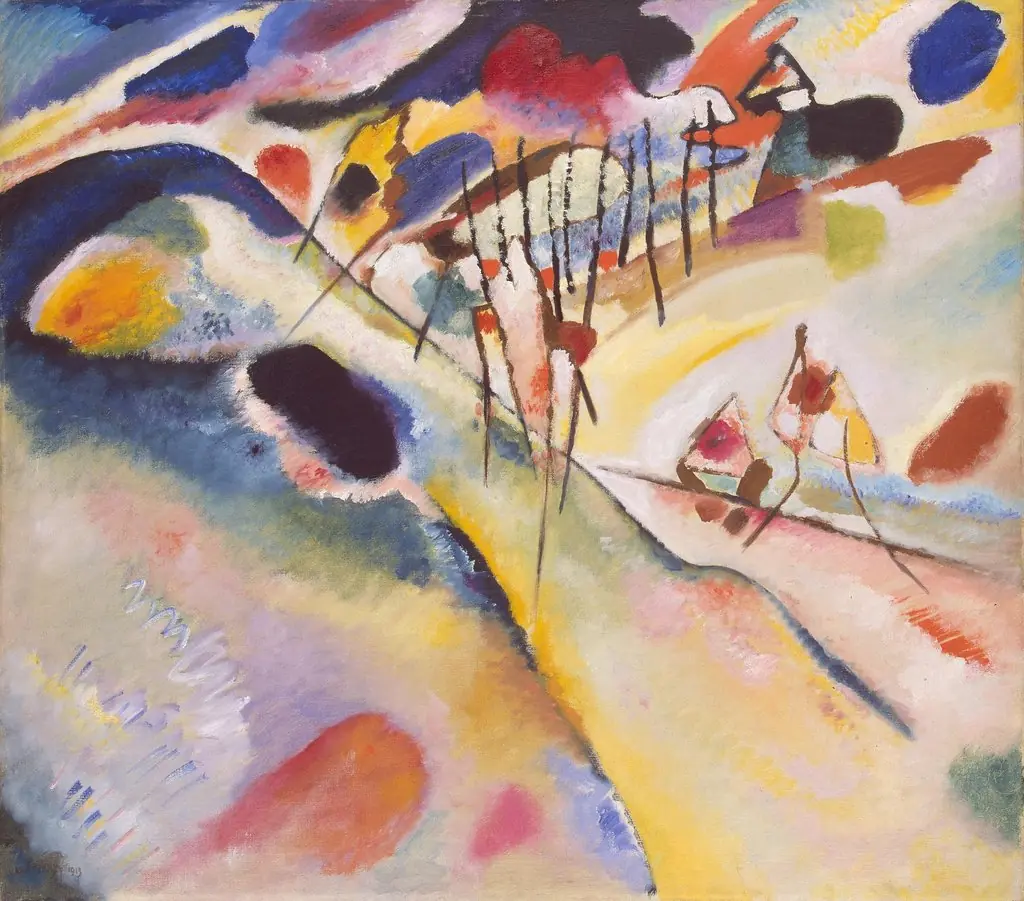
The painting features abstract, non-representational forms and colors. Kandinsky attributed the 'cannons' in the title to the prevalent war talk at the time, but emphasized that the work's true meaning lies in the viewer's emotional response to its forms and colors.
Technique & Style
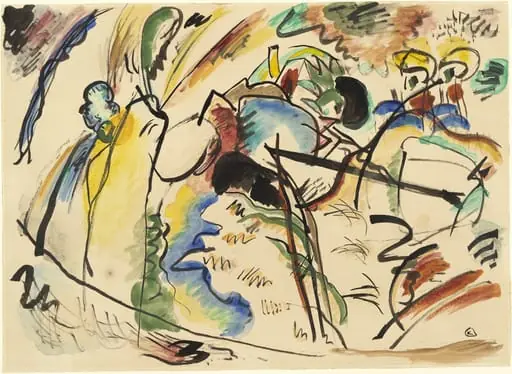
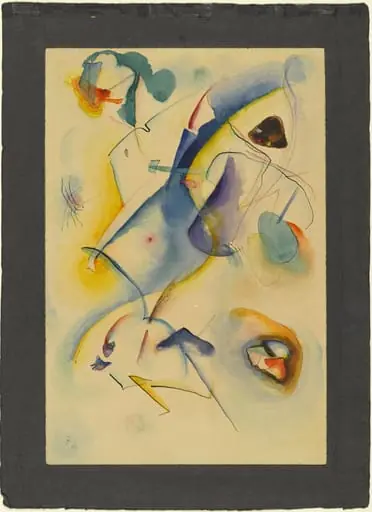
Kandinsky's improvisational approach involved spontaneous, unplanned brushstrokes guided by his emotions. This method was influenced by his analogy between painting and music, where both art forms can evoke emotions without depicting specific objects.
Context
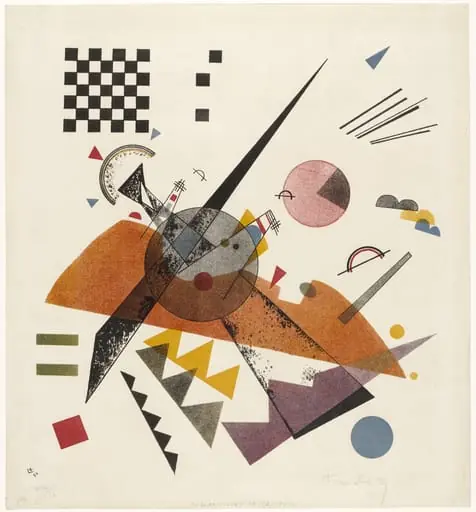
The painting reflects Kandinsky's innovative and radical approach to art, which challenged traditional representational functions of color and line. His ideas were outlined in his 1912 book Concerning the Spiritual in Art.
Own this work as a print
Artist & collection
Artist
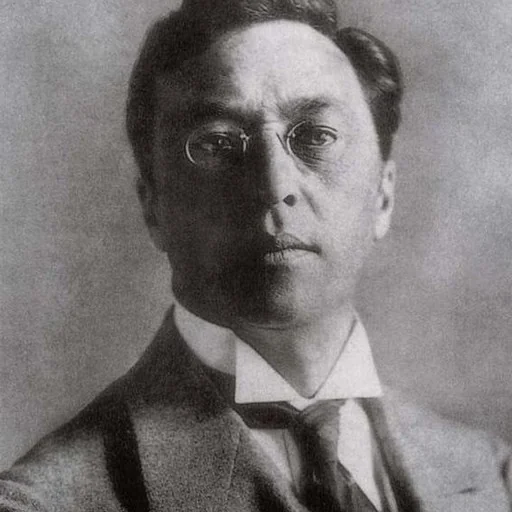
Wassily Wassilyevich Kandinsky (16 December 1866 – 13 December 1944) was a Russian painter and art theorist active in Germany during the late Belle Époque and Interwar eras.