Artwork
Άτιτλο
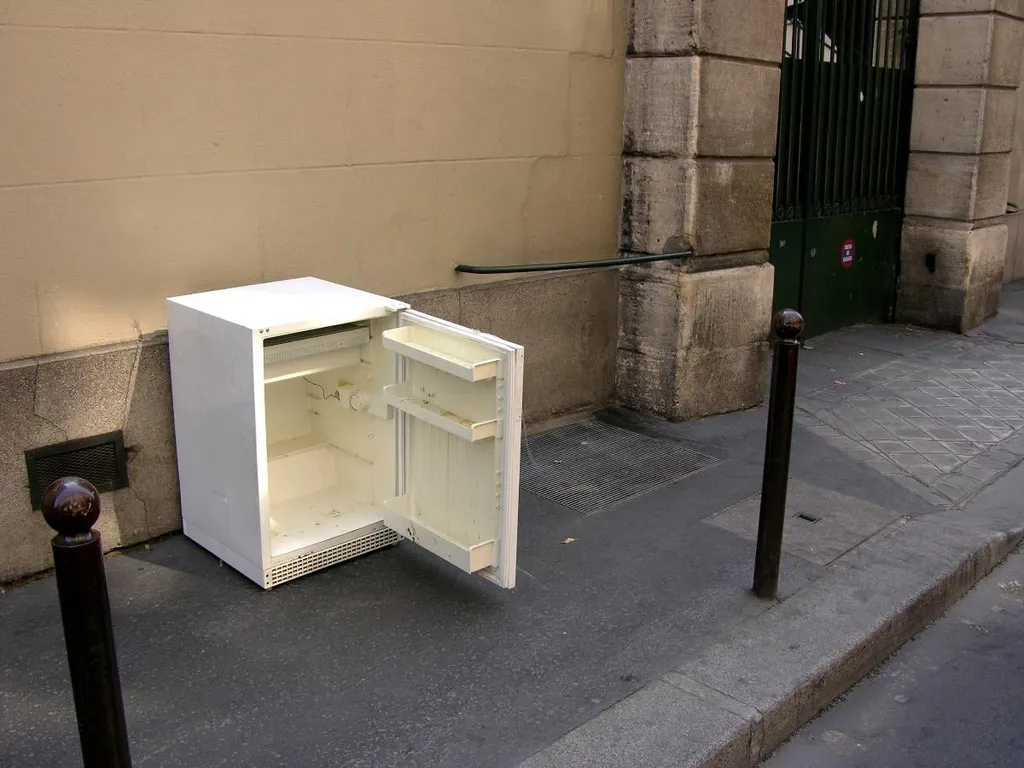
Άτιτλο is a photography by VASSILIS NOULAS. It dates from 2006 and is held in the collection of the Athens School of Fine Arts.
About this work
Overview
Untitled, a 2006 photographic work by Greek artist Vassilis Noulas, is part of the collection of the Museum of Ethnography. The image captures a stark white refrigerator positioned on a city sidewalk, its door ajar to reveal interior shelves and a lit interior. Adjacent to the appliance, a stone building with a dark gate and a metal bollard border the scene.
Subject & Meaning
The composition juxtaposes an ordinary domestic object—an empty fridge—with an urban streetscape, creating a sense of displacement. By placing the appliance in a public space, the work invites viewers to consider notions of abandonment, the boundary between private and communal realms, and the unexpected presence of everyday items outside their usual context.
Technique & Style
Noulas employs a straightforward photographic approach, using natural lighting to illuminate the refrigerator’s interior. The crisp, high‑contrast rendering emphasizes the whiteness of the fridge against the muted tones of the surrounding architecture, while the open door draws attention to the interior void, reinforcing the work’s minimalist aesthetic.
Context
Created in the mid‑2000s, the piece reflects a period in contemporary art where artists explored the uncanny qualities of mundane objects. Noulas’s practice often engages with urban environments, and this image aligns with broader trends that question the relationship between consumer culture and public space.
Legacy
Untitled remains a representative example of Noulas’s investigation of everyday objects as carriers of cultural meaning. Its inclusion in the Museum of Ethnography underscores the work’s relevance to discussions of material culture, highlighting how ordinary artifacts can reveal broader social and spatial narratives.
Artist & collection
Artist
Vassilis Noylas carries a camera like others carry a sketchbook—always on, always scanning the edges of the ordinary.
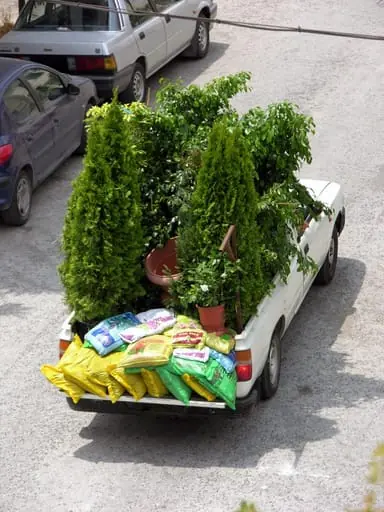
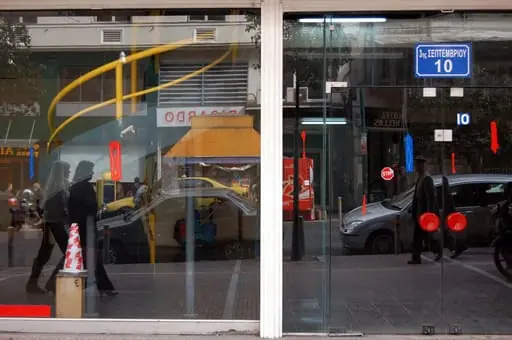
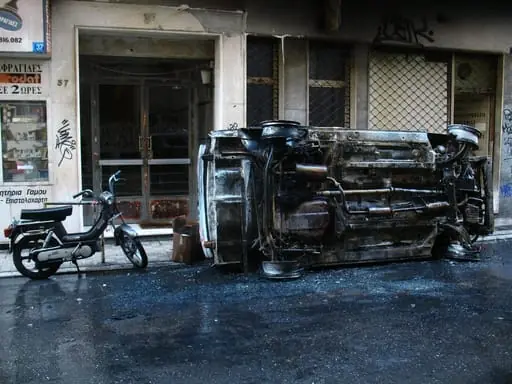 Άτιτλο
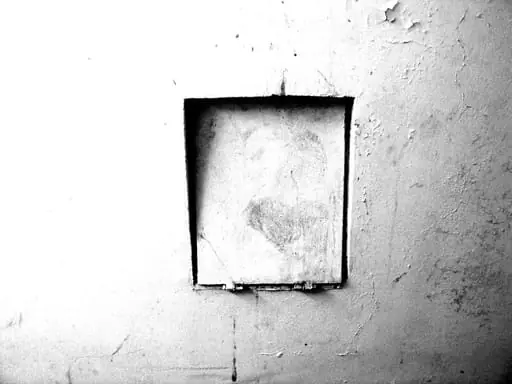 Άτιτλο
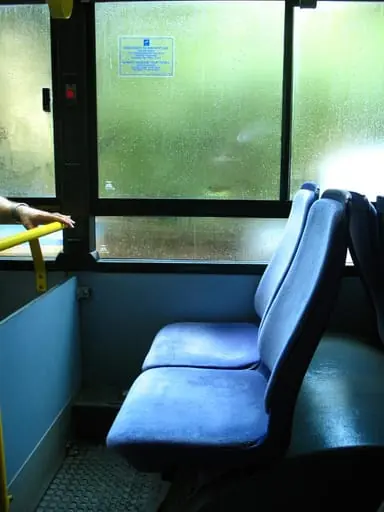 Άτιτλο
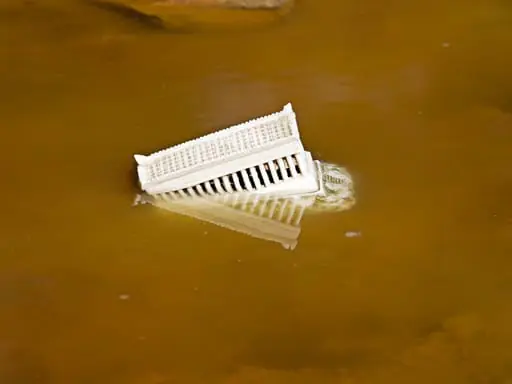 Άτιτλο
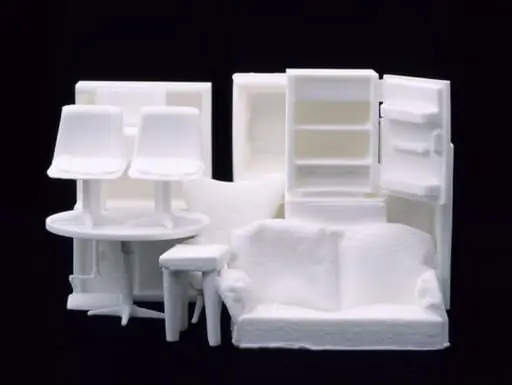 Second-hand
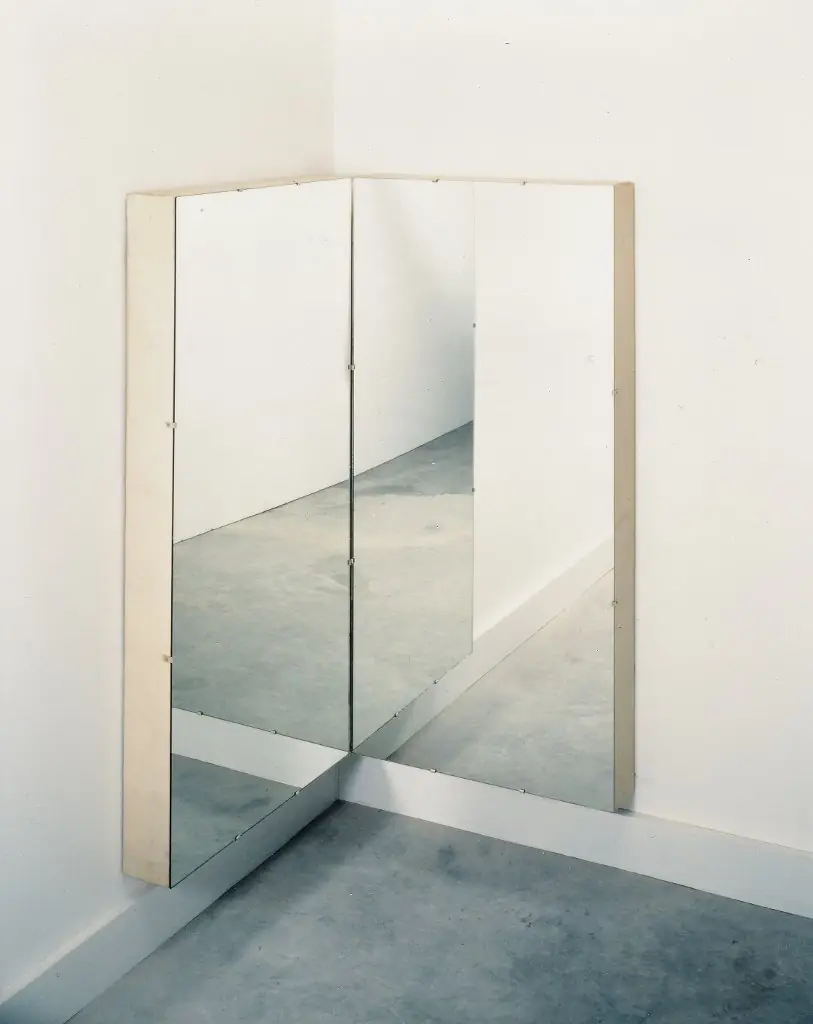 Mirror Piece (Art & Language)
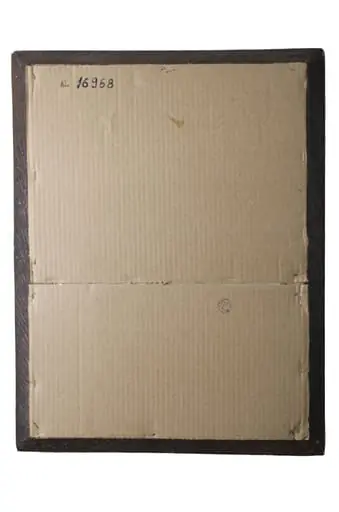 Icoana o reprezintă pe Maica Domnului cu Pruncul Iisus, ferecată în metal (tablă) argintată, având gravate cuvintele „Maica Domnului, Iisus Hristos” în limba greacă, prescurtate. Ferecarea este în relief, decor fiind liniar, punctiform, vegetal, realizate prin batere – lovire cu ciocanul. Fețele sunt pictate. Cromatică: argintiu, maro, cărămiziu, alb, negru, auriu. Icoana este înrămată.
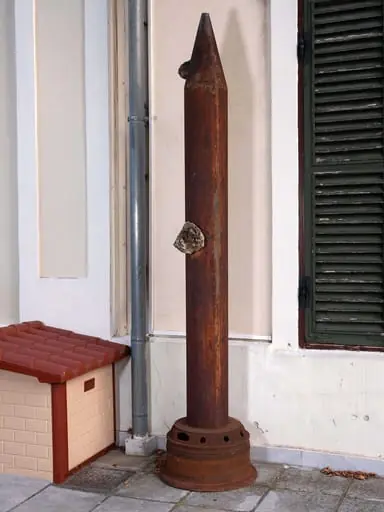 Χωρίς τίτλο
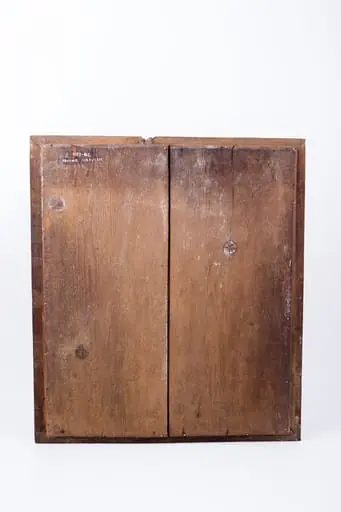 Sfânta Mare Cuvioasă Parascheva de la Iași are crucea în mâna dreaptă, stă așezată pe un tron împărătesc, și cu mâna stângă deschisă înspre noi dăruiește pace și liniște, asemenea unei binecuvântări. Este îmbrăcată în veșmânt roșu vermillon, cu interiorul căptușit cu albastru, galben-chihlimbar și dungi albe, cu manșete pictate cu albastru și galben. Faldurile veșmântului și drapajele, cât și bogăția dungulițelor albe ornamentale împodobesc frumos întreaga tematică iconografică. Peste maforionul roșu închis la gât cu o fibulă rotundă, sfânta cuvioasă are coroniță și aureolă. Fondul icoanei este împărțit în registrul superior cer albastru bleu-ciel foarte deschis și senin și câmp galben, luminos, de grâu vara. În registrul superior, icoana este încadrată de un chenar floral, format dintr-o ghirlandă de trandafiri sălbatici, ruje roșii și lalele închise. În registrul superior, colțul din dreapta și stânga Sfintei PreaCuvioase, este câte un Înger Arhanghel, Mihail și Gavriil, îndreptându-și privirea și ocrotirea înspre Sfânta Parascheva. Trupurile Arhanghelilor se confundă, la un moment dat, cu ornamentele geometrizante ale tronului împărătesc, așadar trupurile Arhanghelilor reprezintă tronul sfintei. Cerul albastru este înstelat cu elemente florale roșii și albe, stelele având forma florilor, iar floarea din partea dreaptă a Sfintei PreaCuvioase se subînțelege ca fiind un heruvim. Ghirlanda de deasupra este paralelă și simetrică cu ruloul de pernă de pe tron. Icoana este foarte frumos realizată artistic și estetic, finețea nuanțelor cromatice și expresivitatea sfintei cuvioase remarcându-se într-un mod deosebit. Cromatica este senină și vie: roșu vermillon, bleu ciel, galben chihlimbar, verde kaki, gri, alb, brun, negru. Icoana este de Țara Oltului. Inscripția din româno-chirilică se traduce Sfânta Paraschiva.
 Untitled
 Icoaa ro
 Untitled