Artwork
Study for "Greek Girls Bathing"
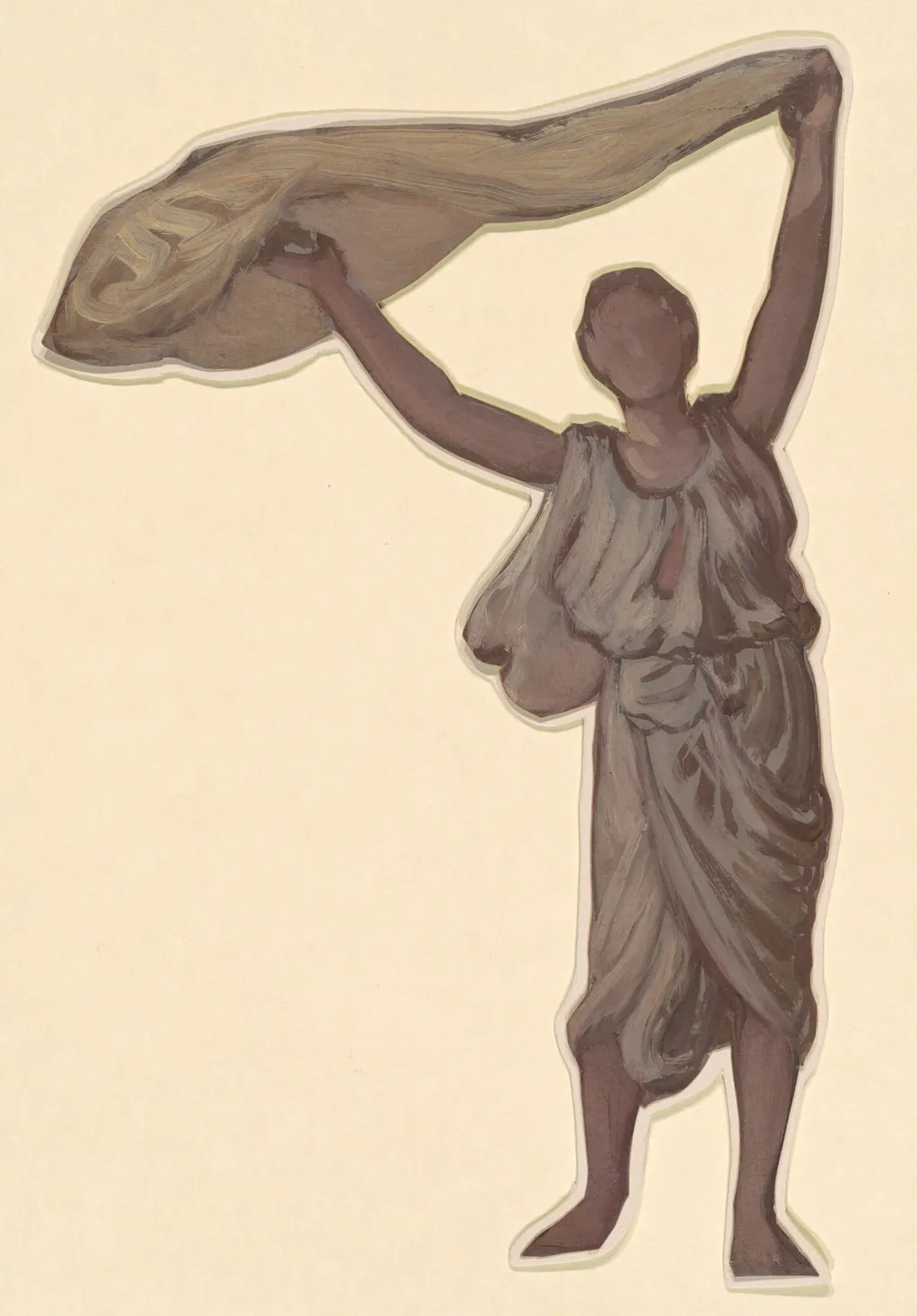
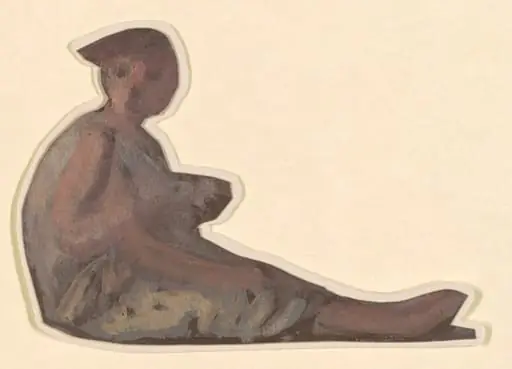
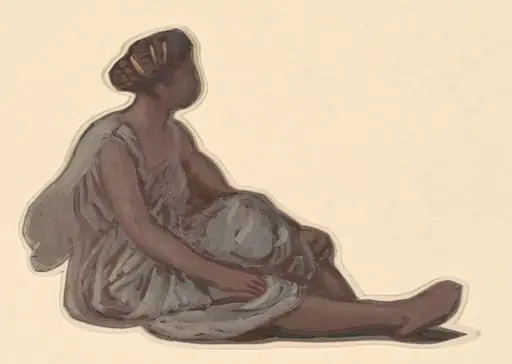
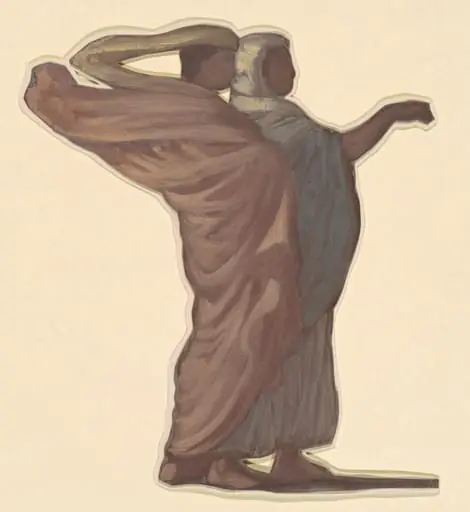
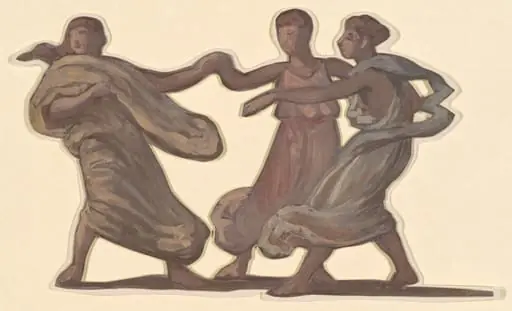
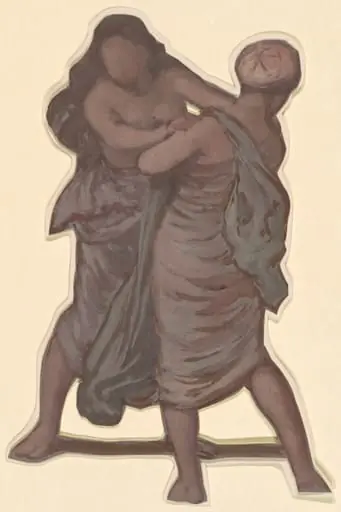
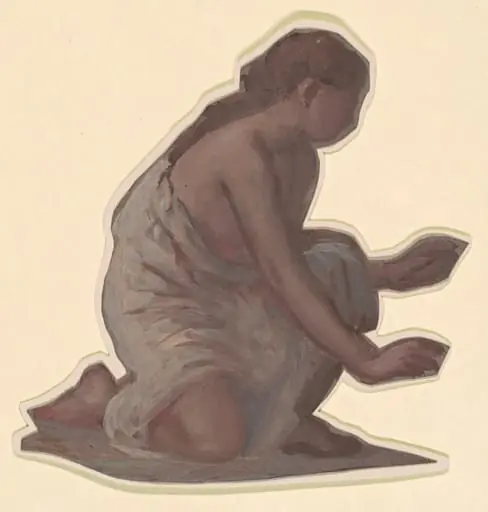
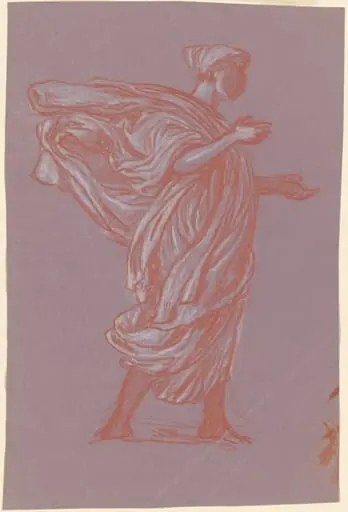
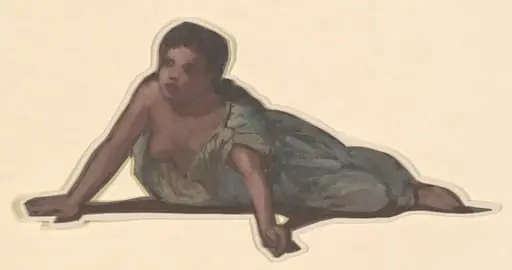
Study for "Greek Girls Bathing" is an oil drawing by the Impressionist artist Elihu Vedder. It dates from 1872 and is held in the collection of the National Gallery of Art.
About this work
Overview
The medium and scale suggest an intimate, exploratory phase in the artist’s process.
Created around 1872 by American artist Elihu Vedder, this oil on prepared wove paper study serves as a preparatory work for a larger composition titled 'Greek Girls Bathing.' Executed in muted earth tones, the piece reflects Vedder’s interest in classical themes and his engagement with Symbolist ideals, prioritizing mood and form over detailed realism. The medium and scale suggest an intimate, exploratory phase in the artist’s process.
Subject & Meaning
The drawing depicts a solitary female figure in a classical setting, standing sideways with a towel raised above her head. The pose evokes ritual or quiet repose, suggesting a moment of personal transition rather than narrative action. Vedder avoids overt eroticism, instead framing the figure within a timeless, almost mythic context, consistent with Symbolist tendencies to imply meaning through suggestion rather than explicit storytelling.
Technique & Style
Vedder employed loose, fluid brushwork and a restrained palette of browns and beiges to emphasize form and movement. Details are minimized; the figure’s anatomy is rendered with broad, confident strokes, and fabric folds are suggested rather than defined. This approach aligns with late 19th-century practices that valued expressive economy, capturing essence over precision, and reflects a shift toward more immediate, observational methods in figure study.
History & Provenance
The work emerged during Vedder’s period of active engagement with Symbolist aesthetics, following his illustrations for FitzGerald’s 'Rubaiyat' and preceding his later murals. While its exact provenance prior to institutional acquisition is not fully documented, it remains part of a broader body of preparatory studies linked to his mythological and allegorical projects from the 1870s.
Context
In the 1870s, American artists increasingly turned to classical subjects as a means of elevating their work beyond genre scenes. Vedder’s study reflects this trend, situating the nude within a timeless, idealized world. Simultaneously, its sketch-like quality aligns with broader European and American shifts toward direct observation, bridging academic tradition and emerging naturalism without fully embracing Realist social concerns.
Legacy
Though not widely exhibited during Vedder’s lifetime, this study contributes to understanding his methodical approach to composition and his role in introducing Symbolist sensibilities to American art. It stands as a quiet example of how classical themes were reinterpreted through personal, introspective means, influencing later generations interested in the emotional resonance of form over literal representation.
Artist & collection

Artist
Elihu Vedder (26 February 1836 – 29 January 1923) was an American symbolist painter, book illustrator and poet from New York City.

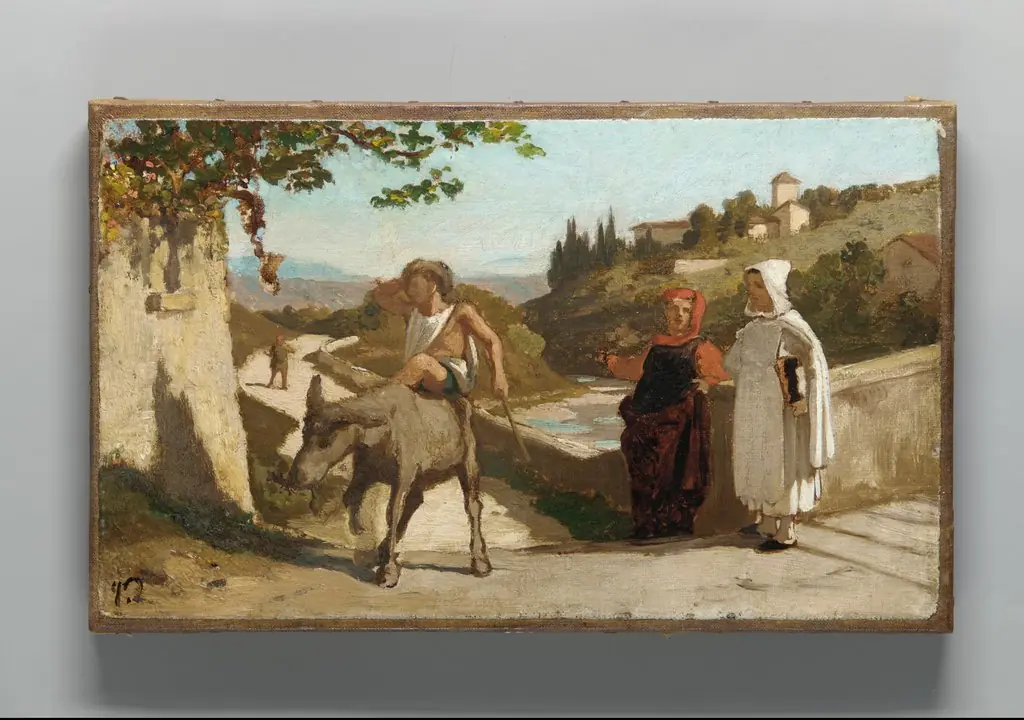 The Fable of the Miller, His Son, and the Donkey
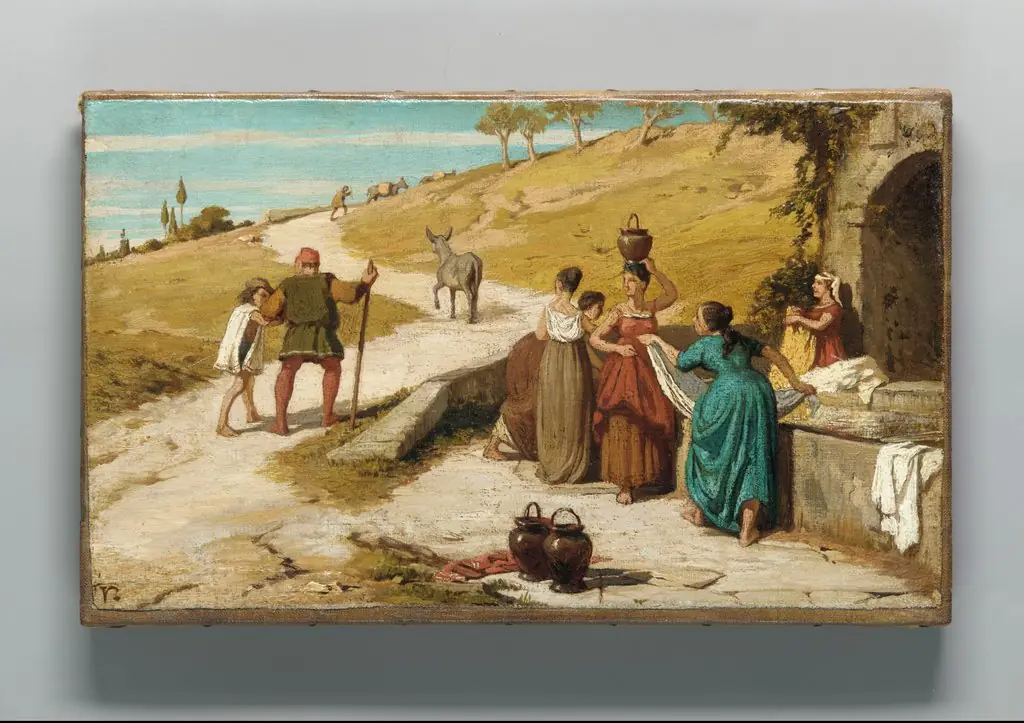 The Fable of the Miller, His Son, and the Donkey
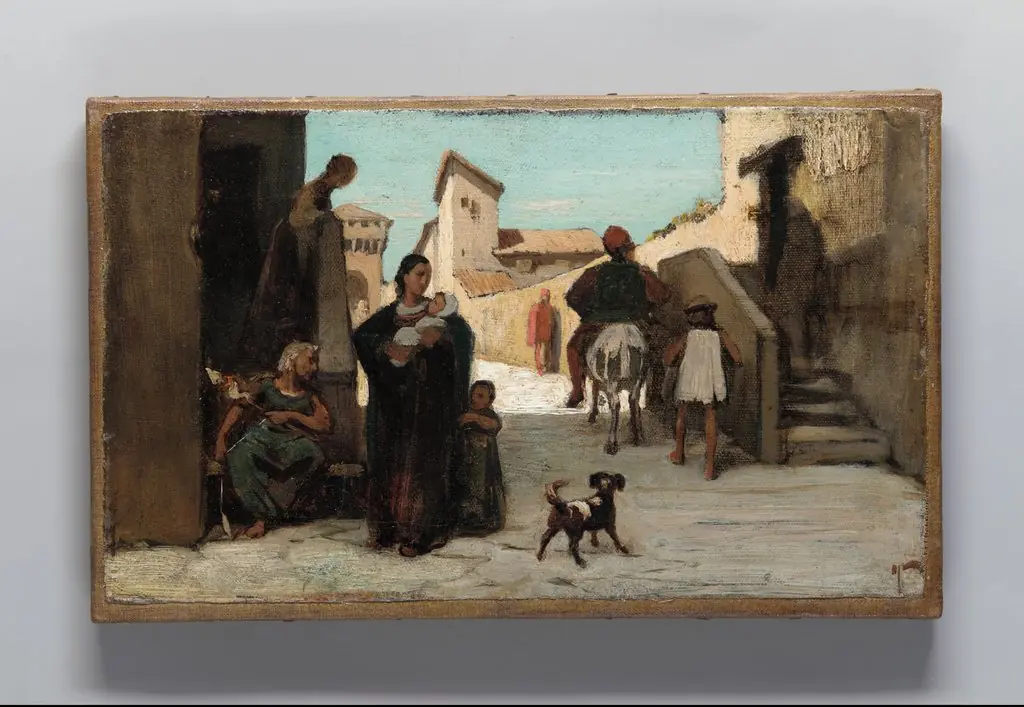 The Fable of the Miller, His Son, and the Donkey
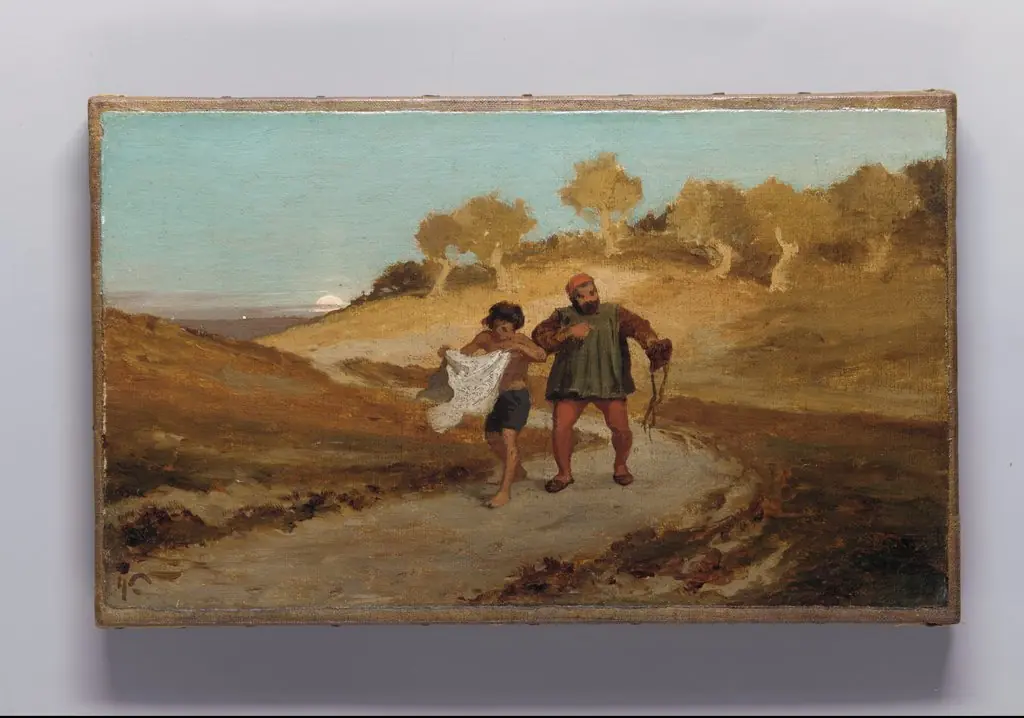 The Fable of the Miller, His Son, and the Donkey
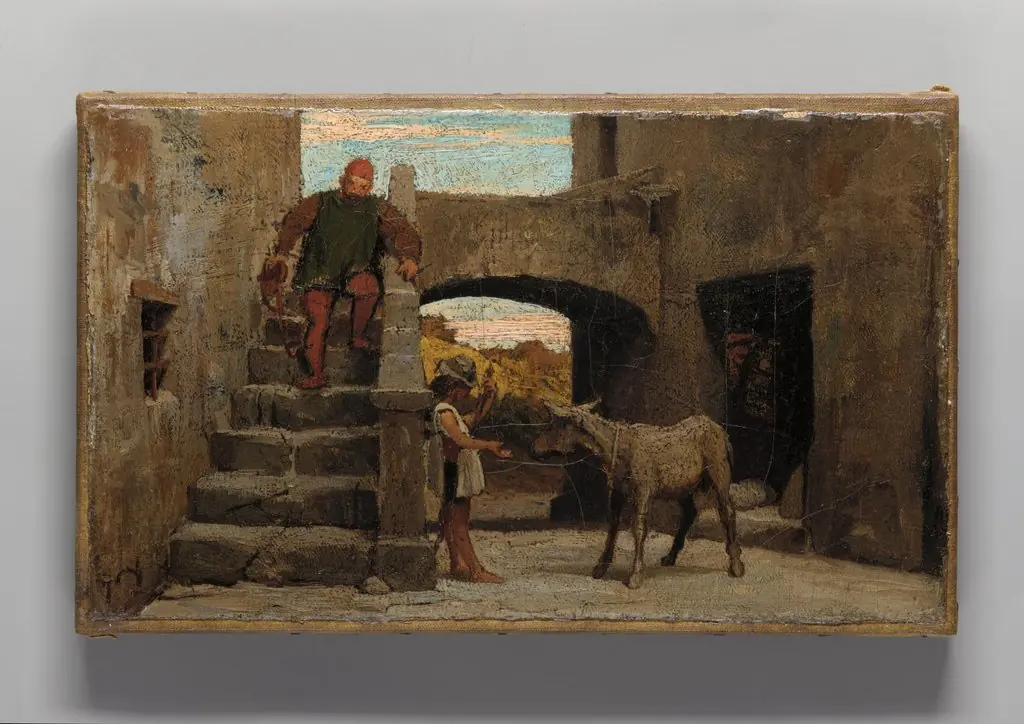 The Fable of the Miller, His Son, and the Donkey
 The African Sentinel
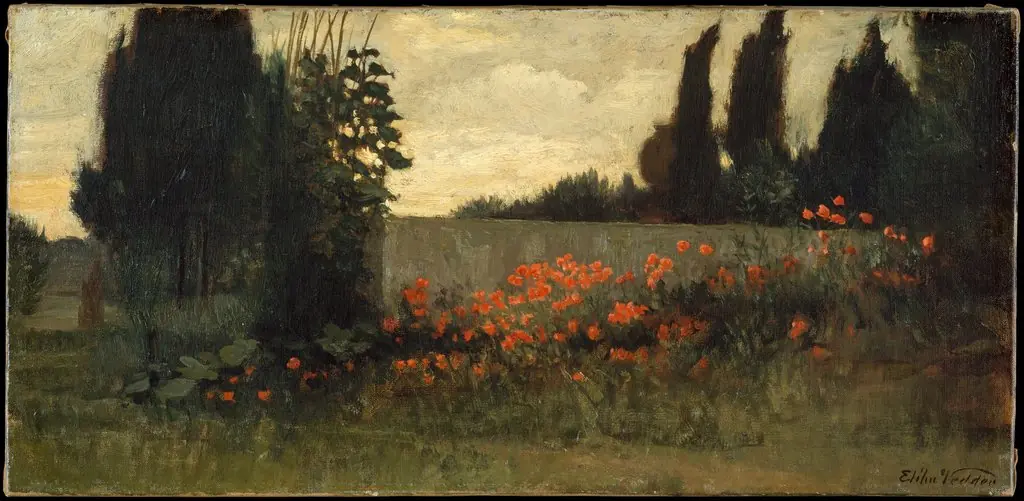 Cypress and Poppies
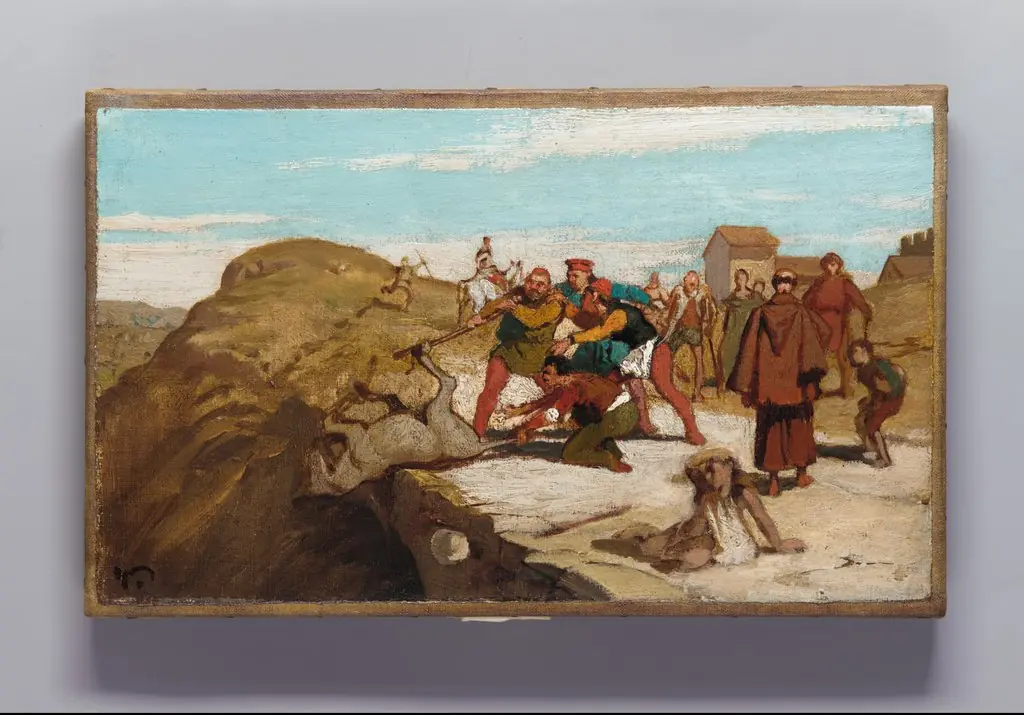 The Fable of the Miller, His Son, and the Donkey
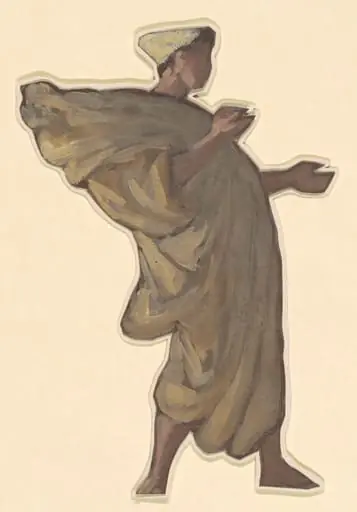 Study for "Greek Girls Bathing"
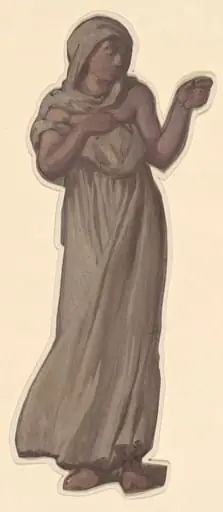 Study for "Greek Girls Bathing"
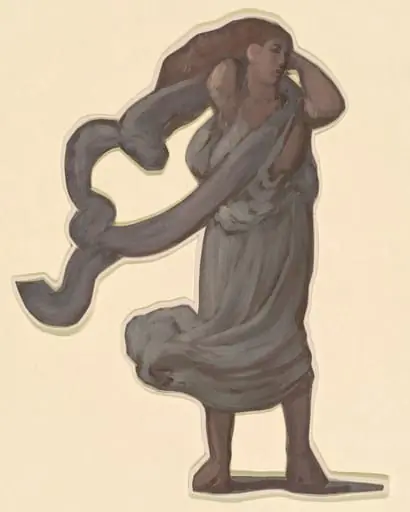 Study for "Greek Girls Bathing"
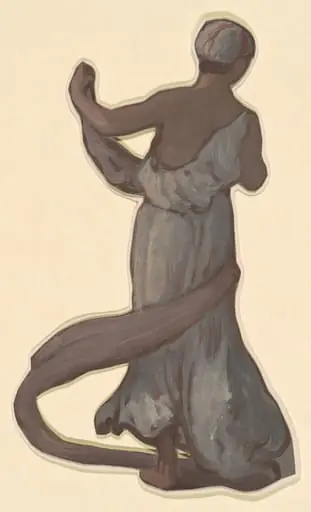 Study for "Greek Girls Bathing"
 Study for "Greek Girls Bathing"
 Study for "Greek Girls Bathing"
 Study for "Greek Girls Bathing"
 Study for "Greek Girls Bathing"
 Study for "Greek Girls Bathing"
 Study for "Greek Girls Bathing"
 Study for "Greek Girls Bathing"
 Study for "Greek Girls Bathing"