Artwork
Untitled
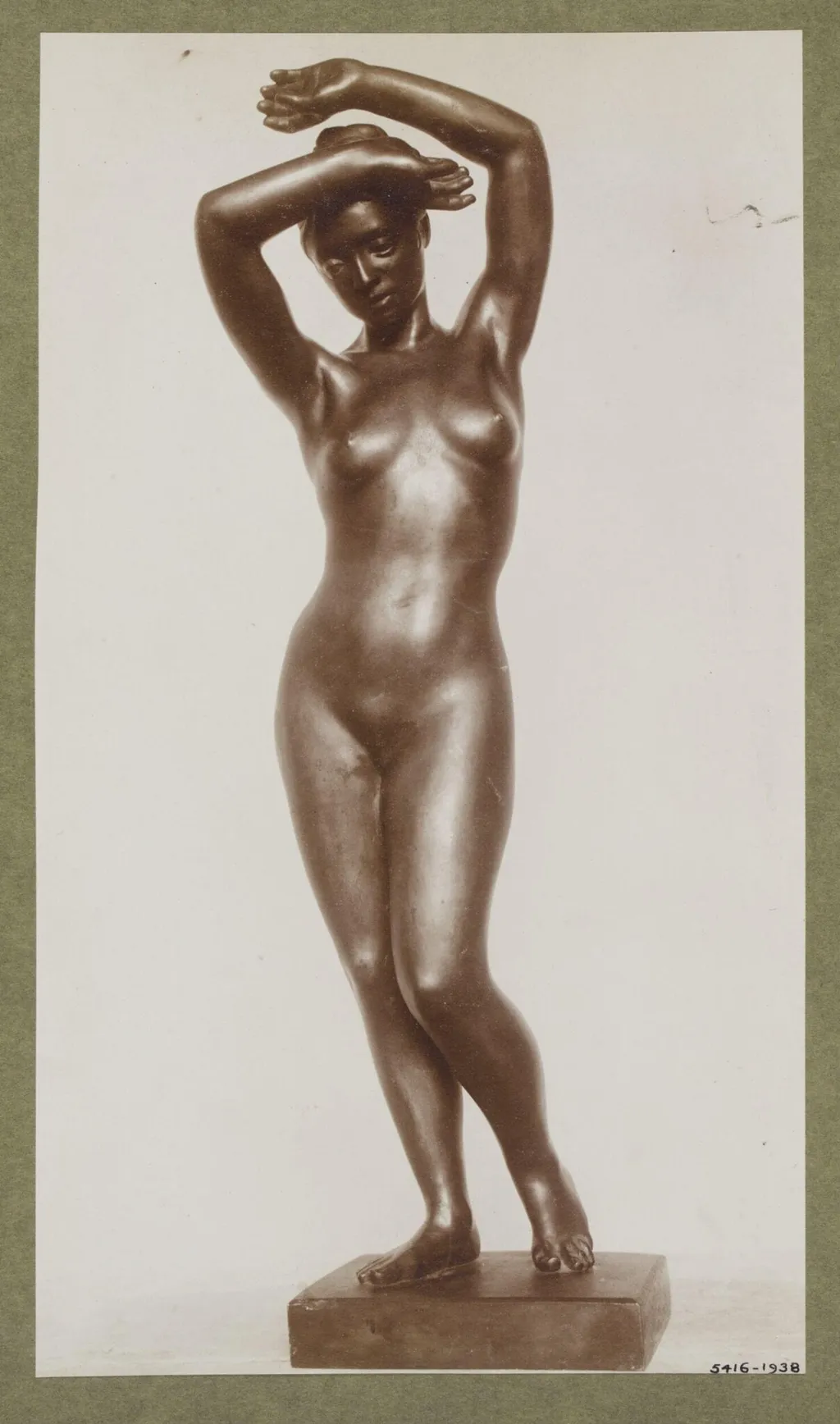
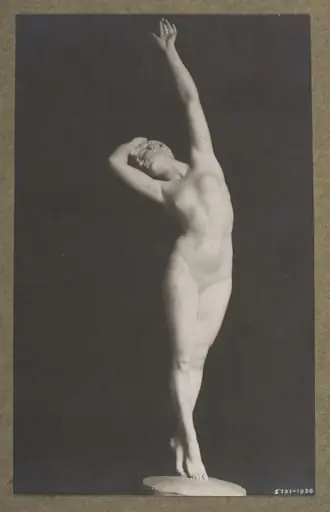
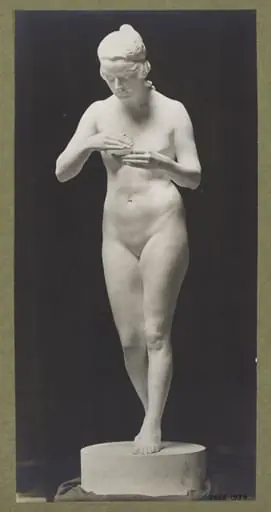
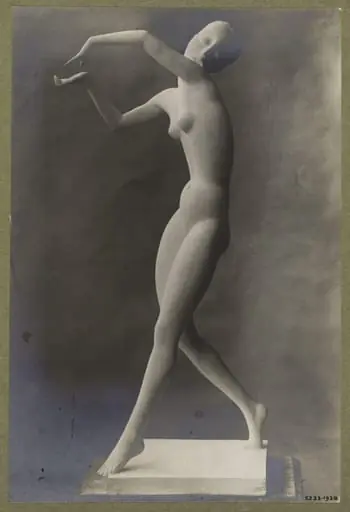
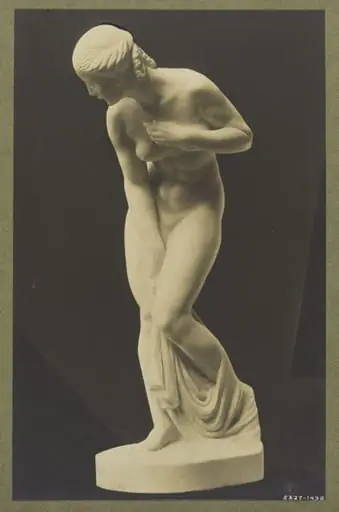
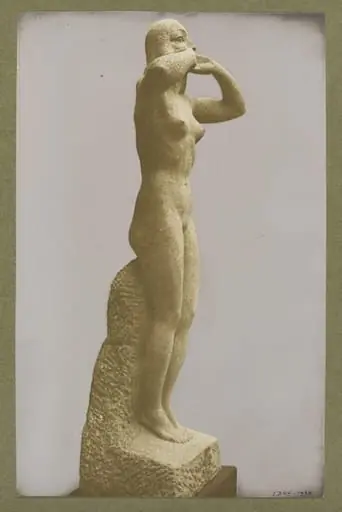
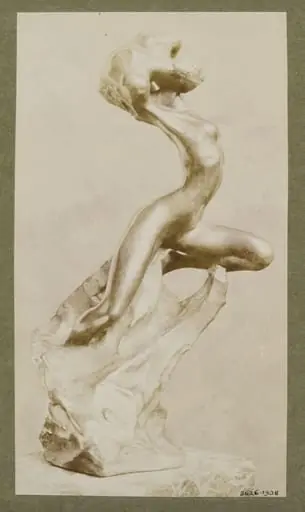
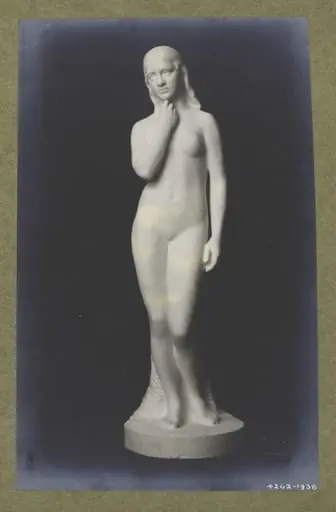
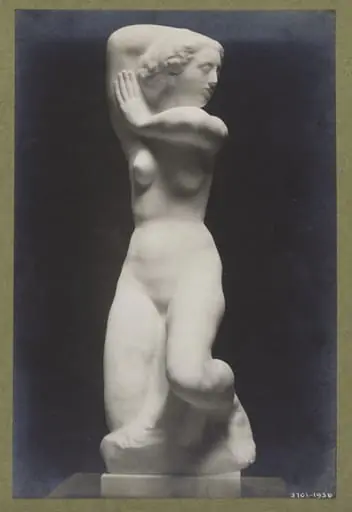
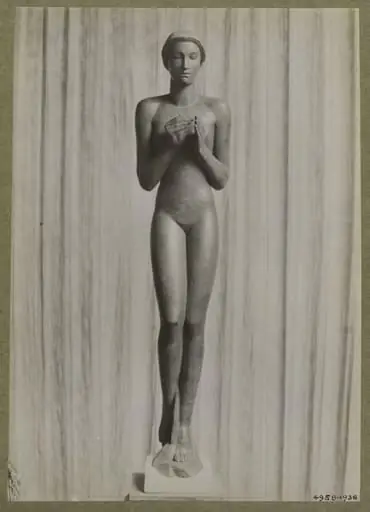
Untitled is a photographic photography by Márk Vedres. It is held in the collection of the Victoria and Albert Museum. The work is a sepia‑toned photograph documenting a bronze nude figure.
About this work
Overview
The work is a sepia‑toned photograph documenting a bronze nude figure. The sculpture depicts a woman poised on a rectangular plinth, her weight shifted onto the right leg while the left foot turns outward. Arms are lifted above the head, hands placed behind, and the gaze is directed downward to the left, rendered with realistic attention to musculature and facial detail.
Subject & Meaning
The figure presents a classical motif of the nude, emphasizing balance and poise through the contrapposto stance. The upward‑raised arms and downward gaze suggest a contemplative or introspective mood, inviting viewers to consider the interplay of physical form and inner sentiment.
Technique & Style
Executed in bronze, the sculpture showcases a high level of realism, evident in the precise rendering of muscle tone and anatomical accuracy. The photograph captures the work in sepia, a tonal choice that softens the metallic surface and evokes a sense of historical documentation.
History & Provenance
The image forms part of a collection donated in 1938 by William Kineton Parkes, a novelist, art historian, and librarian noted for his scholarship on sculpture. Parkes gathered responses from sculptors via questionnaires in the 1920s, and this photograph was among the materials he received, now housed in the Archive of Art and Design.
Context
The photograph serves as visual evidence of the sculptural survey conducted by Parkes, reflecting broader efforts in the early twentieth century to catalogue contemporary sculptural practice. It situates the work within a network of artists responding to Parkes’s inquiry, illustrating prevailing aesthetic concerns of the period.
Artist & collection
Artist
Márk Vedres carried a twin-lens Rolleiflex everywhere he went, so his photos feel like snapshots you might take yourself—except his are always slightly off, a little too close, or a little too tilted.