Artwork
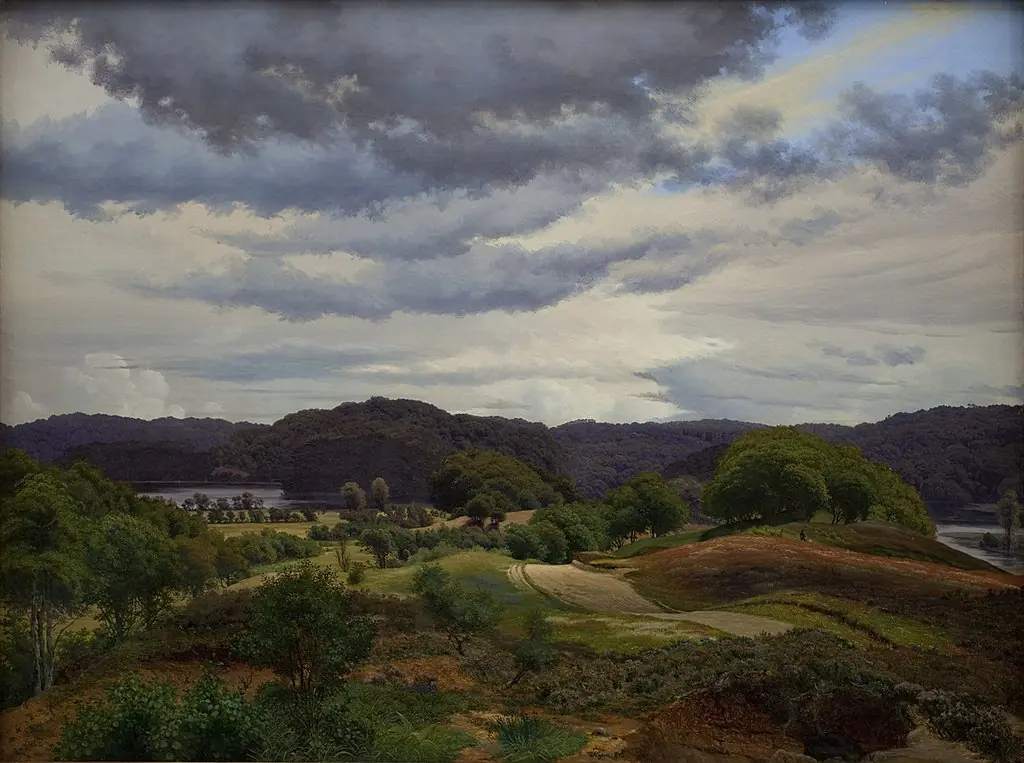
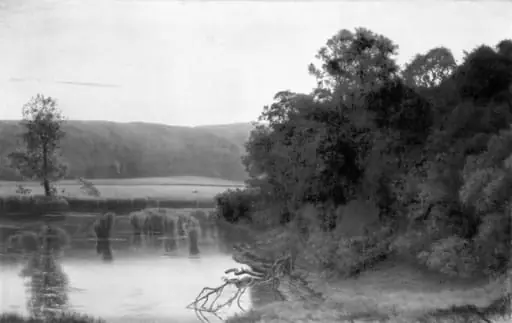
Landskab nær Åkjær lige efter solnedgang
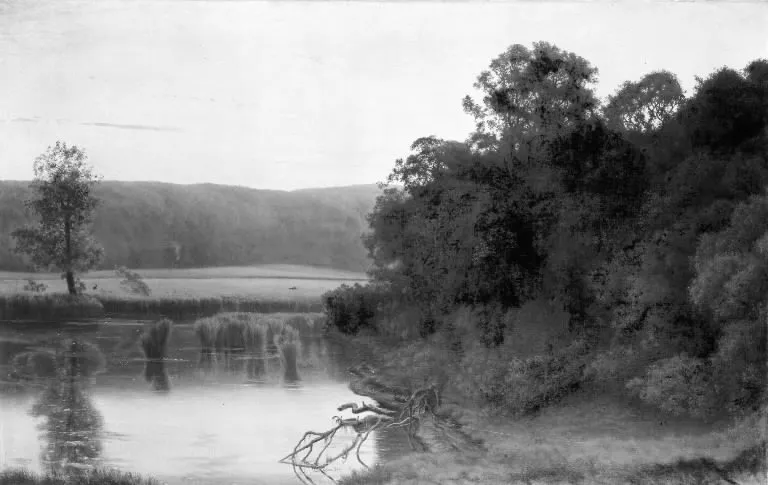
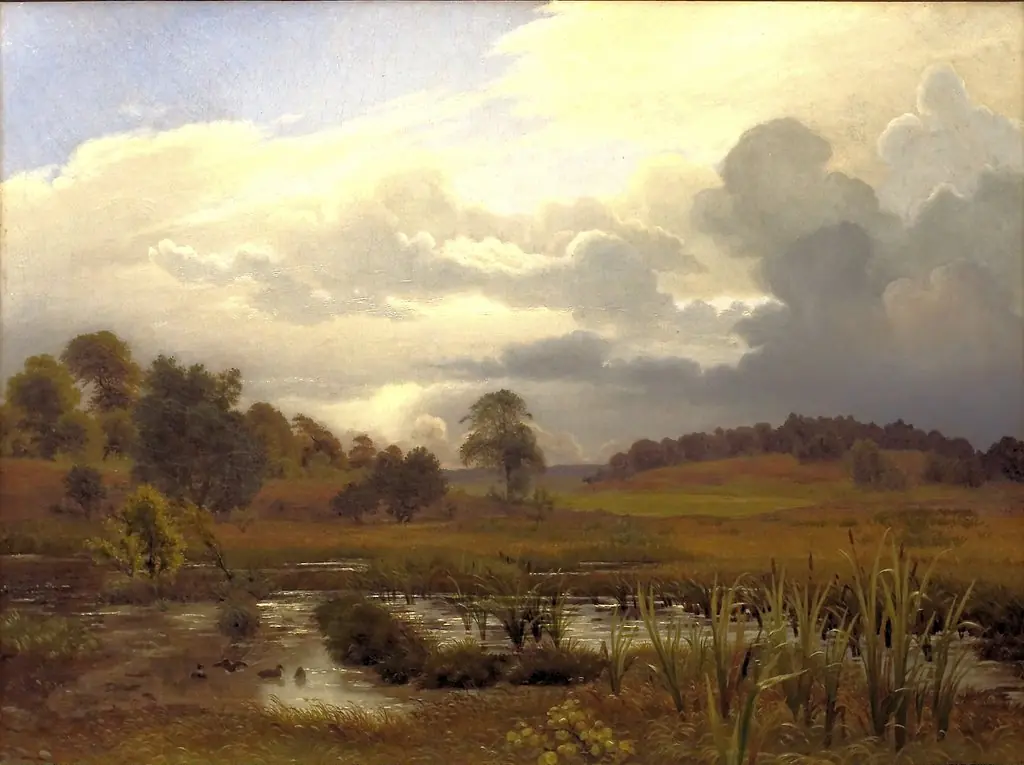
Landskab nær Åkjær lige efter solnedgang is an oil painting by the Post-Impressionist artist Vilhelm Kyhn. It dates from 1898 and is held in the collection of the Statens Museum for Kunst.
About this work
Overview
His work reflects a sustained commitment to observing nature directly, with attention to atmospheric conditions and subtle shifts in light.
Painted in 1898, this oil landscape by Vilhelm Kyhn captures a quiet moment near Åkjær shortly after sunset. Kyhn, a Danish artist born in 1819, maintained a traditional approach to landscape painting even as modern movements emerged around him. His work reflects a sustained commitment to observing nature directly, with attention to atmospheric conditions and subtle shifts in light. This piece exemplifies his lifelong dedication to recording the Danish countryside with quiet precision.
Subject & Meaning
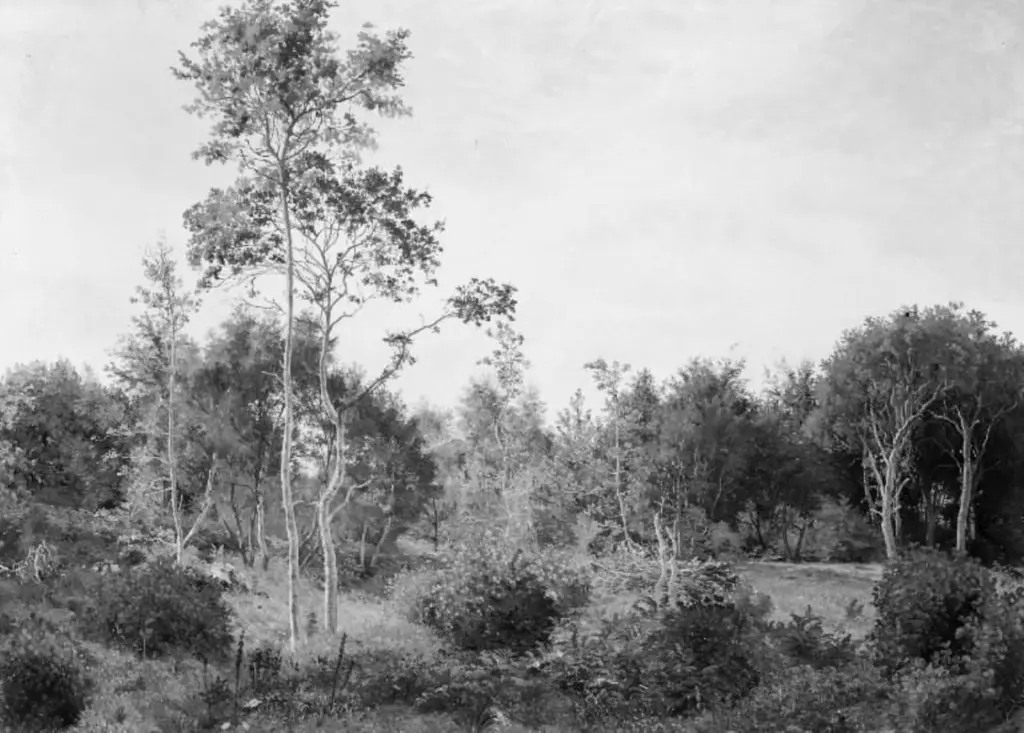
The scene depicts a tranquil pond reflecting the surrounding trees and distant hills, framed by dense undergrowth on the right. There is no human presence, no narrative, only the stillness of twilight. The composition invites contemplation of nature’s quiet rhythms, emphasizing harmony over drama. Kyhn’s choice to focus on this fleeting moment after sunset suggests an interest in the ephemeral qualities of light and atmosphere, rooted in observation rather than symbolism.
Technique & Style
Kyhn employed oil paint with restrained brushwork, favoring muted tones of olive green, ochre, and gray-brown to convey the dimming light. Details are rendered with care but without theatricality—leaves, water ripples, and distant contours are suggested rather than exaggerated. The surface is smooth, with no visible impasto, reinforcing the calm mood. His technique aligns with 19th-century Danish realism, prioritizing accuracy and tonal harmony over expressive brushstrokes or color experimentation.
History & Provenance
Created in the final decades of Kyhn’s career, this painting belongs to a body of work produced during his mature period, when he had already established himself as a respected figure in Danish art. Though not widely exhibited internationally, his landscapes were collected domestically and used in educational contexts. Kyhn’s role as a teacher, including founding one of Denmark’s first art schools for women, contributed to the painting’s cultural resonance within national art circles.
Context
While contemporaries like the Skagen painters embraced impressionist light and color, Kyhn remained anchored in the traditions of the Danish Golden Age. His work emerged during the Modern Breakthrough, a period of social and artistic change, yet he resisted avant-garde trends. This painting reflects a conservative but deeply felt engagement with landscape as a subject worthy of patient, reverent study—a stance that positioned him as a bridge between generations rather than a revolutionary.
Legacy
Kyhn’s influence extended beyond his own canvases through his teaching, notably mentoring women artists at a time when access to formal art education was limited. While his landscapes are not central to international modernist narratives, they remain valued in Denmark for their sincerity and technical discipline. This painting, like others in his oeuvre, preserves a quiet record of rural Denmark at the turn of the century, appreciated for its unembellished observation of place.
Artist & collection
Artist
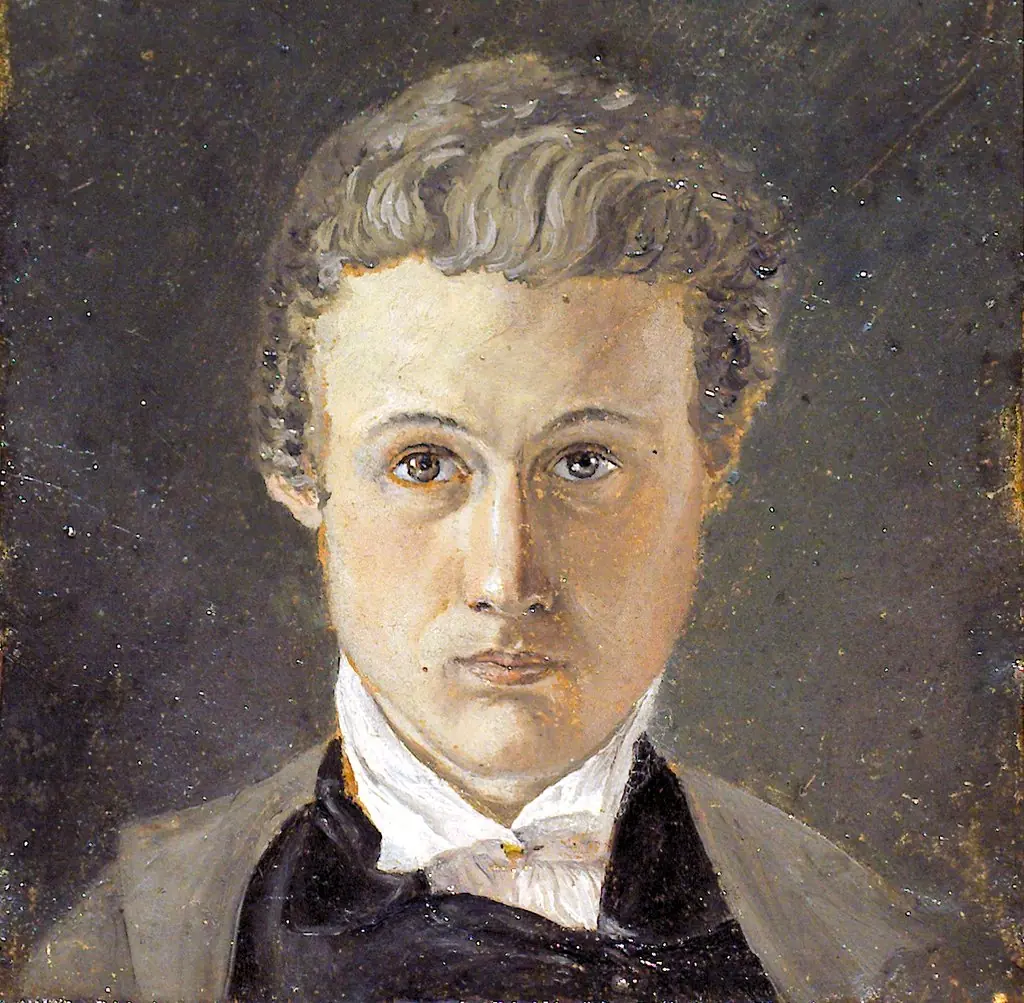
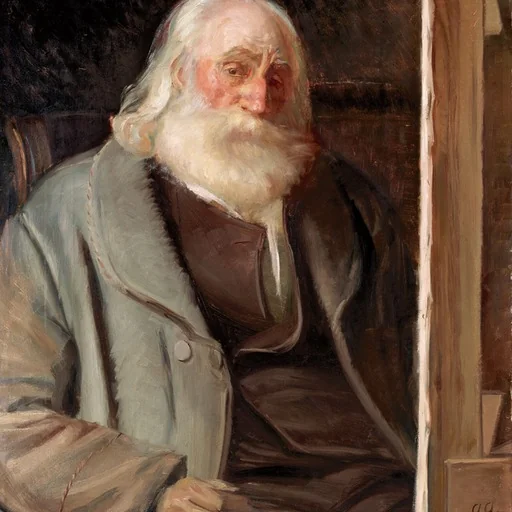
Peter Vilhelm Carl Kyhn (March 30, 1819 – May 11, 1903) was a Danish landscape painter who belonged to the generation of national romantic painters immediately after the Danish Golden Age and before the Modern Breakthrough.