Artwork
H Beard Print Collection
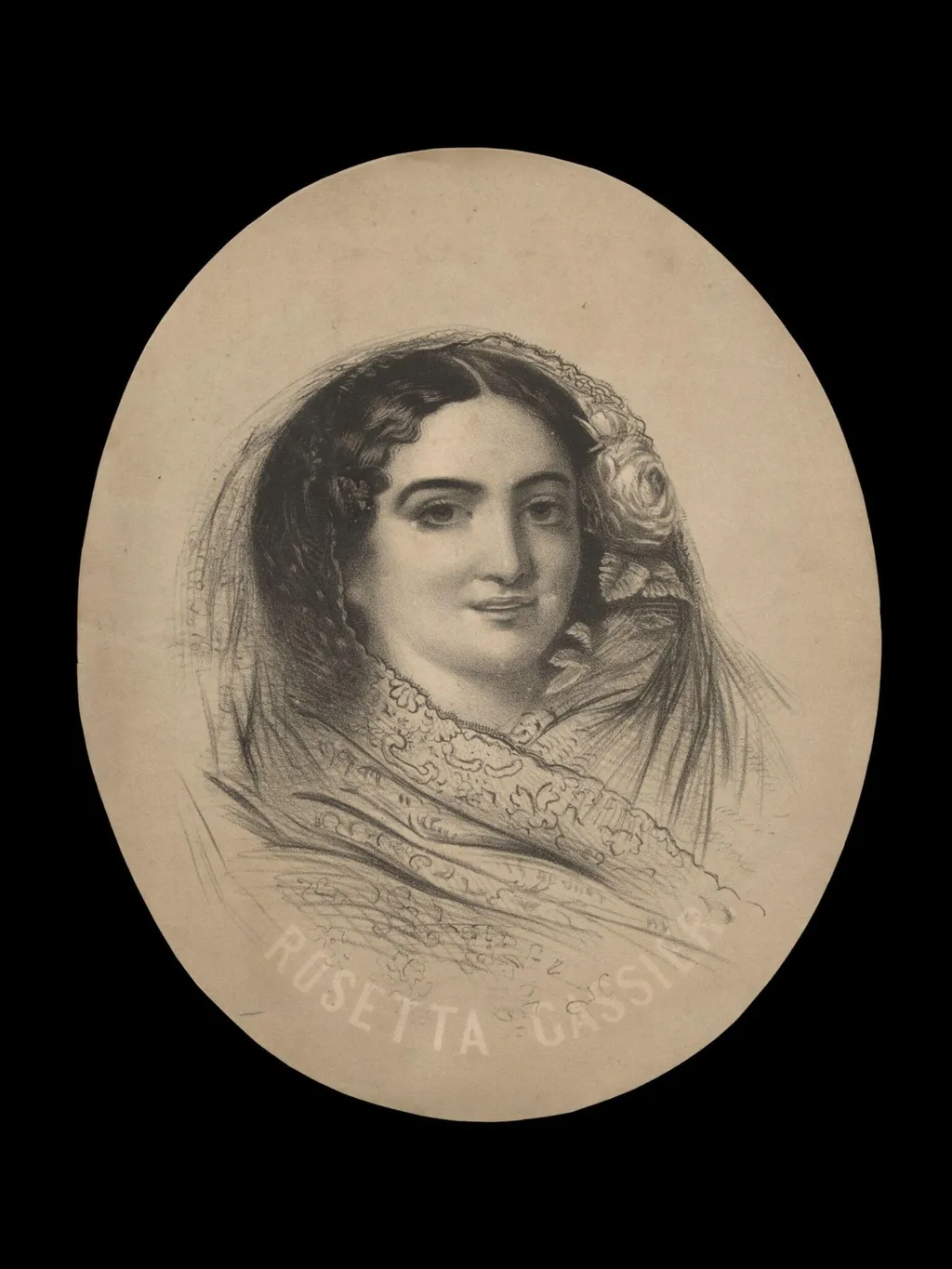
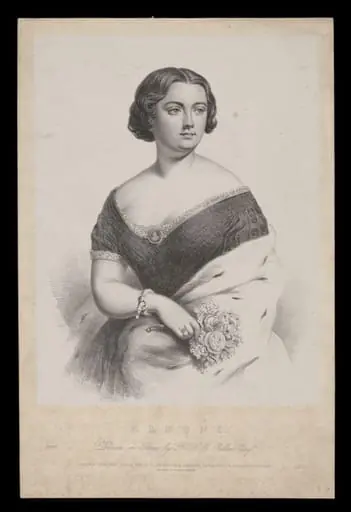
H Beard Print Collection is a print by Day & Son Vincent Brooks. It dates from 1850 and is held in the collection of the Victoria and Albert Museum. This mid-19th-century print depicts Pepita, also known as Rosetta Cassier, a performer of the era.
About this work
Overview
This mid-19th-century print depicts Pepita, also known as Rosetta Cassier, a performer of the era.
This mid-19th-century print depicts Pepita, also known as Rosetta Cassier, a performer of the era. Produced by the London firm Vincent Brooks, Day & Son and published by Cramer Beale & Chappell, it belongs to the Harry Beard Print Collection, a curated assemblage of theatrical and popular imagery from the period. The work reflects the era’s interest in capturing public figures through accessible printed media.
Subject & Meaning
Pepita Cassier, a stage performer, is portrayed with formal composure, suggesting her status as a recognized public figure. Her name appears in two forms—Pepita and Rosetta—hinting at possible stage aliases or cultural hybridity common among entertainers of the time. The portrait serves less as personal intimacy and more as a commercial representation, intended for public circulation and recognition.
Technique & Style
Executed in lithography, the print employs fine linework and tonal gradations typical of mid-century British commercial printing. The composition is centered and restrained, emphasizing facial features and modest attire, consistent with the era’s conventions for portraying female performers. The absence of elaborate background or dramatic lighting directs focus to the sitter’s presence.
History & Provenance
The print originates from the Harry Beard Collection, assembled by a 19th-century theatre enthusiast and later donated to the Victoria and Albert Museum. Cramer Beale & Chappell, the publisher, was a minor but active firm in London’s print trade, specializing in theatrical portraits. Vincent Brooks, Day & Son, a well-regarded lithographic studio, produced the image, linking it to broader trends in visual celebrity culture.
Context
During the 1840s–1860s, lithographic portraits of actors and singers became popular commodities, sold in print shops and displayed in homes. Pepita’s image reflects this trend, where performers transitioned from stage to print as cultural icons. The print’s existence underscores the growing intersection of entertainment, commerce, and mass media in Victorian Britain.
Legacy
As part of the Harry Beard Collection, this print contributes to the historical record of 19th-century theatrical culture. While Pepita Cassier herself is not widely remembered today, her portrait survives as evidence of how performers were visually documented and consumed by the public. The work remains a quiet artifact of a transient, commercially driven visual economy.
Artist & collection
Artist
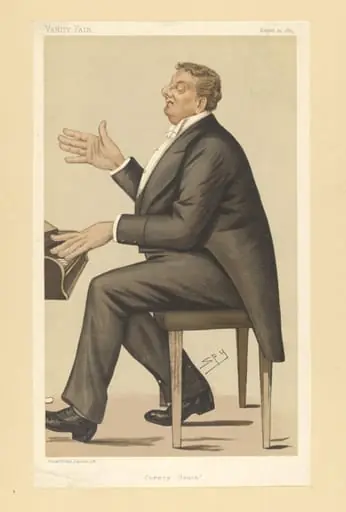
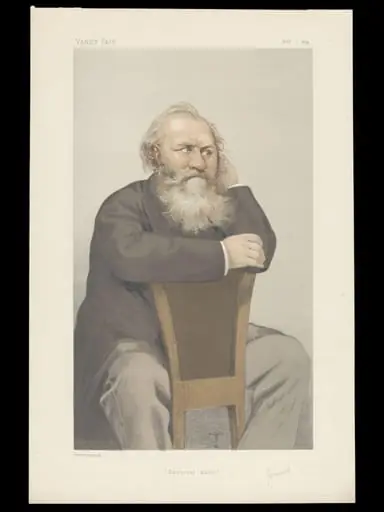
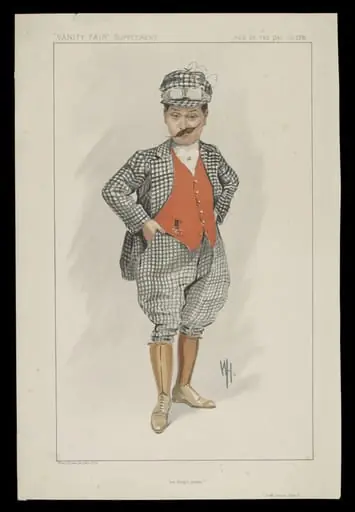
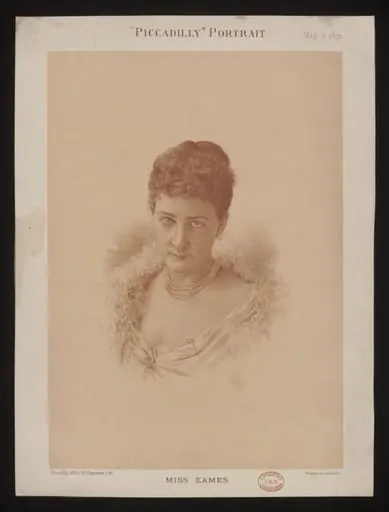
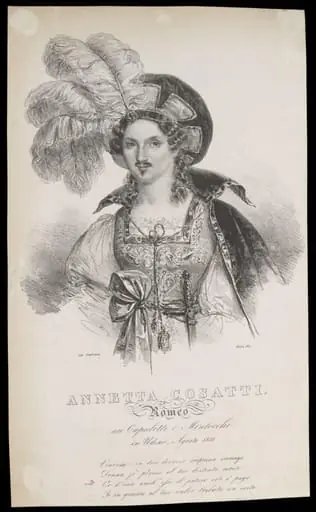
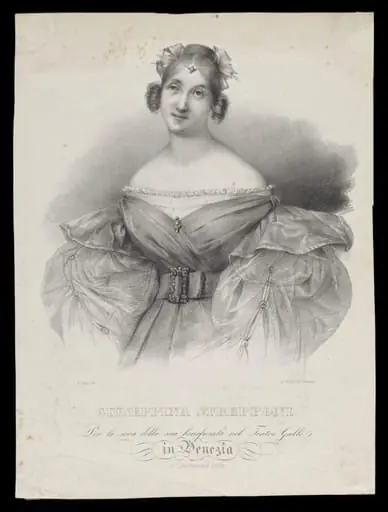
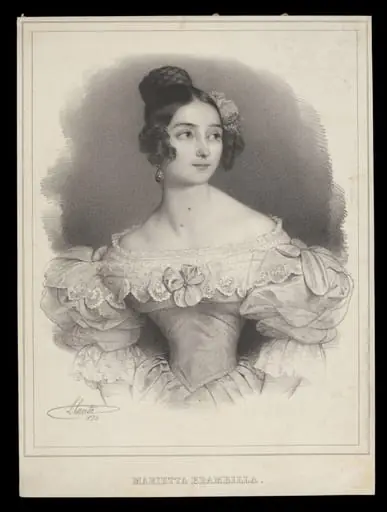
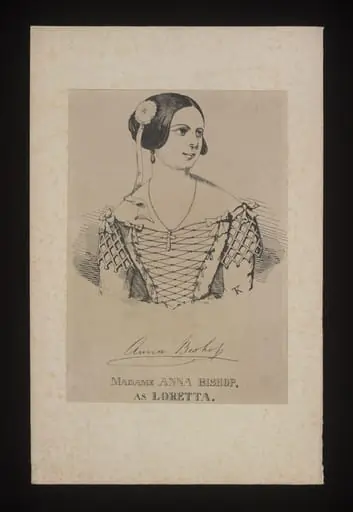
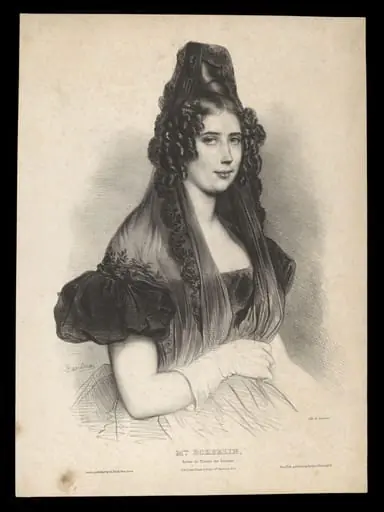
These are 19th-century printed pictures from the H Beard collection, mostly portraits and scenes that look like cartoons.

![H Beard Print Collection, by Ras. [?] Fidanza](https://artifactworldgallery.com/img/ras-fidanza--h-beard-print-collection--16255d31138ee4fe-w320.webp)