Artwork
H Beard Print Collection
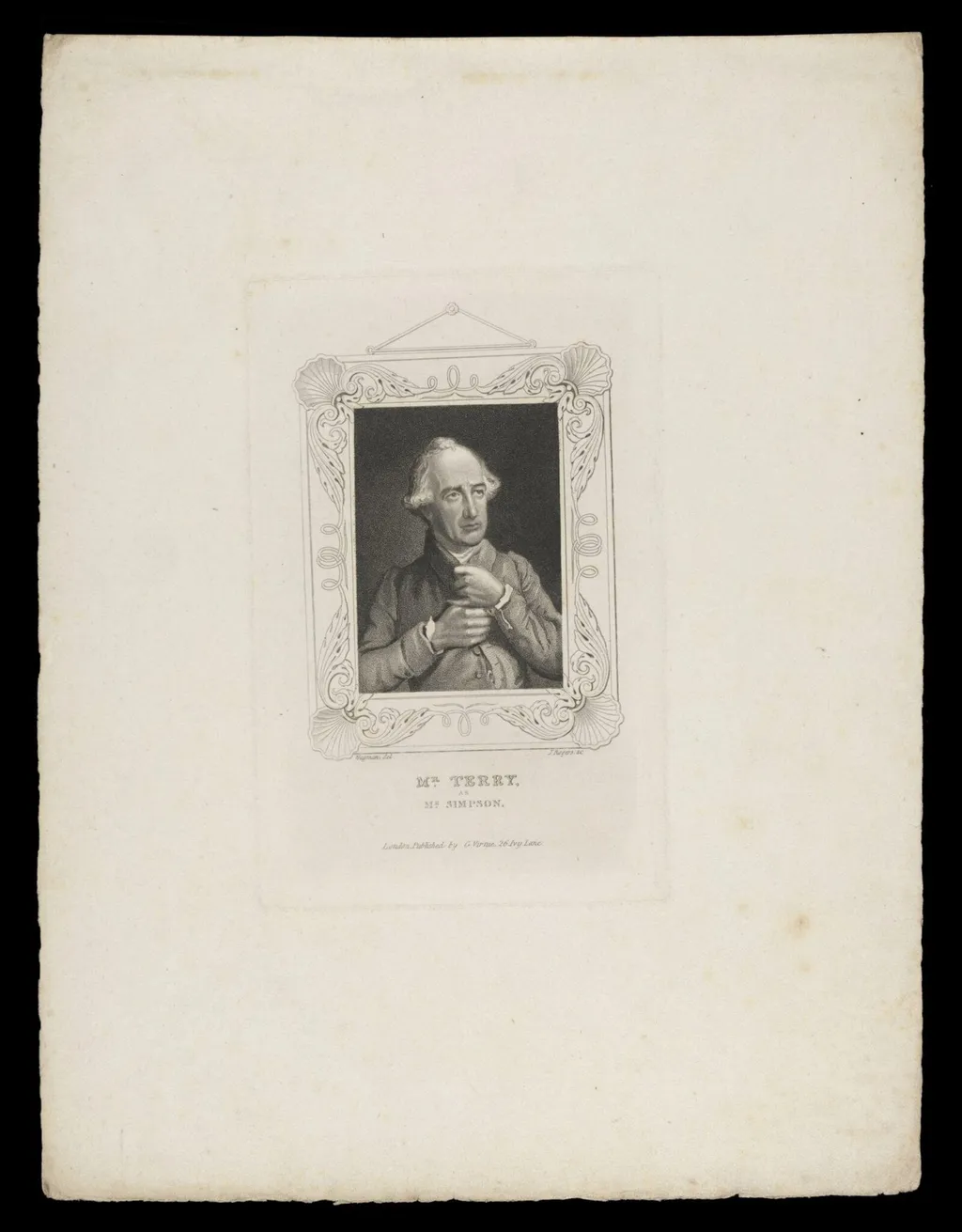
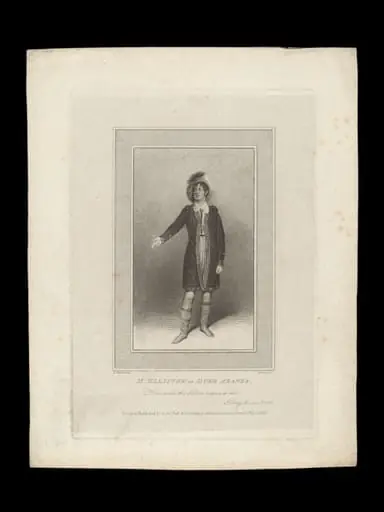
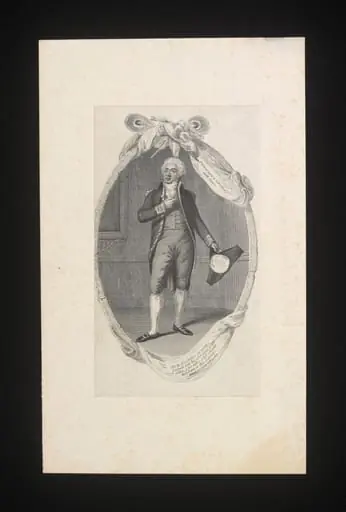
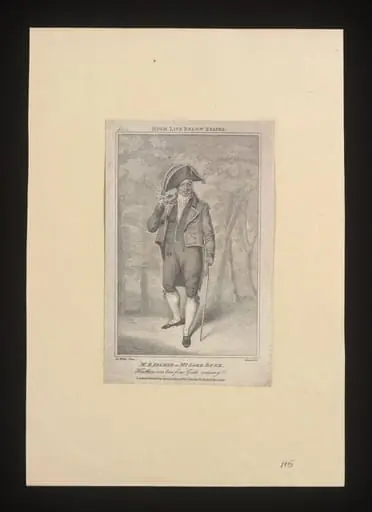
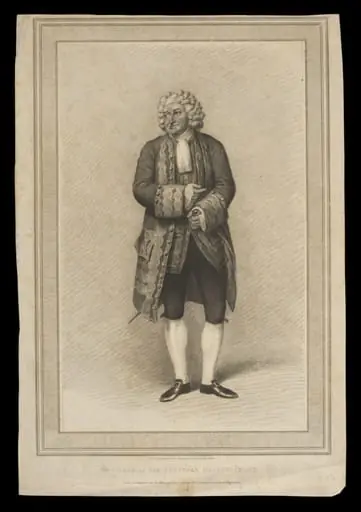
H Beard Print Collection is a print by the Romanticist artist George Virtue. It dates from 1800 and is held in the collection of the Victoria and Albert Museum. This stipple engraving depicts actor Charles Terry portraying the character Mr.
About this work
This is a Romantic-era print. George Virtue made a stipple portrait of a man named Mr. Terry. The man plays a role called Mr. Simpson. He wears an old-style jacket and looks like he’s fastening it.
It was published by G. Virtue in London around 1800–1850. The Harry Beard Collection holds it now.
Check out the Victoria and Albert Museum next.
Overview
The work exemplifies the popular medium of stipple printing, valued for its tonal subtlety in reproducing portraiture.
This stipple engraving depicts actor Charles Terry portraying the character Mr. Simpson, captured mid-motion as he fastens an eighteenth-century jacket. Published by George Virtue in London during the first half of the nineteenth century, the print belongs to the Harry Beard Collection, a significant assembly of theatrical imagery. The work exemplifies the popular medium of stipple printing, valued for its tonal subtlety in reproducing portraiture.
Subject & Meaning
The subject, Charles Terry, was known for his stage performances in character roles. Here, he embodies Mr. Simpson, a figure likely drawn from contemporary comedy or drama. The gesture of fastening the period jacket suggests a moment of transition or preparation, reinforcing the theatrical context. The image does not aim for grandeur but rather captures a relatable, humanizing detail of performance life.
Technique & Style
Executed in stipple engraving, the print uses fine dots to model form and texture, avoiding bold lines in favor of soft gradations. This technique, favored in the Romantic era for its delicate rendering of skin and fabric, lends a quiet intimacy to the portrait. The background is minimal, focusing attention on the figure’s posture and costume, consistent with the era’s preference for restrained, expressive composition.
History & Provenance
Published by George Virtue, a prominent London print dealer active between 1820 and 1860, the work was part of a broader market for theatrical portraits. It entered the Harry Beard Collection, assembled by a noted English theater enthusiast, and remains part of that archive now held by the Victoria and Albert Museum. The print’s survival reflects the growing interest in documenting stage performance during the Victorian period.
Context
In early nineteenth-century London, theatrical culture flourished, and prints like this served as both souvenirs and promotional tools. Stipple engravings of actors in character were widely circulated among middle-class audiences. This print aligns with a trend of documenting performers not as celebrities, but as interpreters of roles, emphasizing the art of embodiment over personal fame.
Legacy
The print contributes to a visual record of British theater during a period of transition, preserving the appearance and mannerisms of actors in specific roles. As part of the Beard Collection, it aids scholars in studying costume, gesture, and public perception of performance. Its preservation underscores the value placed on ephemeral theatrical moments through the durable medium of print.
Artist & collection
Artist
English printmaker George Virtue worked mainly in the early 1800s, turning out crisp, detailed prints sold by the H Beard firm.