Artwork
Peisaj olandez
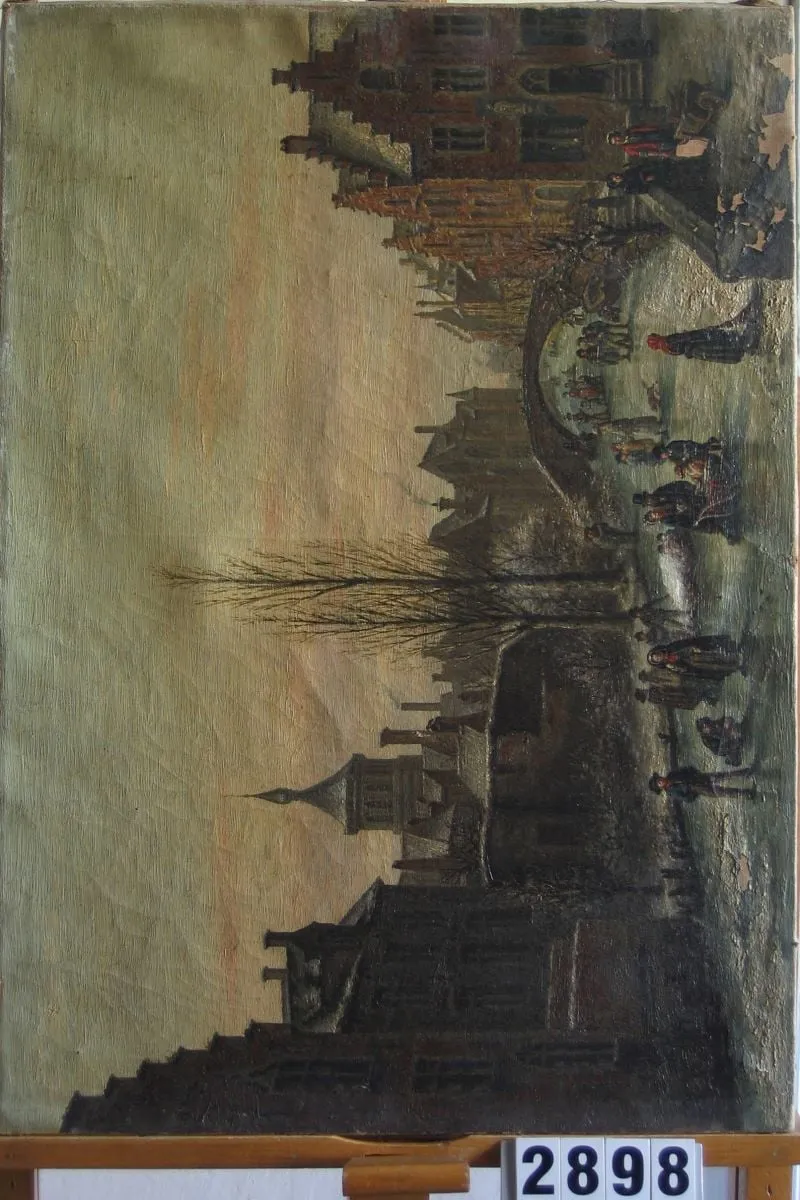
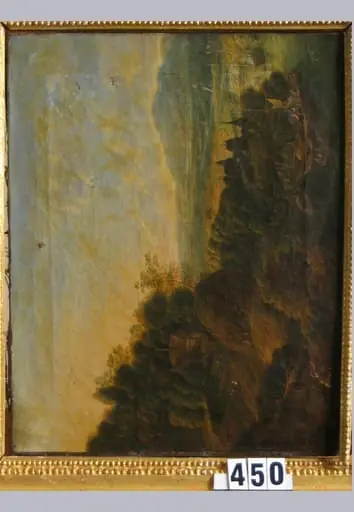
Peisaj olandez is a print by the Impressionist artist Voorlaet, V.. It dates from 1881 and is held in the collection of the Brukenthal National Museum. Created in 1881 by V.
About this work
Overview
The medium suggests a printed image, likely derived from a painted original, reflecting the artist’s engagement with contemporary European landscape traditions.
Created in 1881 by V. Voorlaet, this work is a landscape print depicting a tranquil riverside scene in the Netherlands. It captures a quiet stretch of water flanked by modest buildings, a slender bridge, and trees along the banks. The composition emphasizes stillness and subtle atmospheric effects, with soft transitions between sky, land, and water. The medium suggests a printed image, likely derived from a painted original, reflecting the artist’s engagement with contemporary European landscape traditions.
Subject & Meaning
The scene presents an uneventful, everyday riverside setting, devoid of human activity beyond a few moored boats. There is no narrative or symbolic intent; instead, the focus lies in the observation of light and environment. The stillness of the water and the muted tones suggest a moment of pause, inviting contemplation rather than drama. This quietude aligns with a broader 19th-century interest in ordinary natural settings as worthy subjects for artistic attention.
Technique & Style
The artist employs loose, fluid brushwork and a restrained palette to convey the impression of natural light and air. Colors blend gently, avoiding sharp outlines, while the texture of the surface suggests spontaneity rather than meticulous detail. These qualities reflect the influence of Impressionist methods, particularly in the rendering of atmosphere and the emphasis on transient visual effects. The technique prioritizes sensory perception over precise representation.
History & Provenance
The work dates from 1881, a period when Dutch artists were increasingly influenced by French Impressionism and the plein air movement. While Voorlaet is not widely documented, this piece suggests participation in a broader regional trend of landscape painting that valued direct observation. Its survival as a print implies it may have been reproduced for wider circulation, possibly through private commissions or small-scale publishing efforts of the time.
Context
In the late 19th century, Dutch painters moved away from rigid academic traditions toward more spontaneous depictions of nature. This work fits within that shift, echoing the interests of contemporaries who painted rivers, fields, and villages with an emphasis on light and mood. Though not part of a major artistic circle, it reflects the permeation of Impressionist ideals beyond France, particularly in regions with strong water-based topographies like the Netherlands.
Legacy
The work contributes to a lesser-known strand of Dutch landscape art that embraced Impressionist techniques without adopting their radical social or stylistic innovations. It remains a quiet example of how widespread the movement’s visual language became, even among artists outside its core centers. Its endurance as a printed image suggests modest but sustained local interest in accessible, evocative landscape imagery during the late 1800s.
Artist & collection
Artist
This 19th-century artist made a single print titled Peisaj olandez in 1881. The work shows a quiet Dutch landscape with windmills and canals, a vanishing point that pulls you into the scene. The etching captures the…

 Peisaj
 Vue depuis Fossveien
 Snowstorm
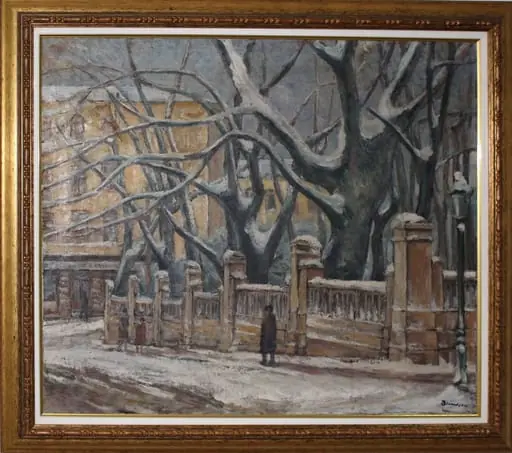 Peisaj de iarnă (Strada Sf. Ionică)
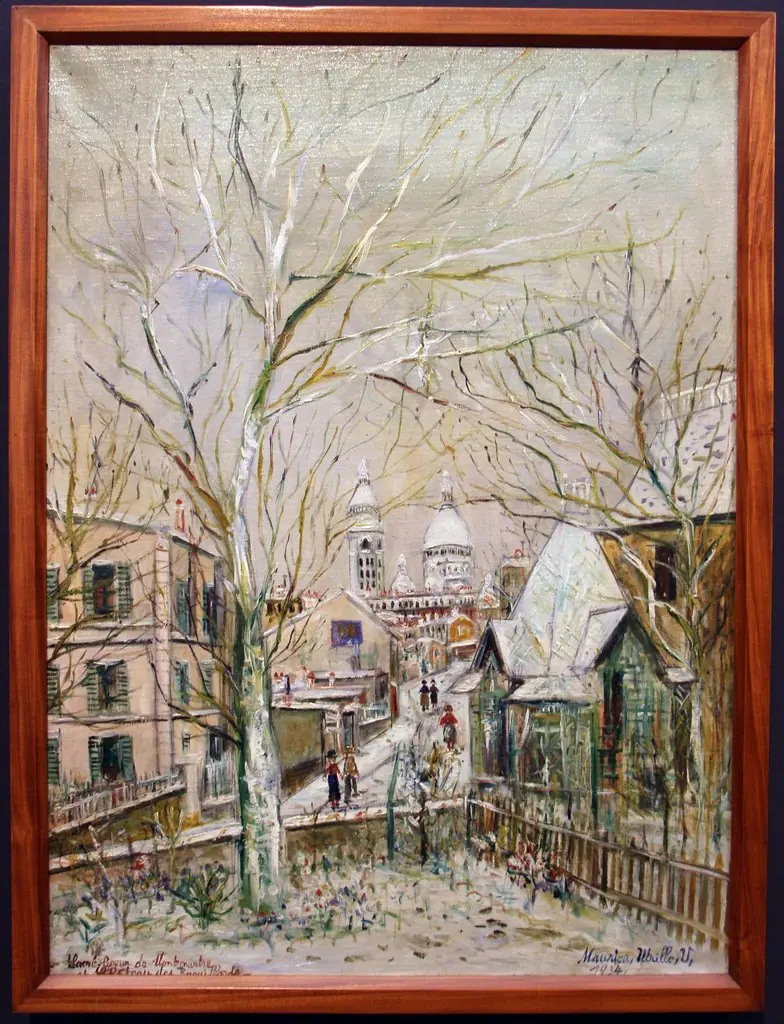 Sacré-Coeur de Montmartre e Château des Brovillards
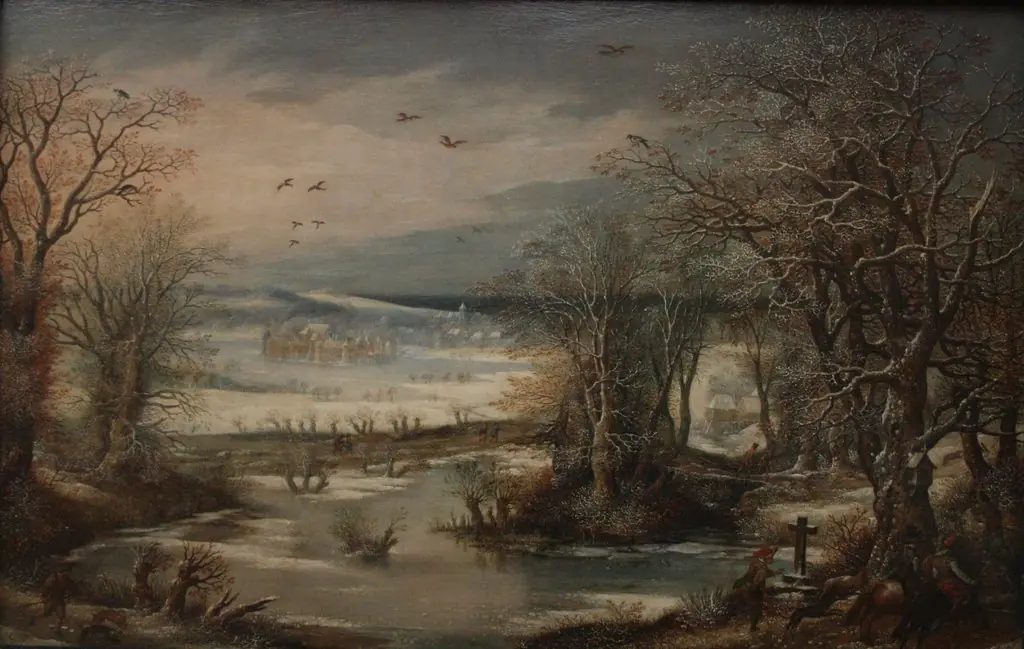 Winter landscape with view on the castle of Tervuren
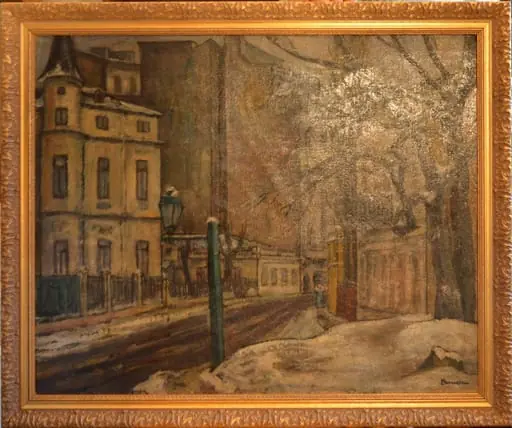 Stradă din București (Str. Lahovary)
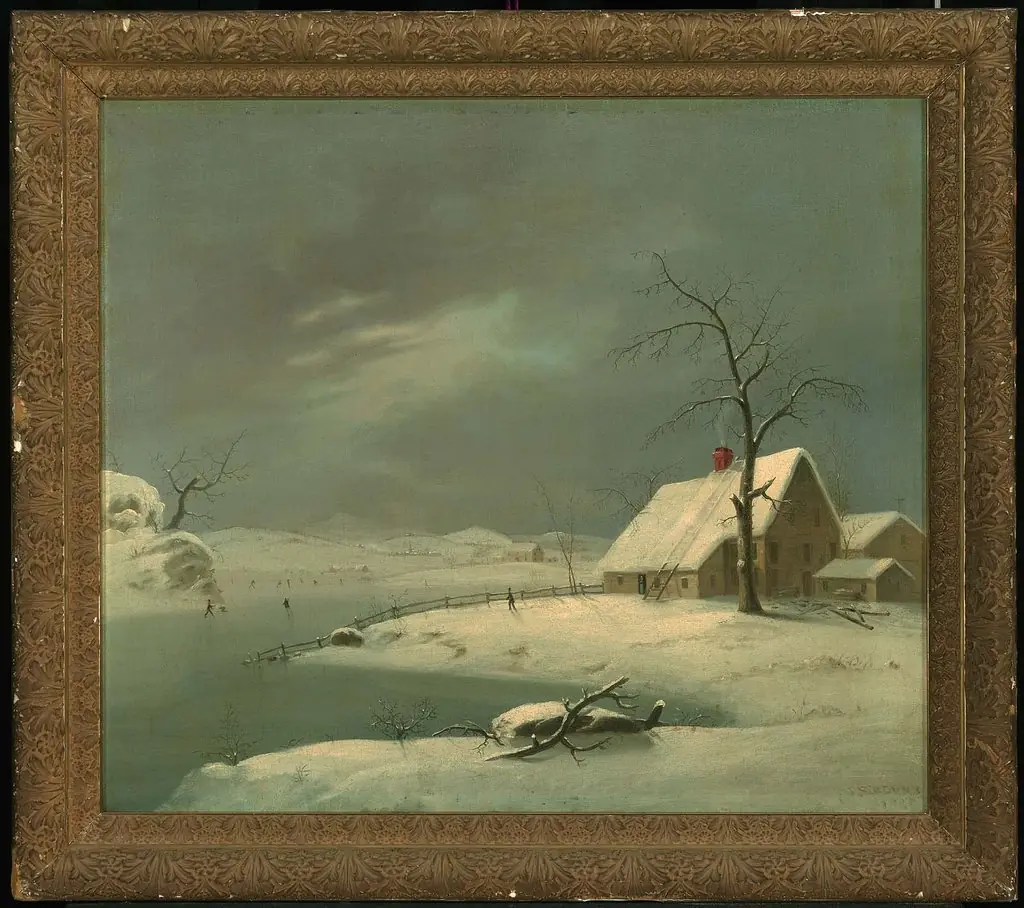 Winter Scene
 Cal.(-ea) Victoriei
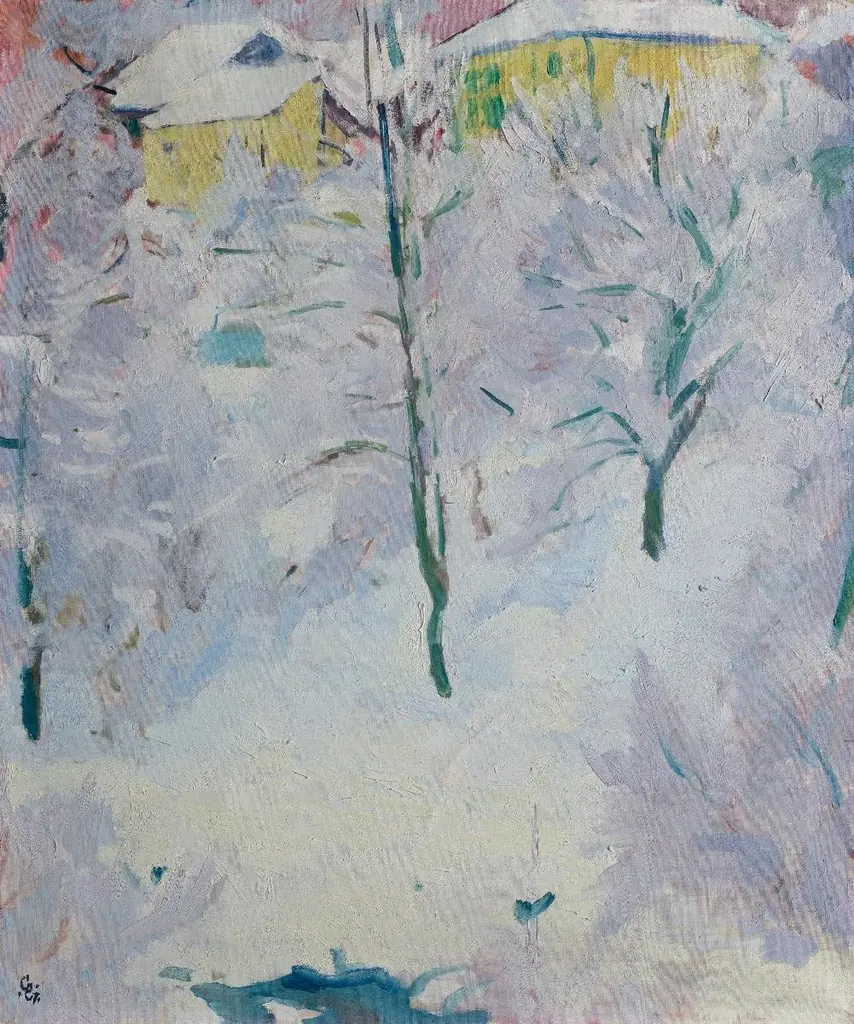 Alberi nella neve
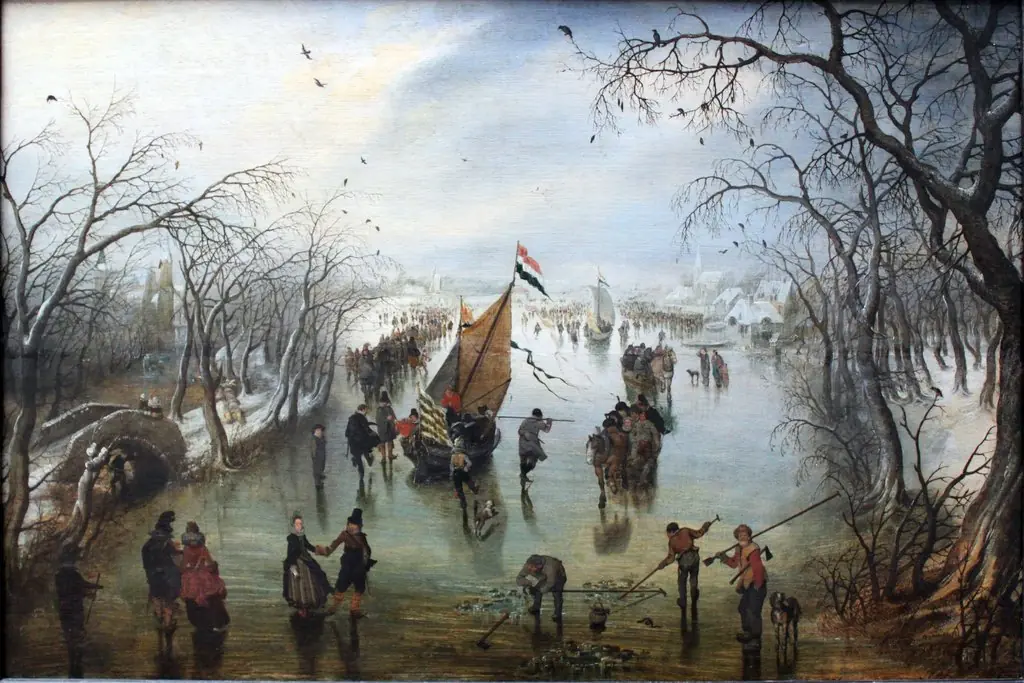 The winter
 Ținutul Rinului cu corăbii (în registrul inventar: Ținutul Rhinului cu corăbieri)