Artwork
The Weaver
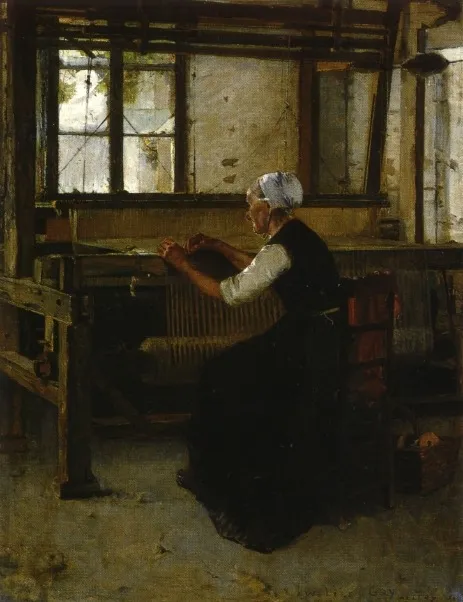
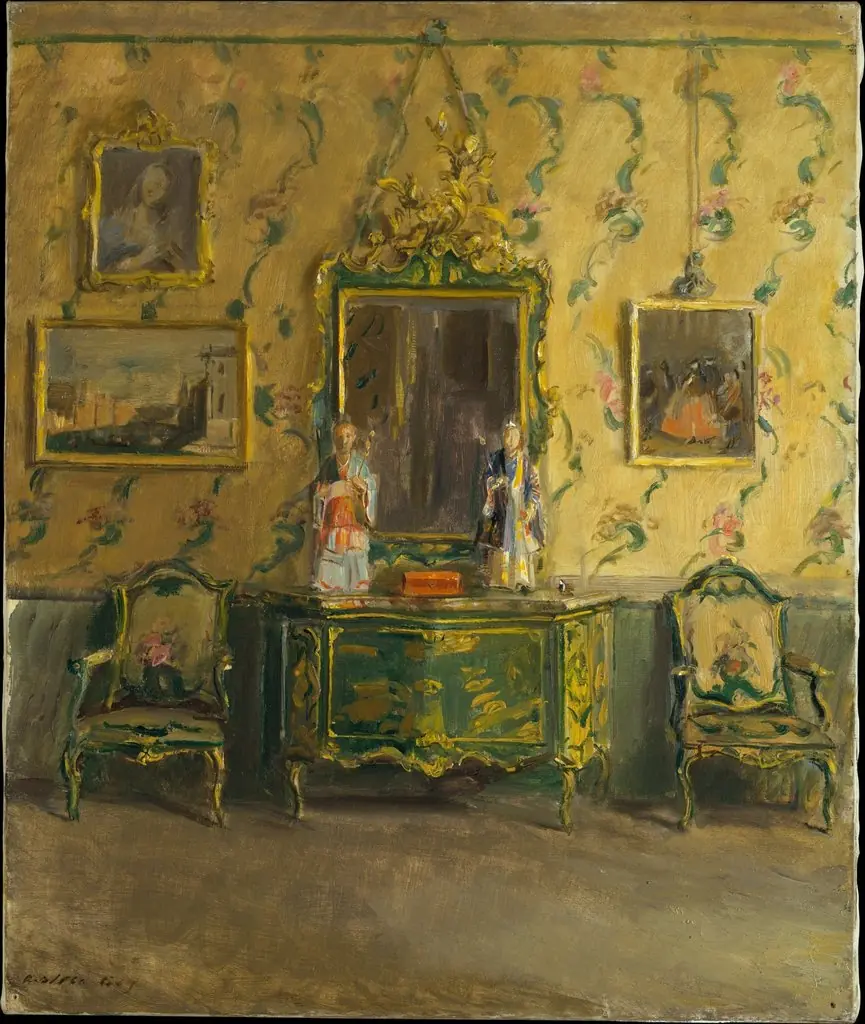
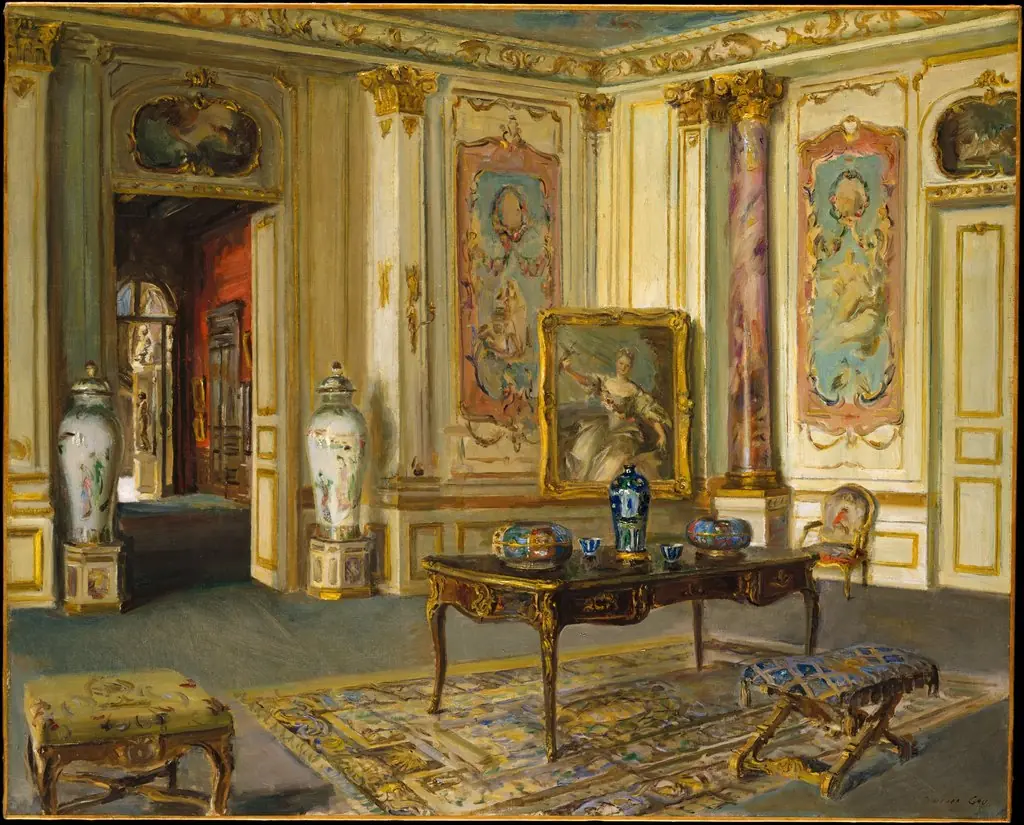
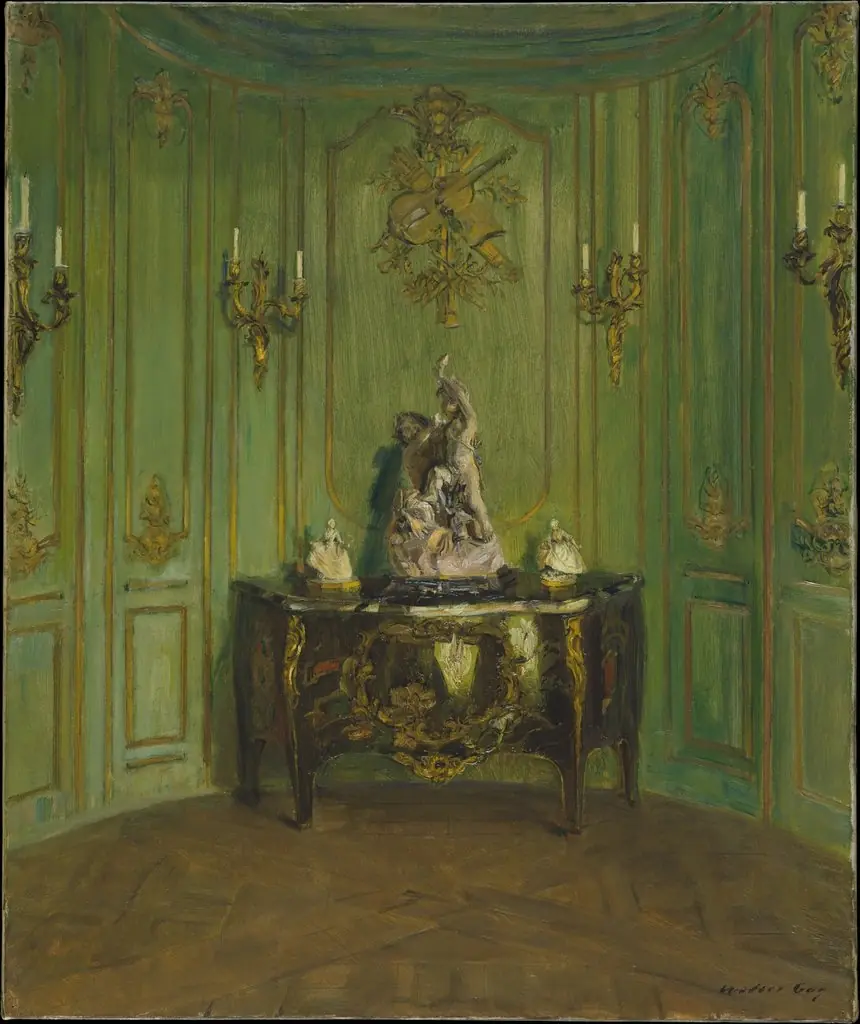
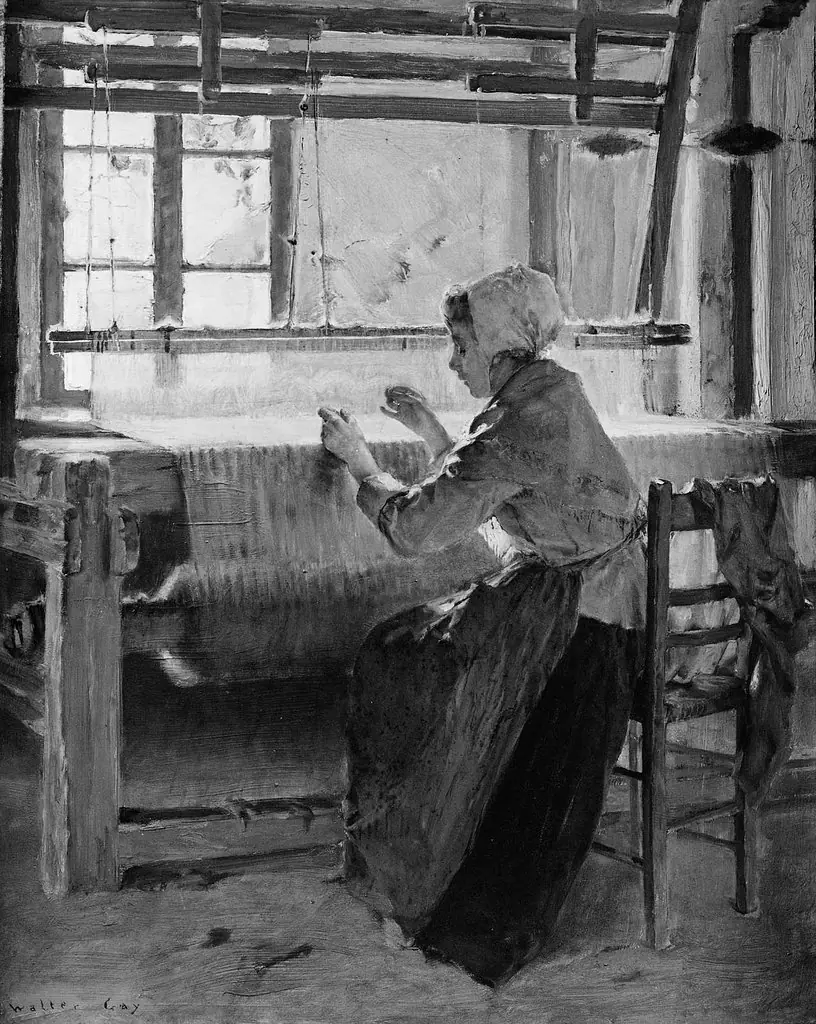
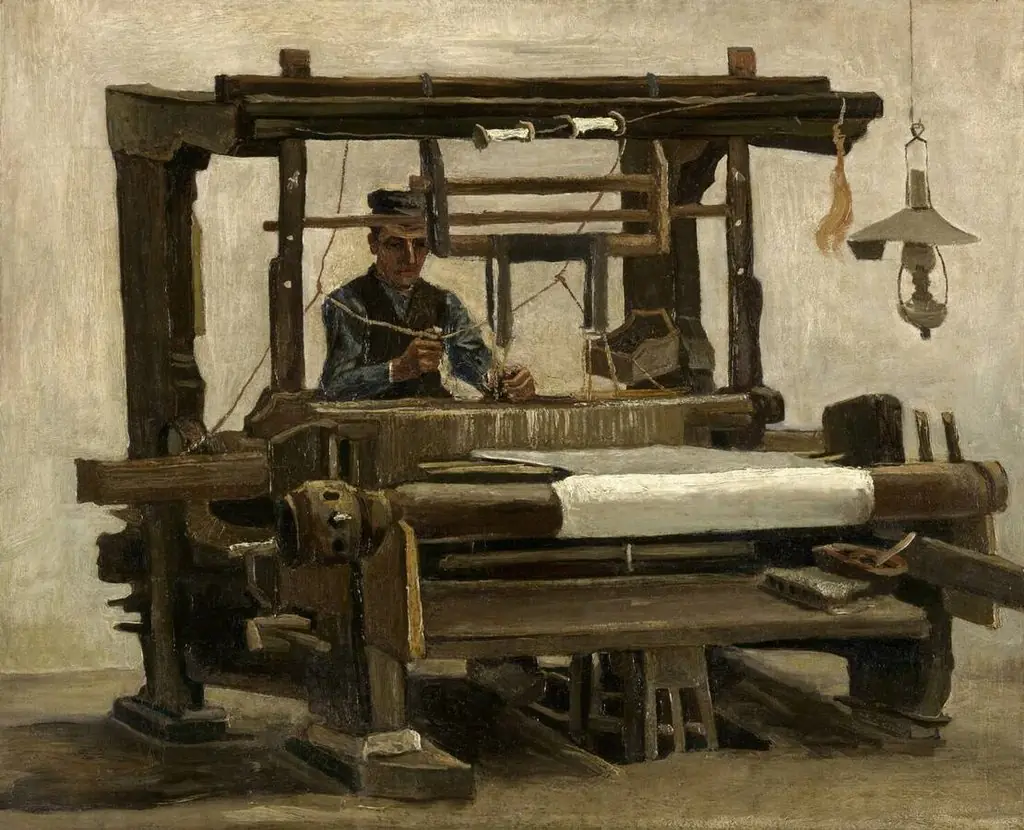
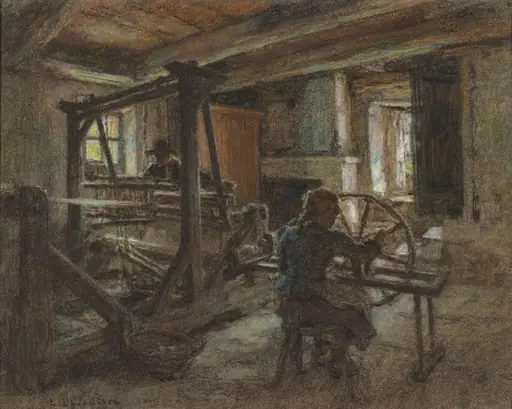
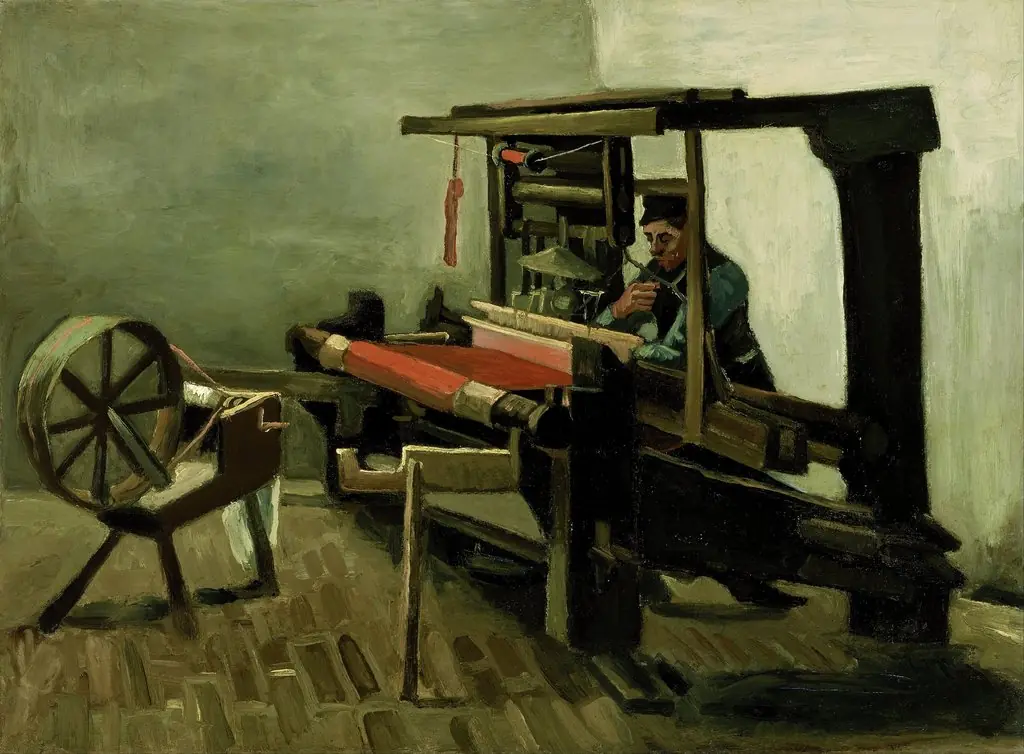
The Weaver is an oil painting by the Impressionist artist Walter Gay. It dates from 1894 and is held in the collection of the Museum of Fine Arts Boston.
About this work
Overview
Painted in 1894, *The Weaver* is an oil on canvas work by American artist Walter Gay, who spent much of his career in France.
Painted in 1894, *The Weaver* is an oil on canvas work by American artist Walter Gay, who spent much of his career in France. The painting belongs to a series of intimate interior scenes capturing rural labor, rendered with quiet precision. It is held in the collection of the Museum of Fine Arts, Boston, and exemplifies Gay’s sustained interest in domestic and artisanal life during the late 19th century.
Subject & Meaning
The painting portrays a female weaver seated at a wooden loom, absorbed in her task. Her simple attire—a dark dress and white head covering—suggests modest means and regional dress. The stillness of her posture and the focused movement of her hands convey dignity in routine labor. The scene avoids sentimentality, instead offering a restrained meditation on the rhythm of manual work and the solitude it entails.
Technique & Style
Gay employs a muted palette and subtle contrasts of light to model form and space. A soft, natural glow enters from a left-facing window, illuminating the weaver’s hands and the woven fabric while leaving the background in gentle shadow. The brushwork is controlled yet fluid, avoiding overt Impressionist fragmentation in favor of a more deliberate, tonal realism that emphasizes texture and atmosphere.
History & Provenance
Walter Gay, an American expatriate, painted *The Weaver* during a period of extended residence in France, where he observed and recorded peasant life. The work entered the Museum of Fine Arts, Boston, in the early 20th century as part of a broader acquisition of American artists working abroad. Its provenance reflects early American interest in European genre painting and the cultural exchange between transatlantic art circles.
Context
In the late 1800s, European and American artists increasingly turned to everyday labor as a subject, moving away from historical or mythological themes. Gay’s focus on weaving aligns with broader trends in Realism and Naturalism, yet his approach remains more contemplative than socially critical. The painting resonates with contemporaneous works by Jules Breton and Jean-François Millet, though with less overt narrative or moralizing.
Legacy
Though not widely exhibited today, *The Weaver* remains a representative example of American artists’ engagement with French rural life in the late 19th century. It reflects a quiet, observational tradition in genre painting that valued atmosphere and quietude over drama. The work continues to be studied for its nuanced handling of light and its understated portrayal of labor, offering insight into the aesthetics of everydayness in Gilded Age art.
Artist & collection
Artist
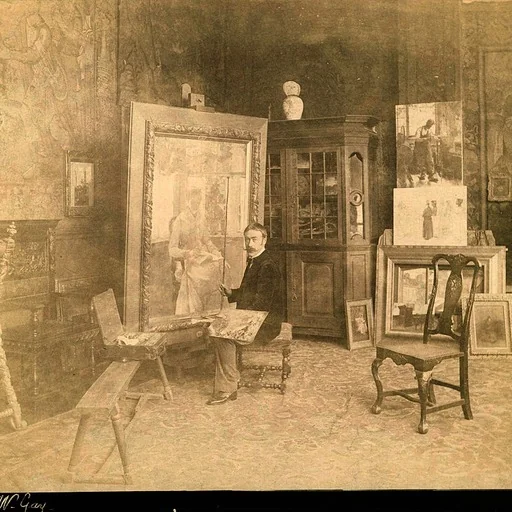
Walter Gay (January 22, 1856 – July 13, 1937) was an American painter noted both for his genre paintings of French peasants, paintings of opulent interior scenes and was a notable art collector.