Artwork
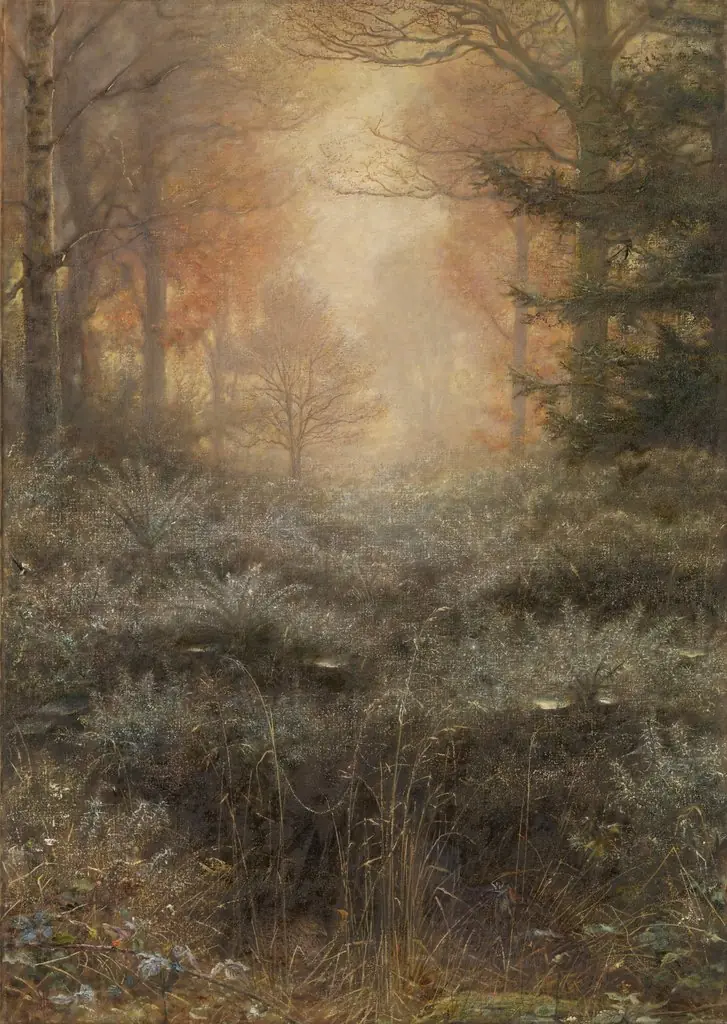
A Winter Morning, Hoar Frost Melting
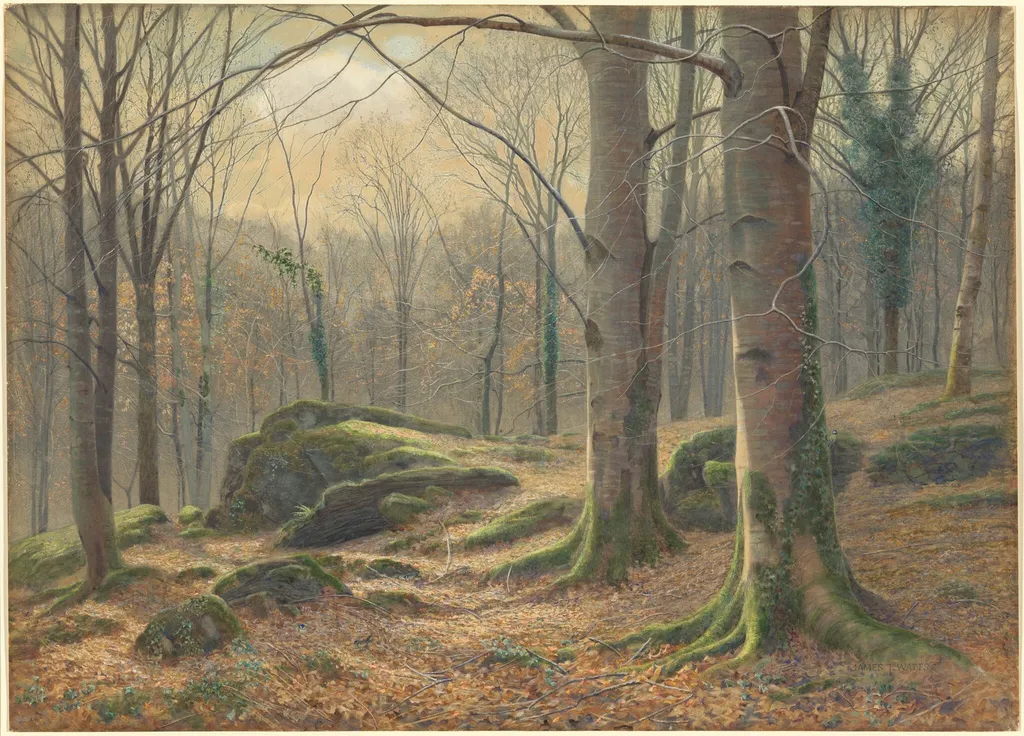
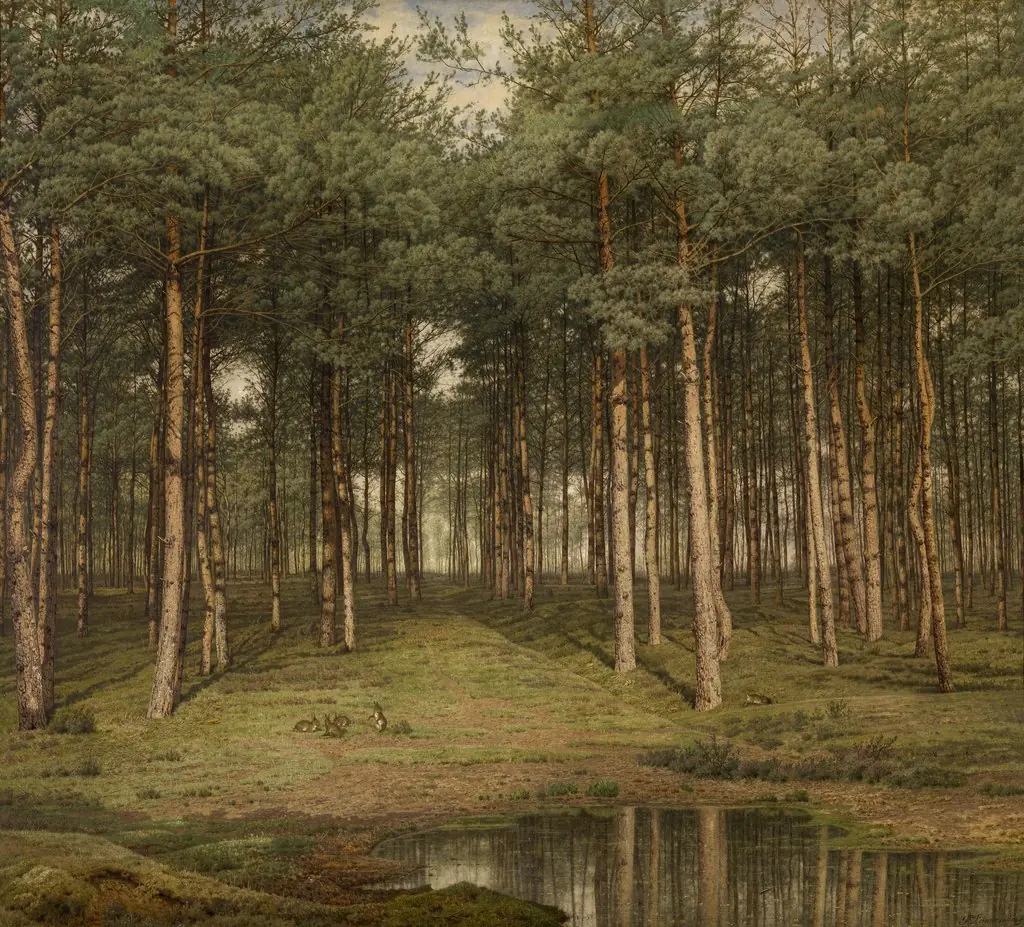
A Winter Morning, Hoar Frost Melting is a gouache drawing by the Impressionist artist James Thomas Watts. It dates from 1892 and is held in the collection of the National Gallery of Art.
About this work
Overview
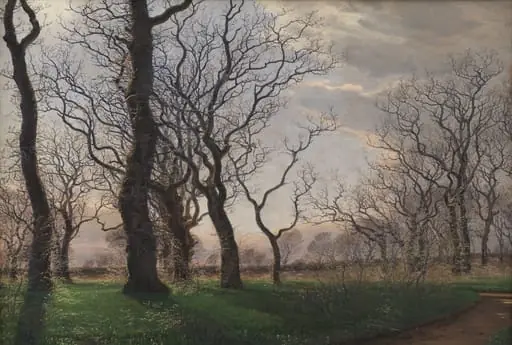
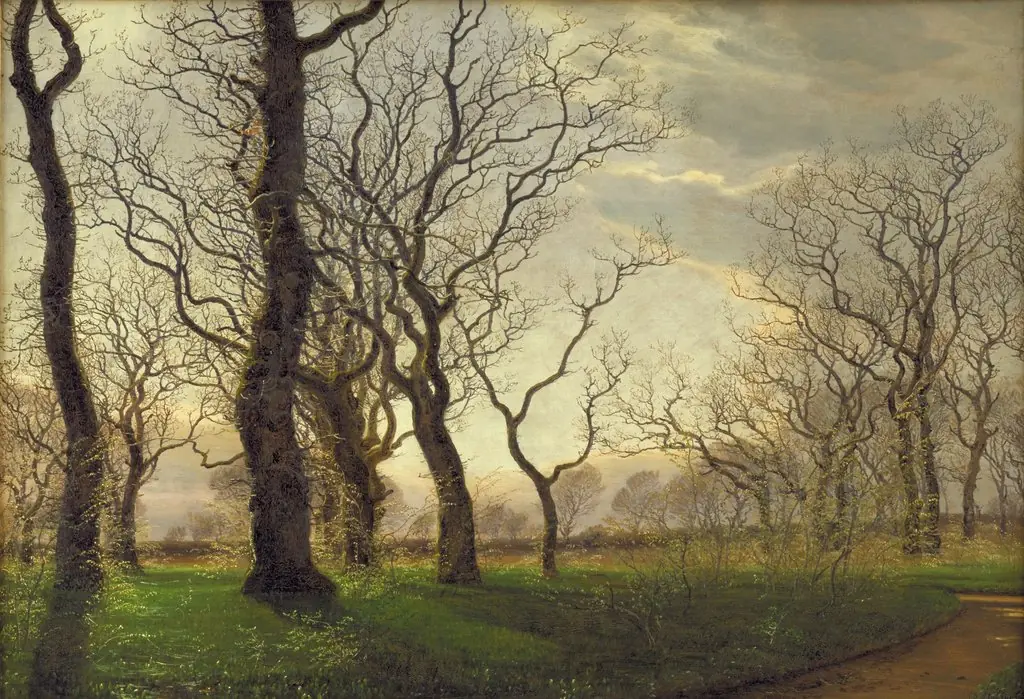
A Winter Morning, Hoar Frost Melting is a small drawing executed in watercolor and gouache on wove paper, attributed to James Thomas Watts and dated to around 1892. The work captures a tranquil winter landscape, presenting a frost‑covered field under a pale sky as the day begins to warm.
Subject & Meaning
The composition depicts an open field blanketed in a thin layer of frost, with leafless trees standing in the distance and a sky that hints at the first light of morning. The quiet atmosphere suggests a moment of transition, where the cold of night yields to the gentle rise of temperature.
Technique & Style
Watts employed watercolor’s translucency to allow the paper’s surface to glow, layering thin, semi‑transparent washes—a process known as glazing—to render the frosted ground. The successive layers catch and diffuse light differently, giving the ice‑like surface a moist, tactile quality that enhances the sensation of cold.
History & Provenance
Created circa 1892, the drawing is part of Watts’s late‑19th‑century output, a period when British artists increasingly explored atmospheric effects in water-based media. The work’s ownership record is limited, but it remains a representative example of the artist’s interest in seasonal landscapes and the subtle play of light on natural surfaces.
Own this work as a print
Artist & collection