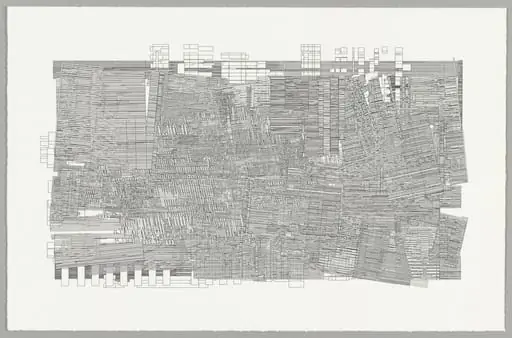
Artwork
No Man's Land
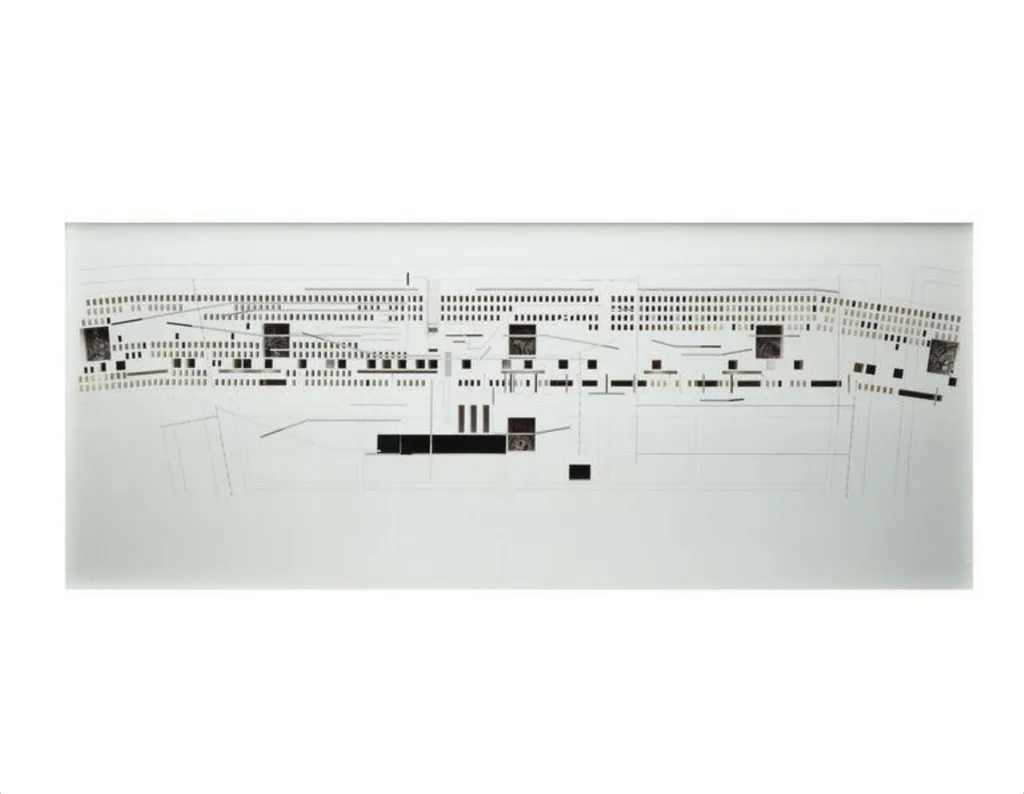
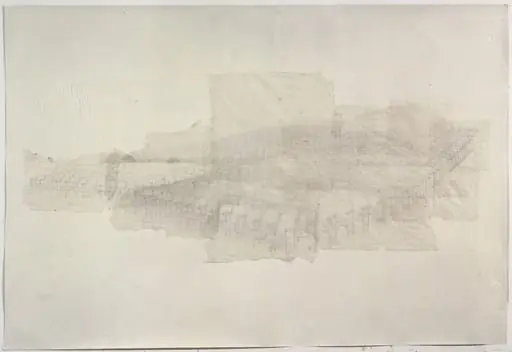
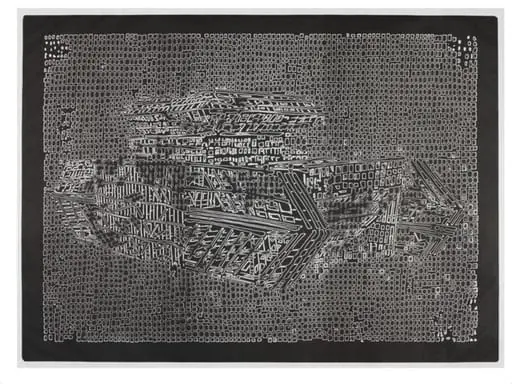
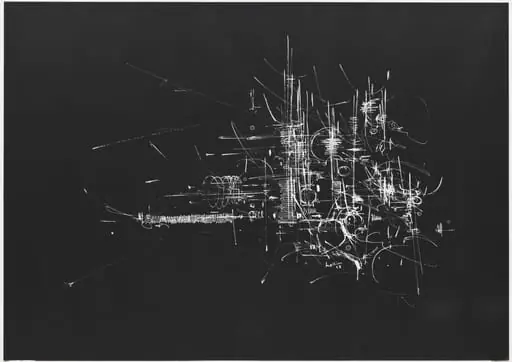
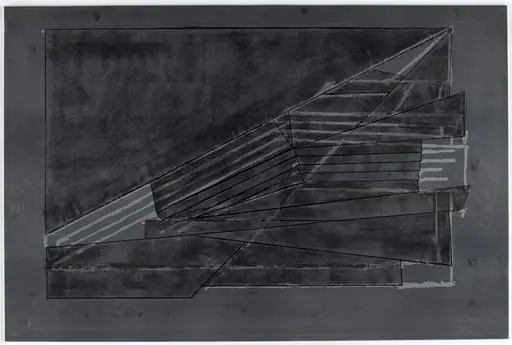
No Man's Land is a drawing by Neil Wenman. It dates from 2001 and is held in the collection of the Victoria and Albert Museum.
About this work
Overview
The work translates personal and historical narratives into a layered visual record, transforming urban memory into a spatial composition.
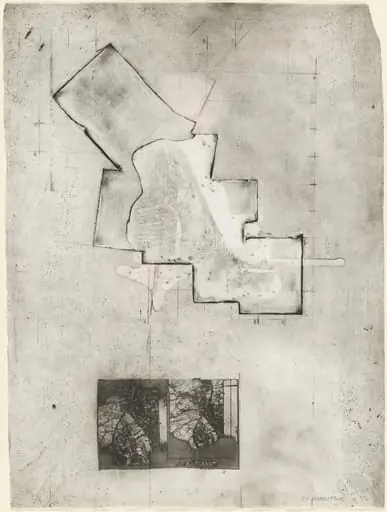
Neil Wenman created this architectural drawing as a response to his encounter with Herman Koch, a former Stasi cartographer who mapped the Berlin Wall in 1961 and later oversaw its removal. The work translates personal and historical narratives into a layered visual record, transforming urban memory into a spatial composition. It functions not as a blueprint for construction but as a conceptual archive of place.
Subject & Meaning
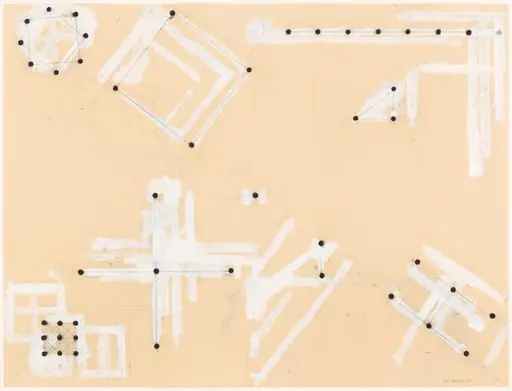
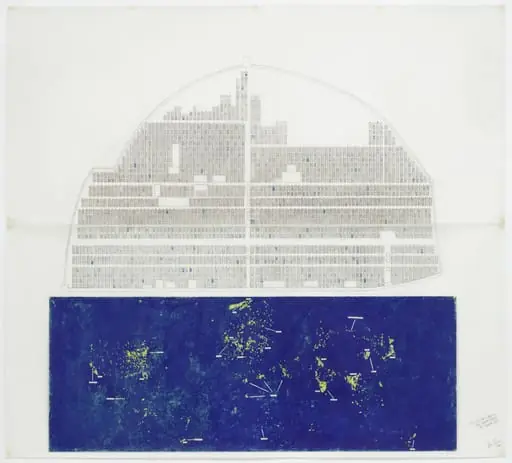
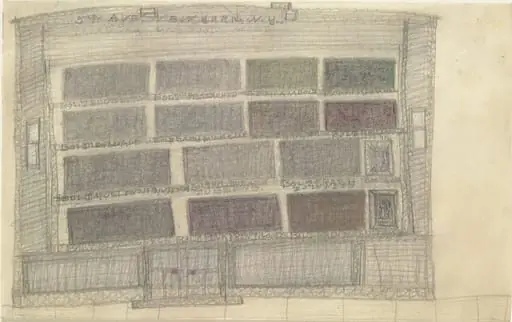
The drawing depicts a single stretch of the former Berlin Wall’s path, overlaying forgotten land uses beneath its footprint. Graves, water wells, and demolished dwellings are rendered as rectangular cutouts, each representing a lost function of the city. These layers suggest how political boundaries erase and replace lived experience, turning the Wall into a palimpsest of erased histories rather than a mere barrier.
Technique & Style
Wenman employed precise, minimalist linework to define apertures that reveal underlying strata of urban memory. The drawing avoids shading or texture, relying instead on negative space and layering to convey depth. This restrained approach mirrors architectural drafting conventions while subverting them to express absence and loss, turning technical precision into a medium for historical reflection.
History & Provenance
The drawing emerged from Wenman’s 1990s research in Berlin, prompted by conversations with Koch, who had documented the Wall’s route as a young cartographer. The work was later published alongside Wenman’s book Writing the City: Das Berliner Palimpsest, which expands on the themes of urban erasure and memory. The drawing entered the museum’s collection in 2004 as part of a broader effort to document post-reunification architectural thought.
Context
Created shortly after German reunification, the work responds to a city actively redefining its physical and symbolic landscape. While many focused on rebuilding, Wenman turned attention to what had been buried—not just structures, but stories. His approach aligned with emerging discourses in architectural theory that questioned how power shapes space, and how memory persists in ruins.
Legacy
No Man’s Land remains a quiet but influential example of how architecture can engage with historical trauma without literal representation. It inspired later projects that treat urban maps as repositories of layered time, influencing how institutions and designers approach the documentation of contested landscapes. Its legacy lies in its method: using architectural tools to reveal what was intentionally forgotten.
Artist & collection
Artist
Neil Wenman makes stark, unflinching drawings of modern war zones. His pencil lines map the jagged edges of conflict in works like *No Man’s Land* (2001). There are no medals or heroics, just the raw geometry of…