Artwork
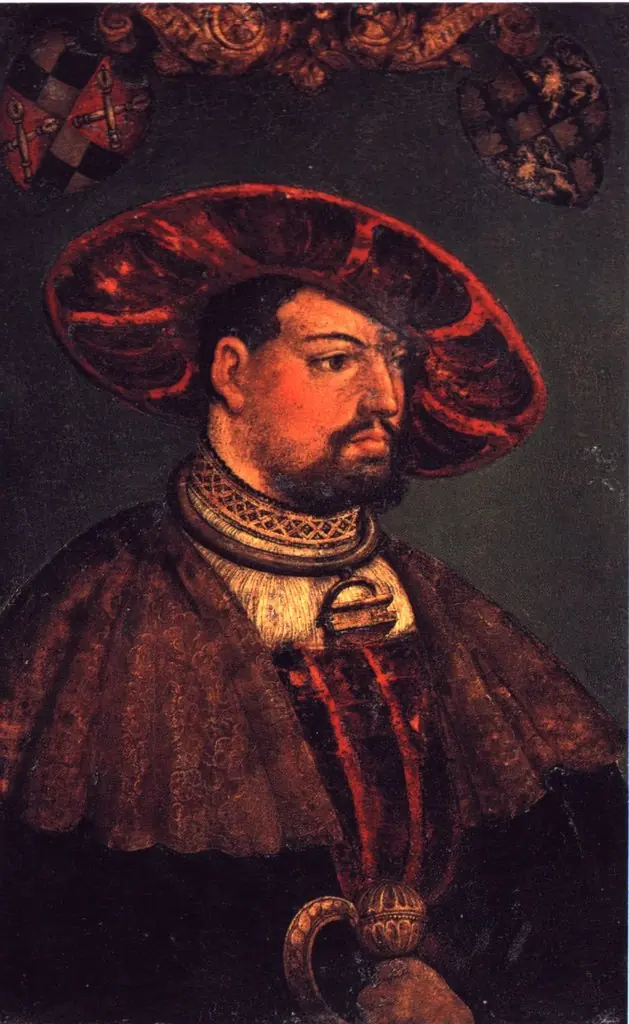
Ducele Wilhelm al IV-lea de Bavaria (1493-1550)
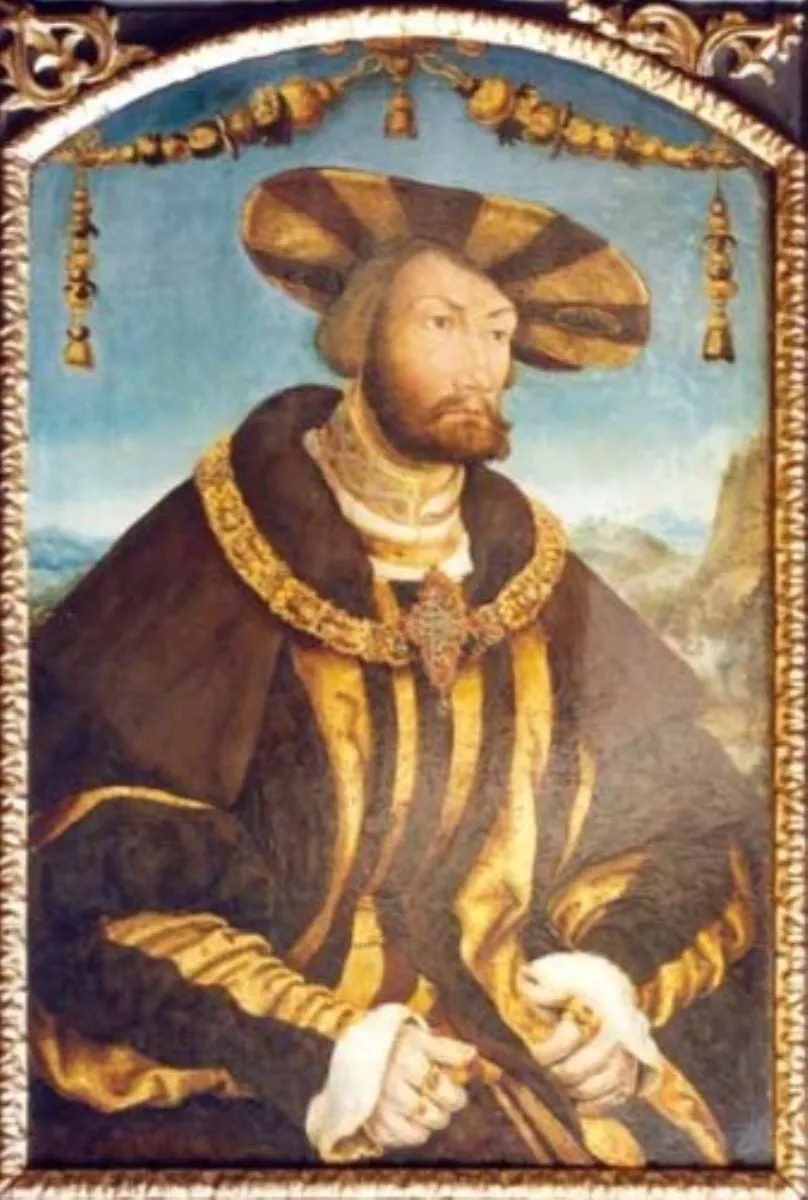
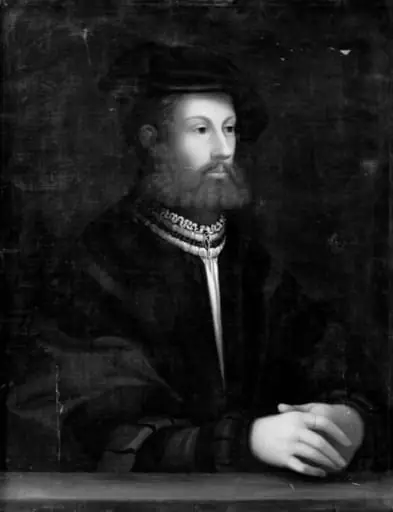
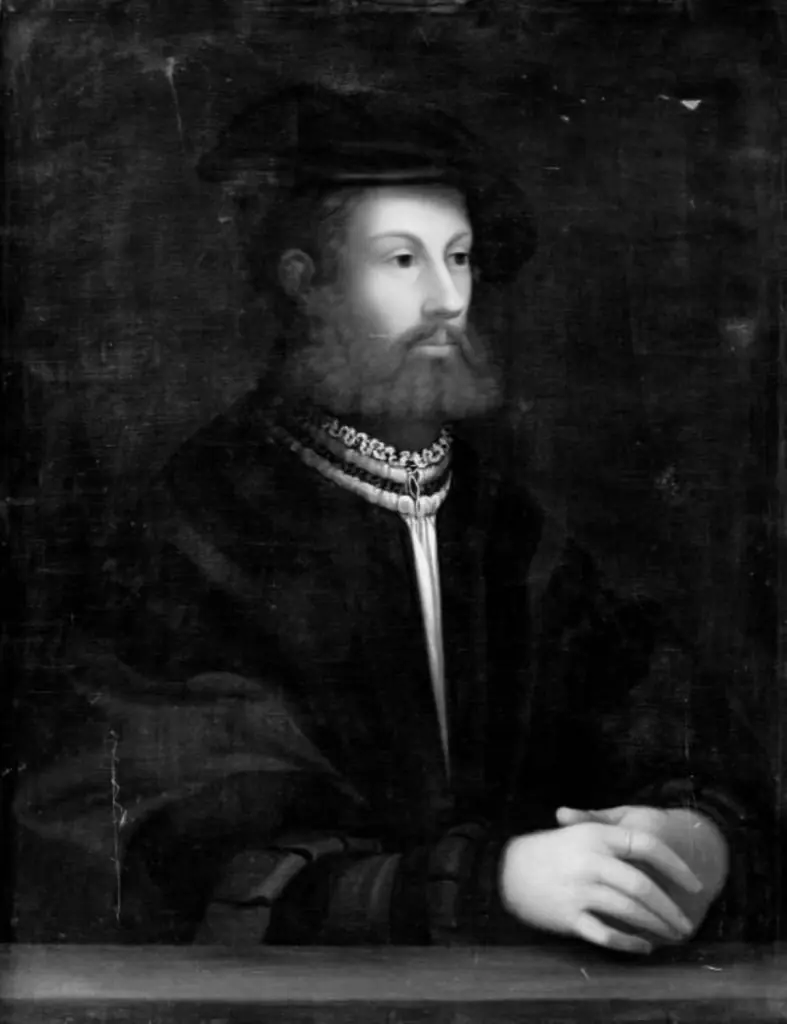
Ducele Wilhelm al IV-lea de Bavaria (1493-1550) is an unspecified painting by Hans Schwab von Wertinger. It dates from 1550 and is held in the collection of the Brukenthal National Museum.
About this work
Overview
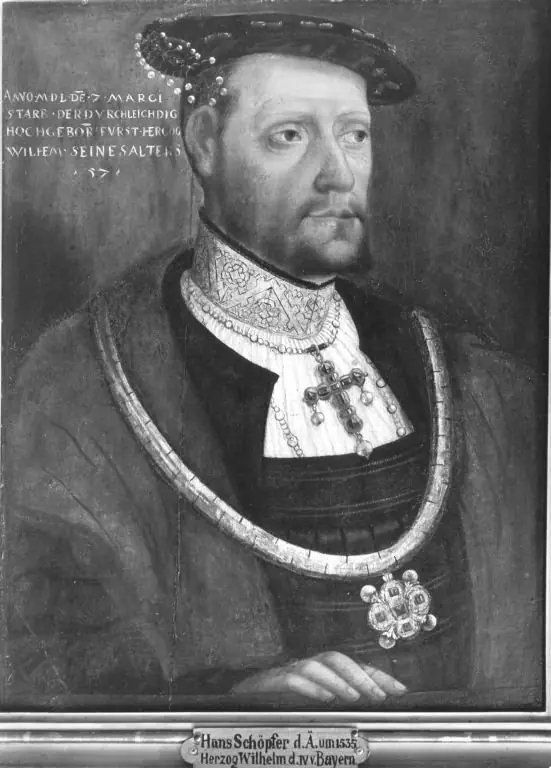
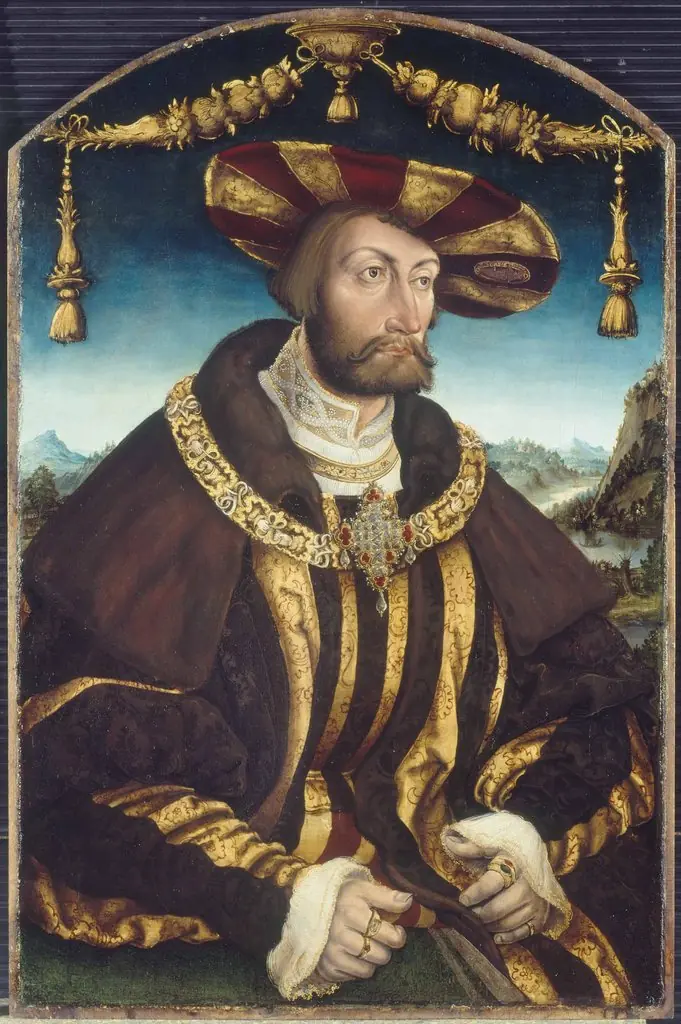
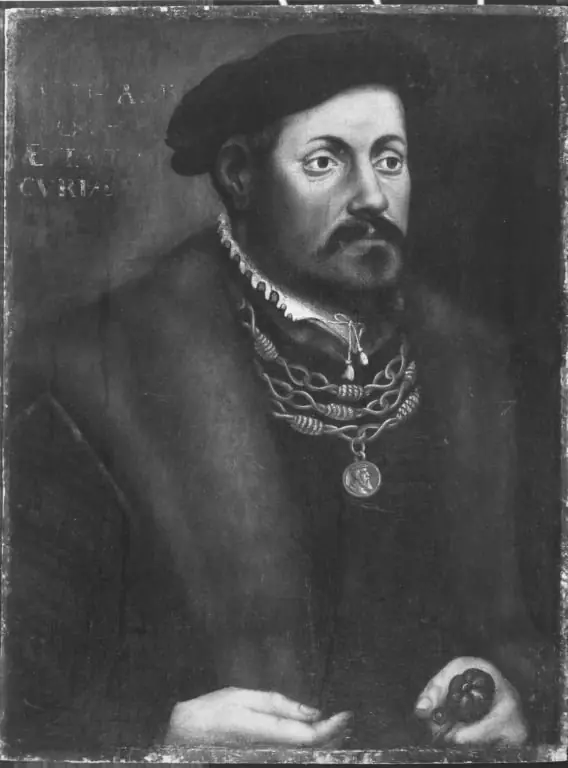
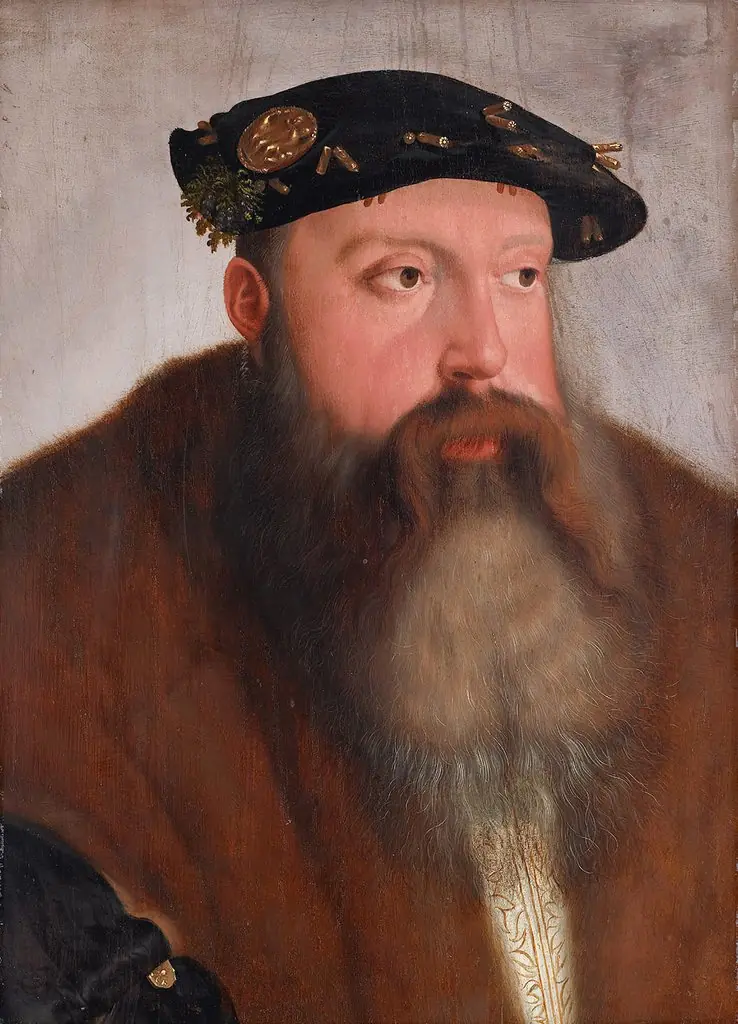
This portrait depicts Wilhelm IV, Duke of Bavaria, painted around 1550 by Hans Schwab von Wertinger. It captures the duke in formal attire, reflecting his status as a ruling noble of the Holy Roman Empire. The composition is restrained, emphasizing dignity over ornamentation, with attention to texture and subtle lighting to convey presence rather than grandeur.
Subject & Meaning
The white glove and folded cloth suggest ceremonial function, while the gold chain and trimmed beard denote rank and personal discipline.
Wilhelm IV is portrayed as a sober, authoritative figure, his direct gaze and composed posture signaling leadership and restraint. The white glove and folded cloth suggest ceremonial function, while the gold chain and trimmed beard denote rank and personal discipline. The absence of overt symbols of power shifts focus to the individual’s bearing, aligning with Renaissance ideals of noble character.
Technique & Style
Schwab von Wertinger employs soft chiaroscuro to model the duke’s face and garments, creating subtle volume without dramatic contrast. The dark robe with gold embroidery is rendered with careful brushwork, while the blue background recedes gently, suggesting spatial depth. Fading pigments, particularly in the gold accents, reflect the passage of time and the limitations of period materials.
History & Provenance
Commissioned near the end of Wilhelm IV’s life, the portrait likely served as an official representation for court or familial use. It remained within Bavarian collections for centuries, documented in early modern inventories. Its survival through political upheavals and changing tastes underscores its role as a record of dynastic identity rather than public display.
Context
Painted during the Reformation, the portrait reflects the conservative Catholic court of Bavaria under Wilhelm IV, who resisted religious change. Unlike Protestant regions favoring simpler portraiture, Bavarian elites maintained traditional visual codes of authority. This work aligns with regional trends that valued dignified representation over theatricality.
Legacy
The portrait remains a key example of mid-16th-century German court painting, illustrating how regional workshops adapted Italian Renaissance techniques to local tastes. Though not widely known outside scholarly circles, it contributes to understanding how nobility in the Holy Roman Empire used image-making to assert continuity and legitimacy in an era of religious and political transformation.
Artist & collection
Artist
Hans Schwab von Wertinger spent his life painting the Bavarian nobility so stiffly they looked like they’d sat too long in a cold throne room.