Artwork
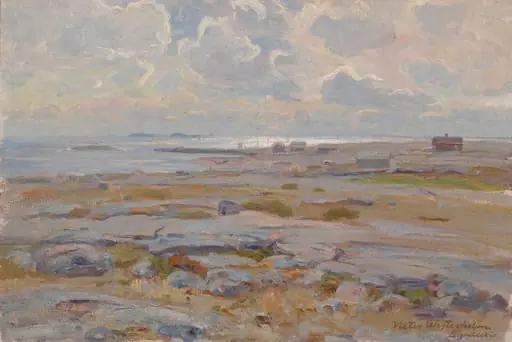
Maisemaluonnos, Lemström
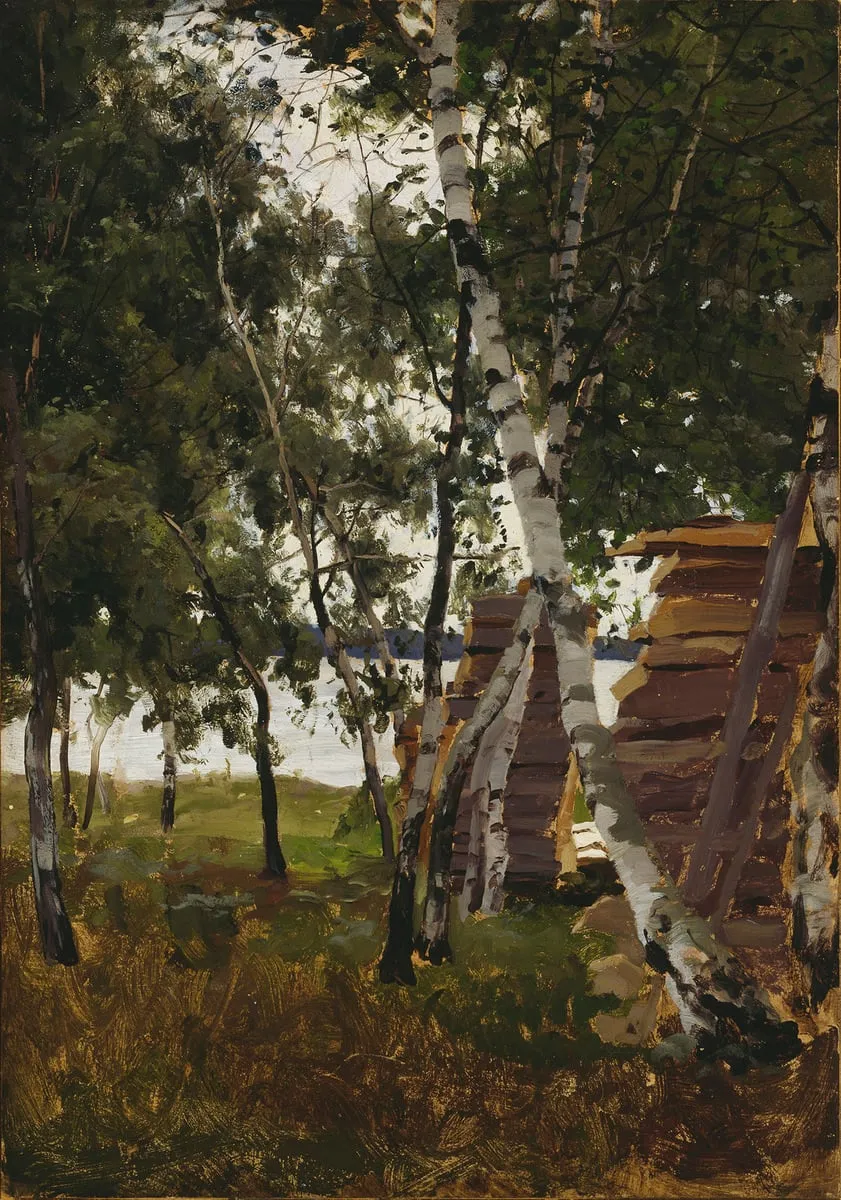
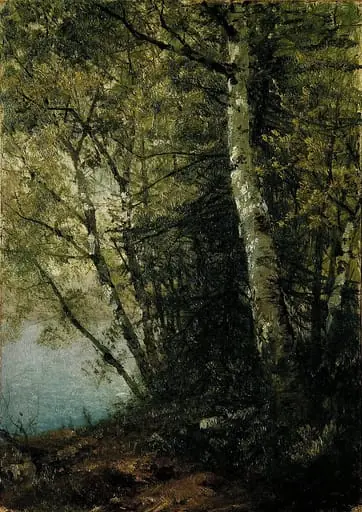
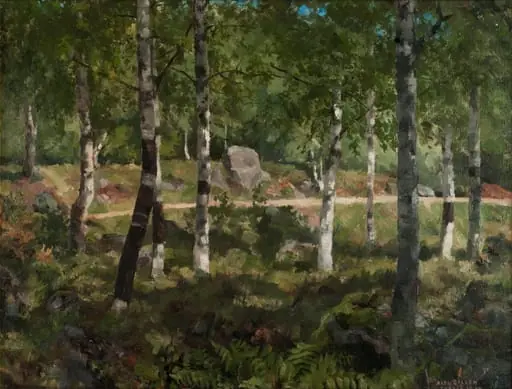
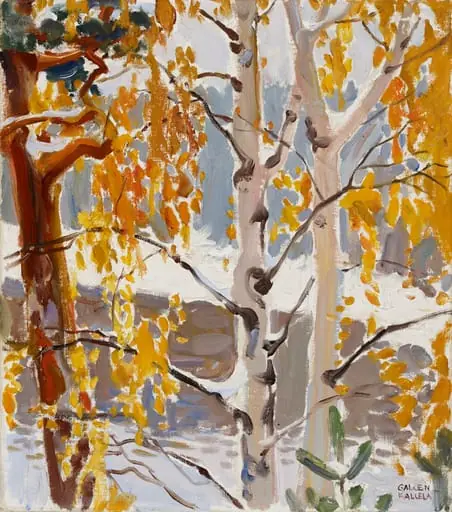
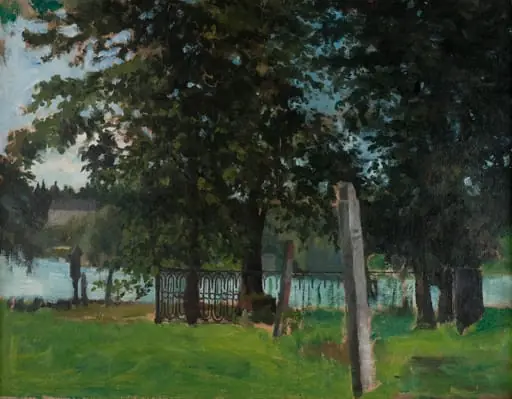
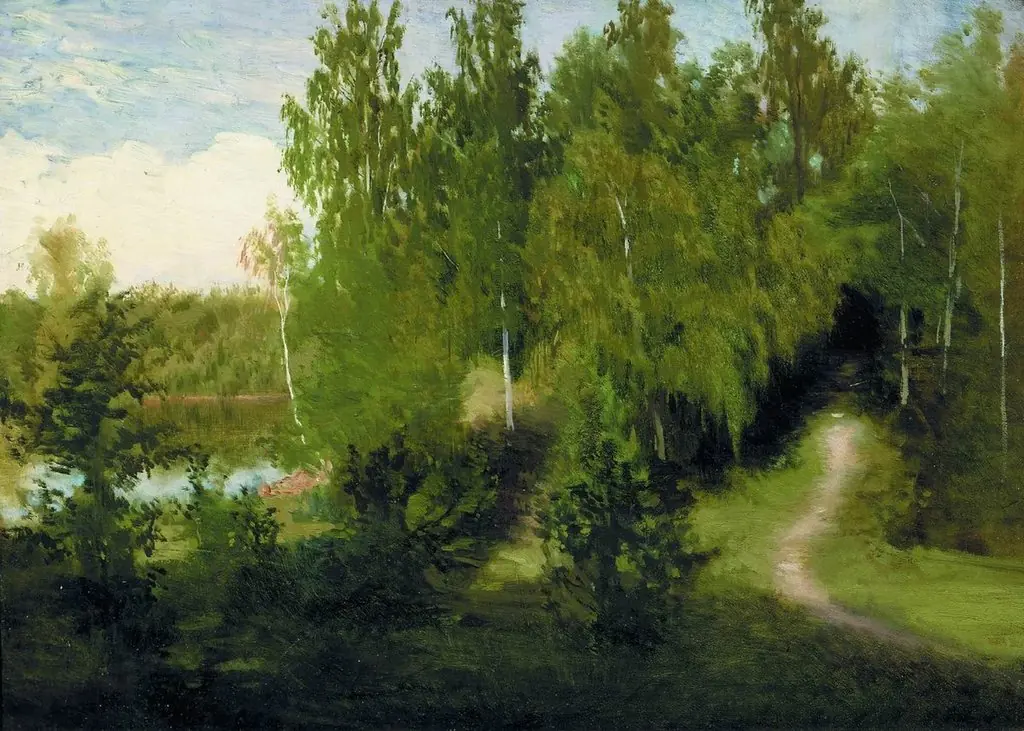
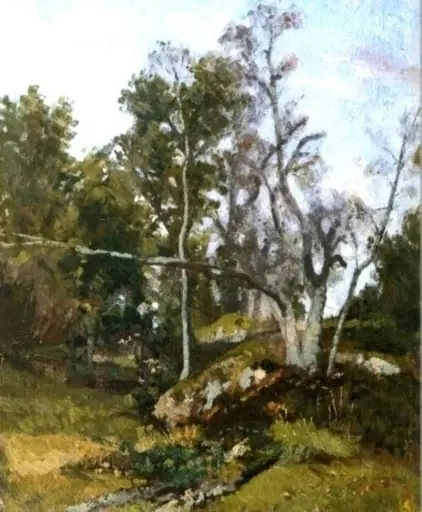
Maisemaluonnos, Lemström is an unspecified painting by Victor Westerholm. It is held in the collection of the Finnish National Gallery.
About this work
Overview
The choice reflects a practical, experimental approach common among artists working en plein air, prioritizing portability over traditional canvas.
Victor Westerholm, a Finnish painter born in Turku in 1860, created *Maisemaluonnos, Lemström* as a quiet observation of the natural world. Though best known for his landscapes and for founding the Önningeby artists' colony, this work stands out for its unconventional support: oil paint applied to cardboard. The choice reflects a practical, experimental approach common among artists working en plein air, prioritizing portability over traditional canvas.
Subject & Meaning
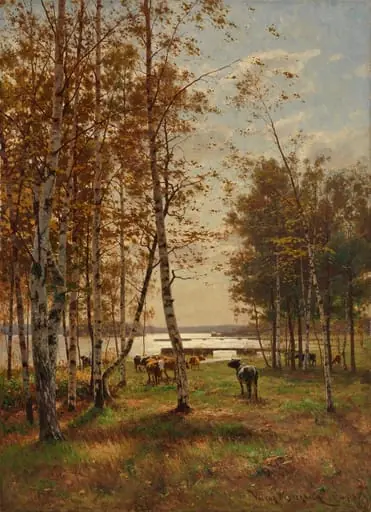
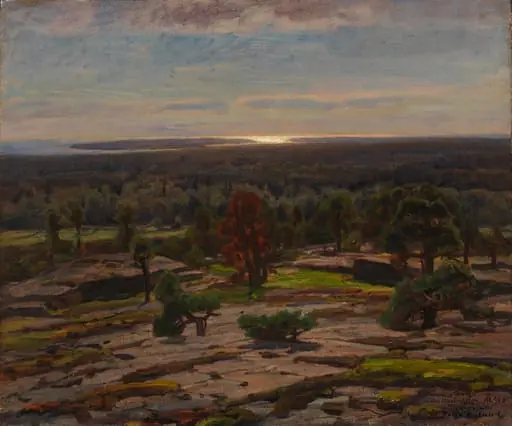
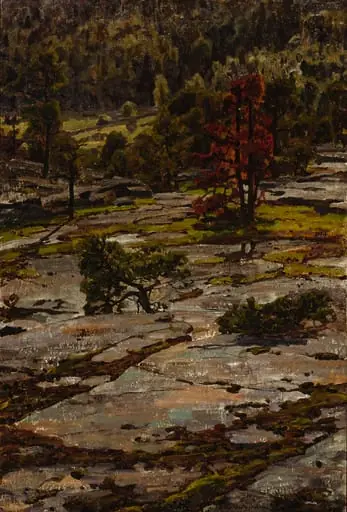
The painting captures a modest lakeside scene near Lemström, featuring scattered trees and still water under an open sky. There is no narrative or human presence—only the calm arrangement of land, vegetation, and reflection. The subject reflects Westerholm’s interest in the Finnish countryside as a site of quiet contemplation, emphasizing atmosphere over drama, and the subtle interplay of light and form in a rural setting.
Technique & Style
Westerholm employed oil paint on cardboard, a less common support that lent the surface a slightly rigid, absorbent quality. This choice affected the brushwork, producing a more matte, textured finish compared to canvas. His brushstrokes are restrained and observational, avoiding dramatic contrasts in favor of muted tones and soft transitions. The technique aligns with Nordic naturalism, valuing direct perception over idealized composition.
History & Provenance
Created during Westerholm’s active years in the late 19th or early 20th century, the painting likely originated from his time spent in the Lemström region, possibly during visits connected to the Önningeby colony. Its survival as a small-scale study suggests it was made as a preparatory sketch or personal record rather than a finished exhibition piece. Its provenance remains largely undocumented beyond its association with the artist’s known travels.
Context
Westerholm worked amid a broader Nordic movement that valued landscape as a reflection of national identity and personal introspection. While his contemporaries in Finland often painted grander vistas, this work exemplifies a quieter, more intimate mode of observation. The use of cardboard as a support mirrors the informal practices of artists working away from studios, embracing simplicity and immediacy in response to the natural environment.
Legacy
Though not among Westerholm’s most widely exhibited works, *Maisemaluonnos, Lemström* contributes to understanding his methodological flexibility and commitment to direct observation. It illustrates how artists of his generation adapted materials to suit their needs, influencing later Finnish landscape painters who valued authenticity over technical polish. The painting remains a quiet testament to the value of small, unassuming studies in the development of national artistic expression.
Artist & collection
Artist
Victor Axel Westerholm (4 January 1860 Turku – 19 November 1919 Turku) was a Finnish landscape painter, especially known for founding the Önningeby artists' colony.