Artwork
A Sketch at Dieppe
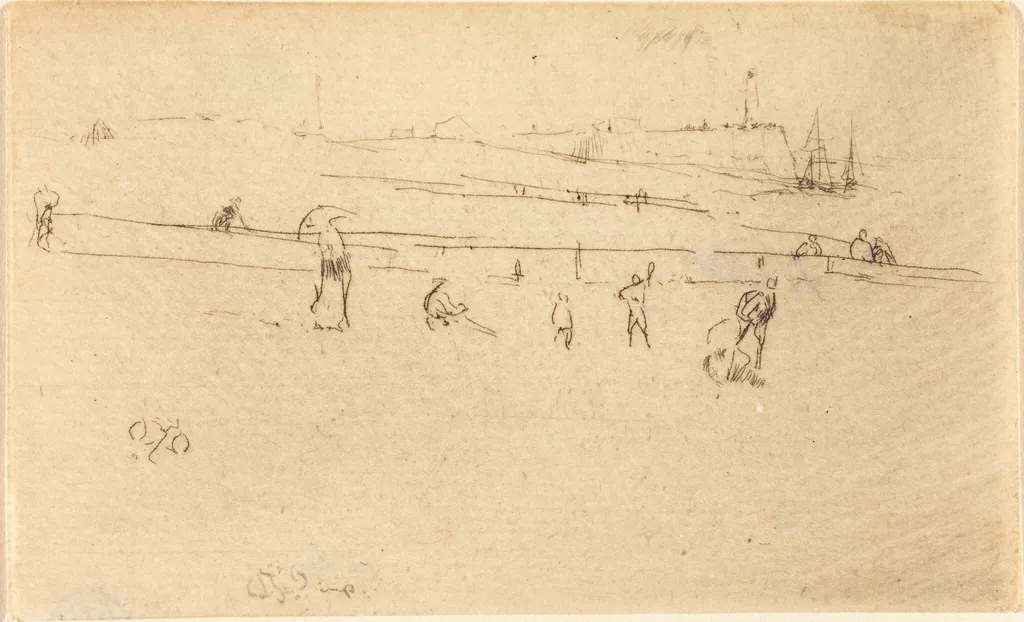
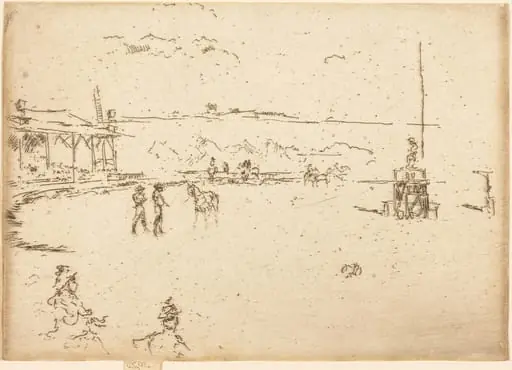
A Sketch at Dieppe is an ink print by the Romanticist artist James McNeill Whistler. It dates from 1868 and is held in the collection of the National Gallery of Art.
About this work
Overview
Created in 1868, *A Sketch at Diegue* is an early print by James McNeill Whistler, executed with both etching and drypoint on laid paper. The work records a brief, spontaneous view of the French coastal town of Dieppe, capturing a moment of everyday activity along its waterfront.
Subject & Meaning
The image presents a modest seaside promenade where figures stroll or sit on a low wall that runs beside the water. Small boats bob in the harbor and a distant lighthouse punctuates the horizon, suggesting both the routine of local life and the broader maritime setting.
Technique & Style
Whistler combined the incised lines of drypoint with the acid‑etched marks of traditional etching, allowing a contrast between bold, confident strokes for the wall and figures and finer, delicate lines for the vessels and lighthouse. The laid‑paper surface adds a subtle texture that reinforces the sketch‑like immediacy of the scene.
History & Provenance
An American expatriate working in London, Whistler produced the print during a period when he was exploring printmaking alongside oil and watercolor. The piece reflects his advocacy of “art for art’s sake,” emphasizing formal qualities over narrative content. It entered public collections in the early twentieth century, where it continues to illustrate his early print experiments.
Artist & collection
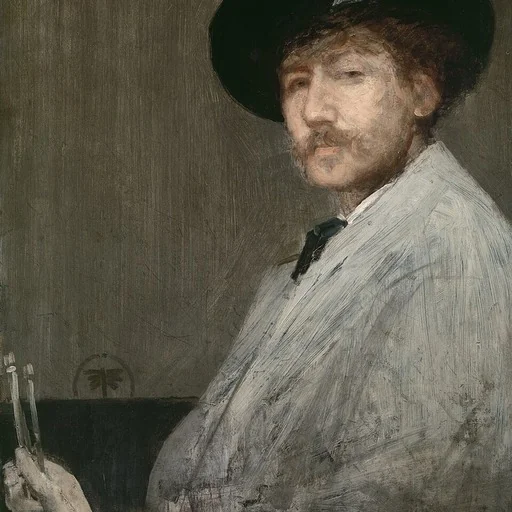
Artist
James Abbott McNeill Whistler was an American painter in oils and watercolor, and printmaker, active during the American Gilded Age and based primarily in the United Kingdom.

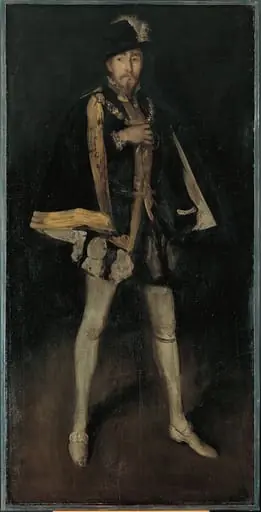 Arrangement in Black, No. 3: Sir Henry Irving as Philip II of Spain
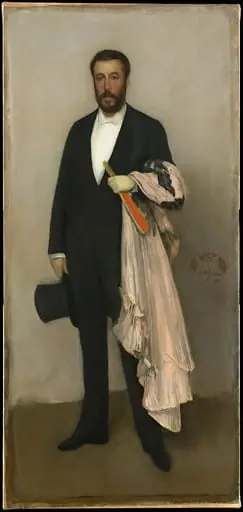 Arrangement in Flesh Colour and Black: Portrait of Theodore Duret
 Gold and Brown: Self-Portrait
 Edward Guthrie Kennedy
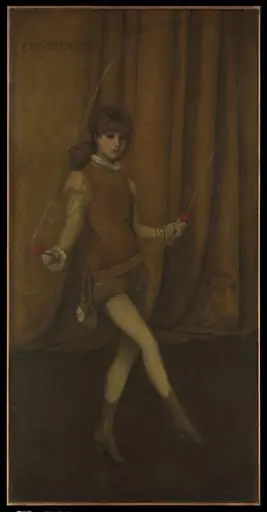 Harmony in Yellow and Gold: The Gold Girl—Connie Gilchrist
 George W. Vanderbilt
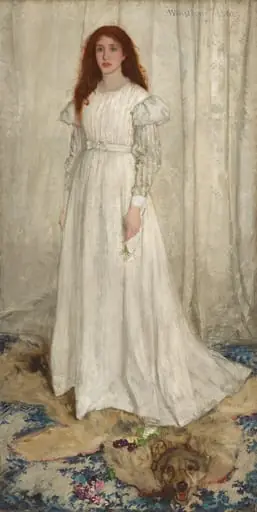 Symphony in White, No. 1: The White Girl
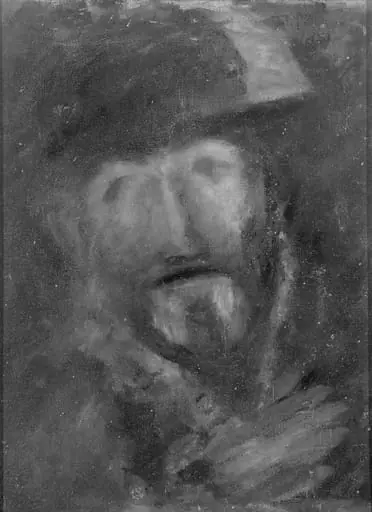 Henry Irving as Philip II of Spain