Artwork
Alexander Arnold Hannay
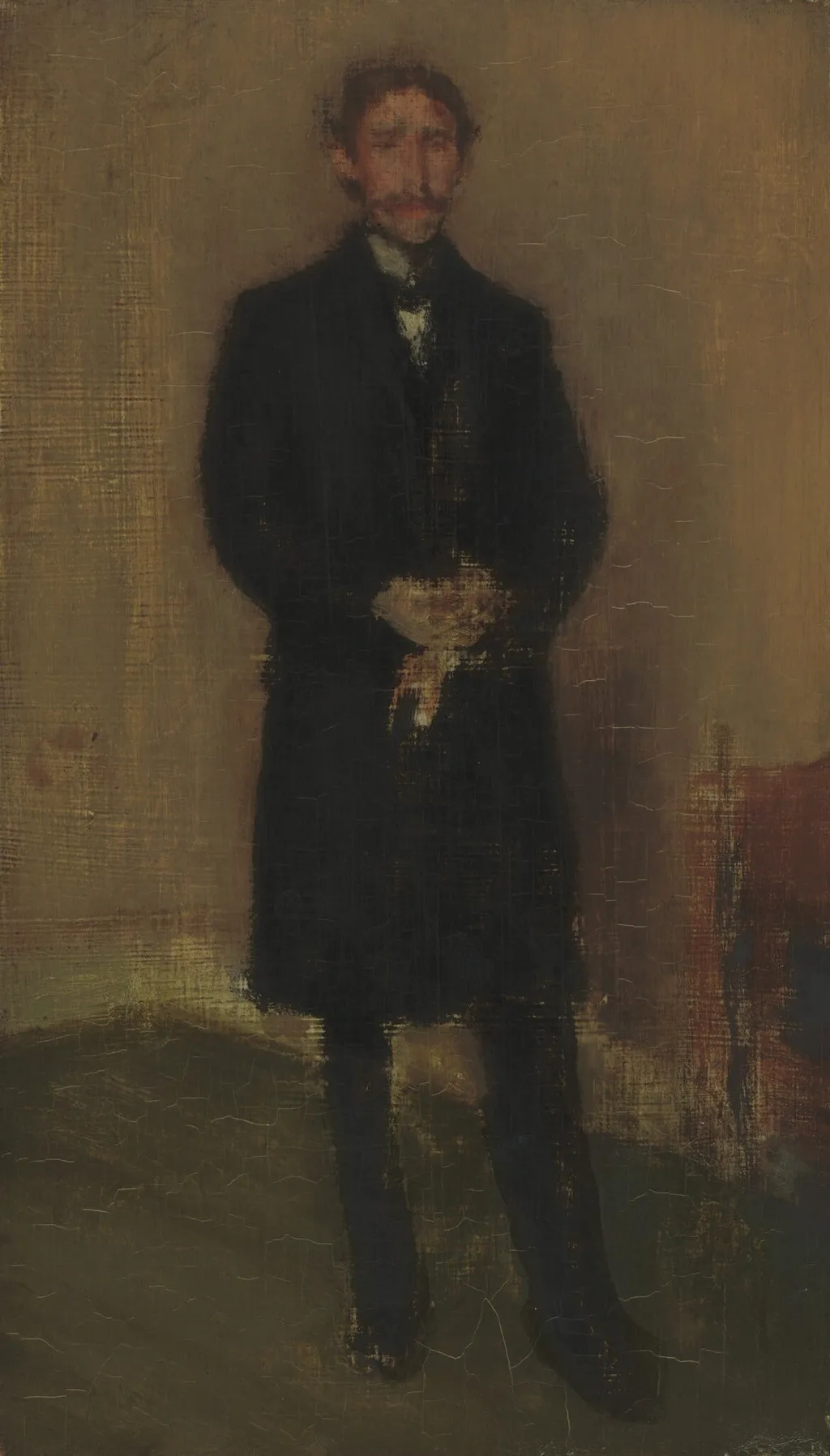
Alexander Arnold Hannay is an oil painting by the American Impressionist artist James McNeill Whistler. It dates from 1896 and is held in the collection of the National Gallery of Art.
About this work
Overview
An American expatriate based in the United Kingdom, Whistler created this piece during a period when American Impressionism was prominent.
James McNeill Whistler's portrait of Alexander Arnold Hannay, painted around 1896 in oil on wood, exemplifies the artist's distinctive approach to figural representation. An American expatriate based in the United Kingdom, Whistler created this piece during a period when American Impressionism was prominent. The work captures its subject with a reserved demeanor, reflecting the artist's consistent emphasis on refined aesthetic principles rather than overt emotional expression.
Subject & Meaning
The painting depicts Alexander Arnold Hannay as a composed figure, standing with hands clasped, dressed in a long black coat and dark trousers against a muted brown backdrop. This understated portrayal aligns with Whistler's rejection of sentimentality in portraiture. Instead, the focus remains on the sitter's quiet presence and the subtle interplay of form and tone, reflecting the artist's dedication to aesthetic principles and a belief in "art for art's sake."
Technique & Style
Whistler rendered Alexander Arnold Hannay in oil on wood, employing a realistic style characterized by attention to detail. While associated with both Realism and Impressionism, Whistler developed a unique aesthetic that prioritized delicate composition and a subtle palette. His artistic philosophy, encapsulated by "art for art's sake," valued art's intrinsic beauty and formal qualities over narrative or moralizing content, evident in the painting's refined execution.
Context
Created around 1896, this portrait emerged during a flourishing period for American Impressionism, though Whistler's expatriate status in the United Kingdom and his unique artistic vision set him apart. He consistently advocated for art's autonomy, famously promoting "art for art's sake." This painting reflects his mature style, where he meticulously balanced precise observation with an overarching commitment to refined aesthetic principles rather than a purely mimetic approach.
Legacy
Whistler's distinctive butterfly signature, a stylized monogram, is present on this work. This mark served as both a personal emblem and a public assertion of his artistic identity. It underscored his unique sensibility and his often assertive public persona, becoming an integral part of his brand and an enduring symbol of his commitment to art's independent value and his rejection of conventional artistic norms.
Artist & collection
Artist
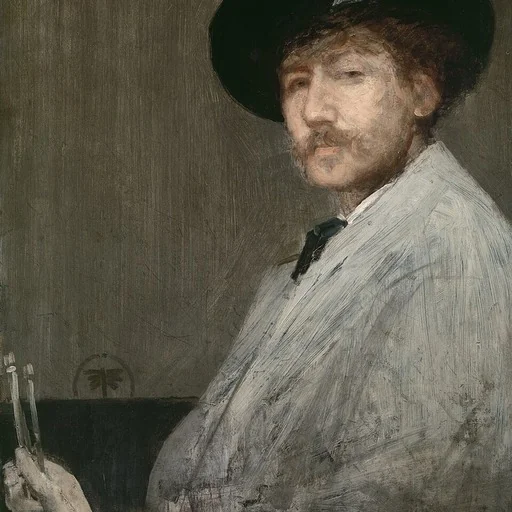
James Abbott McNeill Whistler was an American painter in oils and watercolor, and printmaker, active during the American Gilded Age and based primarily in the United Kingdom.

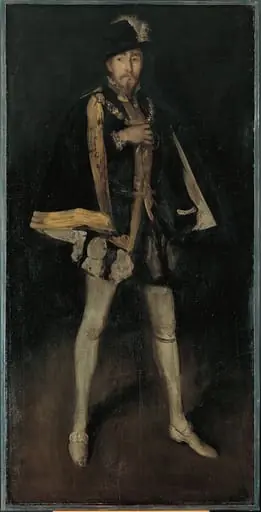 Arrangement in Black, No. 3: Sir Henry Irving as Philip II of Spain
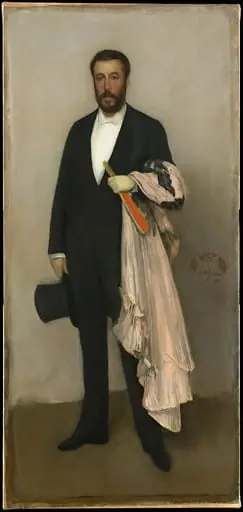 Arrangement in Flesh Colour and Black: Portrait of Theodore Duret
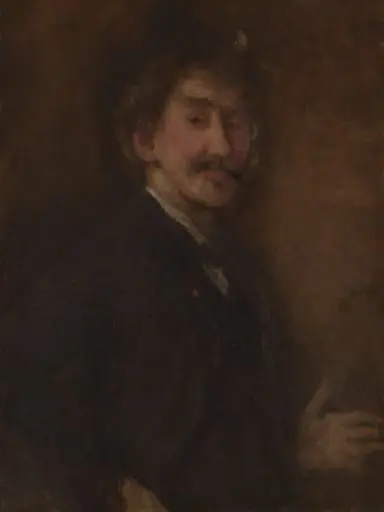 Gold and Brown: Self-Portrait
 Edward Guthrie Kennedy
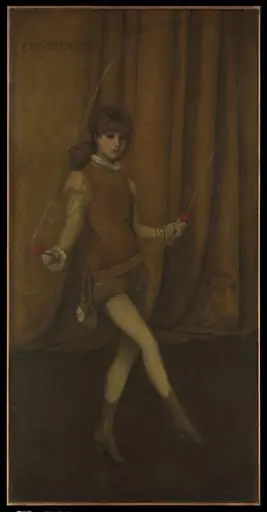 Harmony in Yellow and Gold: The Gold Girl—Connie Gilchrist
 George W. Vanderbilt
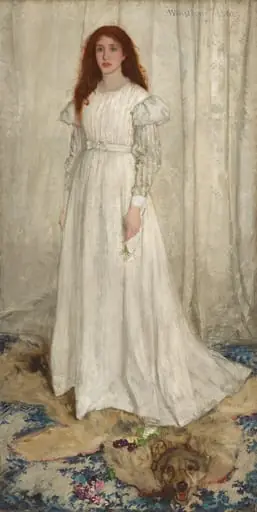 Symphony in White, No. 1: The White Girl
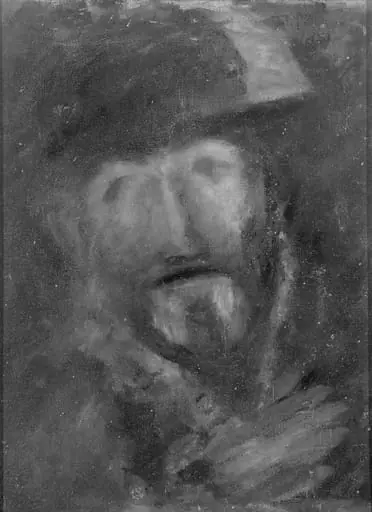 Henry Irving as Philip II of Spain