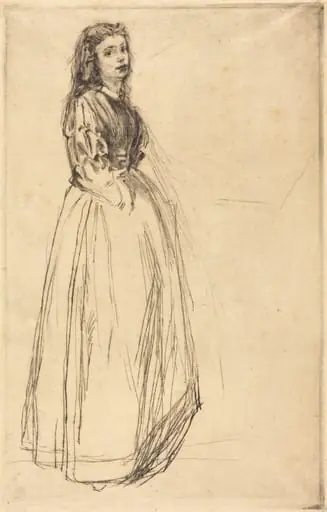
Artwork
Florence Leyland
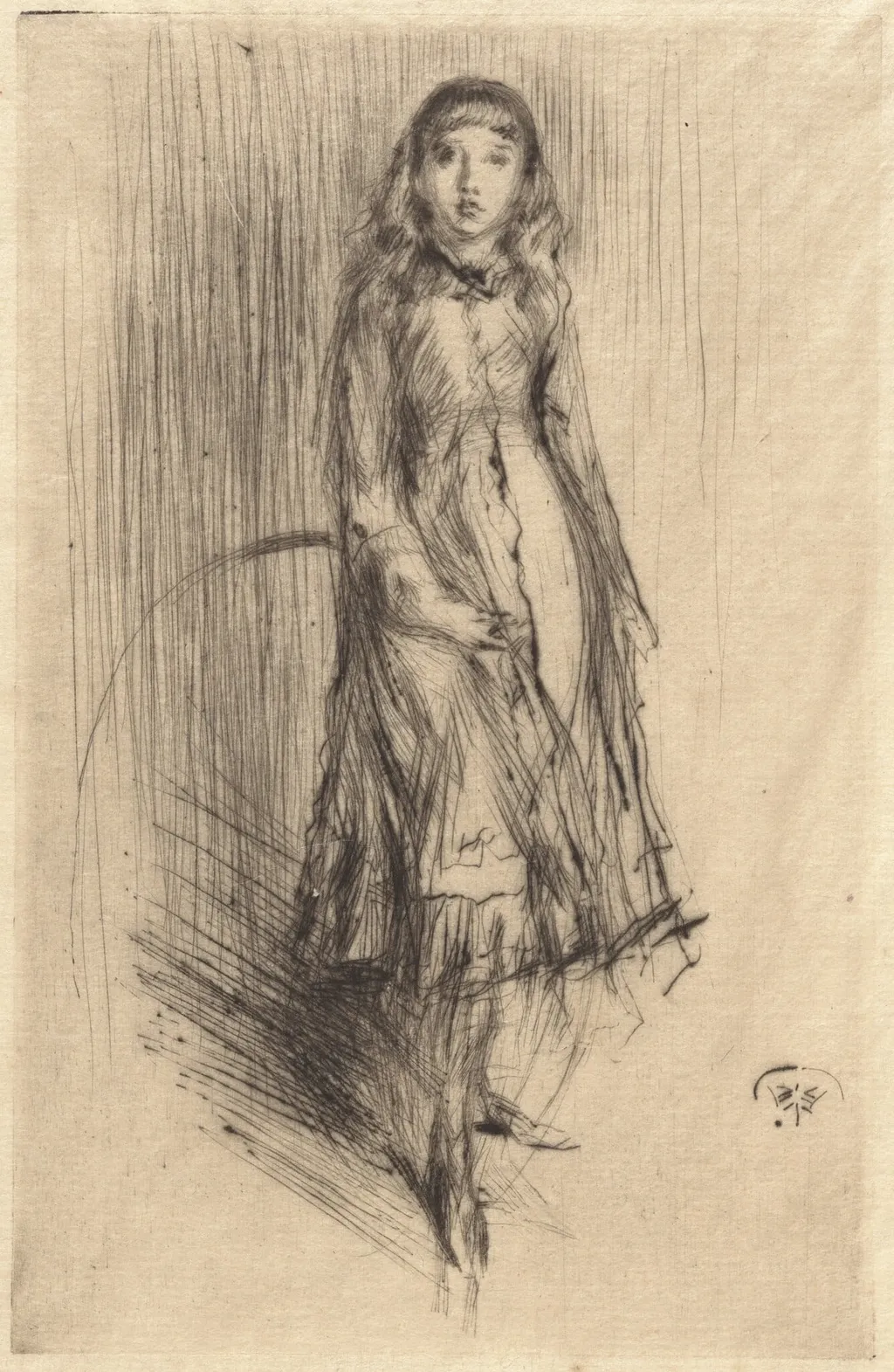
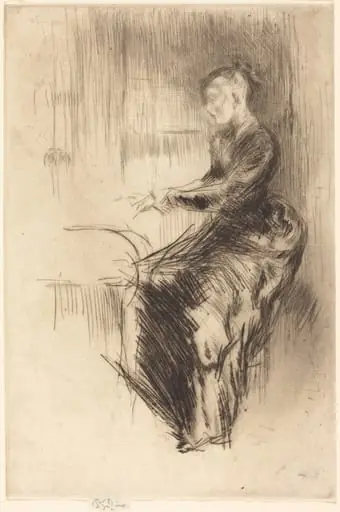
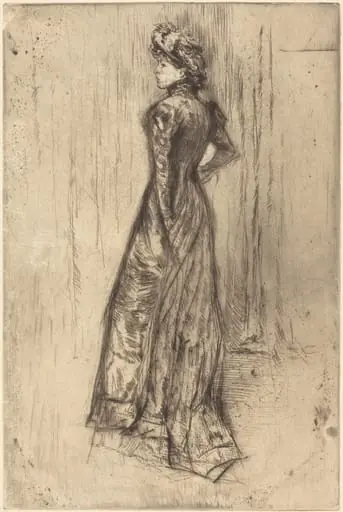
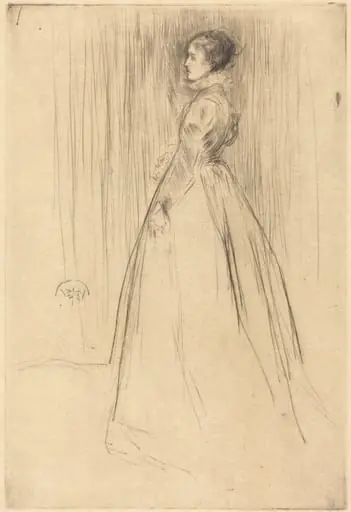
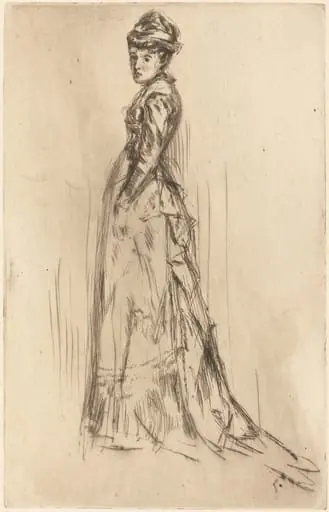
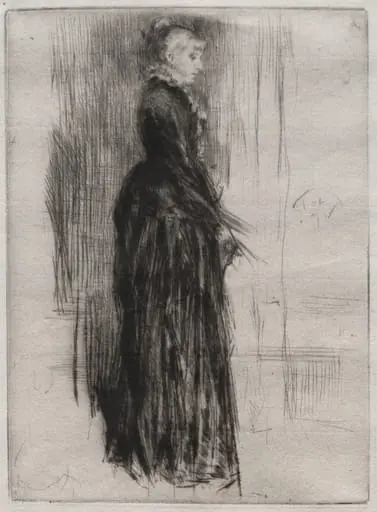
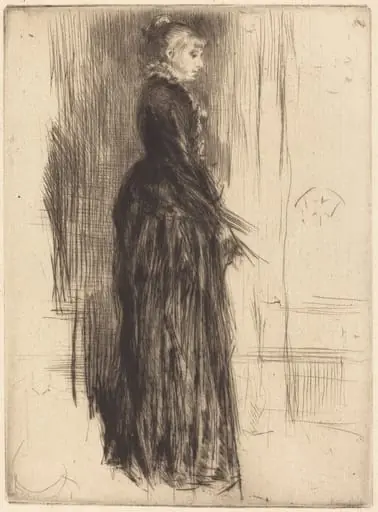
Florence Leyland is an ink print by the Impressionist artist James McNeill Whistler. It dates from 1873 and is held in the collection of the National Gallery of Art.
About this work
Overview
Created circa 1873, *Florence Leyland* is a drypoint print by James McNeill Whistler, produced during his years in Britain.
Created circa 1873, *Florence Leyland* is a drypoint print by James McNeill Whistler, produced during his years in Britain. Though best known for oil paintings and watercolors, Whistler devoted significant attention to printmaking, where his precision and restraint found particular expression. This work exemplifies his commitment to aesthetic autonomy, aligning with the broader 'art for art’s sake' movement that prioritized form over narrative or moral content.
Subject & Meaning
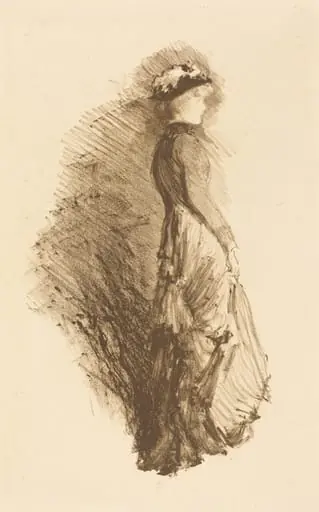
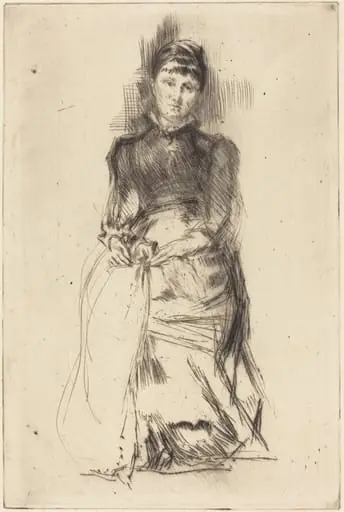
The subject is Florence Leyland, a woman connected to Whistler’s social and artistic circle. Rather than presenting her as a formal portrait, Whistler captures a fleeting, intimate moment—her figure caught mid-movement, face softly blurred, hair and dress suggested with fluid lines. The absence of explicit identity or context shifts focus to presence and motion, reflecting Whistler’s interest in evoking mood over documenting character.
Technique & Style
Whistler employed drypoint, scratching directly into a copper plate with a sharp needle to create dense, velvety lines. The resulting texture is rough and immediate, with ink pooling along the raised burr to produce rich, irregular shadows. Loose, gestural strokes define the figure’s form, while the background dissolves into abstract scratches and smudges. This technique enhances the sense of transience, aligning the medium’s physicality with the subject’s ephemeral posture.
History & Provenance
The print emerged during Whistler’s mature period in London, when he was deeply engaged with printmaking as both artistic practice and commercial endeavor. It was likely made for private circulation or as part of his portfolio of etchings and drypoints, circulated among collectors and fellow artists. Its survival reflects its status within his broader print oeuvre, though it never achieved wide public exposure during his lifetime.
Context
In the 1870s, Whistler was immersed in London’s avant-garde circles, where artists sought to distance themselves from Victorian narrative conventions. Drypoint, with its spontaneity and tactile quality, offered a counterpoint to polished academic styles. *Florence Leyland* reflects this shift—its informal composition and emphasis on line over detail align with contemporary interests in Japanese prints and the aesthetics of the fleeting moment.
Legacy
Though not among Whistler’s most widely reproduced works, *Florence Leyland* remains a quiet example of his mastery in printmaking. It illustrates how he transformed technical constraints into expressive tools, using the inherent roughness of drypoint to convey motion and atmosphere. Later scholars have cited it as evidence of his subtle influence on the development of modern graphic art and the redefinition of portraiture in non-traditional media.
Artist & collection
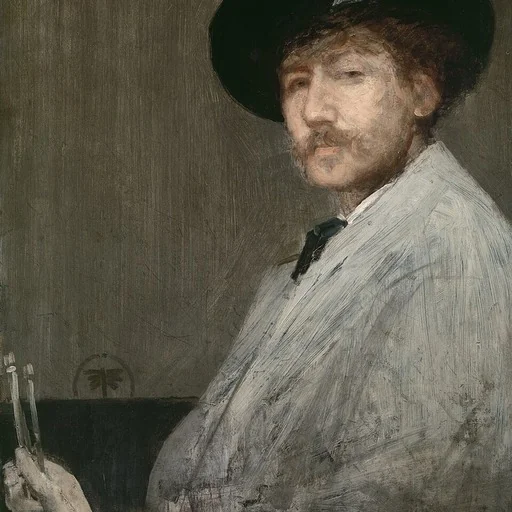
Artist
James Abbott McNeill Whistler was an American painter in oils and watercolor, and printmaker, active during the American Gilded Age and based primarily in the United Kingdom.

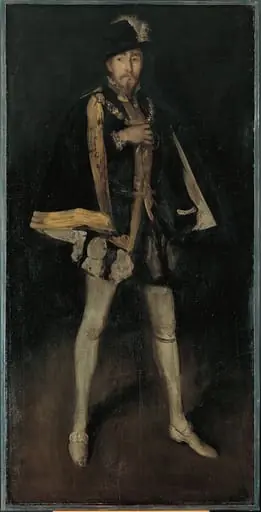 Arrangement in Black, No. 3: Sir Henry Irving as Philip II of Spain
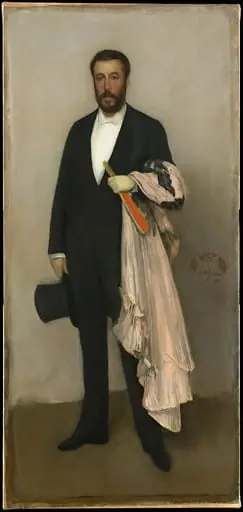 Arrangement in Flesh Colour and Black: Portrait of Theodore Duret
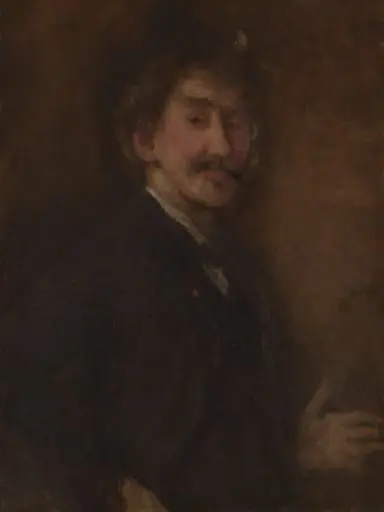 Gold and Brown: Self-Portrait
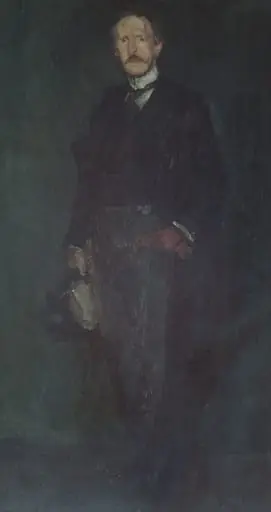 Edward Guthrie Kennedy
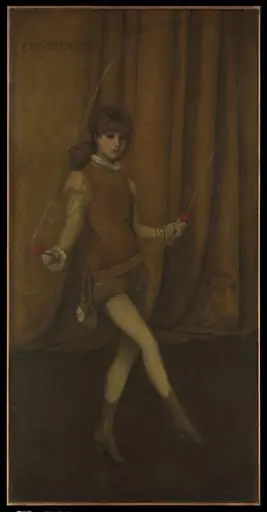 Harmony in Yellow and Gold: The Gold Girl—Connie Gilchrist
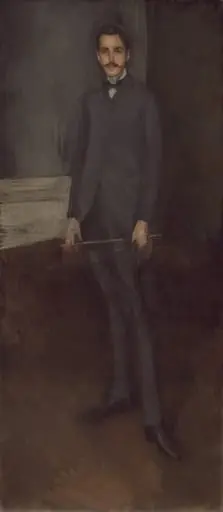 George W. Vanderbilt
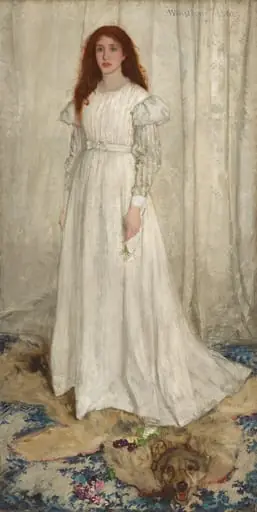 Symphony in White, No. 1: The White Girl
 Henry Irving as Philip II of Spain