Artwork
Jo's Bent Head
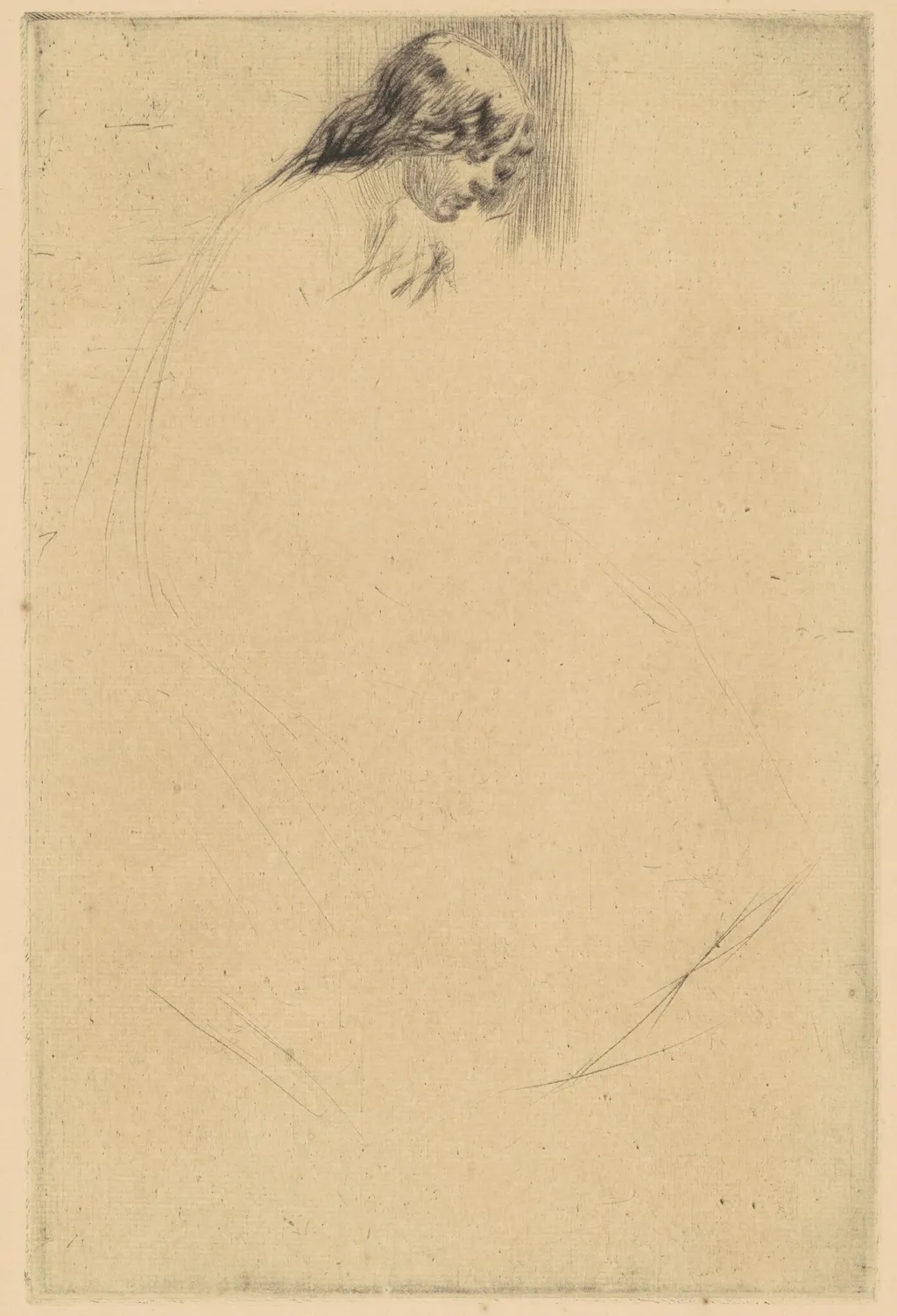
Jo's Bent Head is an ink print by the Impressionist artist James McNeill Whistler. It dates from 1861 and is held in the collection of the National Gallery of Art.
About this work
Overview
Created in 1861, Jo's Bent Head is a drypoint print by James McNeill Whistler, rendered in black ink on laid paper. It presents a quiet, intimate portrait of a seated figure seen in profile, focusing on the head and shoulders. The work exemplifies Whistler’s interest in tonal harmony and restrained composition, using minimal lines to evoke presence rather than narrative.
Subject & Meaning
The subject, believed to be Whistler’s sister Joanna, is depicted with eyes closed and head gently bowed, suggesting introspection or repose. There is no indication of identity beyond the title, and the absence of context invites contemplation rather than storytelling. The stillness of the figure conveys a sense of inner calm, aligning with Whistler’s broader aesthetic of emotional subtlety.
Technique & Style
Whistler employed drypoint, a printmaking method involving incised lines scratched directly into a metal plate. This technique produces soft, velvety blacks and fine, irregular textures that enhance the tactile quality of the hair and skin. The lack of background detail and the emphasis on contour and shadow reflect his preference for atmospheric economy over descriptive realism.
History & Provenance
Executed during Whistler’s early years in London, the print was made shortly after his return from Paris and before his formal association with the Aesthetic Movement. It remained in private hands for much of the 19th century and entered major public collections in the 20th century, where it is now recognized as a key example of his graphic work from the 1860s.
Context
In the early 1860s, Whistler was exploring portraiture beyond traditional commissions, turning to intimate studies of family and friends. This period coincided with his growing interest in Japanese prints and the idea of art for art’s sake. Jo's Bent Head reflects these influences through its flattened space, emphasis on line, and rejection of overt sentimentality.
Legacy
The print is regarded as a significant contribution to 19th-century graphic art for its emotional restraint and technical refinement. It influenced later artists interested in the expressive potential of line and tone over narrative content. Though not widely exhibited in its time, it has since become a touchstone for understanding Whistler’s approach to the human form in print.
Artist & collection
Artist
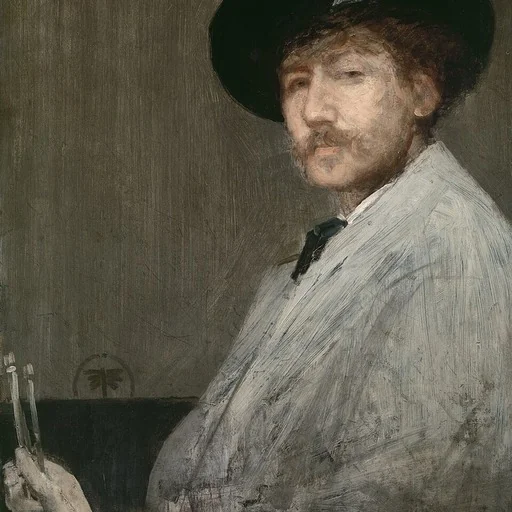
James Abbott McNeill Whistler was an American painter in oils and watercolor, and printmaker, active during the American Gilded Age and based primarily in the United Kingdom.

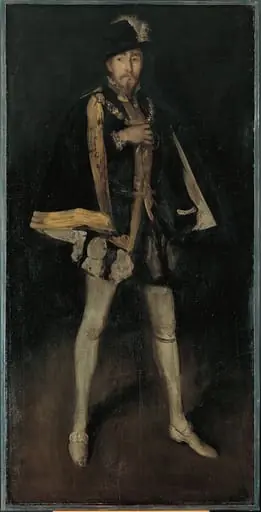 Arrangement in Black, No. 3: Sir Henry Irving as Philip II of Spain
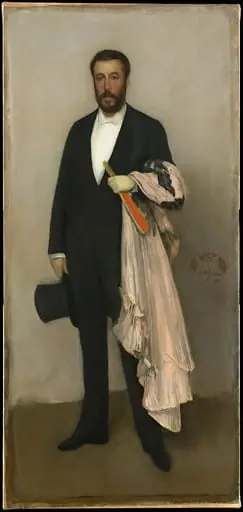 Arrangement in Flesh Colour and Black: Portrait of Theodore Duret
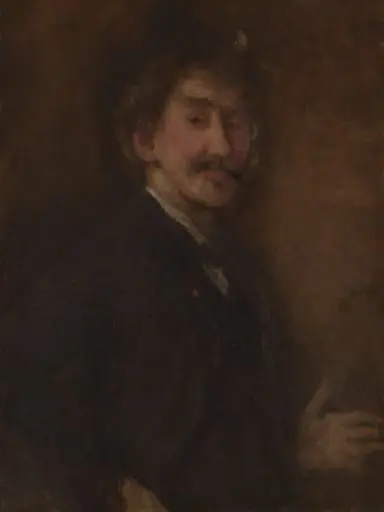 Gold and Brown: Self-Portrait
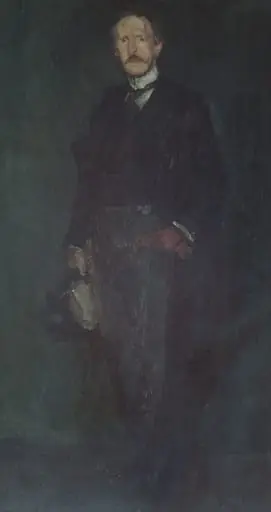 Edward Guthrie Kennedy
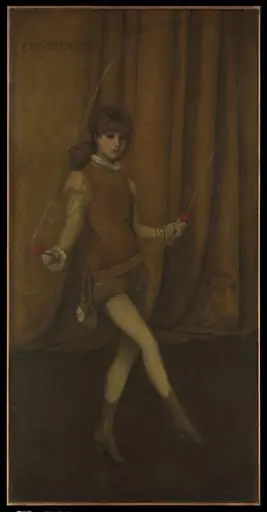 Harmony in Yellow and Gold: The Gold Girl—Connie Gilchrist
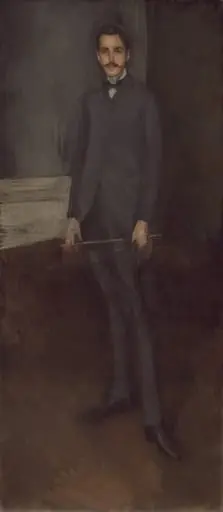 George W. Vanderbilt
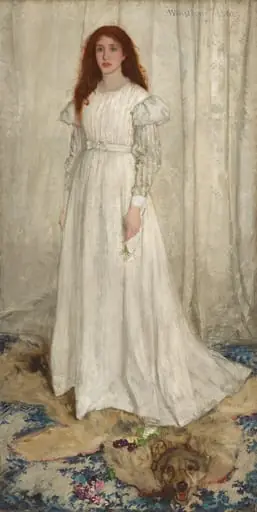 Symphony in White, No. 1: The White Girl
 Henry Irving as Philip II of Spain
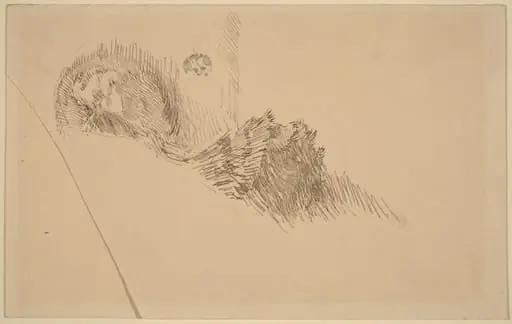
![Sheet of Studies [recto and verso], by John Flaxman](https://artifactworldgallery.com/img/john-flaxman--sheet-of-studies-recto-and-verso--af59e52d5279d768-w320.webp)
![Study of the "Ecorché" [recto], by Paul Cezanne](https://artifactworldgallery.com/img/paul-cezanne--study-of-the-ecorche-recto--1614b86d796e004d-w320.webp)
![Study of a Foot [verso], by Benjamin Haydon](https://artifactworldgallery.com/img/benjamin-haydon--study-of-a-foot-verso--1953df802be24b7d-w320.webp)
![Statue of a Roman Woman (Female Deity?) Seen from the Side [verso], by Hubert Robert](https://artifactworldgallery.com/img/hubert-robert--statue-of-a-roman-woman-female-deity-seen-from-the-side-vers--4bf9208a795411cc-w320.webp)