Artwork
Justice Walk - Chelsea
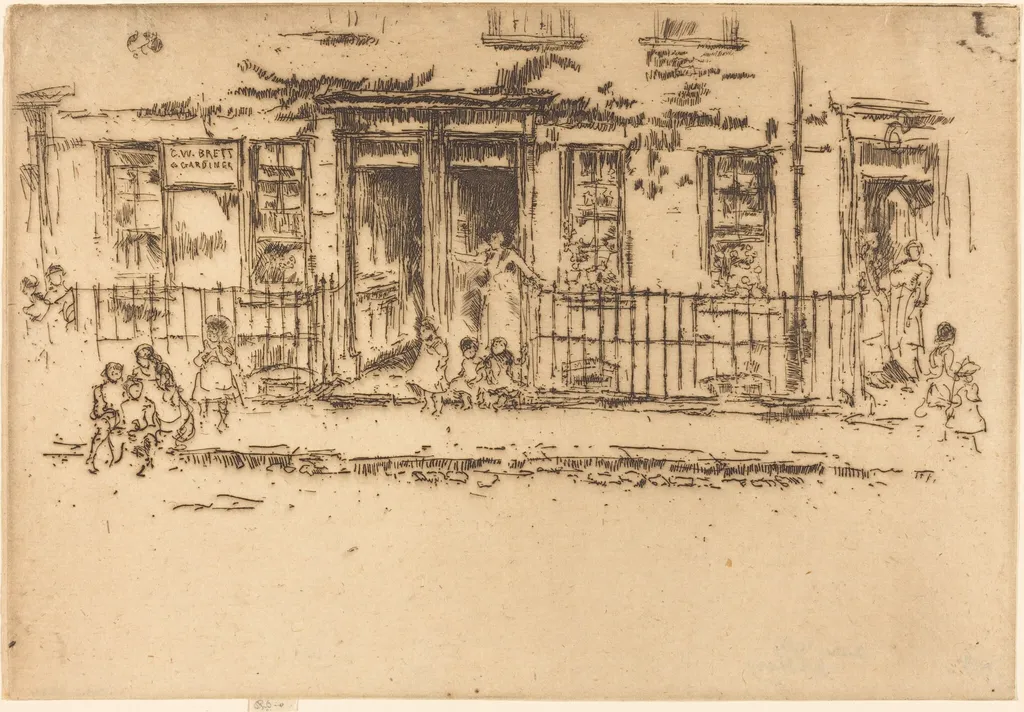
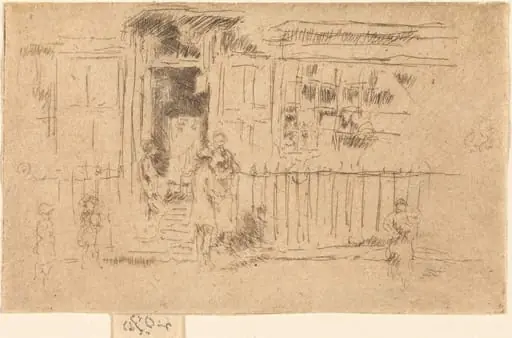
Justice Walk - Chelsea is an ink print by the Impressionist artist James McNeill Whistler. It dates from 1887 and is held in the collection of the National Gallery of Art.
About this work
Overview
Justice Walk - Chelsea is an etching and drypoint print created by James McNeill Whistler around 1887, showcasing his aesthetic focus on urban scenes during his time as an American expatriate in Britain.
Subject & Meaning
The print captures a serene street scene in Chelsea, London, where Whistler resided, prioritizing composition and tonal nuance over narrative depth. A woman and children are depicted in everyday activities in front of a building with a 'C.W. Brett & Carriage' sign, conveying a sense of calm daily life.
Technique & Style
Whistler utilized refined etching and drypoint techniques to achieve delicate precision, emphasizing light and shadow to add depth. His distinctive butterfly monogram is absent from the provided visual note but is a common signature of his works, reflecting both artistic delicacy and his controversial persona.
History & Provenance
Created circa 1887, the work reflects Whistler's late 19th-century activity in Britain. Specific provenance details are not provided in the available information.
Context
Part of Whistler's broader output of urban landscapes, 'Justice Walk - Chelsea' aligns with his preference for capturing the aesthetic of everyday city life, characteristic of his expatriate experience in London.
Legacy
As part of Whistler's print oeuvre, 'Justice Walk - Chelsea' contributes to his reputation for technical mastery in etching and drypoint, and his influence on the aesthetic movement's emphasis on beauty over moral themes.
Artist & collection
Artist
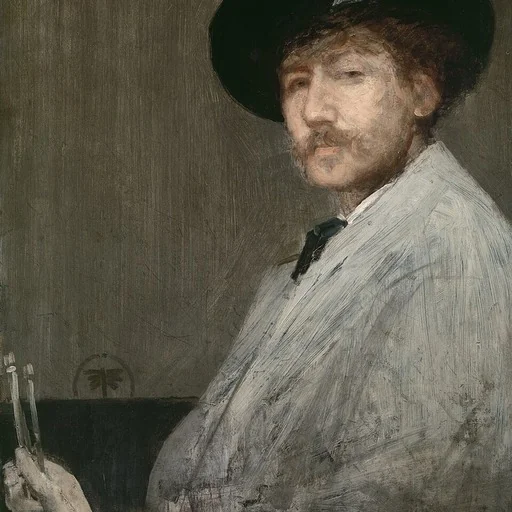
James Abbott McNeill Whistler was an American painter in oils and watercolor, and printmaker, active during the American Gilded Age and based primarily in the United Kingdom.

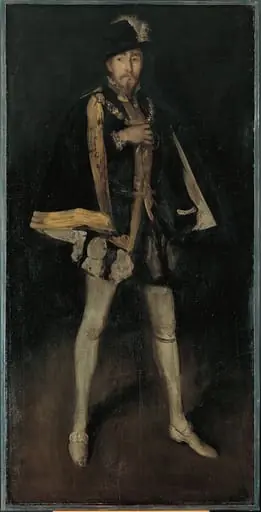 Arrangement in Black, No. 3: Sir Henry Irving as Philip II of Spain
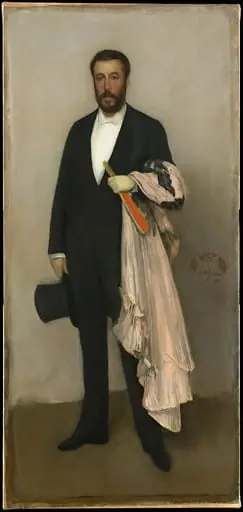 Arrangement in Flesh Colour and Black: Portrait of Theodore Duret
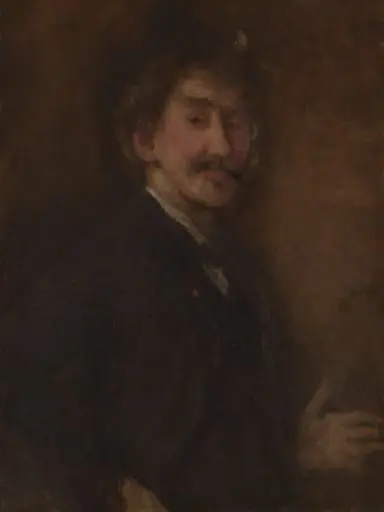 Gold and Brown: Self-Portrait
 Edward Guthrie Kennedy
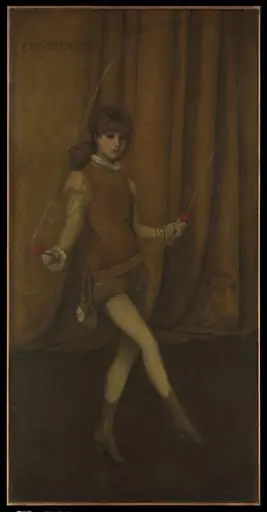 Harmony in Yellow and Gold: The Gold Girl—Connie Gilchrist
 George W. Vanderbilt
 Symphony in White, No. 1: The White Girl
 Henry Irving as Philip II of Spain