Artwork
La Marchande de Moutarde
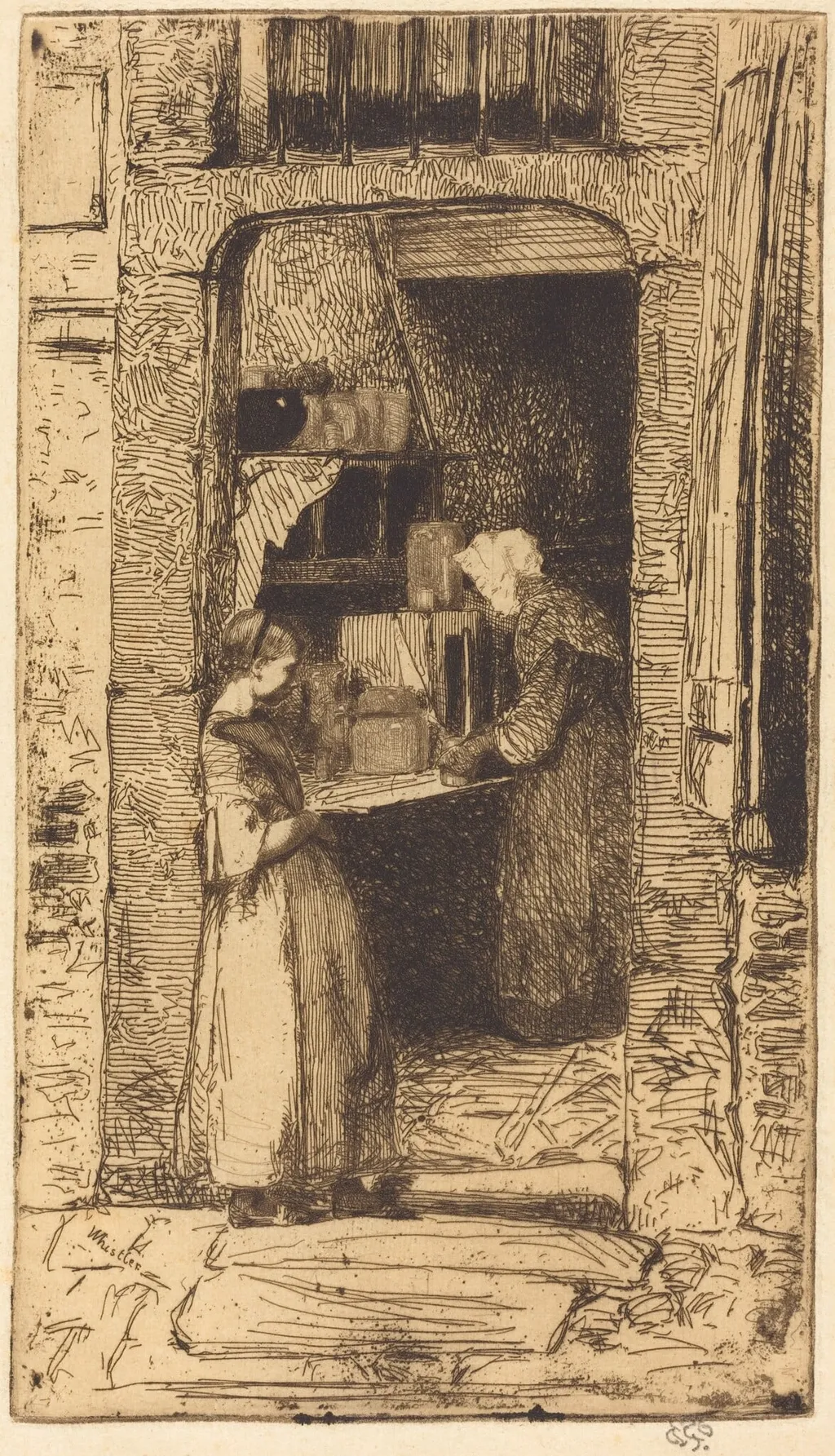
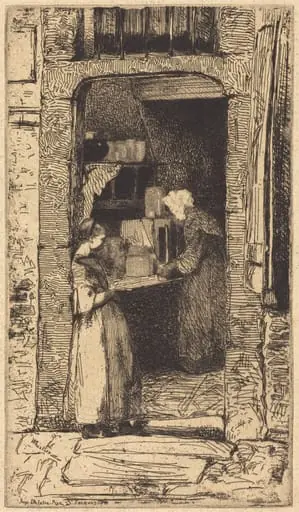
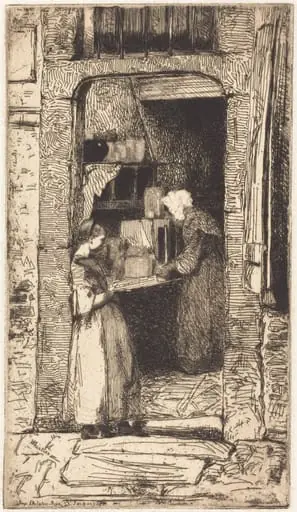
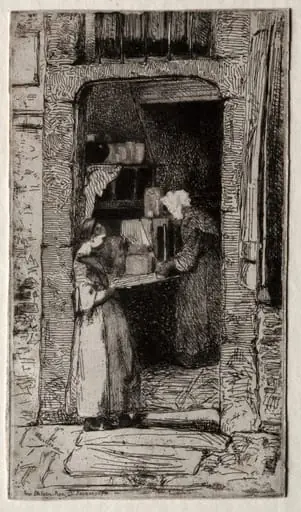
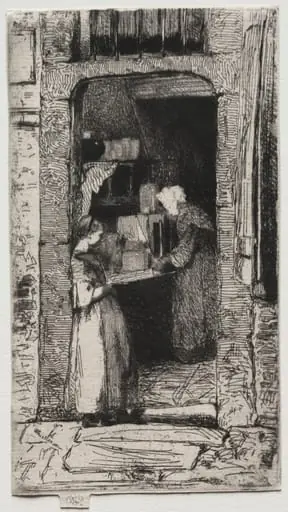
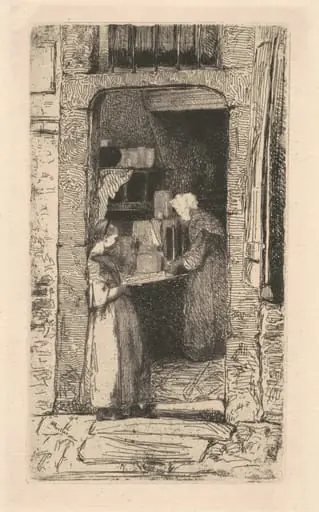
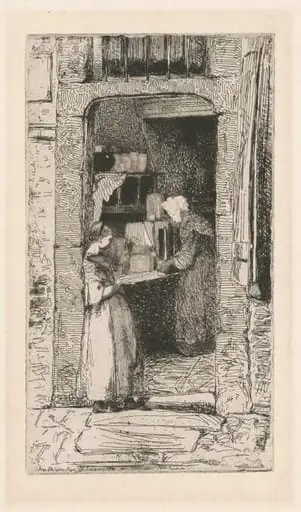
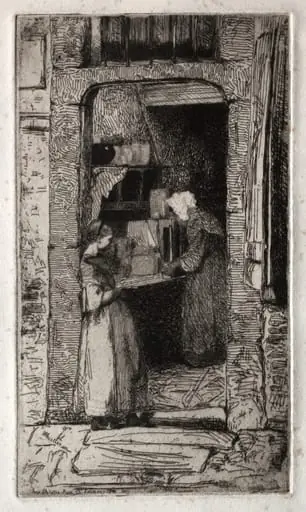
La Marchande de Moutarde is an ink print by the Impressionist artist James McNeill Whistler. It dates from 1858 and is held in the collection of the National Gallery of Art. Created in 1858, this dark brown etching on laid paper depicts a modest shop interior.
About this work
The artist used a technique called etching to create the dark lines and shadows, giving it a scratchy, almost sketchy feel.
This etching shows a woman standing inside a small, dimly lit shop. She’s holding a mustard pot and a spoon, with a white cloth draped over her arm. The background is packed with shelves of jars, and the walls look rough and textured, like old wood or stone.
The artist used a technique called etching to create the dark lines and shadows, giving it a scratchy, almost sketchy feel. This piece was made in 1858, when artists were starting to focus on everyday scenes instead of grand historical topics.
Next, check out etching to see how this method works.
Overview
Created in 1858, this dark brown etching on laid paper depicts a modest shop interior. A woman, identified as a mustard seller, holds a pot and spoon while a white cloth rests on her arm. Shelves crowded with jars line the rough, textured walls, conveying a quiet, everyday scene rendered with careful line work.
Subject & Meaning
The composition centers on a solitary vendor engaged in her trade, emphasizing the dignity of ordinary labor. By focusing on a commonplace market activity, the image reflects a mid‑nineteenth‑century shift toward portraying daily life rather than grand historical narratives.
Technique & Style
Executed through traditional etching, the artist incised fine lines that produce a sketch‑like, slightly rough texture. The use of dark brown ink on laid paper creates deep shadows and a tactile sense of surface, highlighting the artist’s early interest in precise graphic rendering.
History & Provenance
The work belongs to the artist’s formative period, preceding his later adoption of the “art for art’s sake” credo and his distinctive butterfly monogram. Produced while he was still establishing his reputation, the print offers insight into his developing graphic approach before his subsequent fame in oils and watercolors.
Context
Emerging at a time when European and American artists were turning toward genre scenes, the etching aligns with contemporary trends that valued realistic depictions of urban and market life. Its modest scale and domestic subject matter echo the broader cultural move toward realism in the 1850s.
Artist & collection
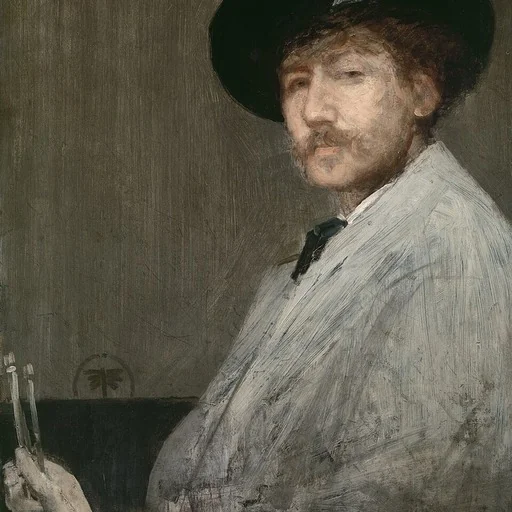
Artist
James Abbott McNeill Whistler was an American painter in oils and watercolor, and printmaker, active during the American Gilded Age and based primarily in the United Kingdom.

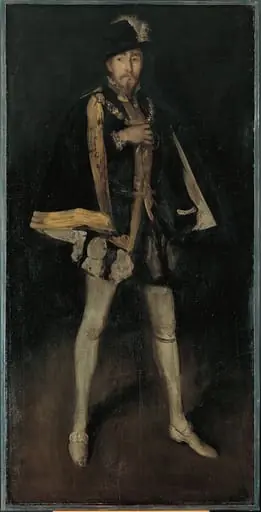 Arrangement in Black, No. 3: Sir Henry Irving as Philip II of Spain
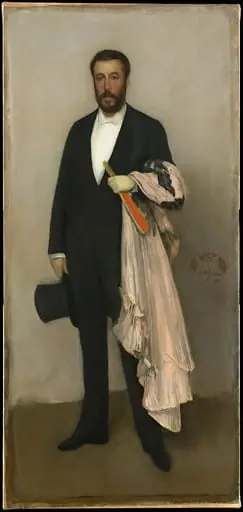 Arrangement in Flesh Colour and Black: Portrait of Theodore Duret
 Gold and Brown: Self-Portrait
 Edward Guthrie Kennedy
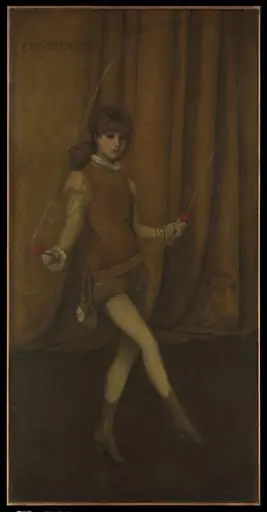 Harmony in Yellow and Gold: The Gold Girl—Connie Gilchrist
 George W. Vanderbilt
 Symphony in White, No. 1: The White Girl
 Henry Irving as Philip II of Spain