Artwork
Little Putney No. 1
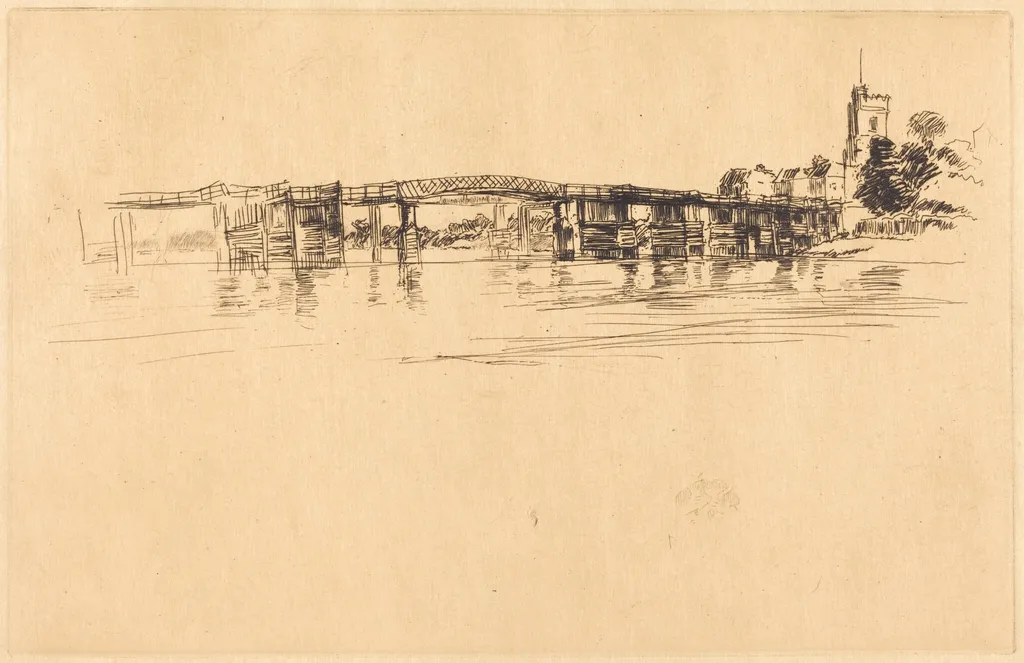
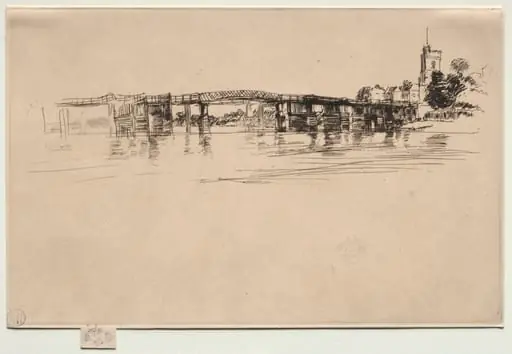
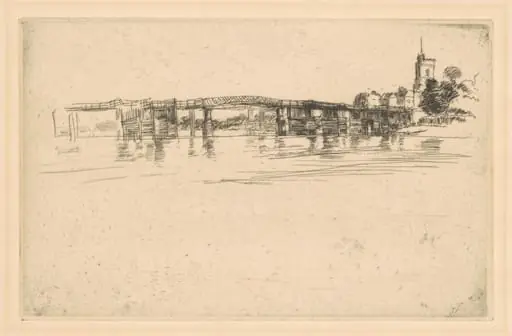
Little Putney No. 1 is an ink print by the Impressionist artist James McNeill Whistler. It dates from 1879 and is held in the collection of the National Gallery of Art. Created in 1879, *Little Putney No.
About this work
Overview
Created in 1879, *Little Putney No. 1* is a black-and-white print made by James McNeill Whistler using both etching and drypoint on wove paper. The work belongs to Whistler’s mature English period, when he concentrated on atmospheric, non‑narrative subjects rendered with subtle tonal gradations.
Subject & Meaning
The image presents a tranquil stretch of the Thames at Putney, showing a modest wooden bridge spanning calm water, a few pedestrians, and a distant church tower framed by trees. The composition emphasizes quietude and the simple geometry of the riverside rather than any explicit story.
Technique & Style
Whistler combined traditional etching—where acid bites lines into a copper plate—with drypoint, a process of directly incising the metal to produce soft, velvety edges. The drypoint lines appear slightly fuzzy, contributing to the print’s delicate, sketch‑like quality and its nuanced tonal range.
History & Provenance
The print was issued during Whistler’s active years in England, a time when he championed the principle of “art for art’s sake.” It was part of a series of river scenes that he produced in the late 1870s, reflecting his interest in capturing the mood of specific locales without overt symbolism.
Context
*Little Putney No. 1* aligns with the late‑19th‑century aesthetic movement that favored formal harmony and visual pleasure over moralizing content. Whistler’s approach, focusing on tonal harmony and restrained line, placed him alongside contemporaries who sought to free art from narrative constraints.
Artist & collection
Artist
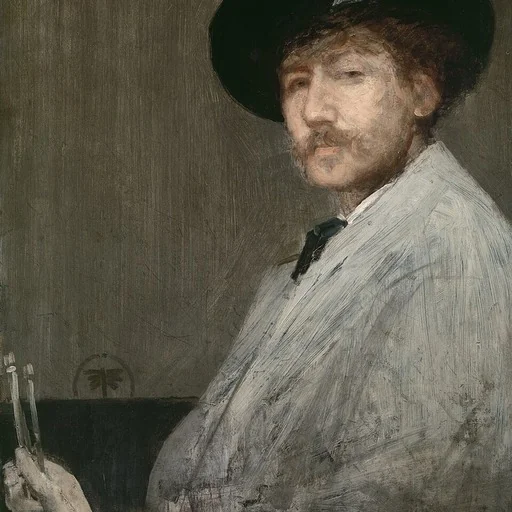
James Abbott McNeill Whistler was an American painter in oils and watercolor, and printmaker, active during the American Gilded Age and based primarily in the United Kingdom.

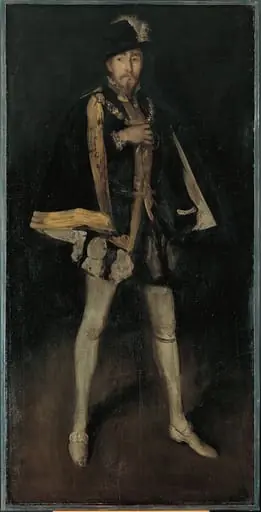 Arrangement in Black, No. 3: Sir Henry Irving as Philip II of Spain
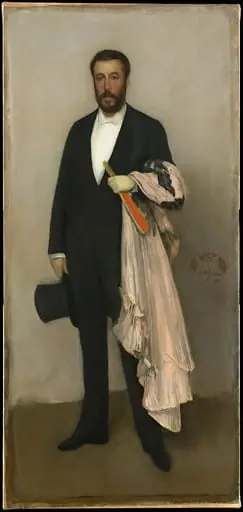 Arrangement in Flesh Colour and Black: Portrait of Theodore Duret
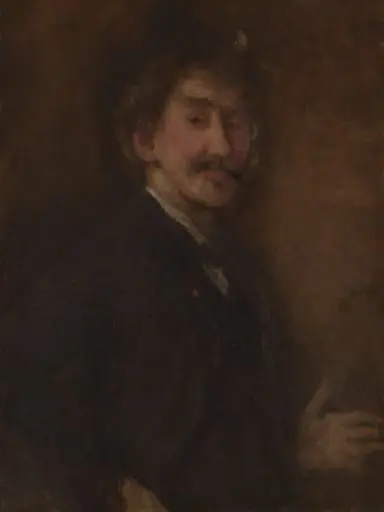 Gold and Brown: Self-Portrait
 Edward Guthrie Kennedy
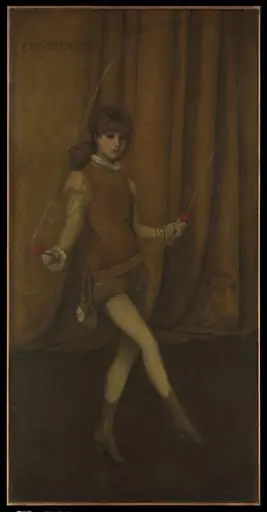 Harmony in Yellow and Gold: The Gold Girl—Connie Gilchrist
 George W. Vanderbilt
 Symphony in White, No. 1: The White Girl
 Henry Irving as Philip II of Spain