Artwork
Long Lagoon
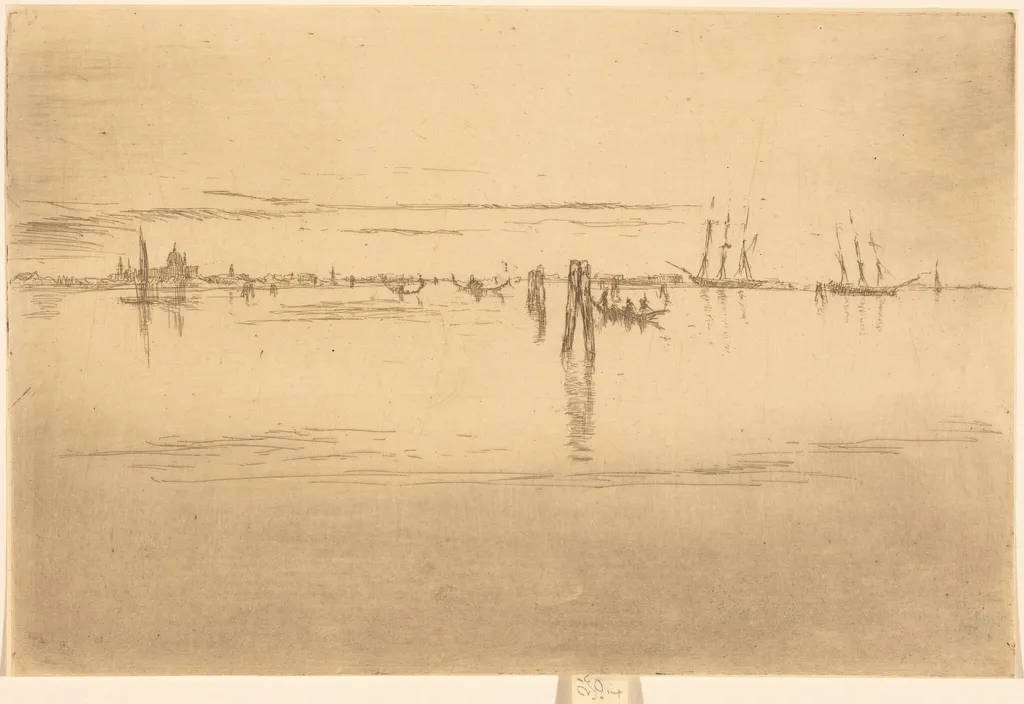
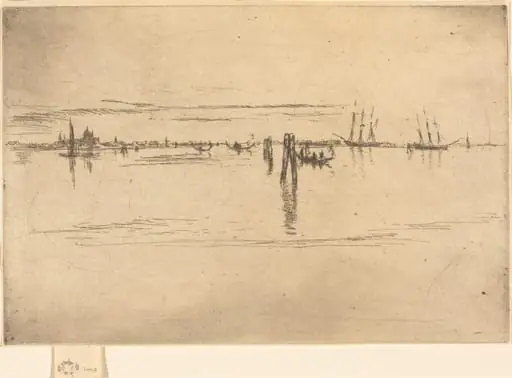
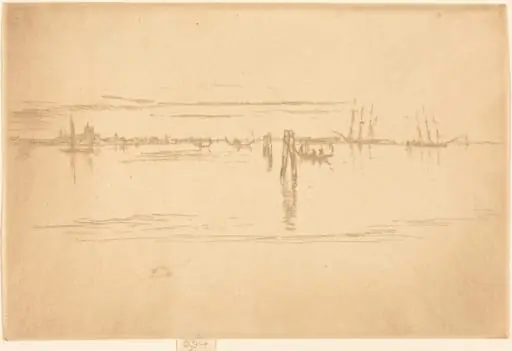
Long Lagoon is an ink print by the Impressionist artist James McNeill Whistler. It dates from 1880 and is held in the collection of the National Gallery of Art.
About this work
Overview
The print presents a slender stretch of water flanked by distant trees and modest architecture, rendered with a lightness that suggests a fleeting observation.
Long Lagoon, created in 1880, is an etching and drypoint executed on Asian laid paper. The print presents a slender stretch of water flanked by distant trees and modest architecture, rendered with a lightness that suggests a fleeting observation. Whistler’s handling of line and tone produces a tranquil atmosphere, inviting the viewer to contemplate the scene’s quiet expanse rather than a specific narrative.
Subject & Meaning
The composition depicts a narrow lagoon extending into the horizon, its surface marked only by subtle ripples that hint at gentle movement. Sparse foliage and low buildings appear as silhouettes, reinforcing a sense of distance and stillness. By emphasizing mood over story, the work embodies Whistler’s belief that visual harmony can stand alone as the primary content of art.
Technique & Style
Whistler combined traditional etching with drypoint, a process that involves incising lines directly into a copper plate. The drypoint marks retain a characteristic burr, yielding crisp, velvety edges that contrast with the smoother etched tones. This dual approach allows for delicate gradations of gray, creating the soft atmospheric quality for which the print is noted.
History & Provenance
Produced during Whistler’s mature period while residing in Britain, Long Lagoon reflects the artist’s engagement with the aesthetic movement of the late nineteenth century. The print bears his distinctive butterfly monogram, a signature that linked his refined visual language with his public identity. It circulated among collectors who valued Whistler’s commitment to “art for art’s sake.”
Context & Legacy
Long Lagoon exemplifies Whistler’s shift away from narrative illustration toward an emphasis on tonal balance and compositional restraint. This approach influenced contemporaneous printmakers and later modernists who explored the expressive potential of limited palettes. The work remains a reference point for studies of late‑Victorian print techniques and the broader cultural turn toward aesthetic autonomy.
Artist & collection
Artist
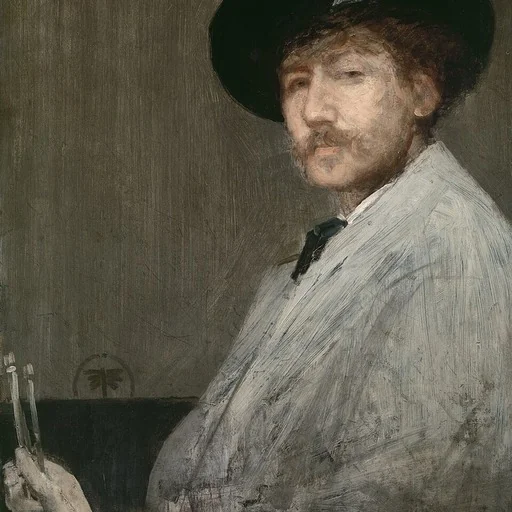
James Abbott McNeill Whistler was an American painter in oils and watercolor, and printmaker, active during the American Gilded Age and based primarily in the United Kingdom.

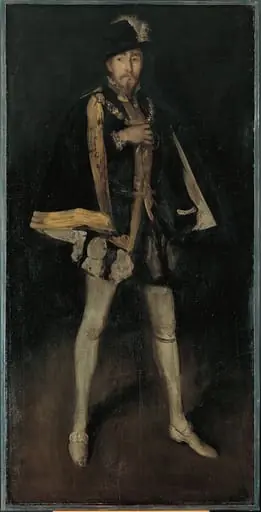 Arrangement in Black, No. 3: Sir Henry Irving as Philip II of Spain
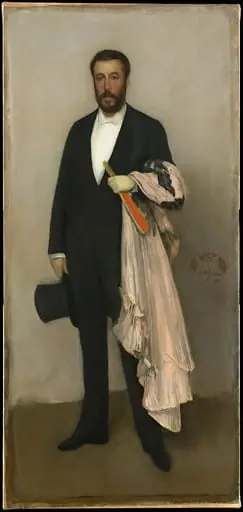 Arrangement in Flesh Colour and Black: Portrait of Theodore Duret
 Gold and Brown: Self-Portrait
 Edward Guthrie Kennedy
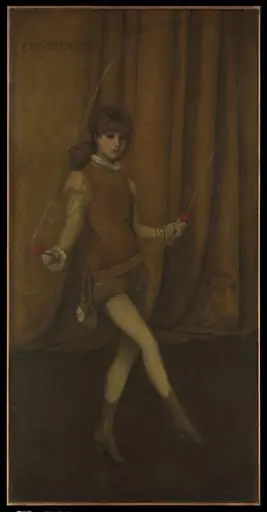 Harmony in Yellow and Gold: The Gold Girl—Connie Gilchrist
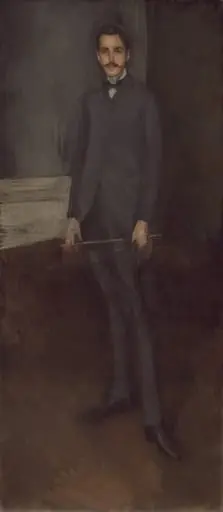 George W. Vanderbilt
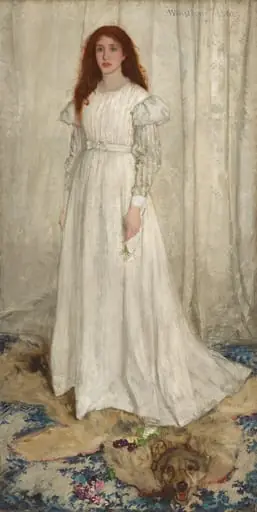 Symphony in White, No. 1: The White Girl
 Henry Irving as Philip II of Spain