Artwork
Mother and Child, No. 1
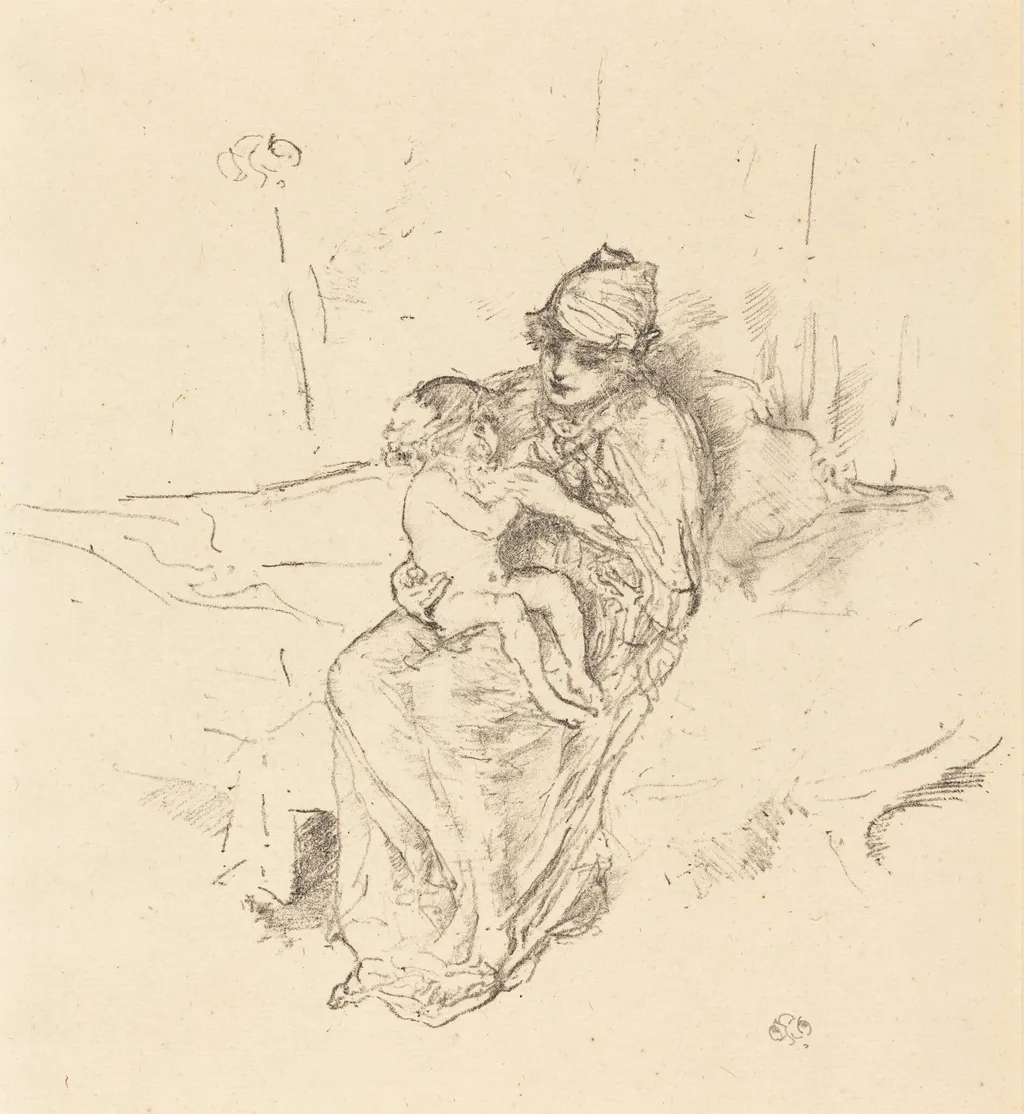
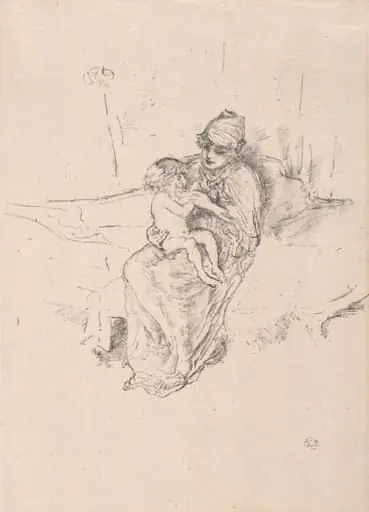
Mother and Child, No. 1 is an ink print by the Impressionist artist James McNeill Whistler. It dates from 1893 and is held in the collection of the National Gallery of Art.
About this work
Overview
Executed in black ink on laid paper, the work belongs to a small series exploring maternal forms through minimal means.
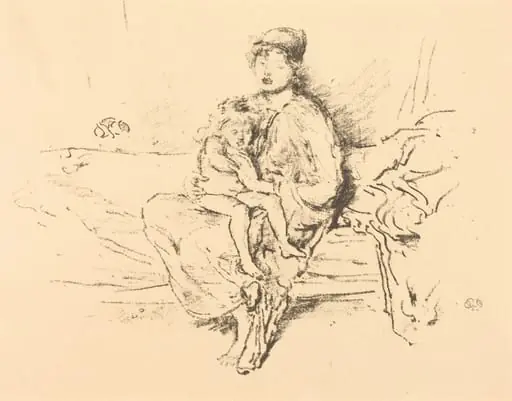
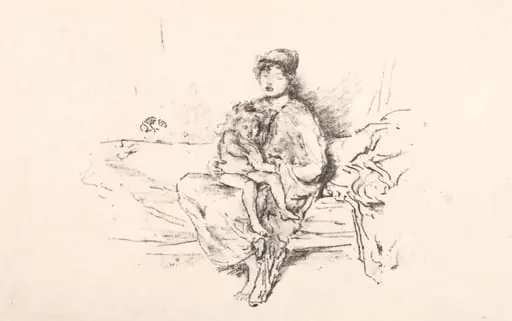
Created in 1893, this lithograph by James McNeill Whistler depicts a mother and infant in a quiet, intimate moment. Executed in black ink on laid paper, the work belongs to a small series exploring maternal forms through minimal means. Its restrained palette and unembellished composition reflect Whistler’s commitment to tonal harmony over narrative detail, aligning with his broader aesthetic philosophy of art as an arrangement of form and light.
Subject & Meaning
The figure of a seated woman cradling a child is rendered without idealization or sentimentality. The pose is natural, unposed, suggesting an ordinary, private moment rather than a symbolic or religious tableau. Whistler avoids overt emotional cues, instead inviting contemplation through the quiet balance of figures and the soft interplay of mass and space, emphasizing presence over story.
Technique & Style
Whistler employed lithography, drawing directly onto a limestone surface with greasy crayon, then printing the image. The lines are fluid and immediate, with hatched shading suggesting volume and fabric folds. The background is lightly suggested—faint plant forms and a blurred outline—leaving much to the viewer’s imagination. The work’s unfinished appearance reflects Whistler’s preference for suggestion over finish, valuing spontaneity and tonal nuance.
History & Provenance
This print was produced during Whistler’s mature period in London, when he focused increasingly on printmaking as a medium for formal experimentation. It was likely made for private circulation or as part of a limited edition, consistent with his practice of releasing small runs of etchings and lithographs. No major public collection records its early ownership, but it is documented in scholarly catalogs of his graphic work from the 1890s.
Context
In the 1890s, Whistler distanced himself from the narrative-driven art of his contemporaries, aligning with the Aesthetic Movement’s principle of 'art for art’s sake.' His lithographs, including this one, responded to Japanese prints and Impressionist tonal studies, favoring economy of line and atmospheric suggestion. This work sits within a broader shift in printmaking toward personal, introspective imagery rather than illustrative clarity.
Legacy
Mother and Child, No. 1 exemplifies Whistler’s influence on modern printmaking through its emphasis on mood and abstraction over detail. Later artists, particularly those exploring tonal minimalism, found in his lithographs a model for conveying emotion through restraint. Though not widely exhibited in his lifetime, the work remains a key example of how printmaking could serve as a vehicle for quiet, refined artistic inquiry.
Own this work as a print
Artist & collection
Artist
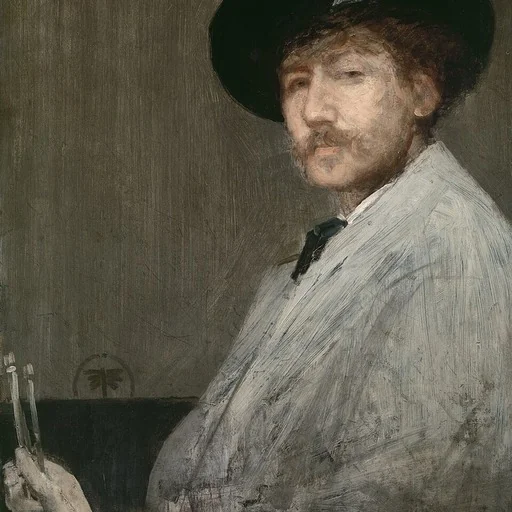
James Abbott McNeill Whistler was an American painter in oils and watercolor, and printmaker, active during the American Gilded Age and based primarily in the United Kingdom.

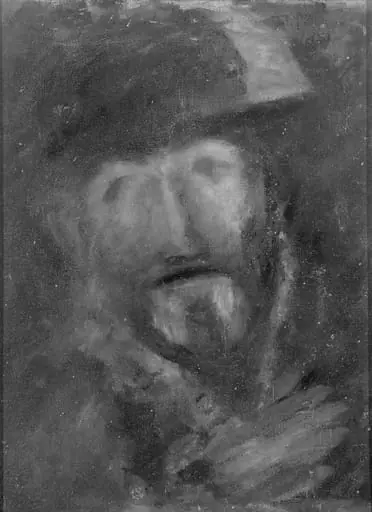
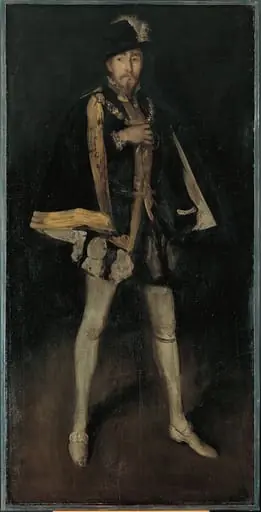 Arrangement in Black, No. 3: Sir Henry Irving as Philip II of Spain
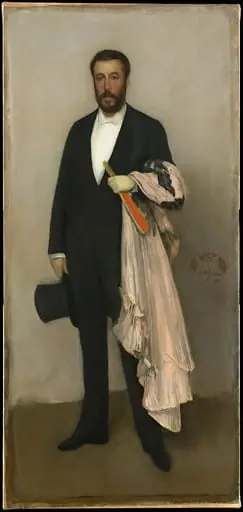 Arrangement in Flesh Colour and Black: Portrait of Theodore Duret
 Gold and Brown: Self-Portrait
 Edward Guthrie Kennedy
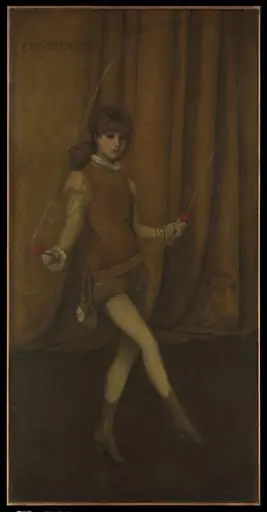 Harmony in Yellow and Gold: The Gold Girl—Connie Gilchrist
 George W. Vanderbilt
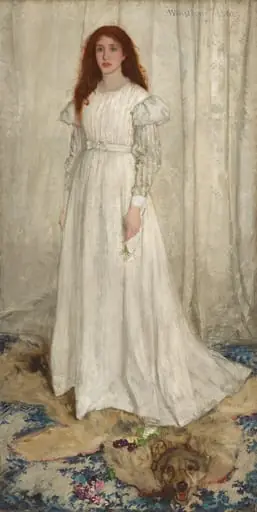 Symphony in White, No. 1: The White Girl
 Henry Irving as Philip II of Spain