Artwork
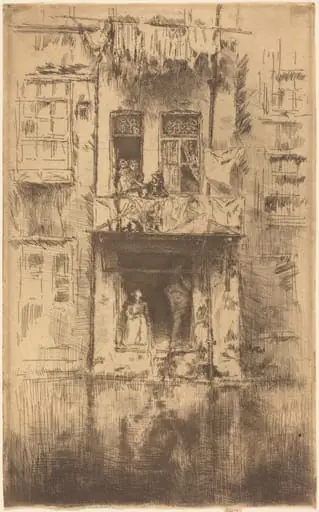
The Balcony
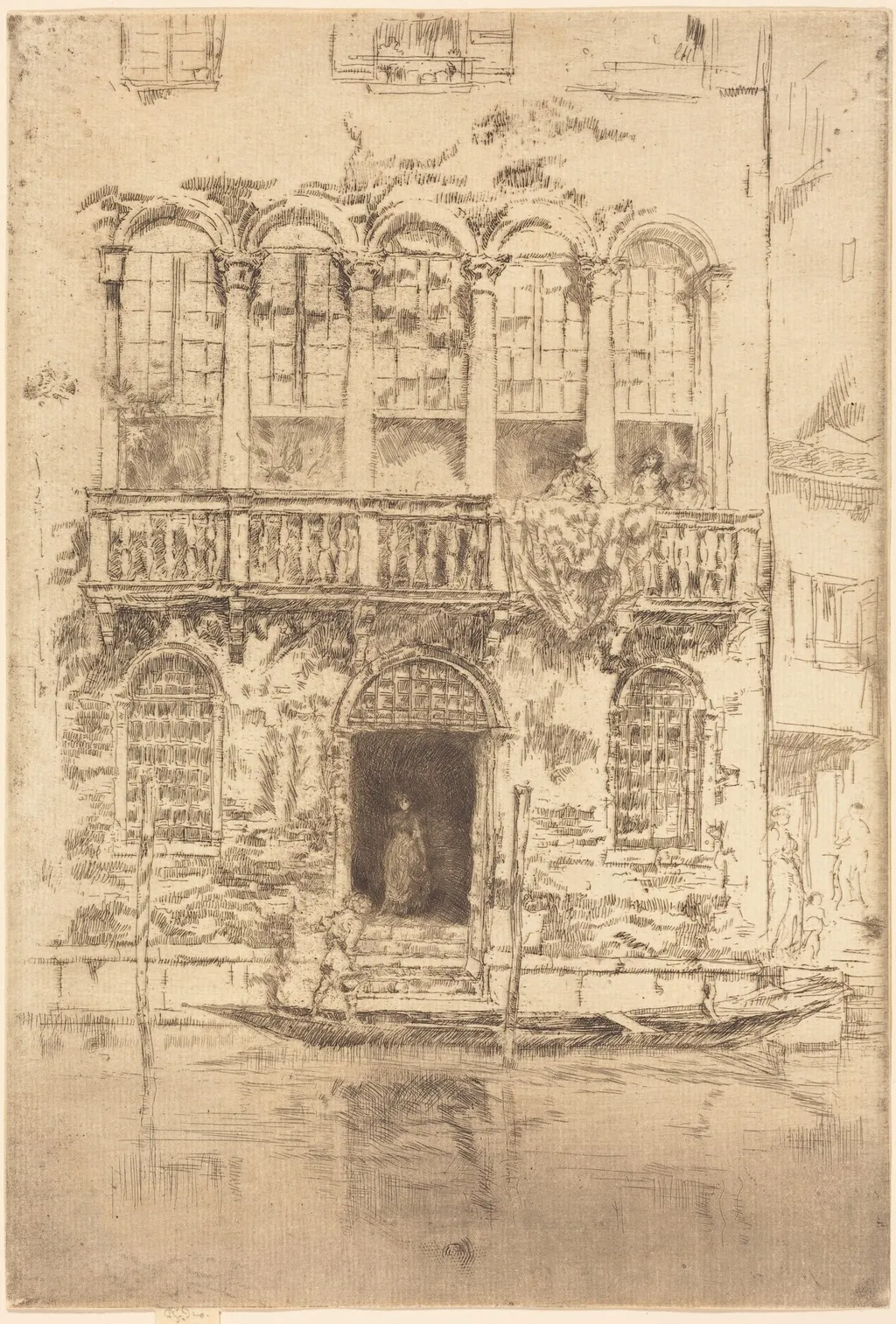
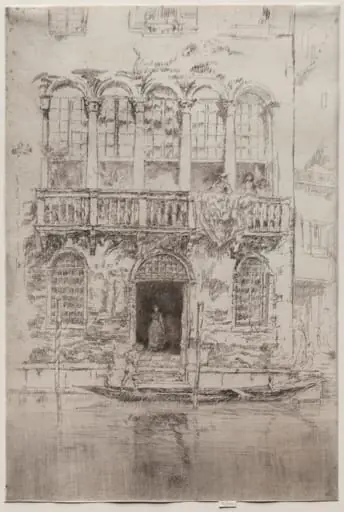
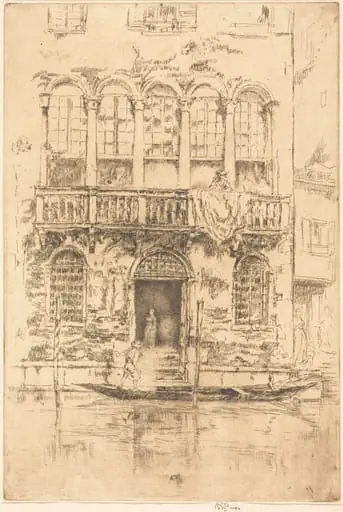
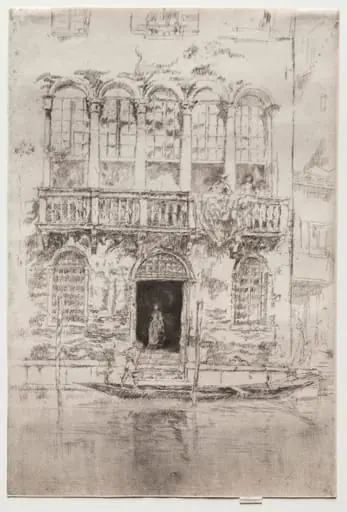
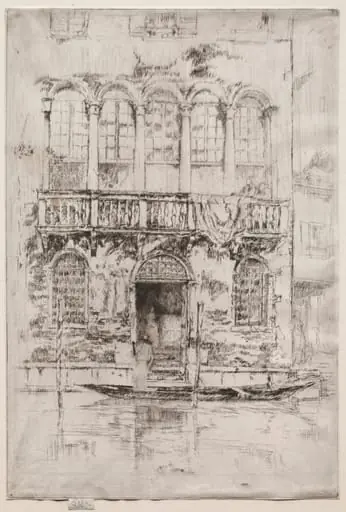
The Balcony is an ink print by the Impressionist artist James McNeill Whistler. It dates from 1880 and is held in the collection of the National Gallery of Art.
About this work
Overview
The Balcony is a print created by James McNeill Whistler in 1880, utilizing etching and drypoint techniques on laid paper. Characterized by loose, scratchy lines and textured marks, the work embodies Whistler's technical prowess in printmaking.
Subject & Meaning
The print depicts a tall, vacant building with a balcony and arched windows, alongside a dark doorway containing a small figure. The emphasis lies in aesthetic composition rather than narrative depth, reflecting Whistler's adherence to the 'art for art's sake' principle.
Technique & Style
Whistler employed etching and drypoint to achieve delicate lines and controlled tonal contrasts. The drypoint technique, evident in the rough, textured marks, complements the loose, sketchy quality of the lines, evoking the immediacy of pencil strokes. His distinctive butterfly signature is incorporated into the plate.
History & Provenance
Created in 1880, The Balcony is a product of Whistler's period as an American expatriate in Britain during the late 19th century. Specific provenance details are not provided.
Context
The work aligns with the late 19th-century artistic movement emphasizing aesthetic harmony over emotional or narrative content. Whistler's technique and style in The Balcony reflect his contributions to the development of printmaking during this period.
Legacy
While specific legacy details of The Balcony are not provided, the piece contributes to Whistler's broader influence on printmaking and the 'art for art's sake' movement, highlighting his skill in balancing composition with technical innovation.
Artist & collection
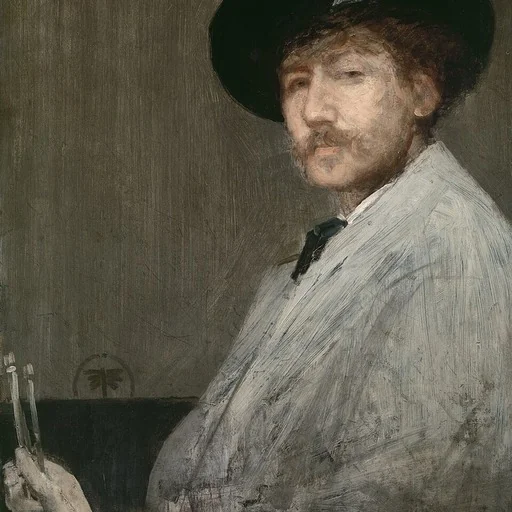
Artist
James Abbott McNeill Whistler was an American painter in oils and watercolor, and printmaker, active during the American Gilded Age and based primarily in the United Kingdom.

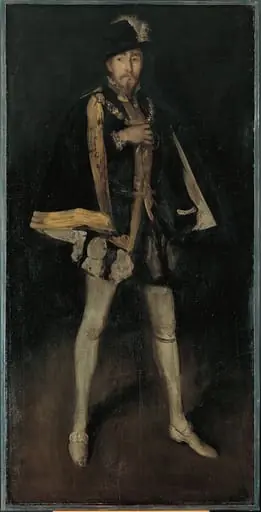 Arrangement in Black, No. 3: Sir Henry Irving as Philip II of Spain
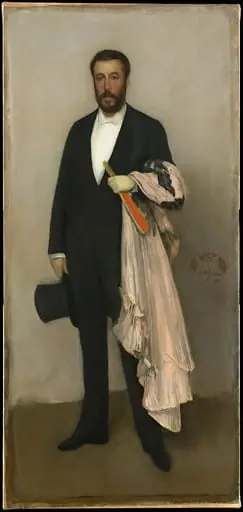 Arrangement in Flesh Colour and Black: Portrait of Theodore Duret
 Gold and Brown: Self-Portrait
 Edward Guthrie Kennedy
 Harmony in Yellow and Gold: The Gold Girl—Connie Gilchrist
 George W. Vanderbilt
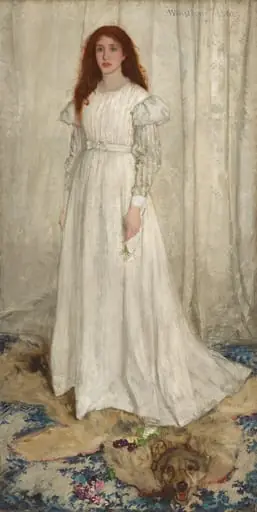 Symphony in White, No. 1: The White Girl
 Henry Irving as Philip II of Spain