Artwork
The Little Pool
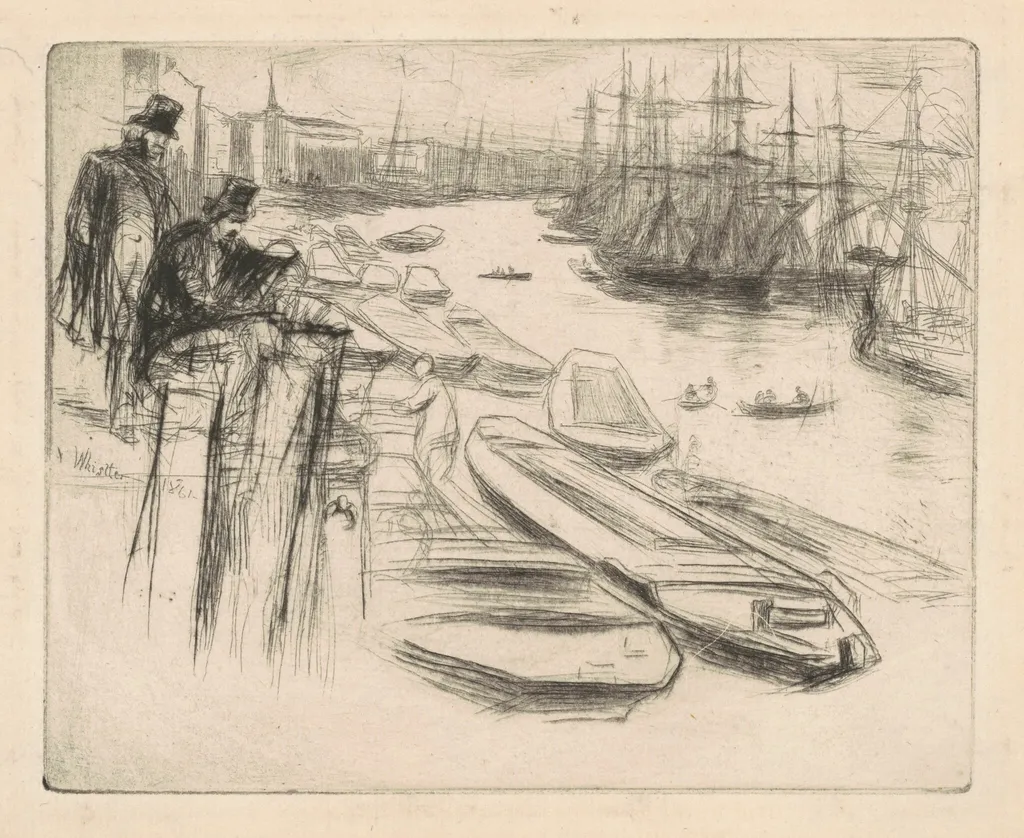
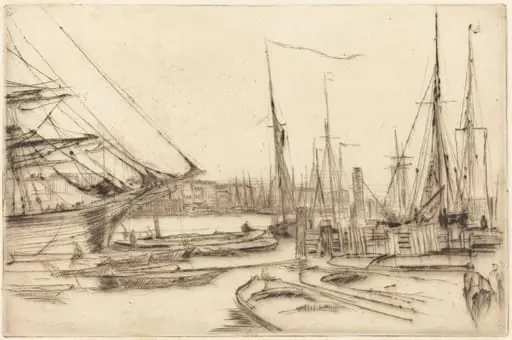
The Little Pool is an ink print by the Impressionist artist James McNeill Whistler. It dates from 1861 and is held in the collection of the National Gallery of Art.
About this work
Overview
The composition is restrained, emphasizing atmosphere over narrative, and reflects Whistler’s interest in the subtle rhythms of urban waterfront life.
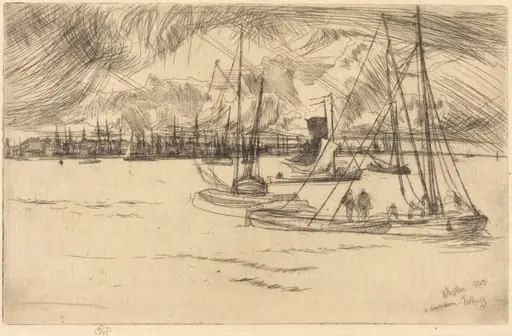
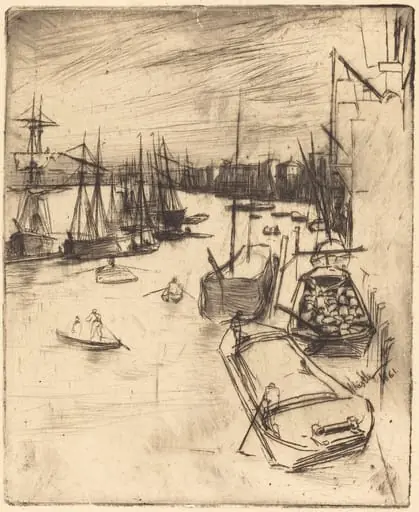
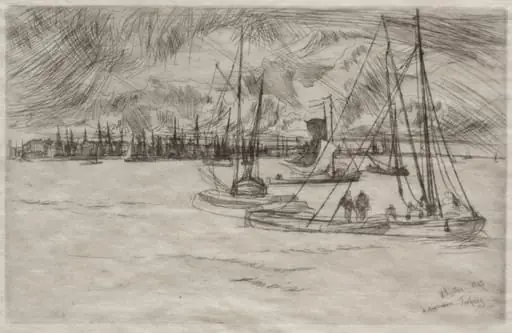
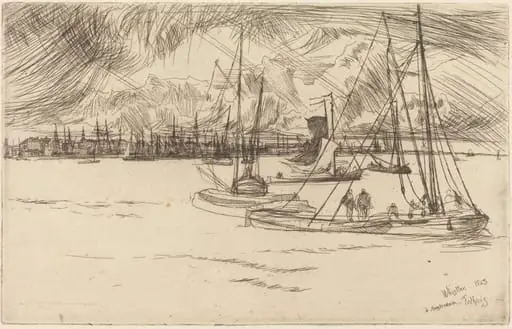
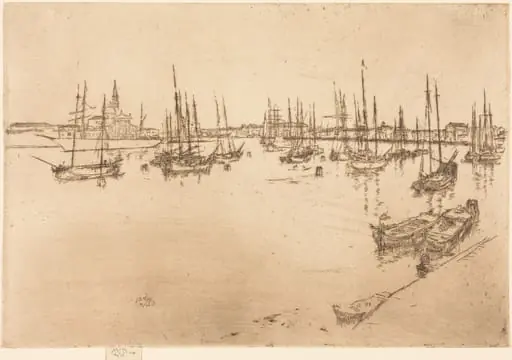
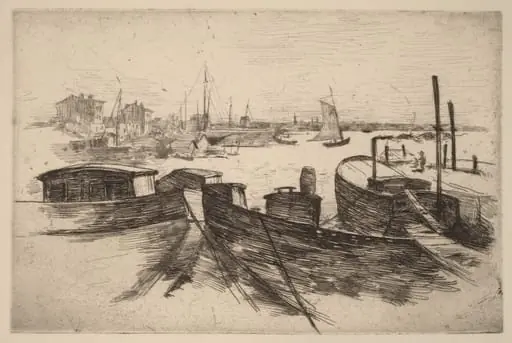
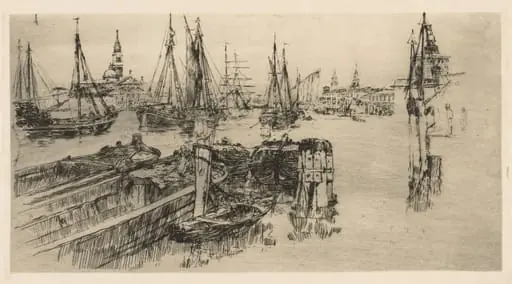
Created in 1861, 'The Little Pool' is an etching and drypoint on laid paper by James McNeill Whistler. It captures a quiet moment in a working harbor, where two figures in dark clothing stand near the water’s edge, observing the activity around them. The composition is restrained, emphasizing atmosphere over narrative, and reflects Whistler’s interest in the subtle rhythms of urban waterfront life.
Subject & Meaning
The scene centers on two anonymous men, their postures suggesting contemplation rather than engagement. Behind them, boats, masts, and figures suggest the quiet bustle of a port, but no single action dominates. Whistler avoids dramatic storytelling, instead inviting viewers to absorb the mood of the place — a meditation on observation, solitude, and the unnoticed rhythms of labor and transit in a 19th-century harbor.
Technique & Style
Whistler employed etching and drypoint to create a range of tonal gradations using fine, fluid lines. The inked surface suggests movement through loose, suggestive strokes rather than detailed rendering. The monochromatic palette enhances the sense of atmosphere, with shadows and light defined by the density of line and the texture of the paper. His method prioritizes suggestion over precision, aligning with his interest in tonal harmony.
History & Provenance
Executed in 1861, the print emerged during Whistler’s early years in London, when he was deeply engaged with the city’s waterways and industrial edges. It was likely produced for private circulation among collectors and fellow artists, not for mass distribution. The work remained within private hands for much of its history, reflecting its status as a quiet, introspective piece rather than a public statement.
Context
In the early 1860s, Whistler was moving away from traditional narrative painting toward compositions that emphasized mood and form. 'The Little Pool' aligns with his growing fascination with everyday urban scenes — docks, alleys, and riverbanks — often devoid of clear drama. This approach paralleled emerging photographic practices and Japanese prints, both of which influenced his compositional economy and attention to transient moments.
Legacy
The print exemplifies Whistler’s contribution to the revival of etching as a serious artistic medium in the 19th century. Rather than treating it as a reproductive tool, he used it to explore light, texture, and atmosphere with the sensitivity of a painter. 'The Little Pool' remains a quiet but influential example of how printmaking could convey the poetry of ordinary urban life.
Own this work as a print
Artist & collection
Artist
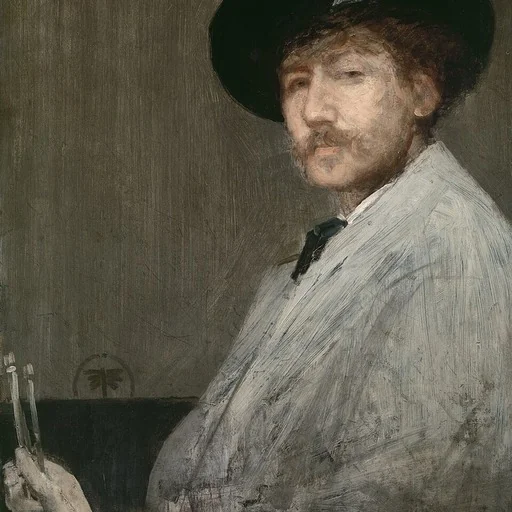
James Abbott McNeill Whistler was an American painter in oils and watercolor, and printmaker, active during the American Gilded Age and based primarily in the United Kingdom.

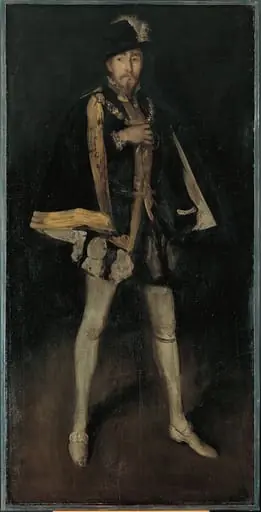 Arrangement in Black, No. 3: Sir Henry Irving as Philip II of Spain
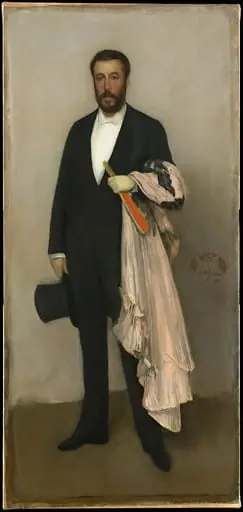 Arrangement in Flesh Colour and Black: Portrait of Theodore Duret
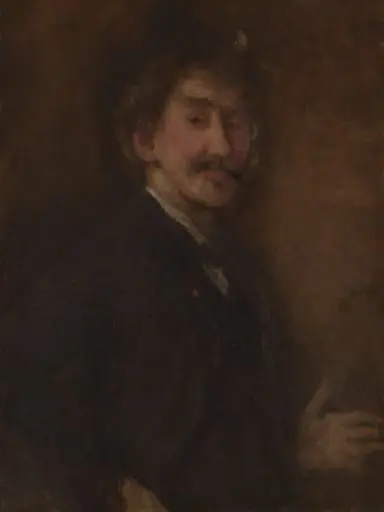 Gold and Brown: Self-Portrait
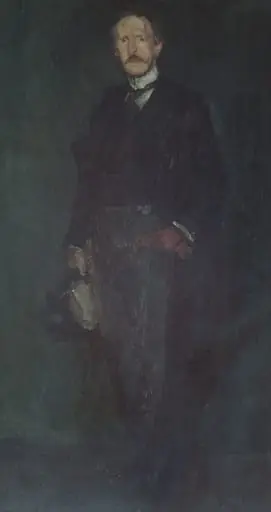 Edward Guthrie Kennedy
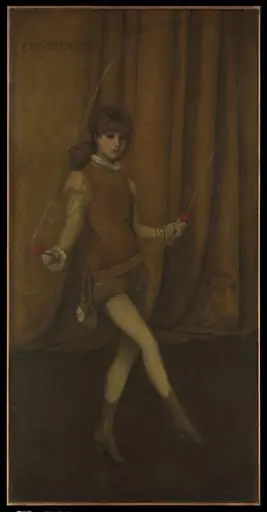 Harmony in Yellow and Gold: The Gold Girl—Connie Gilchrist
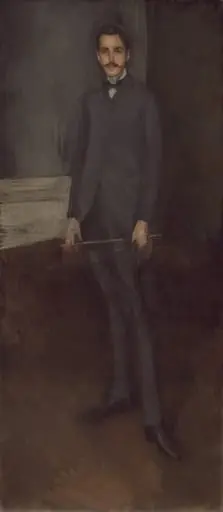 George W. Vanderbilt
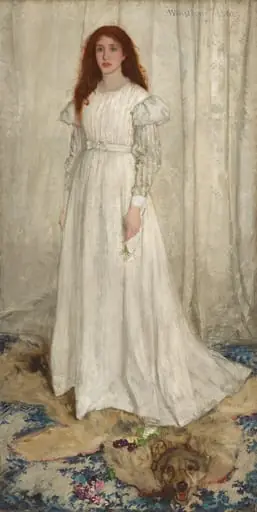 Symphony in White, No. 1: The White Girl
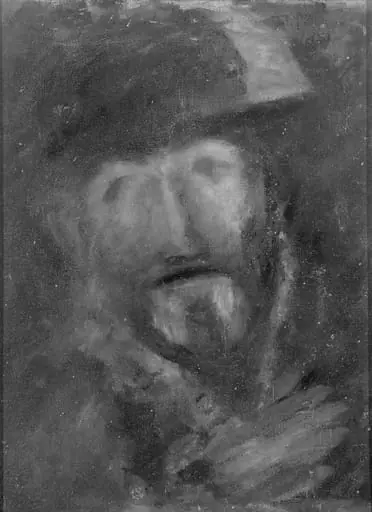 Henry Irving as Philip II of Spain