Artwork
Waterloo Bridge
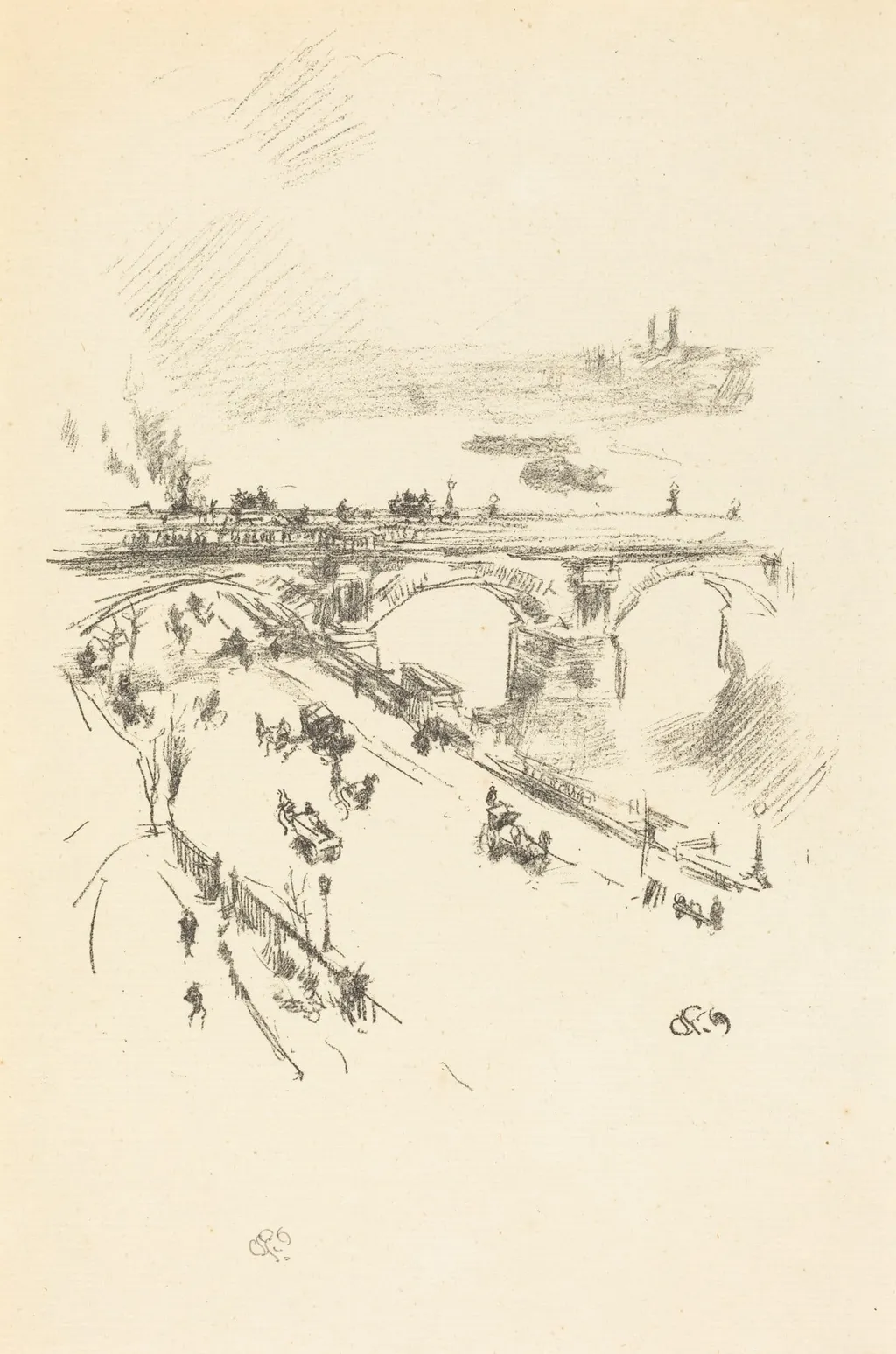
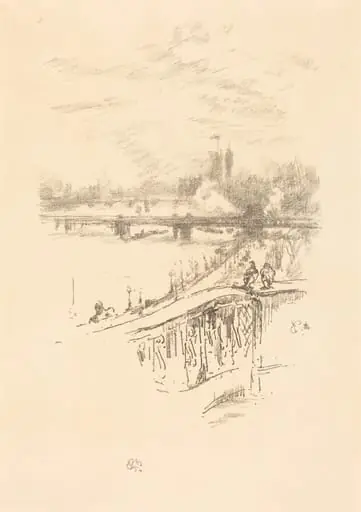
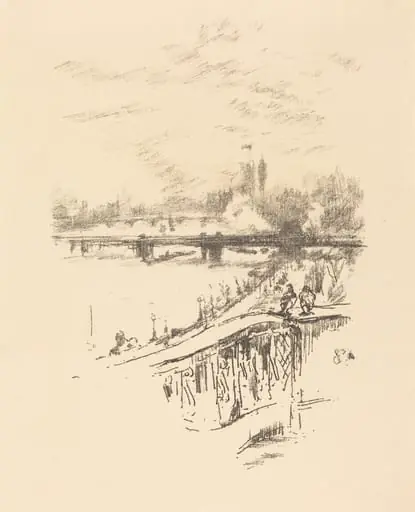
Waterloo Bridge is an ink print by the Impressionist artist James McNeill Whistler. It dates from 1896 and is held in the collection of the National Gallery of Art.
About this work
Overview
James McNeill Whistler’s 1896 lithograph titled *Waterloo Bridge* presents a bustling scene of the London landmark rendered entirely in black on laid paper. The print captures the bridge’s three arches, the calm river beneath, and the flow of pedestrians, horses, and a nearby railway, offering a snapshot of urban activity in the late nineteenth century.
Subject & Meaning
The composition focuses on the everyday traffic crossing Waterloo Bridge, juxtaposing the solidity of the stone arches with the transient movement of people and animals. By emphasizing the bridge’s structural rhythm and the river’s stillness, Whistler highlights the interplay between permanent architecture and fleeting human activity, a theme consistent with his interest in visual harmony over narrative content.
Technique & Style
Executed in lithography, Whistler employed swift, gestural lines that convey motion and atmospheric light. The monochrome palette and loose handling align the work with Impressionist concerns for momentary perception, while the use of laid paper adds a subtle texture that enhances the sense of depth and immediacy.
History & Provenance
Created during Whistler’s mature period while residing in the United Kingdom, the print reflects his shift from oil and watercolor to printmaking. It was produced in limited numbers, typical of his lithographic practice, and later entered private collections before being acquired by several public institutions that now hold it as part of their nineteenth‑century print holdings.
Context
*Waterloo Bridge* belongs to a series of urban scenes Whistler produced in the 1890s, a time when the artist was closely associated with the “art for art’s sake” movement. His emphasis on aesthetic arrangement over storytelling mirrors contemporary debates in British and American art circles about the role of beauty and form in modern visual culture.
Legacy
The lithograph exemplifies Whistler’s contribution to the development of modern printmaking, demonstrating how a single‑color medium could convey complex urban atmospheres. It continues to be studied for its synthesis of Impressionist visual strategies and the disciplined economy of line characteristic of late‑nineteenth‑century British print culture.
Artist & collection
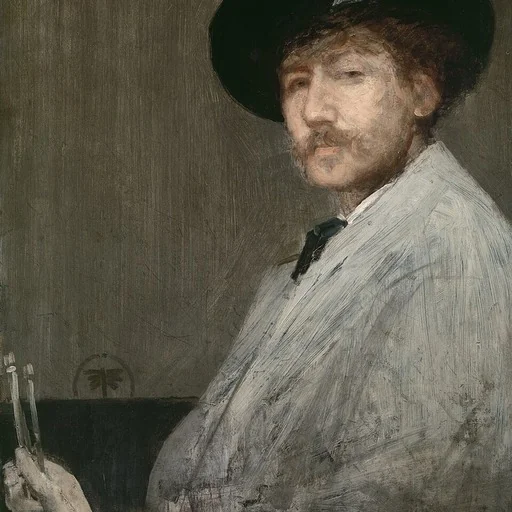
Artist
James Abbott McNeill Whistler was an American painter in oils and watercolor, and printmaker, active during the American Gilded Age and based primarily in the United Kingdom.

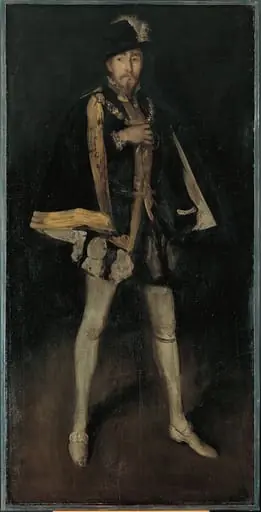 Arrangement in Black, No. 3: Sir Henry Irving as Philip II of Spain
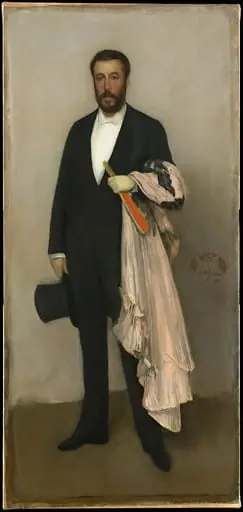 Arrangement in Flesh Colour and Black: Portrait of Theodore Duret
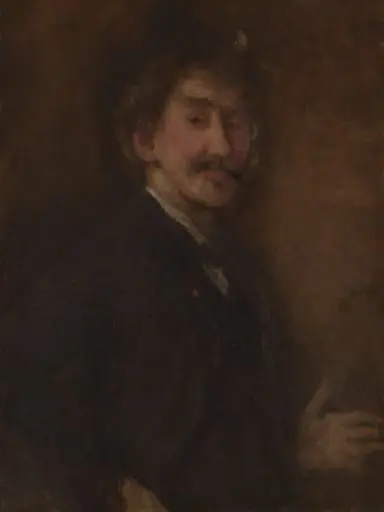 Gold and Brown: Self-Portrait
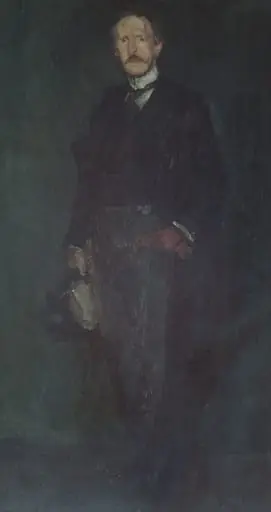 Edward Guthrie Kennedy
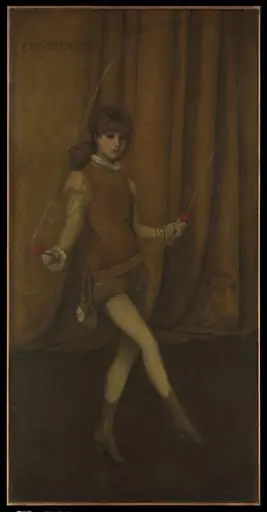 Harmony in Yellow and Gold: The Gold Girl—Connie Gilchrist
 George W. Vanderbilt
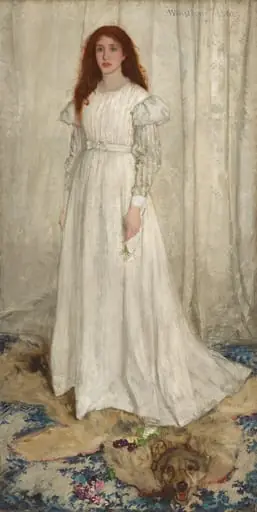 Symphony in White, No. 1: The White Girl
 Henry Irving as Philip II of Spain
![The Eads Bridge, St. Louis [top], by American 20th Century](https://artifactworldgallery.com/img/american-20th-century--the-eads-bridge-st-louis-top--5e23fa5f4cd6aa2c-w320.webp)