Artwork
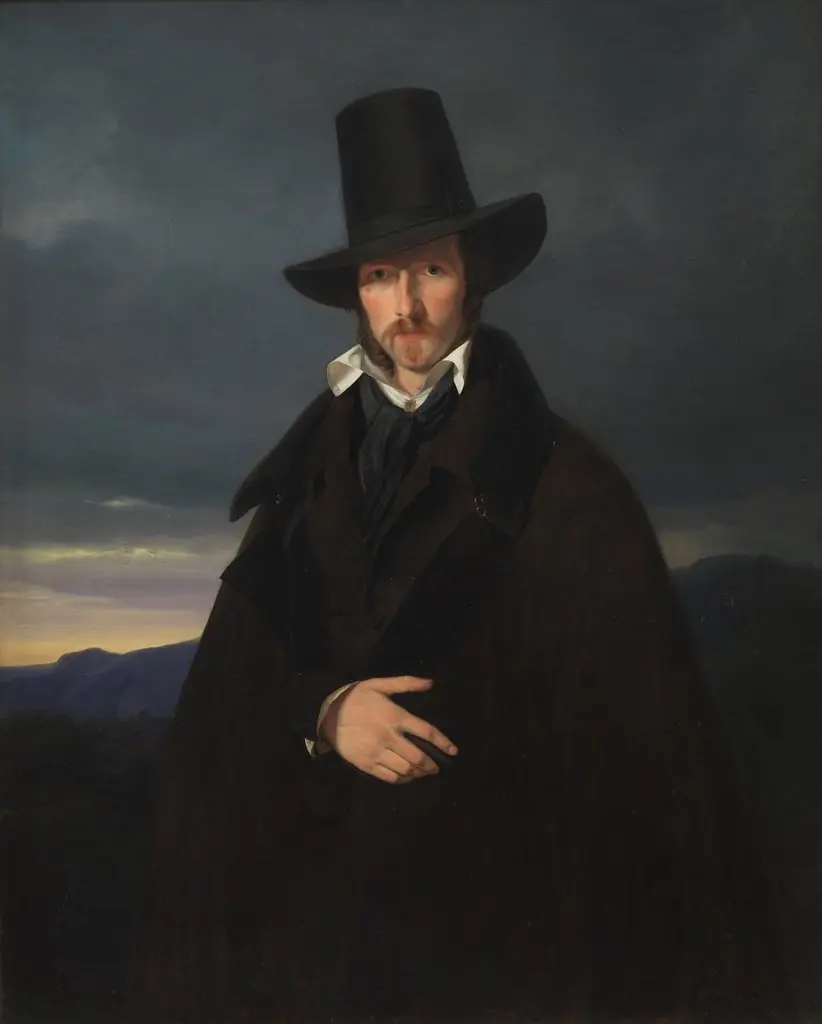
The German Painter Herman Kaufmann
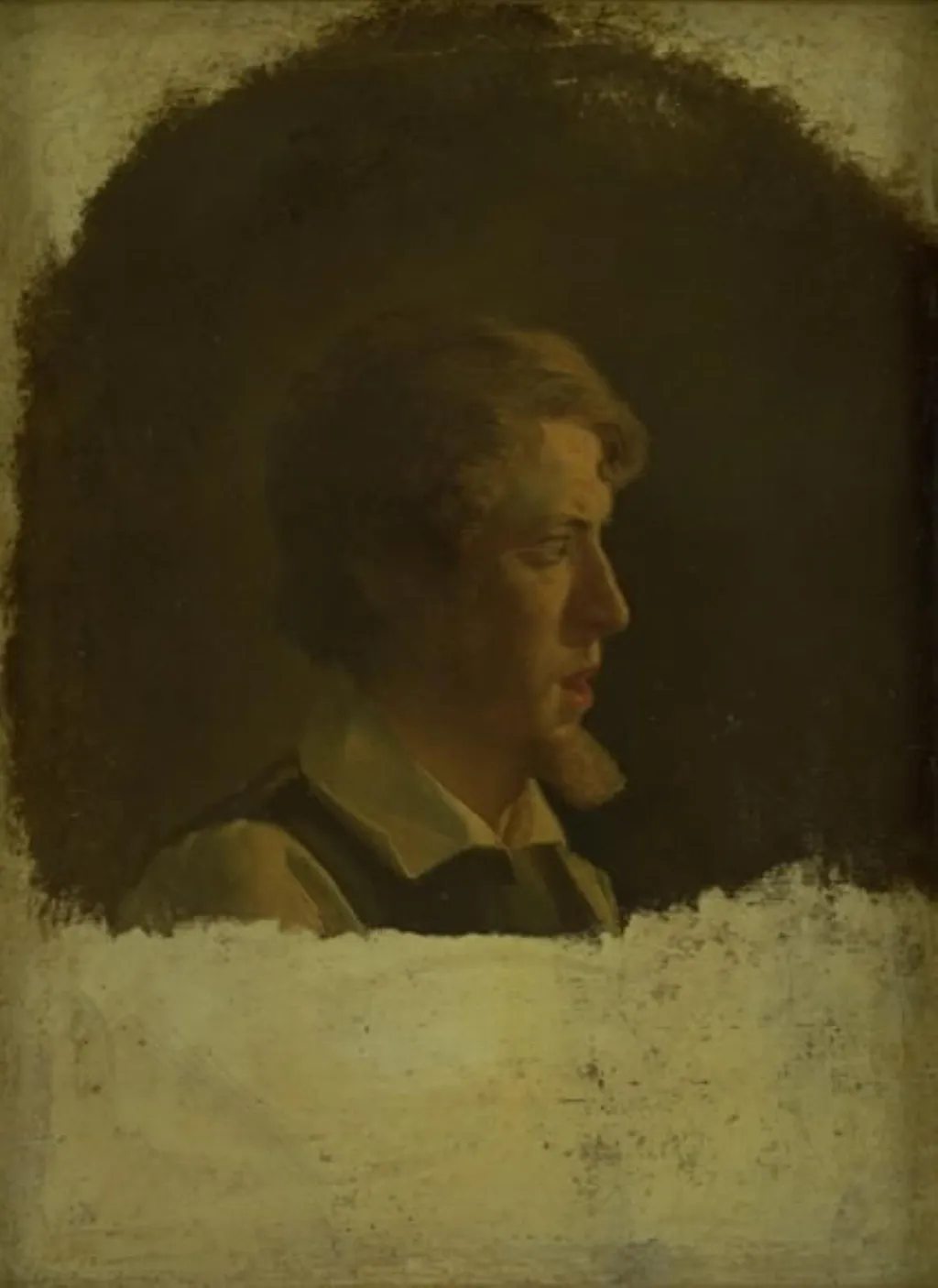
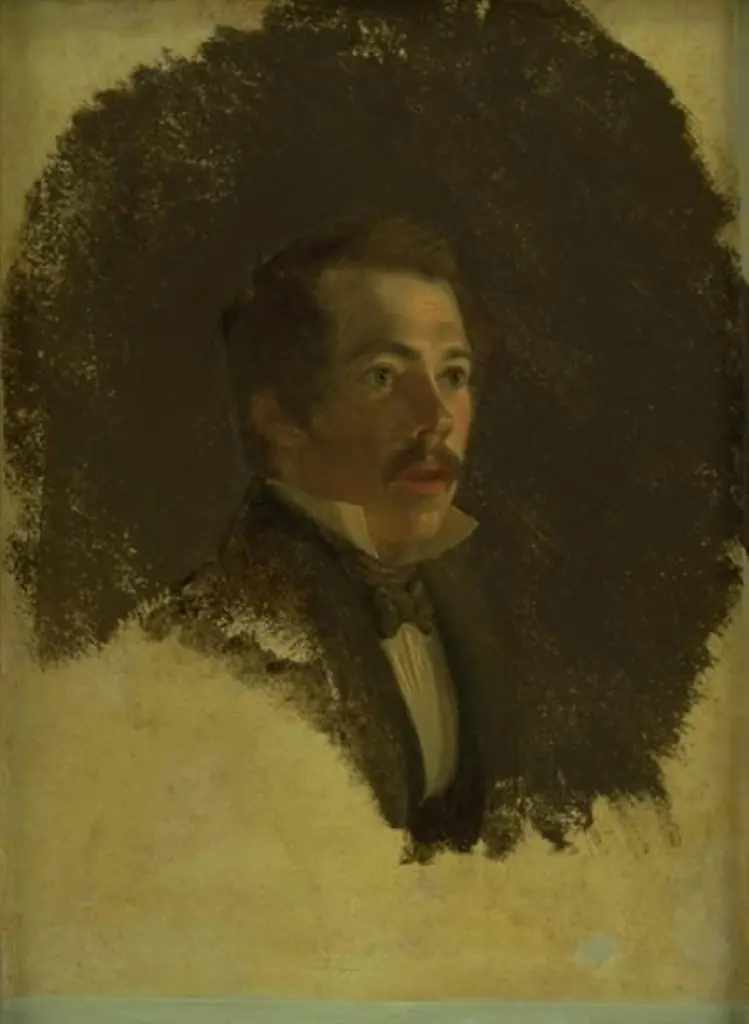
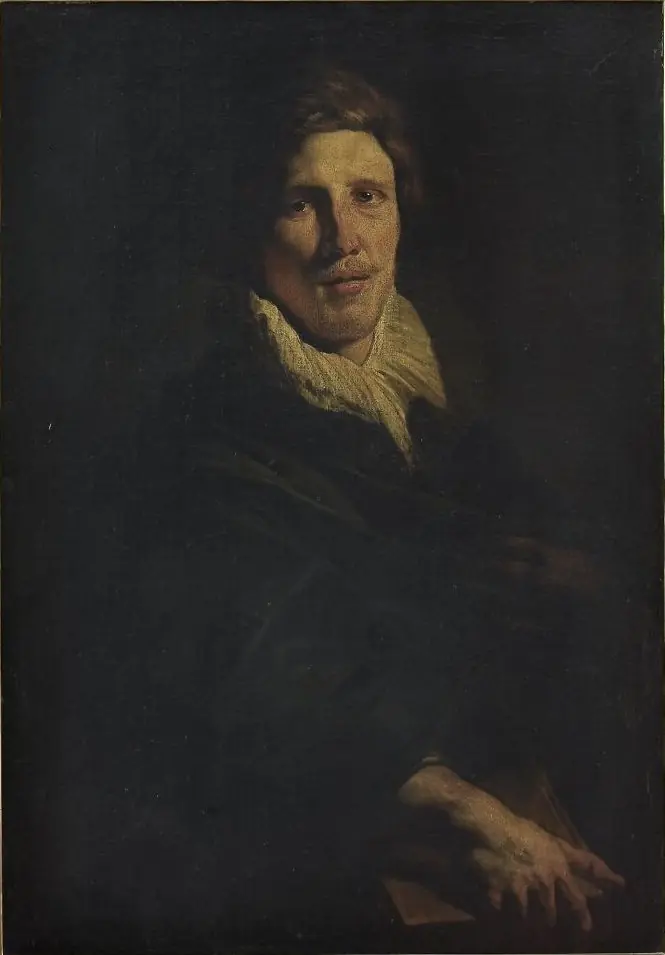
The German Painter Herman Kaufmann is an unspecified painting by the Biedermeier artist Wilhelm Bendz. It dates from 1831 and is held in the collection of the Statens Museum for Kunst.
About this work
Overview
Painted in 1831 by Danish artist Wilhelm Bendz, this portrait captures Hermann Kauffmann the Elder, a German painter active in the early 19th century.
Painted in 1831 by Danish artist Wilhelm Bendz, this portrait captures Hermann Kauffmann the Elder, a German painter active in the early 19th century. Bendz, trained under Christoffer Wilhelm Eckersberg, focused on intimate depictions of fellow artists. The work belongs to the Statens Museum for Kunst in Copenhagen and reflects the quiet introspection characteristic of Biedermeier-era portraiture, emphasizing personal presence over grandeur.
Subject & Meaning
Hermann Kauffmann the Elder is portrayed as a contemplative figure, his gaze directed just beyond the viewer. The composition suggests a moment of pause, perhaps between creative acts. His attire and demeanor convey the dignity of the working artist, unadorned and grounded. The absence of symbolic objects or elaborate settings shifts focus to his individuality, aligning with Biedermeier values of sincerity and domestic quietude.
Technique & Style
Bendz employs subtle chiaroscuro to model Kauffmann’s face, using soft transitions between light and shadow to create volume without harsh lines. The dark background isolates the figure, enhancing the sense of intimacy. Brushwork is refined yet unobtrusive, with delicate blending that avoids visible strokes. The textured ledge in the foreground adds tactile contrast, grounding the portrait in physical space without distracting from the subject’s expression.
History & Provenance
The painting entered the collection of Statens Museum for Kunst shortly after its completion and has remained there since. It was likely acquired during a period when Danish institutions were actively documenting the Nordic artistic community. Bendz’s connections within the Copenhagen art world facilitated such acquisitions, ensuring the work’s preservation within its original cultural context.
Context
Created during the Biedermeier era, the portrait reflects a broader European trend toward domestic realism and psychological depth in portraiture. Artists like Bendz moved away from heroic or aristocratic themes, instead focusing on peers in quiet, unidealized moments. Kauffmann, though German, was part of a transnational network of painters who exchanged ideas across borders, particularly in centers like Copenhagen and Dresden.
Legacy
The portrait stands as a quiet testament to the professional camaraderie among 19th-century artists. While Bendz is less widely known today, this work remains a key example of his ability to capture character with restraint. It continues to inform studies of Biedermeier aesthetics and the role of portraiture in documenting artistic identity beyond public fame.
Artist & collection
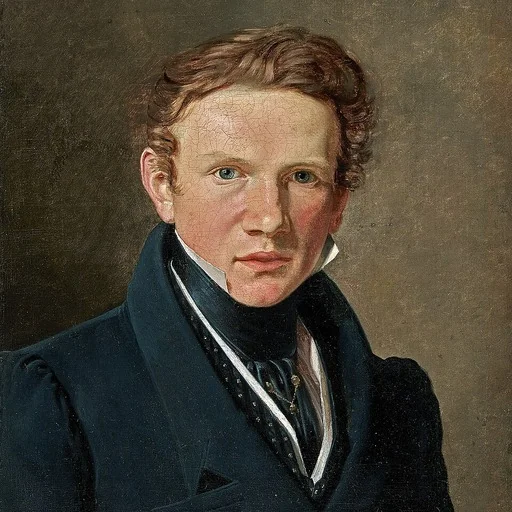
Artist
Wilhelm Ferdinand Bendz (20 March 1804 – 14 November 1832) was a Danish painter mainly known for genre works and portraits which often portray his artist colleagues and their daily lives.

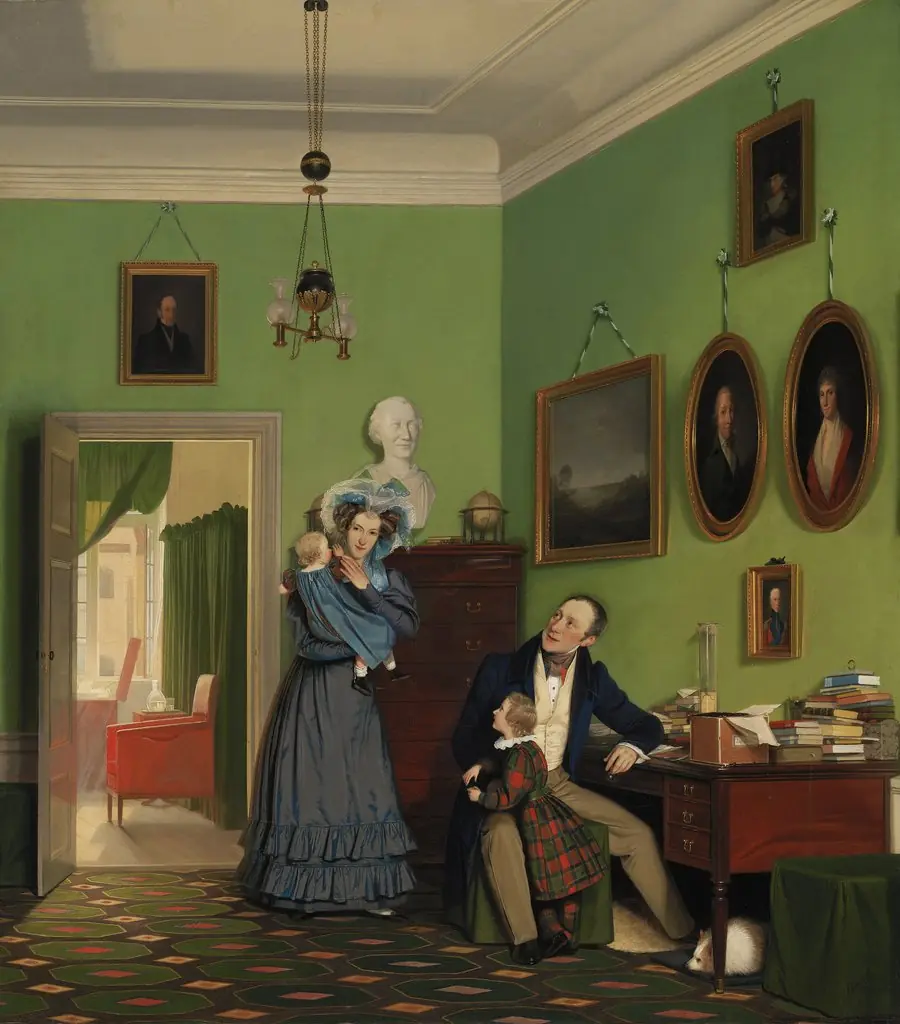 Familien Waagepetersen
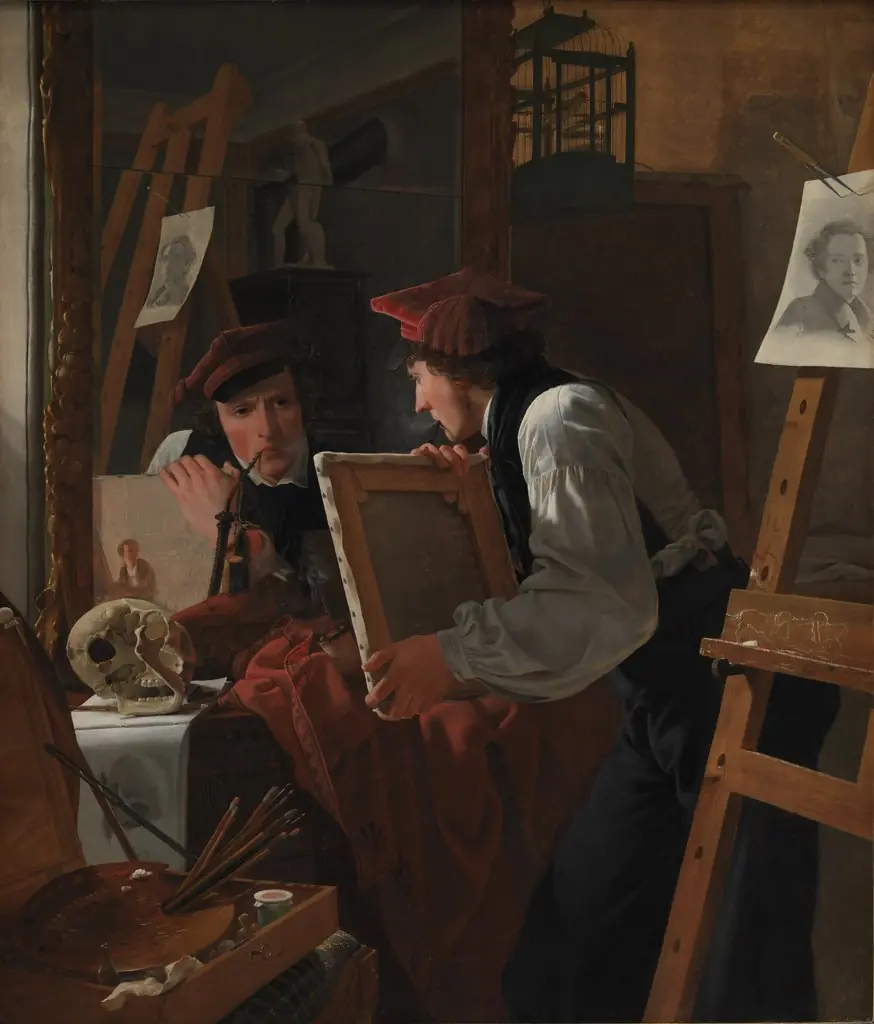 A Young Artist (Ditlev Blunck) Examining a Sketch in a Mirror
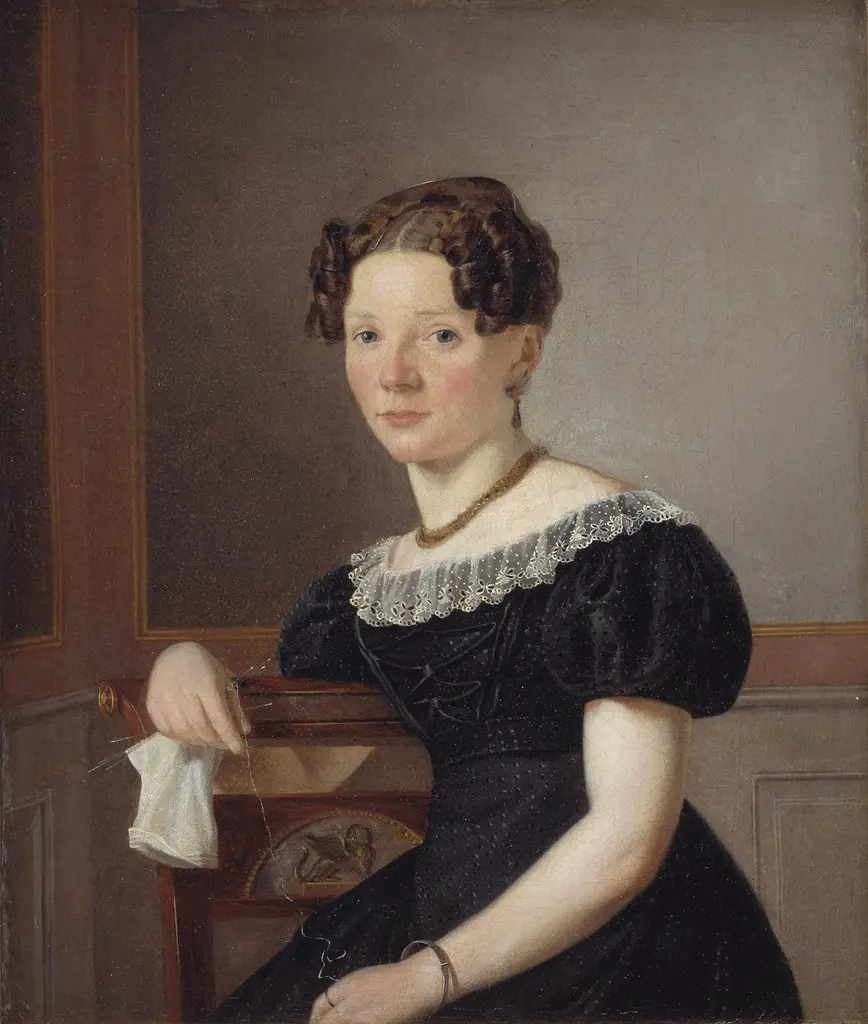 Dame med strikketøj. En af kunstnerens søstre (?)
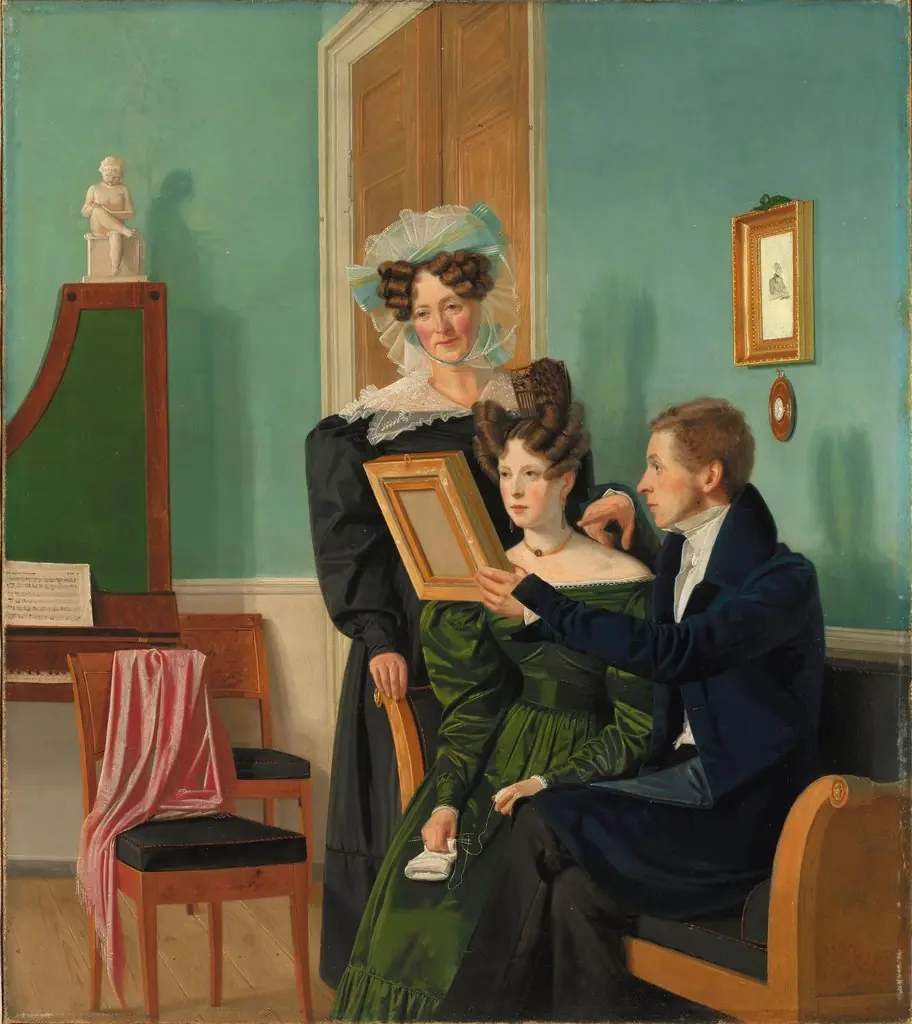 The Raffenberg Family
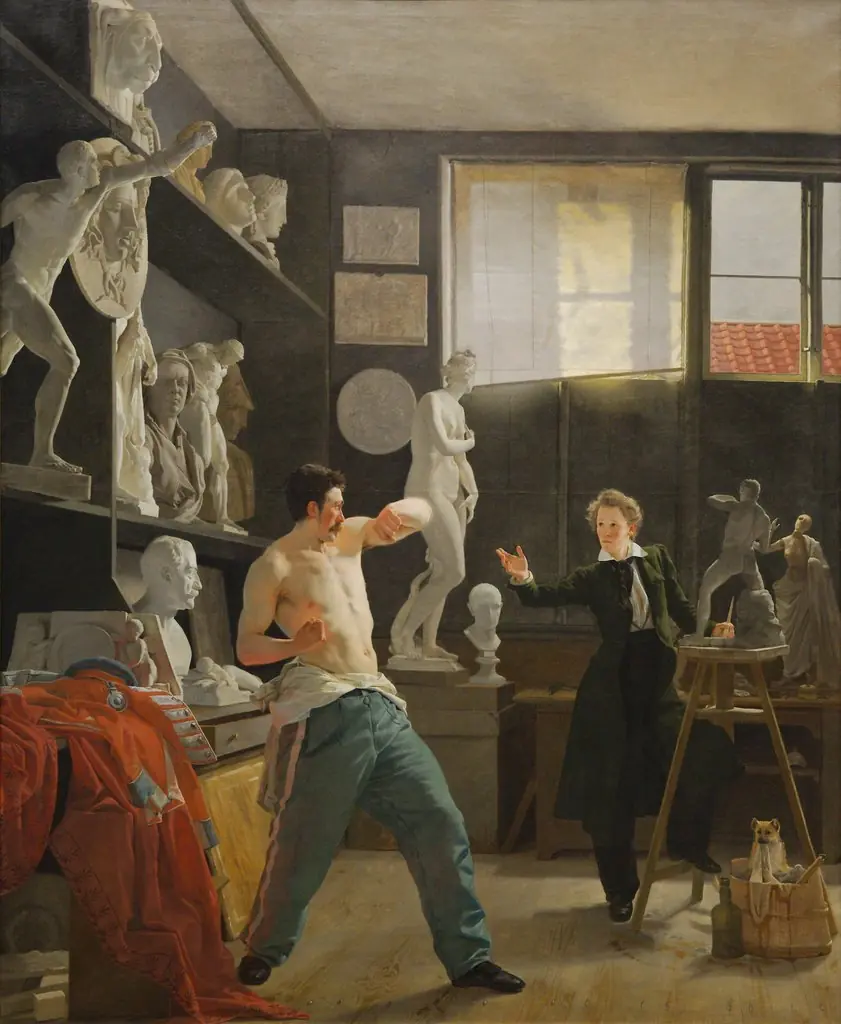 A Sculptor in his Studio Working from the Life
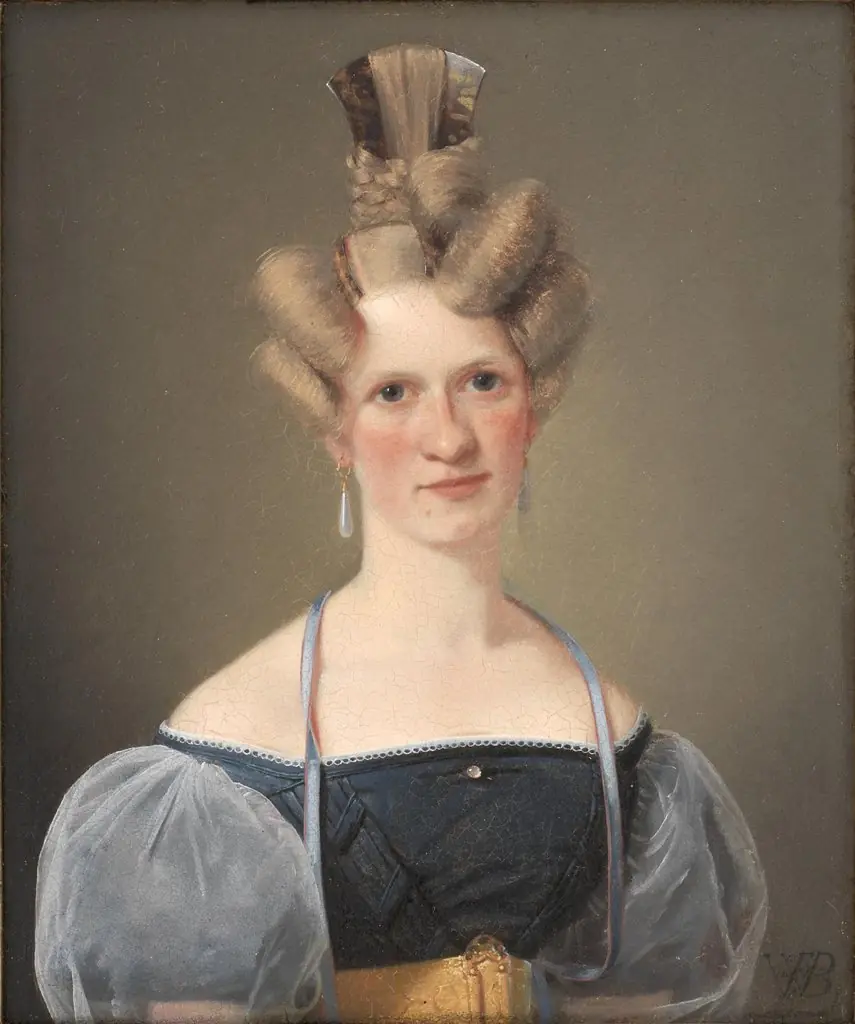 Marie Raffenberg, the Artist's Betrothed
 Portrait of the German Painter Wilhelm von Kaulbach
 Young Pan in a Grotto. Model