Artwork
The Thank Offering
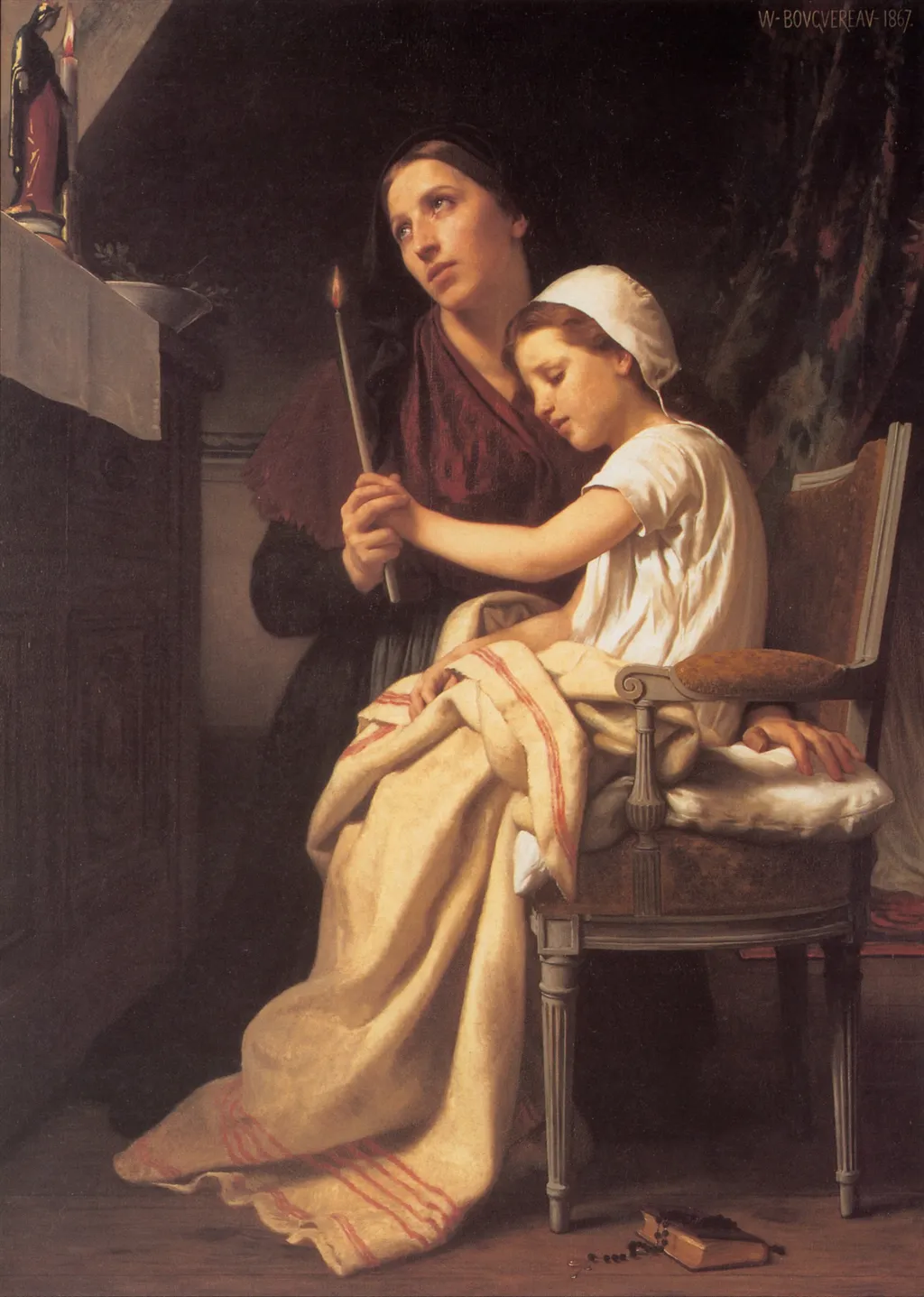
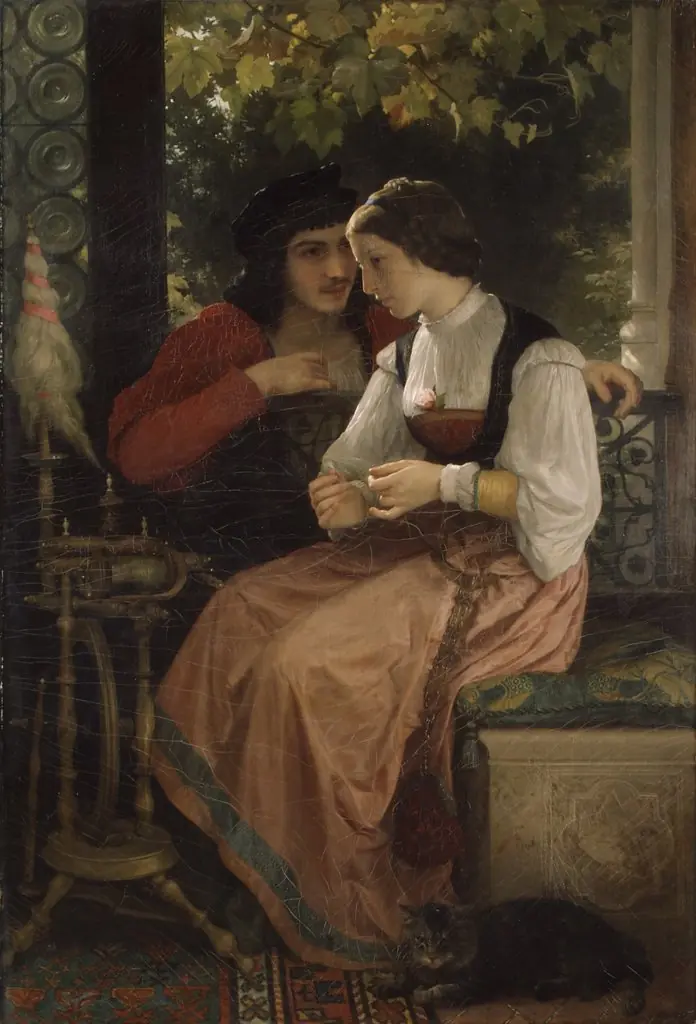
The Thank Offering is an oil painting by the Realist artist William Adolphe Bouguereau. It dates from 1867 and is held in the collection of the Philadelphia Museum of Art.
About this work
Overview
The Thank Offering, painted in 1867 by William-Adolphe Bouguereau, is an oil painting that blends Realist tendencies with classical themes, executed with the artist's characteristic precision.
Subject & Meaning
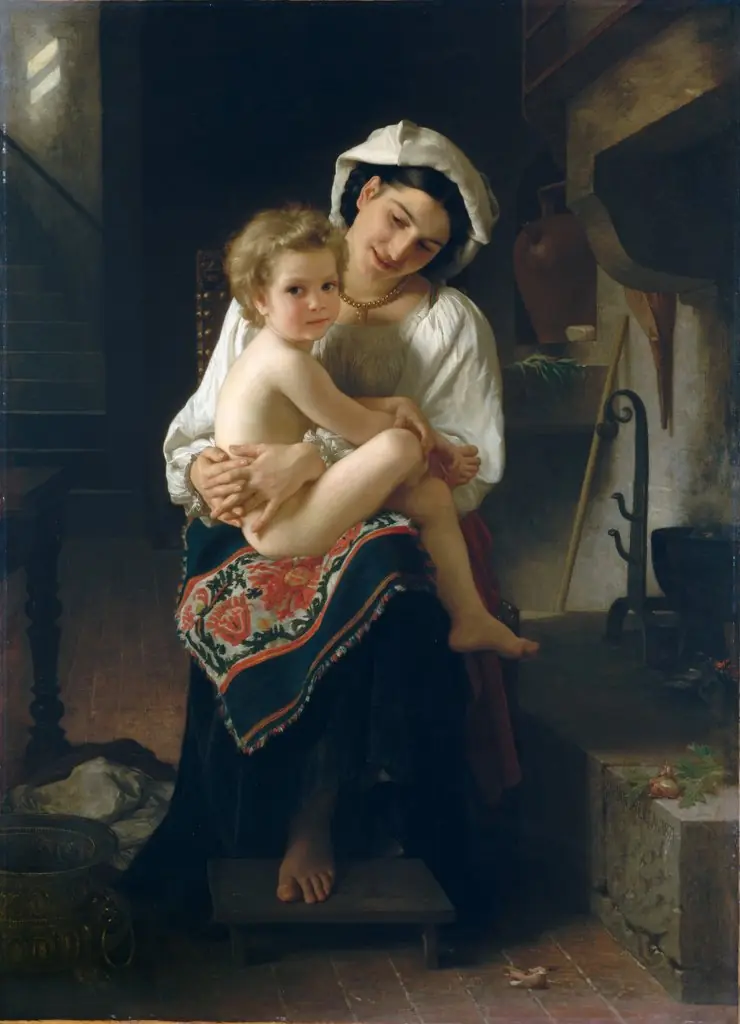
The scene depicts a serene, intimate moment: a weary yet calm woman, dressed in dark attire, tenderly cradles a child in her lap. Accompanying elements—a wooden chair, a small wooden box with spilled prayer beads, and a shadowy figure in the background—suggest a domestic setting with possible religious undertones, emphasizing quiet devotion and care.
Technique & Style
Bouguereau employs chiaroscuro to dramatic effect, with soft, glowing light on the woman’s shawl contrasting sharply with the dark, shadowy background, highlighting the central figures and evoking a sense of tranquility.
History & Provenance
Created in 1867, The Thank Offering is part of the Philadelphia Museum of Art’s collection, reflecting Bouguereau’s contribution to the Realist movement with his unique blend of realism and classical influence.
Context
While aligned with the Realist movement’s focus on everyday life, the painting’s composition and lighting reflect Bouguereau’s adherence to traditional, academically trained techniques, distinguishing it from more radical Realist works.
Legacy
The Thank Offering exemplifies Bouguereau’s ability to craft emotionally nuanced, beautifully rendered scenes of domestic life, contributing to his reputation as a leading figure in late 19th-century French painting.
Own this work as a print
Artist & collection
Artist
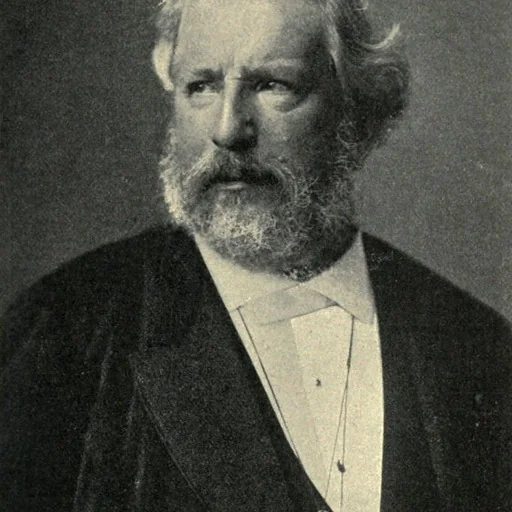
William-Adolphe Bouguereau (French pronunciation: ; 30 November 1825 – 19 August 1905) was a French academic painter.