Artwork
Haymakers
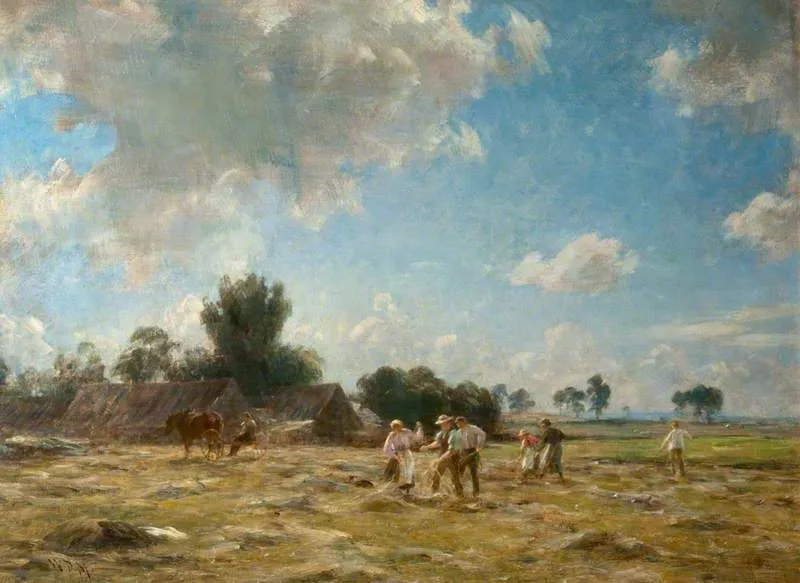
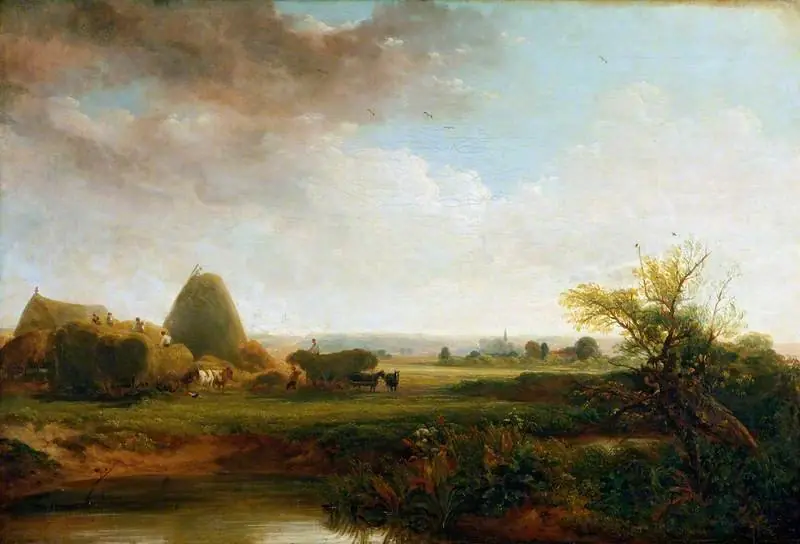
Haymakers is an oil painting by William Darling McKay. It dates from 1894 and is held in the collection of the National Galleries Scotland.
About this work
Overview
Haymakers is an oil painting completed around 1894 by Scottish artist William Darling McKay. It depicts a group of laborers engaged in the seasonal task of harvesting hay in an open countryside setting. The work is part of the collection at the Scottish National Gallery, where it remains a quiet testament to rural labor in late 19th-century Scotland.
Subject & Meaning
The painting portrays a group of workers in simple attire, bending and moving in unison across a field under a broad sky. Their coordinated effort suggests a shared, daily rhythm rather than a festive occasion. The focus is on collective labor, not celebration, emphasizing the dignity and quiet persistence of agricultural work in a pre-industrial landscape.
Technique & Style
McKay employed thick applications of oil paint, particularly in rendering the grasses and sky, creating a tactile surface that catches light dynamically. The brushwork is loose yet deliberate, capturing movement without excessive detail. The palette favors earth tones and soft blues, grounding the scene in naturalism while allowing atmospheric depth through layered pigment.
History & Provenance
Painted in the mid-1890s, Haymakers entered the Scottish National Gallery’s collection shortly after its completion. Its acquisition reflects the institution’s interest in documenting everyday Scottish life during a period of rapid urbanization. The painting has remained in public hands since, with no record of private ownership or significant relocation.
Context
In the 1890s, Scotland’s rural communities were undergoing change as industrialization drew laborers to cities. Paintings like Haymakers offered a visual record of vanishing agrarian routines. McKay’s work aligns with broader European trends that honored rural labor, though it avoids romanticism, presenting work as unadorned and continuous.
Legacy
Though not widely exhibited beyond Scotland, Haymakers endures as a representative example of late Victorian regional realism. It contributes to the understanding of how Scottish artists documented working life without theatricality. Its preservation in a national collection ensures its role as a historical witness to rural labor practices of the era.
Artist & collection

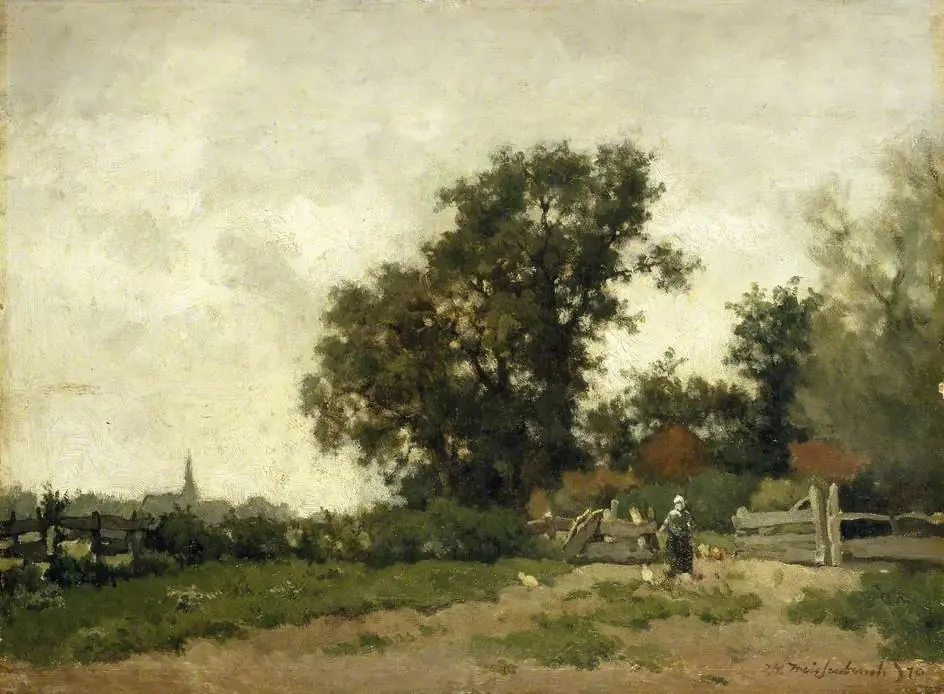 Landscape with a Peasant Girl feeding Chickens
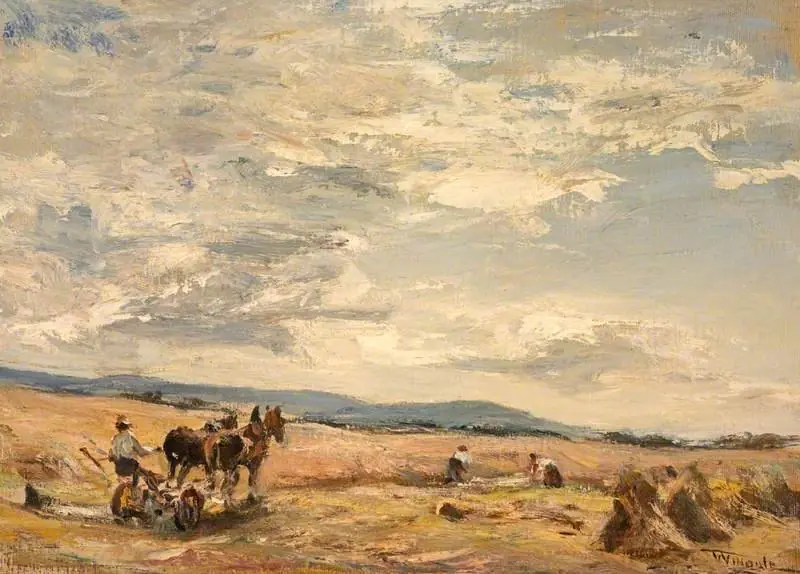 Harvest in Arran
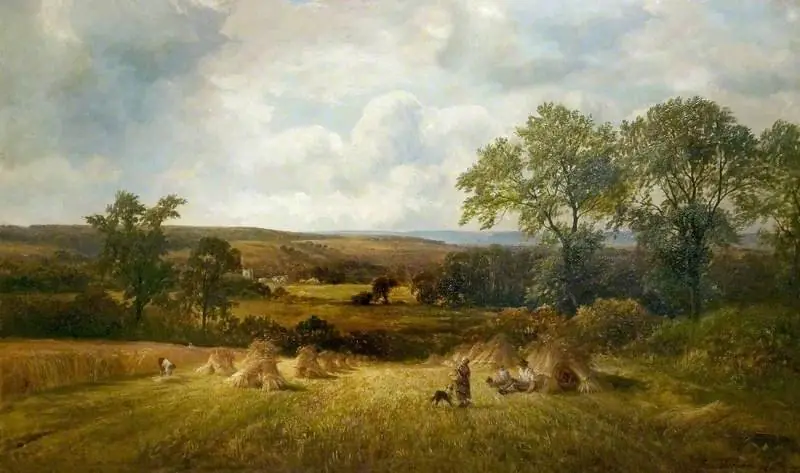 Harvest Scene, Barrow-on-Trent, Derbyshire
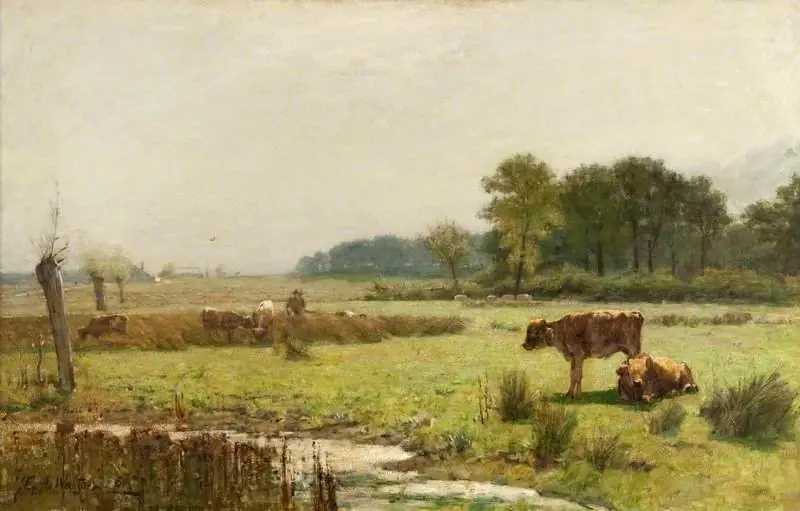 A Surrey Meadow, Morning
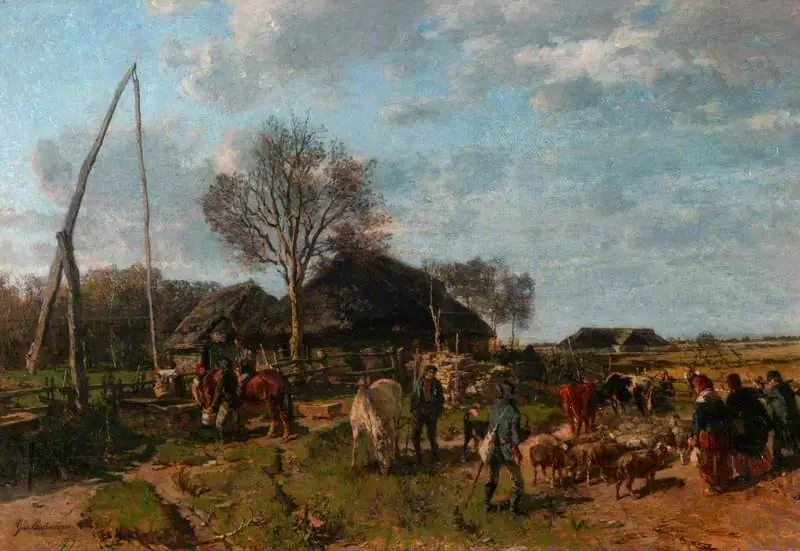 Farm Buildings with Figures, Sheep and Cattle
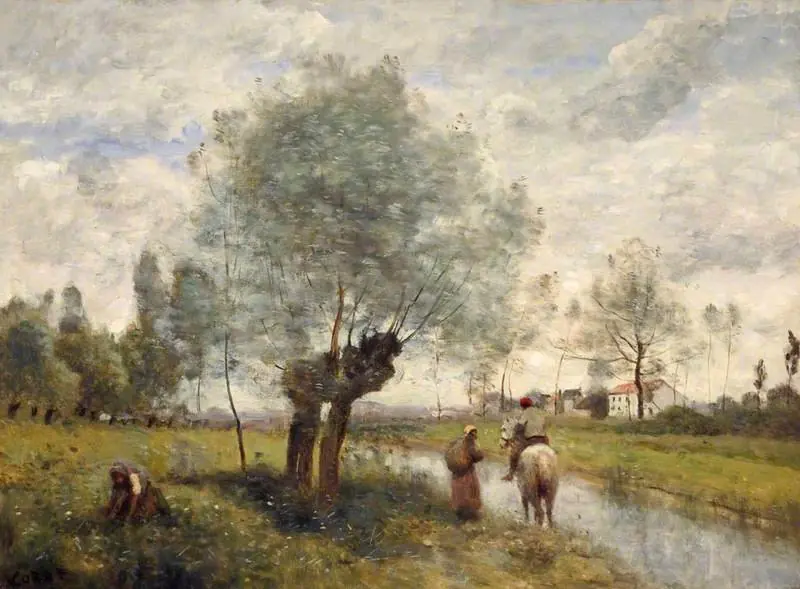 Landscape at Coubron
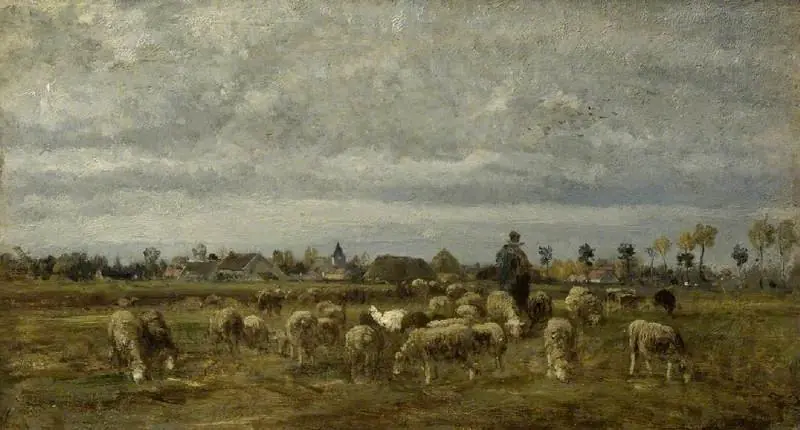 Berger et son troupeau
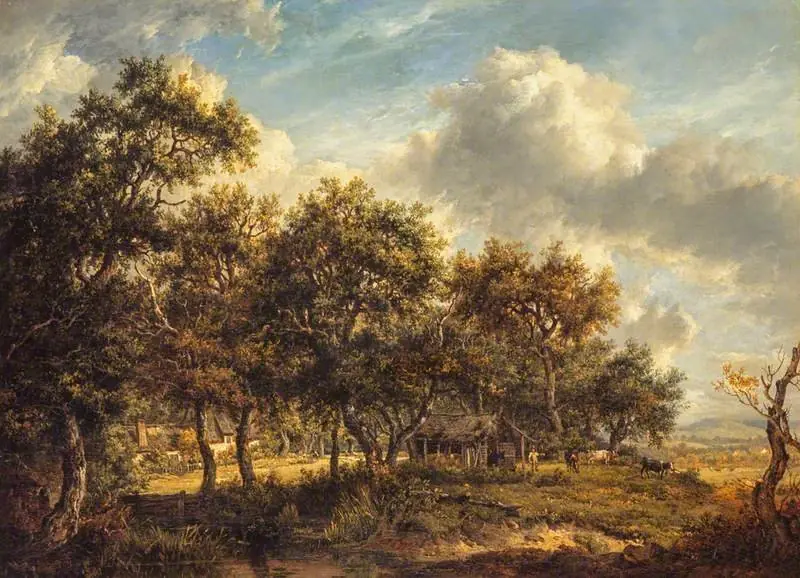 A Woodman's Cottage
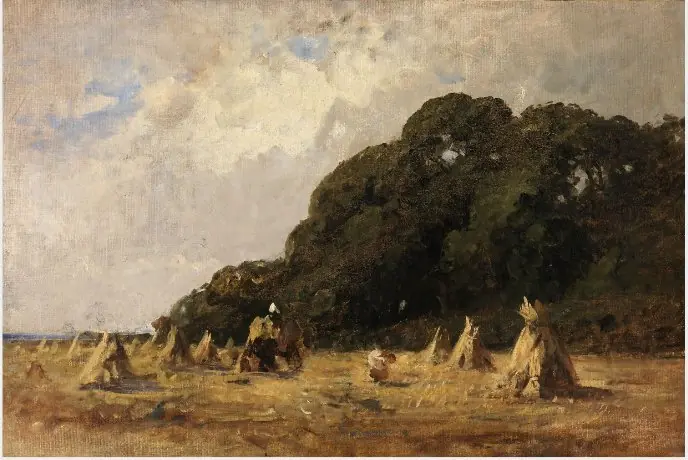 Corn Stooks under Trees
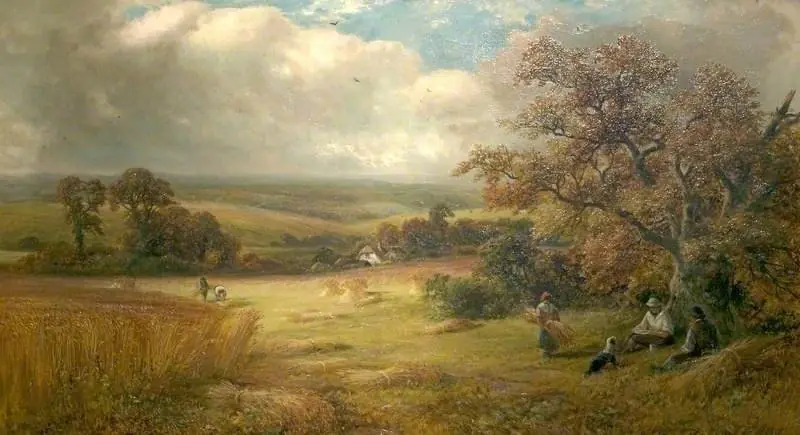 Harvest Time in Barrow-on-Trent, Derbyshire
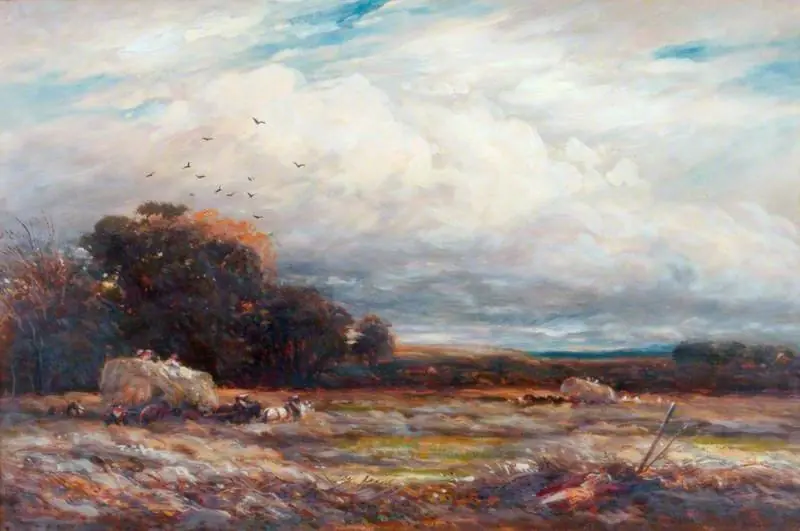 A Hayfield in Surrey
 Haymaking