Artwork
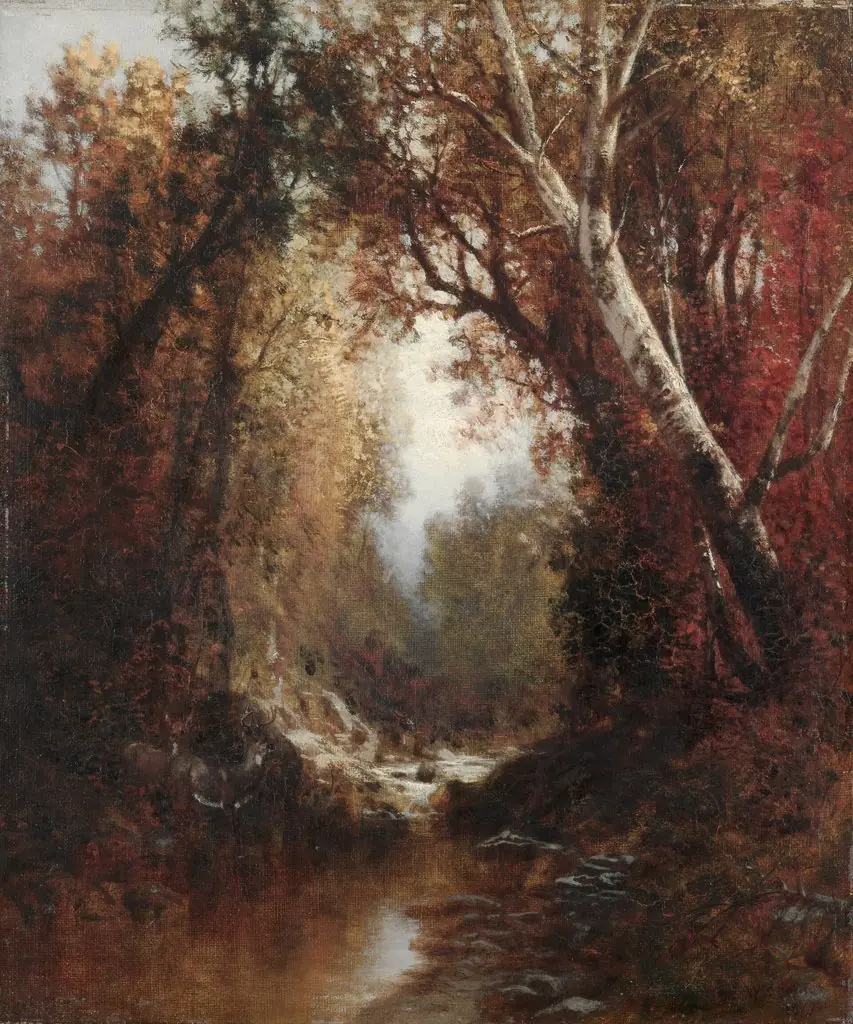
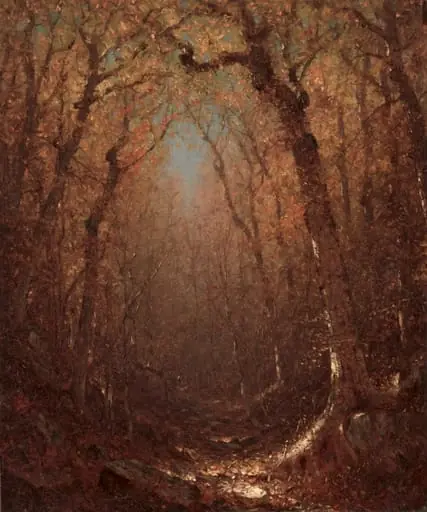
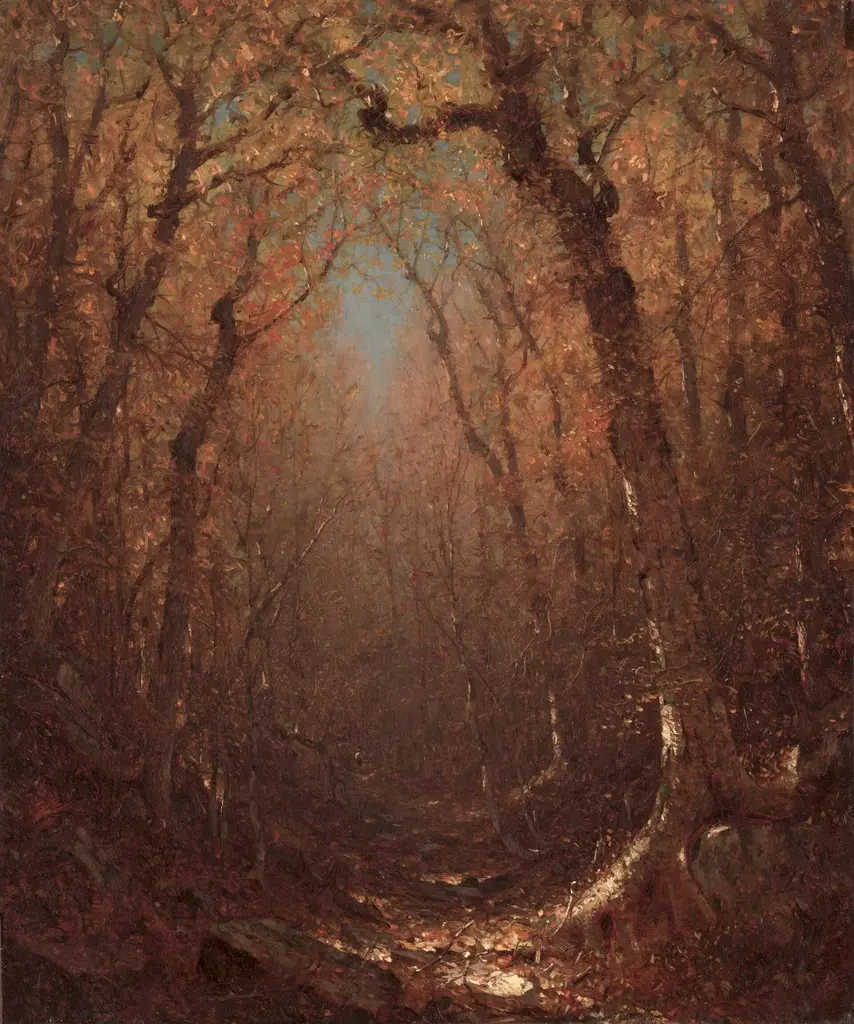
Autumn Scene in the Adirondacks
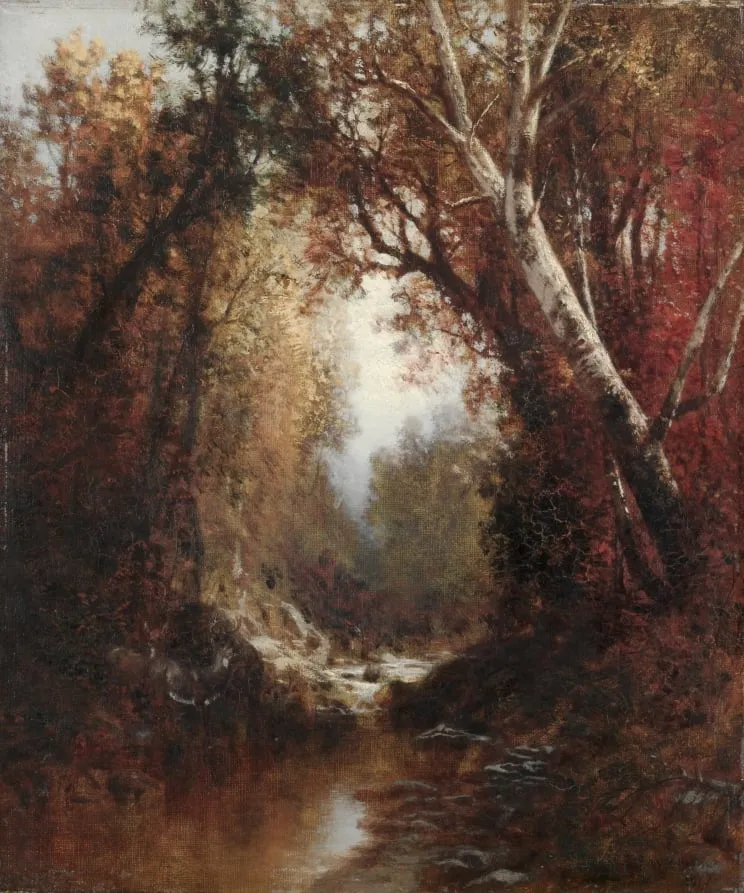
Autumn Scene in the Adirondacks is an unspecified painting by the American Impressionist artist William Hart. It dates from 1877 and is held in the collection of the Cleveland Museum of Art.
About this work
Overview
Though linked to the Hudson River School through subject and sensibility, its handling of light and texture reflects a more intimate, atmospheric approach.
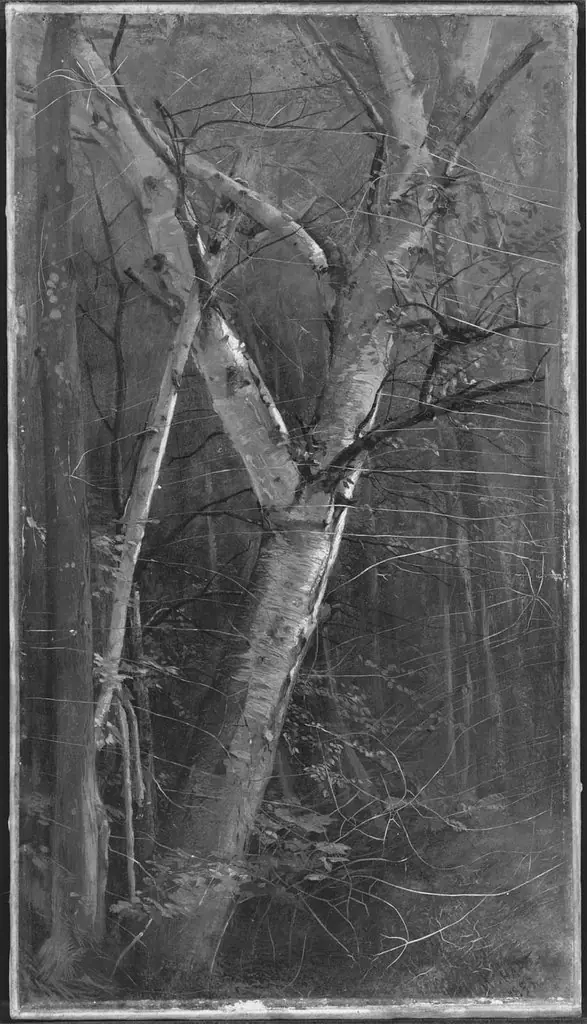
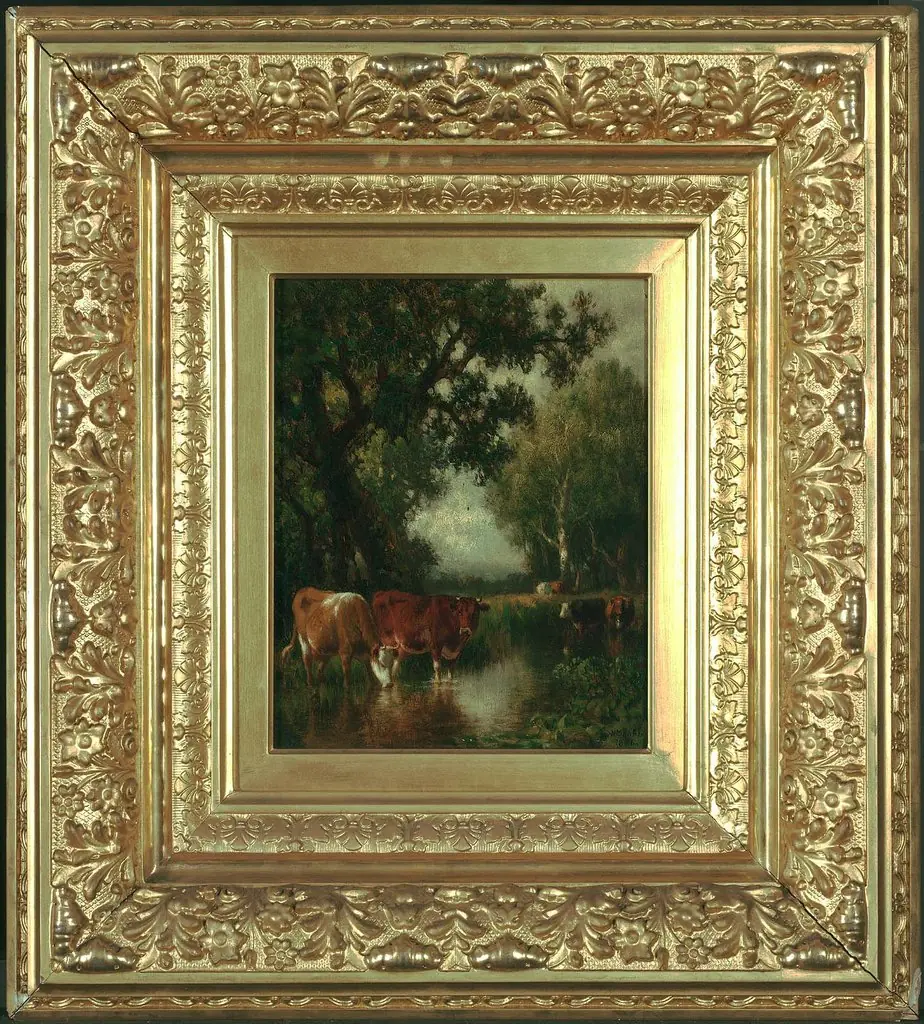
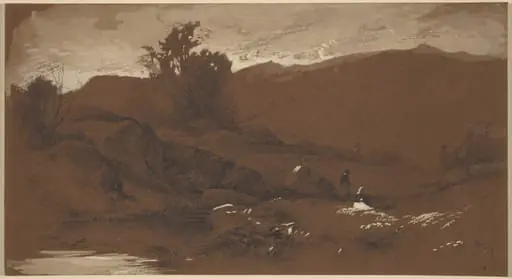
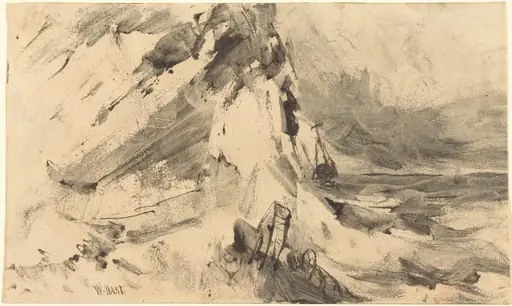
Painted in 1877 by William Hart, an American landscape artist of Scottish origin, this work captures a quiet forest in the Adirondacks during autumn. Though linked to the Hudson River School through subject and sensibility, its handling of light and texture reflects a more intimate, atmospheric approach. The painting resides in The Cleveland Museum of Art’s collection, part of a broader body of work dedicated to the American wilderness.
Subject & Meaning
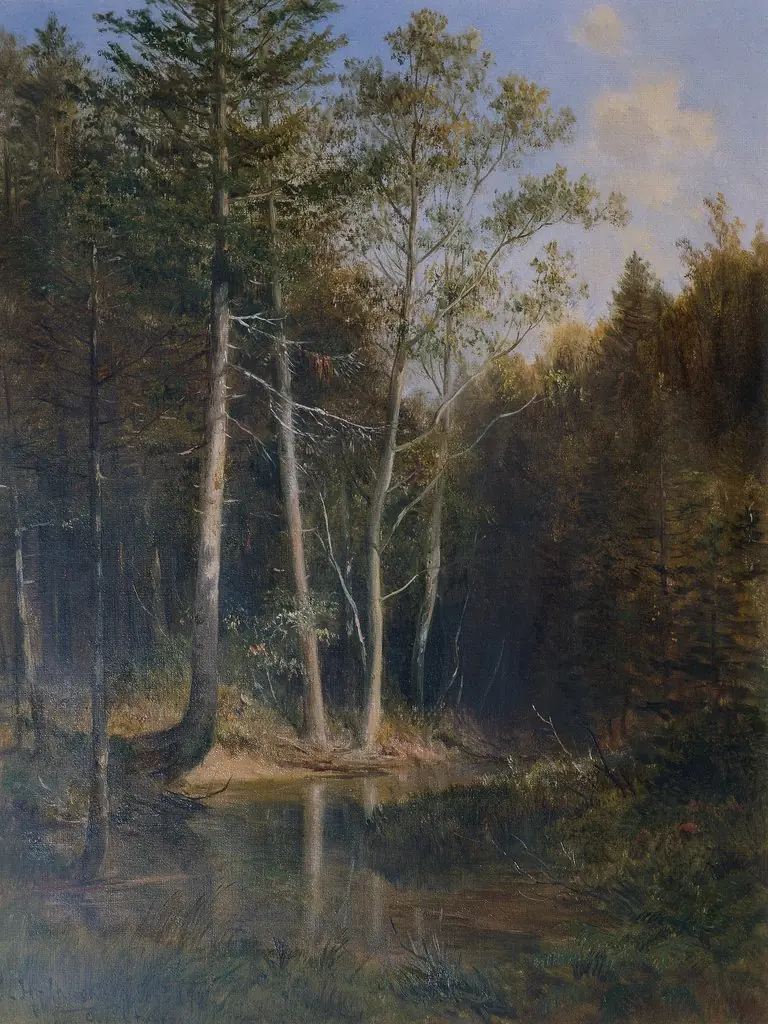
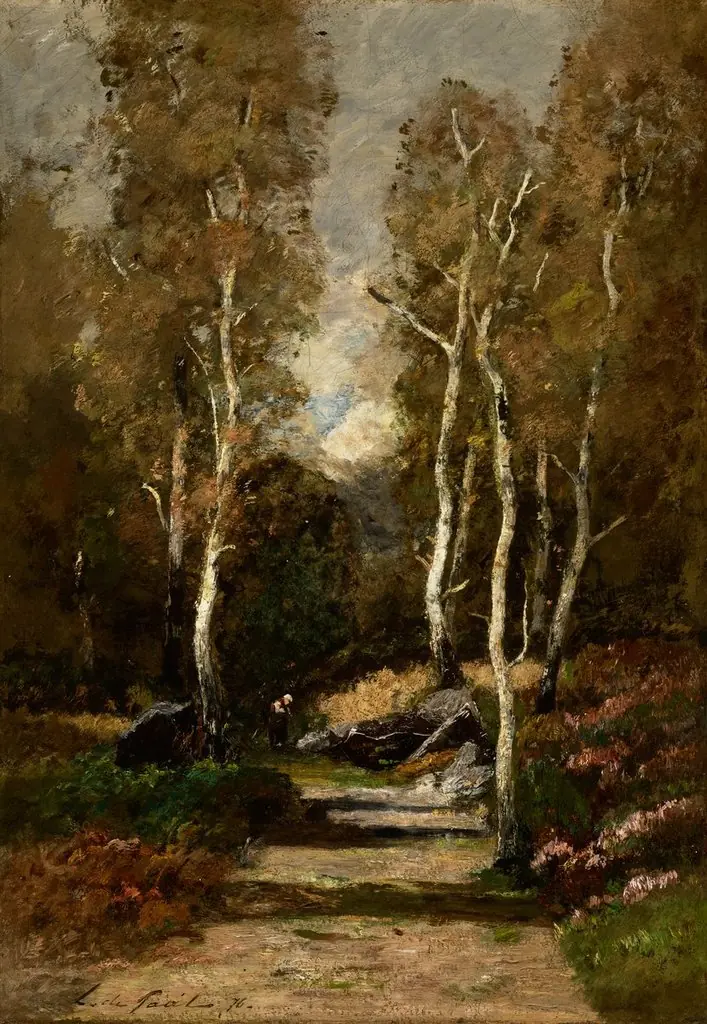
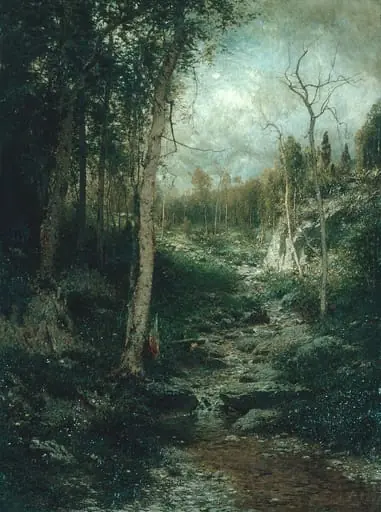
The scene presents an untouched woodland in seasonal transition, with trees displaying muted reds, browns, and golds. No human figures or structures interrupt the natural order, emphasizing solitude and the quiet rhythm of nature. The absence of narrative or symbolism invites contemplation of the landscape’s inherent beauty, aligning with 19th-century ideals of nature as a reflective, spiritual space.
Technique & Style
Hart employed soft, blended brushwork to render the play of light through autumn foliage and the reflective surface of a narrow stream. Rather than sharp detail, he favored subtle tonal shifts to suggest depth and movement. While rooted in the Hudson River School’s realism, the painting’s luminous atmosphere and loose handling show an affinity with emerging impressionistic tendencies in American art.
History & Provenance
Created during Hart’s mature period, the painting reflects his sustained engagement with northern New York’s wilderness. He was part of a family of artists, though this work stands as an individual expression. It entered The Cleveland Museum of Art’s collection in the 20th century, where it remains as one of several examples of his lesser-known but carefully observed landscapes.
Context
In the late 1870s, American artists increasingly turned from grand vistas to quieter, more personal interpretations of nature. Hart’s focus on a secluded forest, devoid of human presence, mirrors this shift. While his peers often emphasized dramatic scale, he favored intimacy, aligning his work with a growing interest in the emotional resonance of everyday natural scenes.
Legacy
Though not as widely recognized as some contemporaries, Hart’s work contributed to the evolution of American landscape painting by bridging detailed realism with atmospheric sensitivity. His focus on seasonal change and quiet light influenced later regional painters who sought to capture the nuanced beauty of the Northeastern wilderness without theatricality.
Artist & collection

Artist
William Hart (March 31, 1823 – June 17, 1894), was a Scottish-born American landscape and cattle painter, and Hudson River School artist.