Artwork
Telephone'
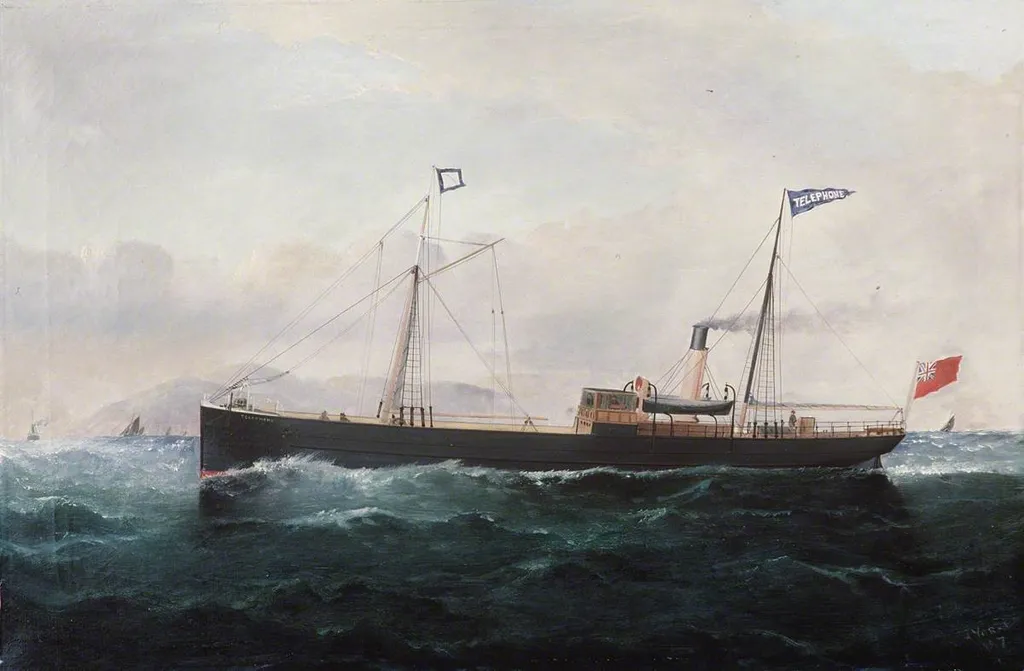
Telephone' is an oil painting by the Impressionist artist William Howard Yorke. It dates from 1899 and is held in the collection of the National Library of Wales.
About this work
Overview
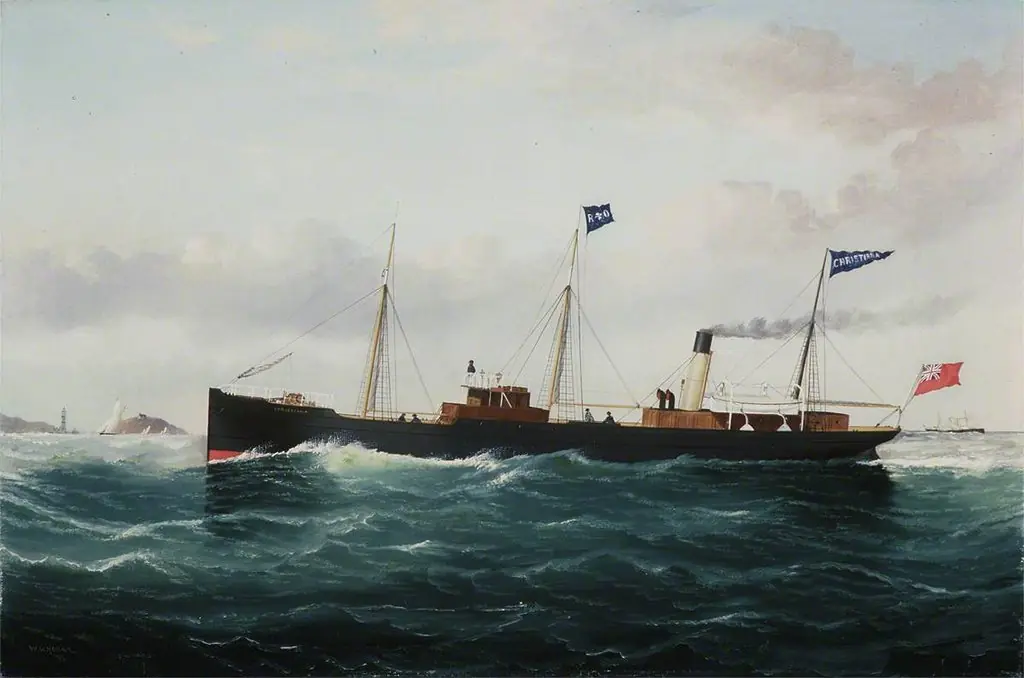
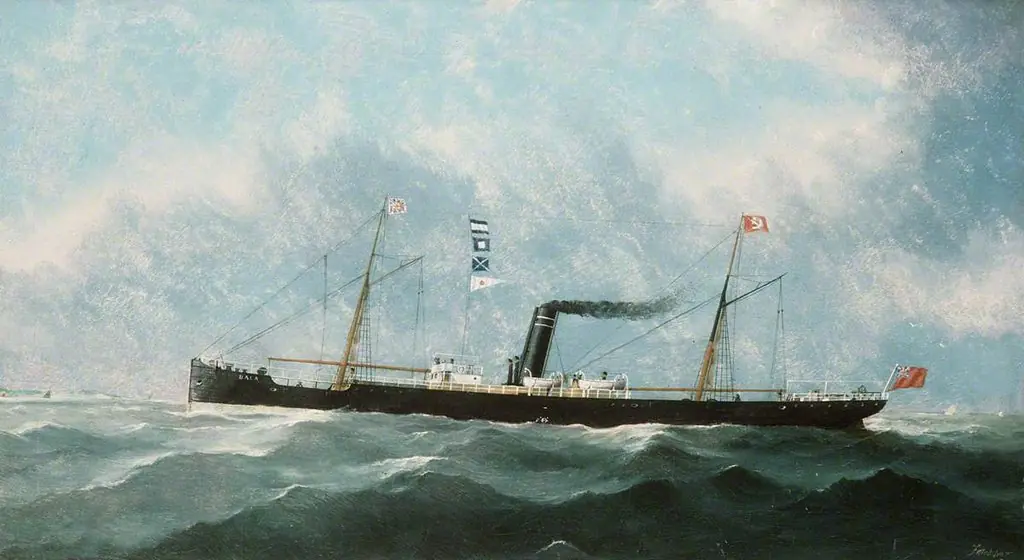
A muted, overcast sky and distant ships complete the scene, conveying a sense of motion and maritime activity.
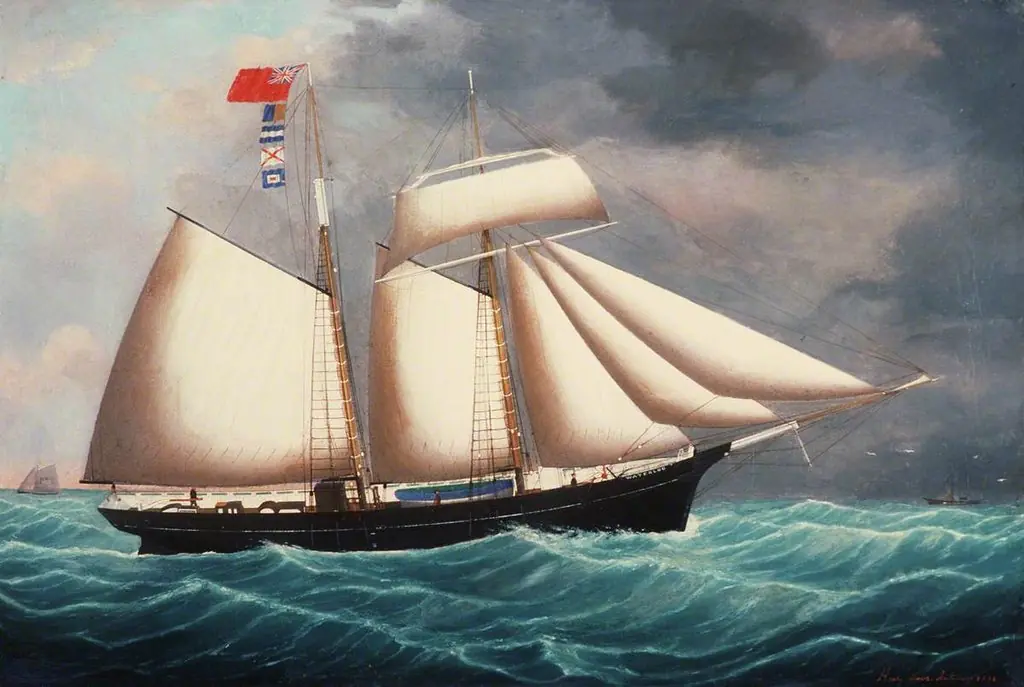
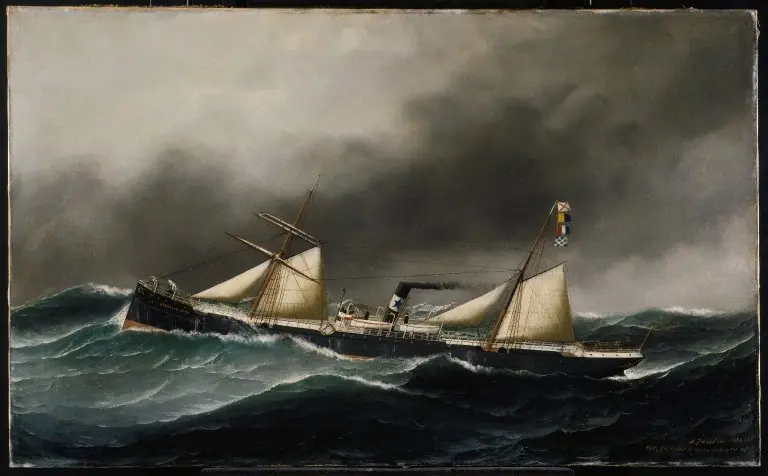
William Howard Yorke’s 1899 oil painting records a steamship named Telephone cutting through a choppy sea. The vessel, rendered in dark hull tones with a contrasting light deck, dominates the composition, while a blue flag bearing its name and a red flag with a white emblem add visual focus. A muted, overcast sky and distant ships complete the scene, conveying a sense of motion and maritime activity.
Subject & Meaning
The work centers on the steamship Telephone, a symbol of late‑19th‑century maritime technology and commerce. By emphasizing the vessel’s propulsion and flags, Yorke highlights the ship’s identity and the broader narrative of industrial progress at sea, inviting viewers to consider the interplay between human engineering and the natural forces of the ocean.
Technique & Style
Yorke employs oil on canvas to achieve a layered, atmospheric effect. Broad, fluid brushstrokes suggest the sea’s turbulence, while finer detailing defines the ship’s structure and flags. A restrained palette of grays, blues, and muted reds captures the overcast light, and the contrast between the dark hull and bright deck enhances the vessel’s three‑dimensional presence.
History & Provenance
Completed in 1899, the painting entered the collection of the National Library of Wales, where it remains accessible to scholars and the public. Its acquisition reflects the institution’s interest in documenting Welsh maritime heritage and the broader visual culture of the British Isles during the turn of the century.
Context
Yorke worked during a period when steam navigation reshaped trade routes and coastal life. The depiction of the Telephone aligns with contemporary artistic interest in industrial subjects, paralleling the work of other British marine painters who documented the transition from sail to steam as a defining element of modernity.
Artist & collection