Artwork
Trees
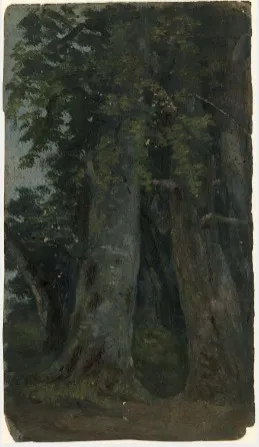
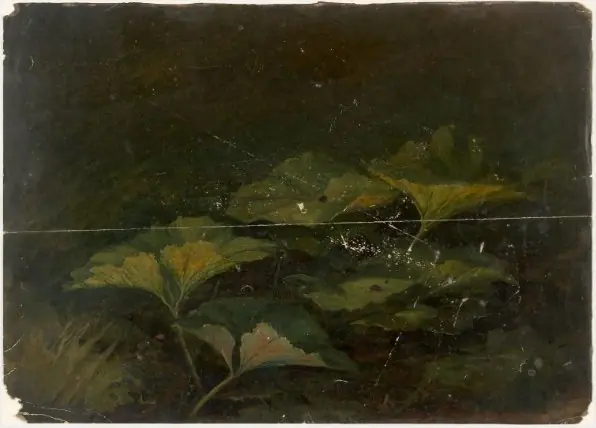
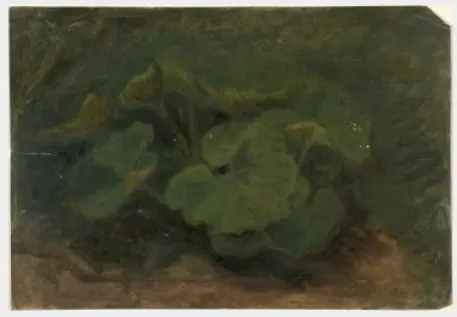
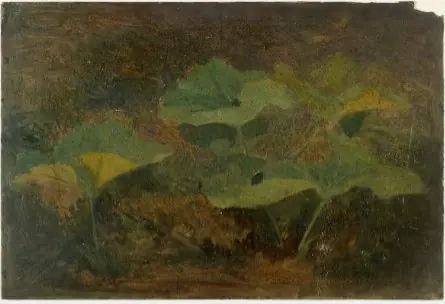
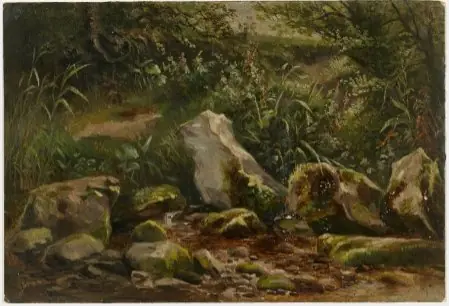
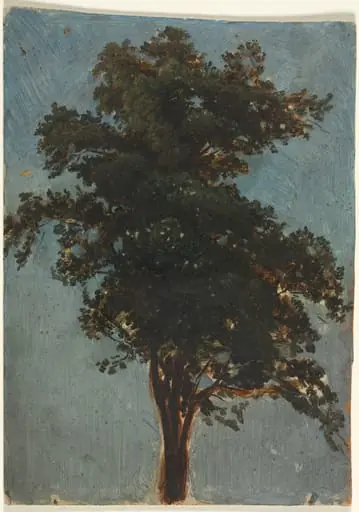
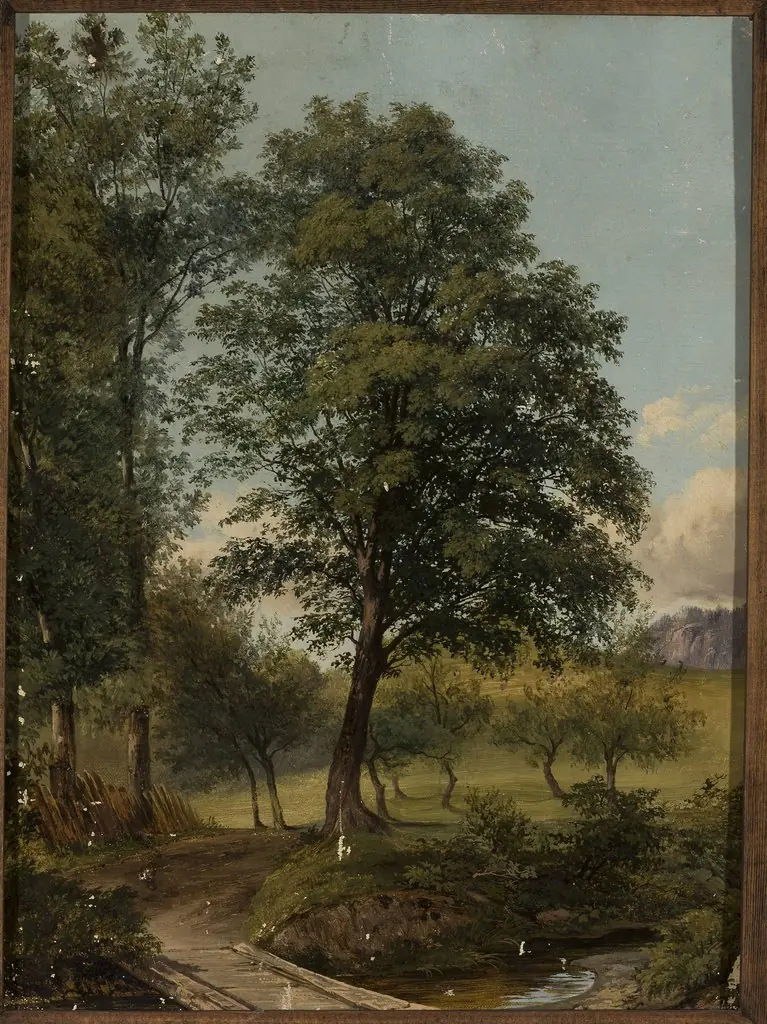
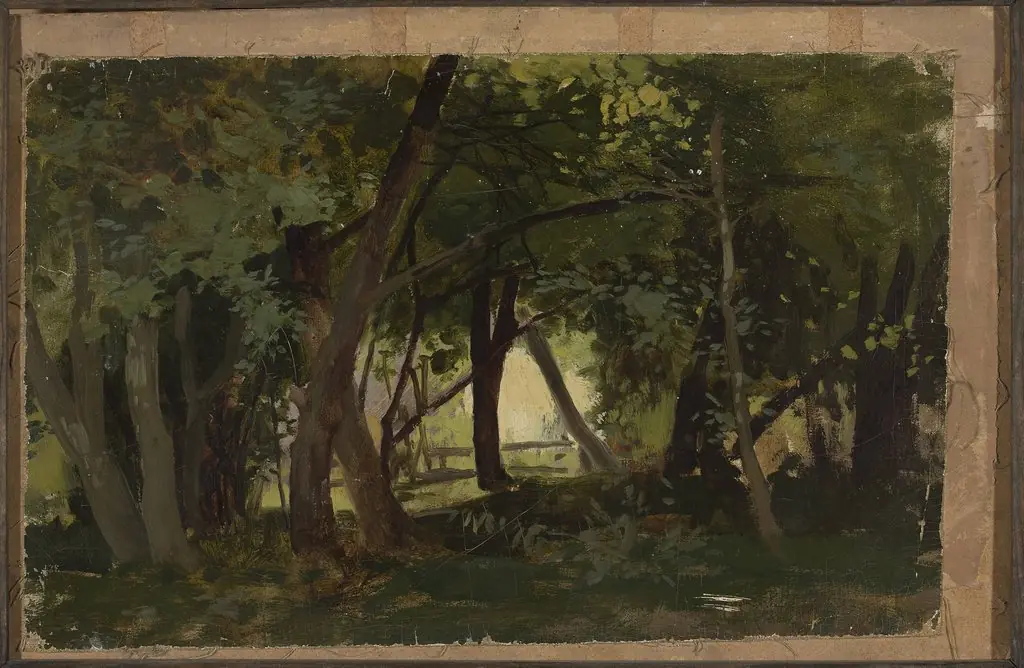
Trees is an unspecified painting by William Howis junior. It dates from 1852 and is held in the collection of the National Gallery of Ireland. Painted around 1852 by William Howis Jr.
About this work
Overview
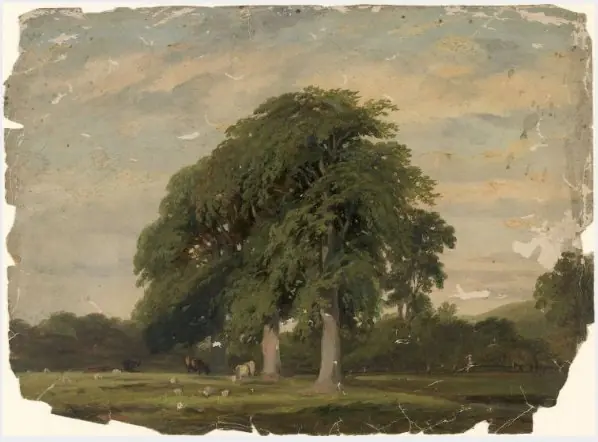
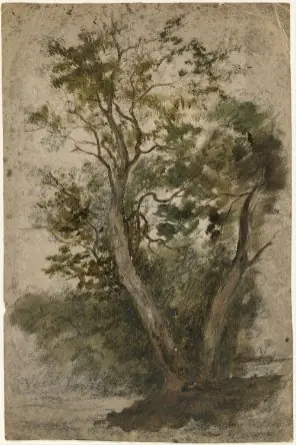
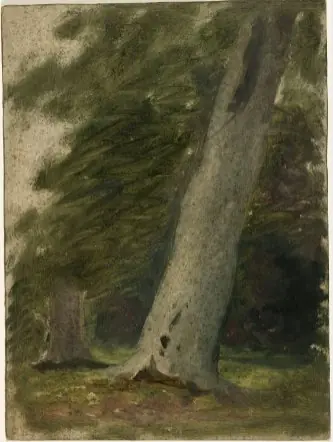
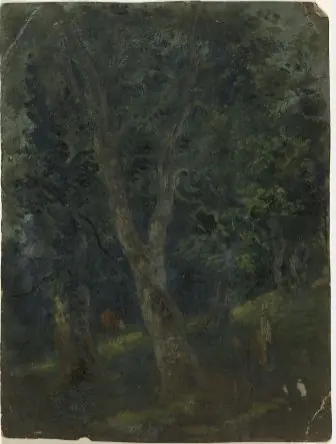
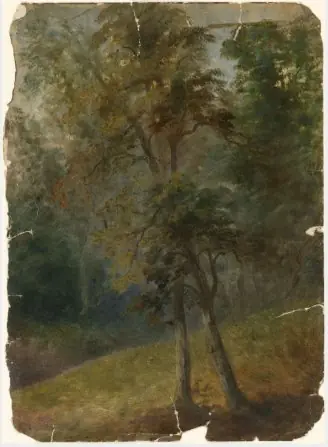
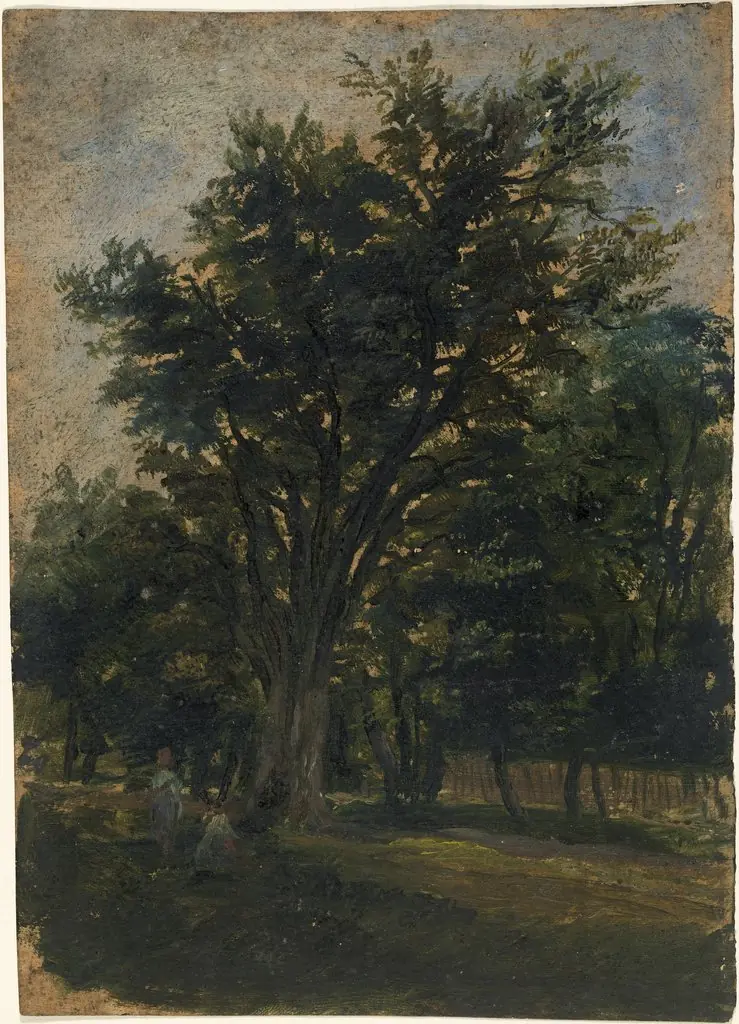
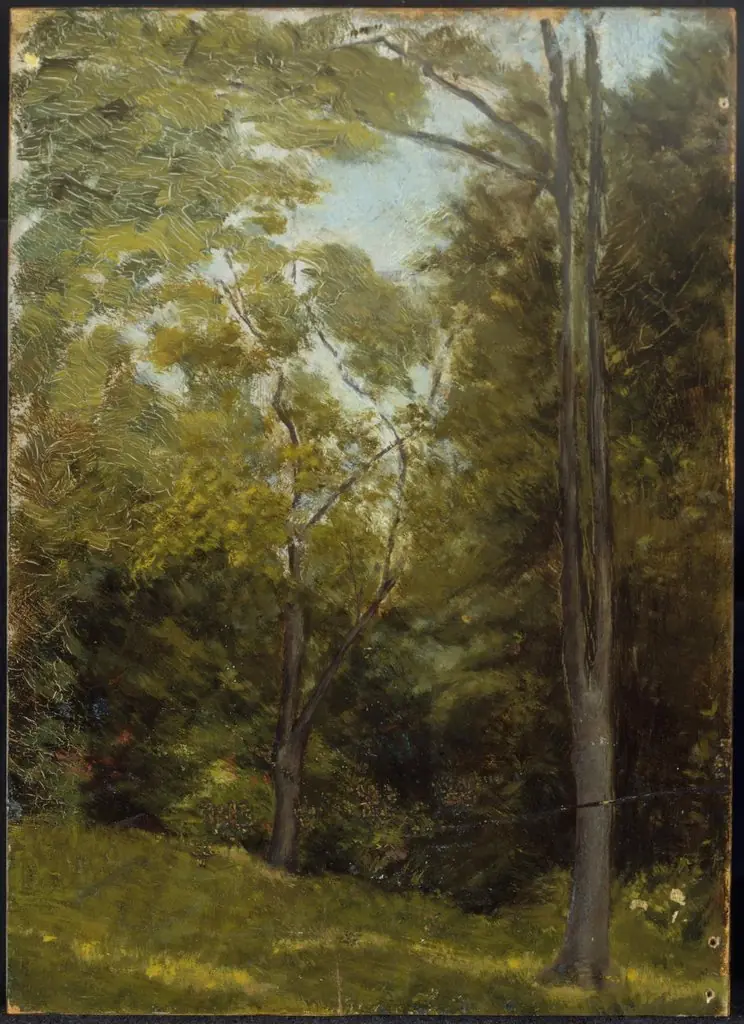
Painted around 1852 by William Howis Jr., Trees is a quiet study of woodland forms rendered in oil. The work resides in the National Gallery of Ireland, where it is noted for its restrained composition and atmospheric tone. Unlike grand landscapes of the period, it focuses narrowly on a cluster of trees, emphasizing their presence rather than their setting.
Subject & Meaning
The painting presents several tall, slender trees with robust trunks and upward-reaching branches. Their dense, dark green foliage suggests maturity and resilience. Set against a muted, shadowed background, the trees appear isolated yet harmonious. The absence of human figures or narrative elements invites contemplation, suggesting a meditation on nature’s quiet endurance.
Technique & Style
The trees are modeled with layered greens and earth tones, their forms defined by subtle shifts in light rather than sharp outlines.
Howis employed a subdued palette and soft brushwork to convey texture without detail. The trees are modeled with layered greens and earth tones, their forms defined by subtle shifts in light rather than sharp outlines. The dark background enhances their silhouette, creating a sense of depth through contrast rather than perspective, aligning the work with introspective 19th-century landscape traditions.
History & Provenance
The painting entered the National Gallery of Ireland’s collection in the late 19th century, likely through a private donation or acquisition from the artist’s estate. Little is documented about its exhibition history prior to its inclusion in the gallery’s holdings, but its preservation suggests it was valued by contemporaries for its calm, deliberate execution.
Context
Created during a period when British and Irish artists increasingly turned to natural subjects for emotional resonance, Trees reflects a shift away from dramatic Romanticism toward quieter, observational modes. Howis’s focus on isolated trees aligns with broader trends in regional landscape painting, where nature was studied not as spectacle but as presence.
Legacy
Though William Howis Jr. is not widely known today, Trees remains a representative example of mid-19th-century Irish landscape painting that prioritized mood over narrative. Its continued presence in the National Gallery of Ireland underscores its role as a quiet testament to the artistic interest in natural forms during a time of social and industrial change.
Artist & collection