Artwork
North River Shad
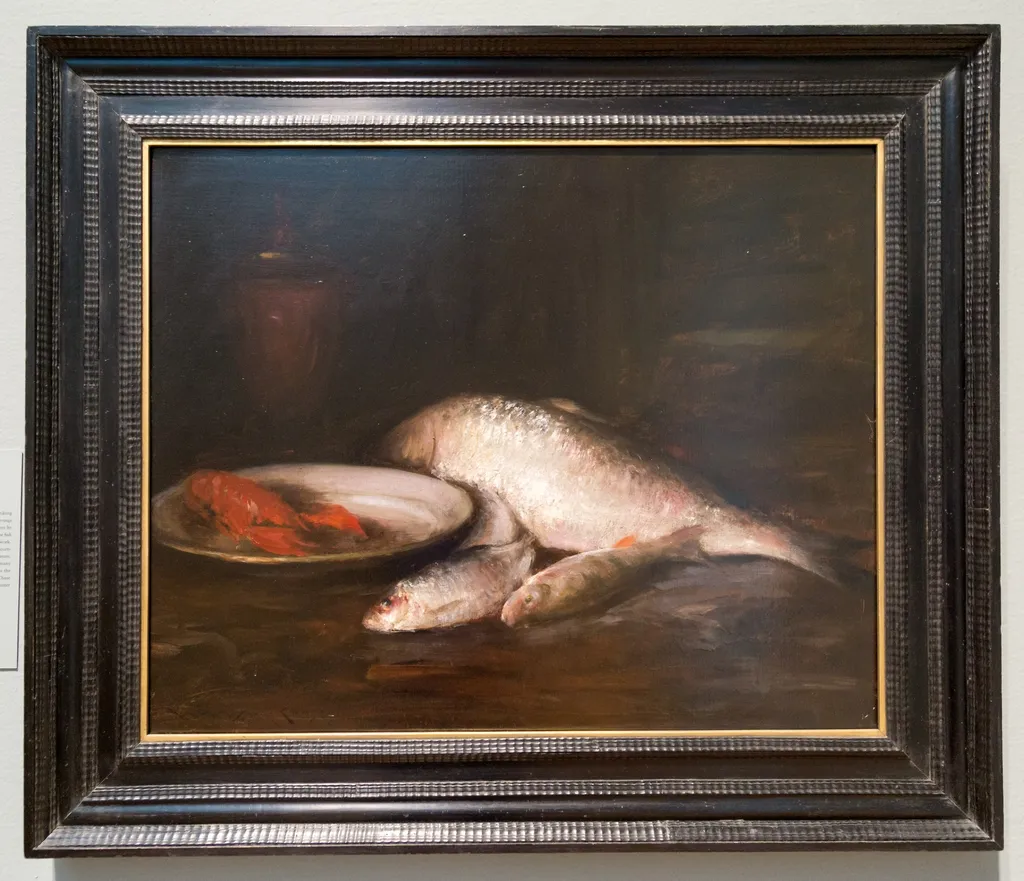
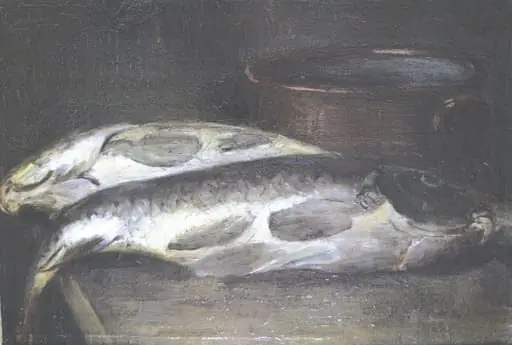
North River Shad is an oil painting by the American Impressionist artist William Merritt Chase. It dates from 1910 and is held in the collection of the Art Institute of Chicago.
About this work
Overview
The composition avoids theatricality, focusing instead on the quiet presence of its subjects.
Painted in 1910 by William Merritt Chase, *North River Shad* is an oil-on-canvas still life that reflects the artist’s engagement with both realism and the tonal subtleties of American Impressionism. Though Chase is better known for landscapes and portraits, this work turns his attention to a quiet, domestic arrangement of fish, rendered with precision and restrained elegance. The composition avoids theatricality, focusing instead on the quiet presence of its subjects.
Subject & Meaning
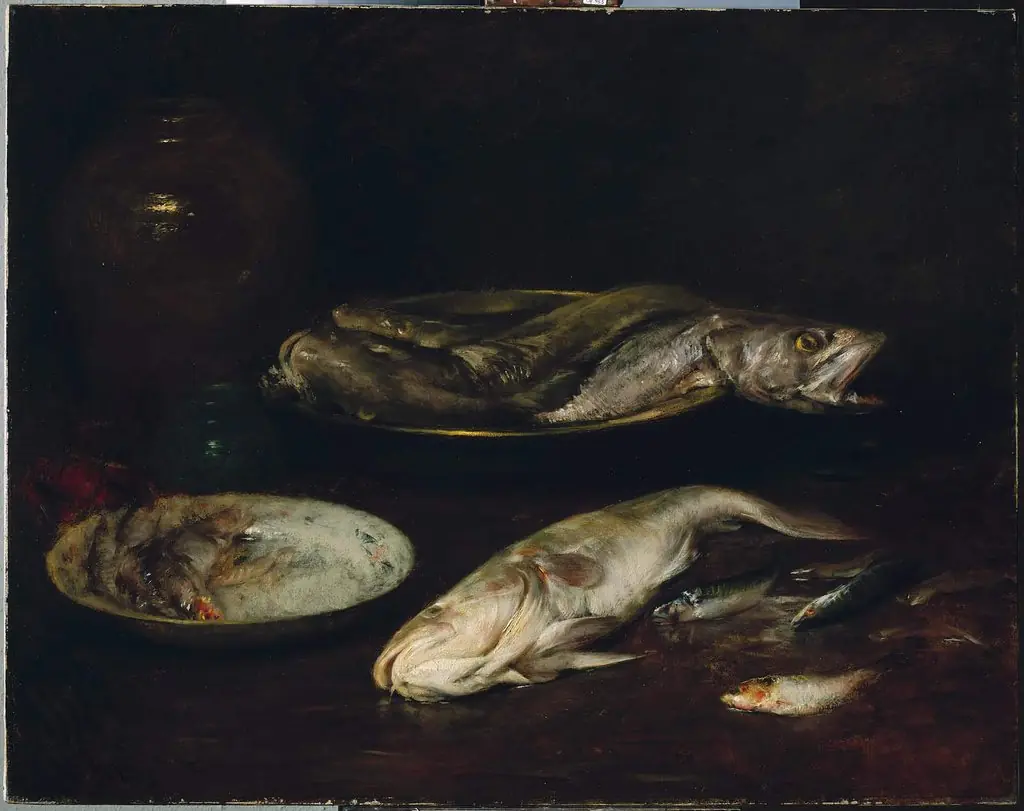
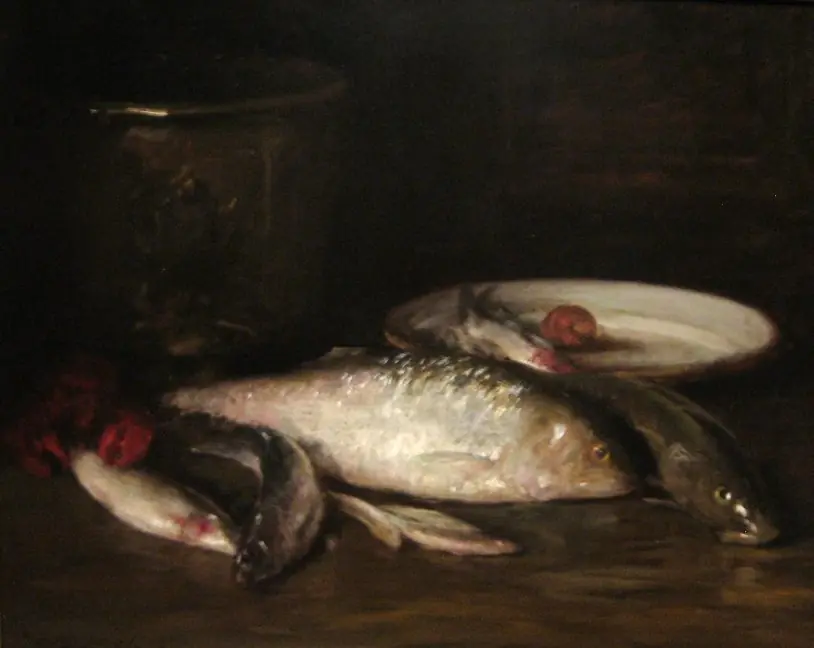
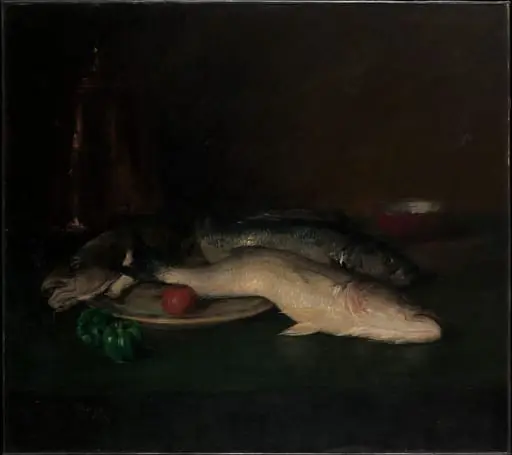
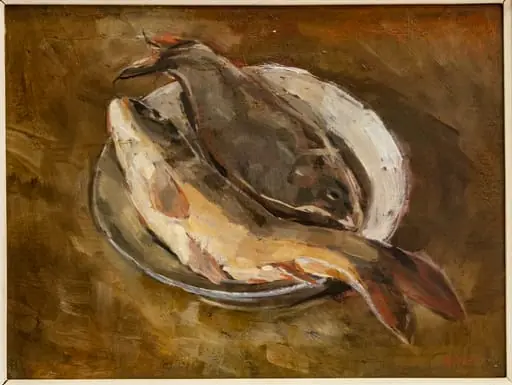
The painting presents three shad fish arranged on a dark, glossy surface—one whole, another whole, and a third sliced open to reveal its internal organs. The arrangement suggests a moment from the fishing or preparation process, grounding the image in everyday experience. There is no overt symbolism; the work’s significance lies in its unadorned observation of nature and the dignity given to humble, transient subjects.
Technique & Style
Chase employed fine brushwork to capture the iridescent sheen of fish scales and the moist texture of flesh, contrasting with the matte darkness of the background and the smooth reflection of the surface beneath. The palette is muted, dominated by silvers, grays, and deep browns, with minimal highlights. The rendering is detailed yet not hyperrealistic, balancing observation with a painterly sensitivity to light and form.
History & Provenance
Created during the final decade of Chase’s career, *North River Shad* emerged from a period when he increasingly turned to still life after decades of teaching and large-scale portraiture. The painting remained in private collections for much of the 20th century and entered a public institution in the 1980s. Its provenance reflects its status as a lesser-known but carefully executed work within Chase’s broader oeuvre.
Context
In early 20th-century America, still life was often seen as secondary to portraiture or landscape. Chase’s choice to focus on fish—a subject tied to regional commerce and seasonal labor—aligns with a broader interest among American artists in elevating ordinary subjects. The North River, now the Hudson, was a known source of shad, linking the painting to local ecological and culinary traditions of the time.
Legacy
While not widely exhibited, *North River Shad* exemplifies Chase’s ability to infuse still life with quiet authority. It stands as a testament to his technical versatility and his commitment to observing the natural world with clarity. The work contributes to a growing recognition of American still life as a serious genre, distinct from European traditions yet equally attentive to material presence and light.
Artist & collection
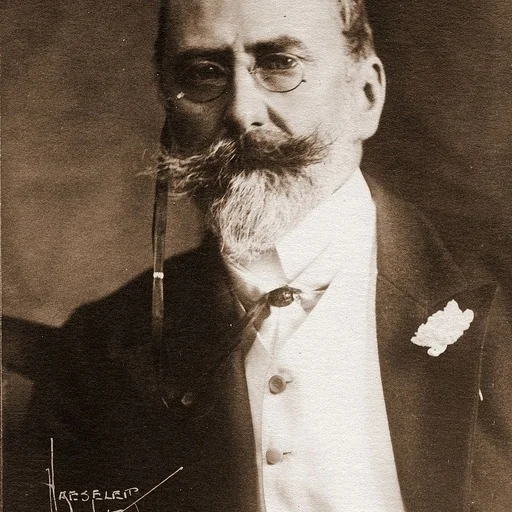
Artist
William Merritt Chase (November 1, 1849 – October 25, 1916) was an American painter, known as an exponent of Impressionism and as a teacher.