Artwork
Dewi Wyn o Eifion
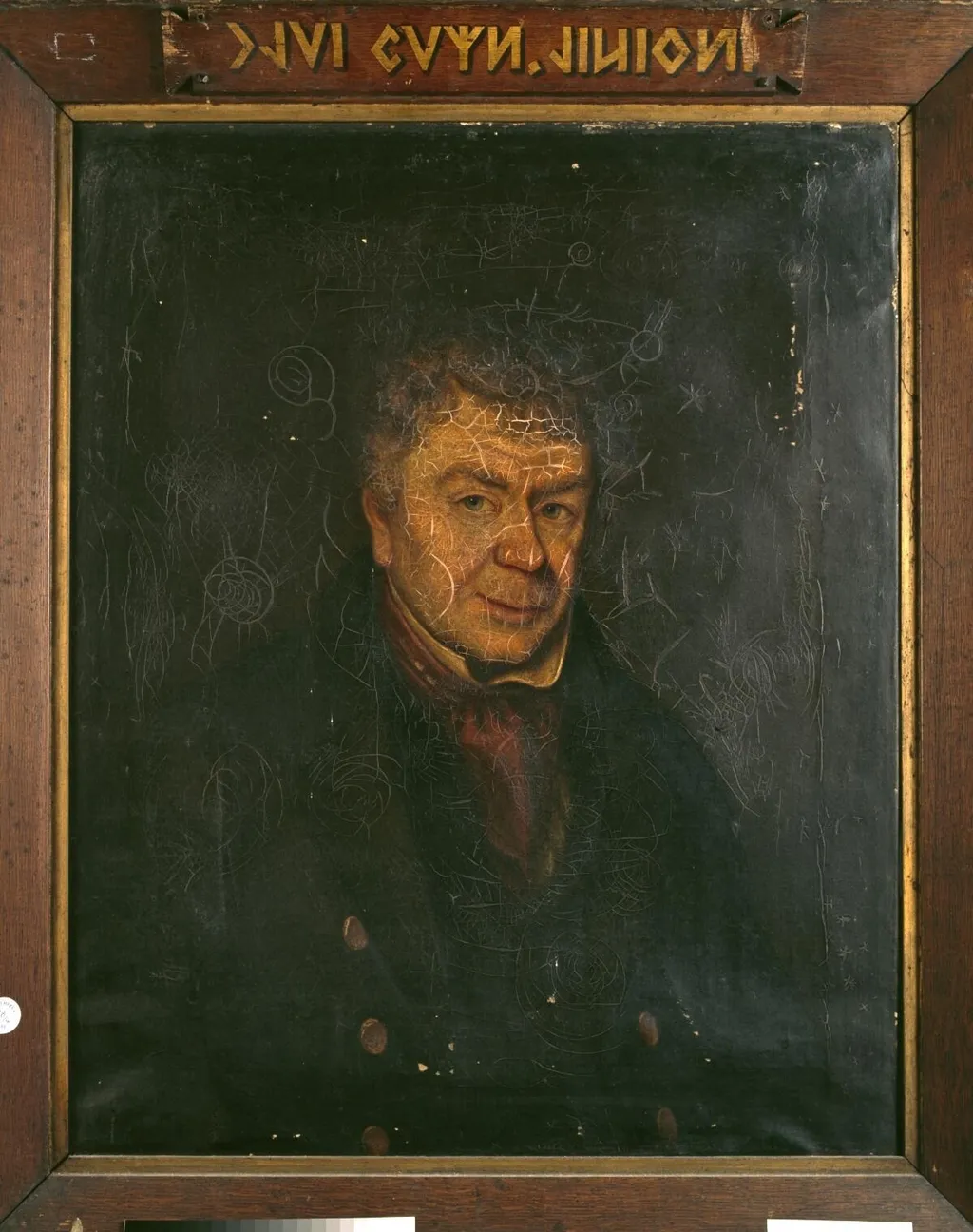
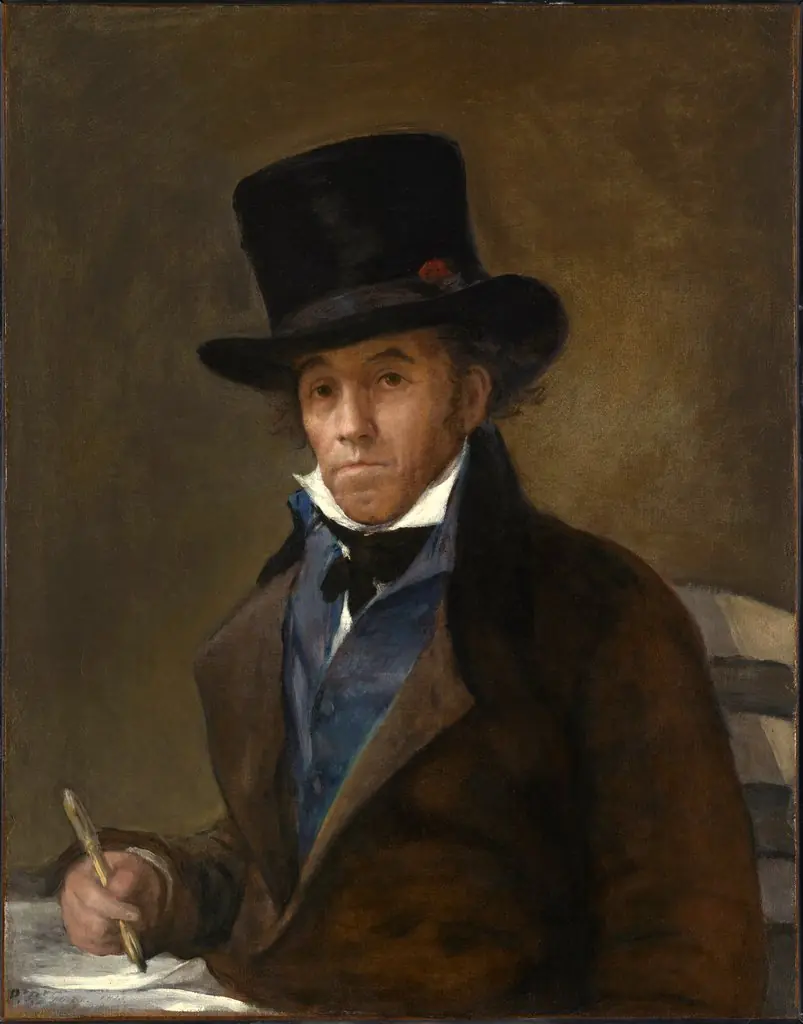
Dewi Wyn o Eifion is an oil painting by the British Romanticist artist William Roos. It dates from 1840 and is held in the collection of the National Library of Wales.
About this work
Overview
Painted in 1840 by Welsh artist William Roos, *Dewi Wyn o Eifion* is an oil portrait of David Owen, a figure from the Eifion region of Wales.
Painted in 1840 by Welsh artist William Roos, *Dewi Wyn o Eifion* is an oil portrait of David Owen, a figure from the Eifion region of Wales. The work reflects the introspective tone common in early 19th-century British portraiture. It resides in the collection of the National Library of Wales, where it is preserved as part of the nation’s cultural record. Roos, known for both painting and engraving, approached this subject with quiet precision.
Subject & Meaning
The subject, David Owen, is portrayed with a composed, solemn gaze that conveys dignity and inner resolve. His identity as 'Dewi Wyn'—a local name suggesting personal or regional significance—hints at a figure known within his community, perhaps for moral or intellectual stature. The absence of symbolic props or setting shifts focus entirely to his presence, emphasizing character over circumstance.
Technique & Style
Roos employs chiaroscuro to model the face with soft, directional light against a deep, unbroken background. The dark coat and red scarf create a restrained chromatic contrast, drawing attention to the subject’s features without ornamentation. Brushwork is controlled, with careful attention to the texture of hair and fabric, reflecting a tradition of academic portraiture adapted to Welsh subject matter.
History & Provenance
The painting was completed in 1840 and entered the National Library of Wales’ collection at an early stage, likely through donation or acquisition by a local patron. Its preservation within an institutional archive suggests it was valued as a representation of regional identity rather than as a commercial work. No significant alterations or restorations are documented in public records.
Context
Created during the height of British Romanticism, the portrait aligns with a broader cultural interest in individual character and local heritage. In Wales, where linguistic and cultural identity were under pressure, such portraits served as quiet affirmations of personal and regional dignity. Roos’s work reflects this trend without overt political messaging, favoring psychological depth over spectacle.
Legacy
Though not widely exhibited beyond Wales, *Dewi Wyn o Eifion* remains a key example of regional portraiture from the early Victorian period. It contributes to the understanding of how Welsh artists documented local figures with dignity during a time of national change. The painting continues to be referenced in studies of Welsh visual culture and the role of portraiture in community memory.
Artist & collection
Artist
William Roos (1808 – 4 July 1878) was a Welsh artist and engraver. Several of Roos' portraits, mainly of notable Welsh figures, are owned by the National Library of Wales.

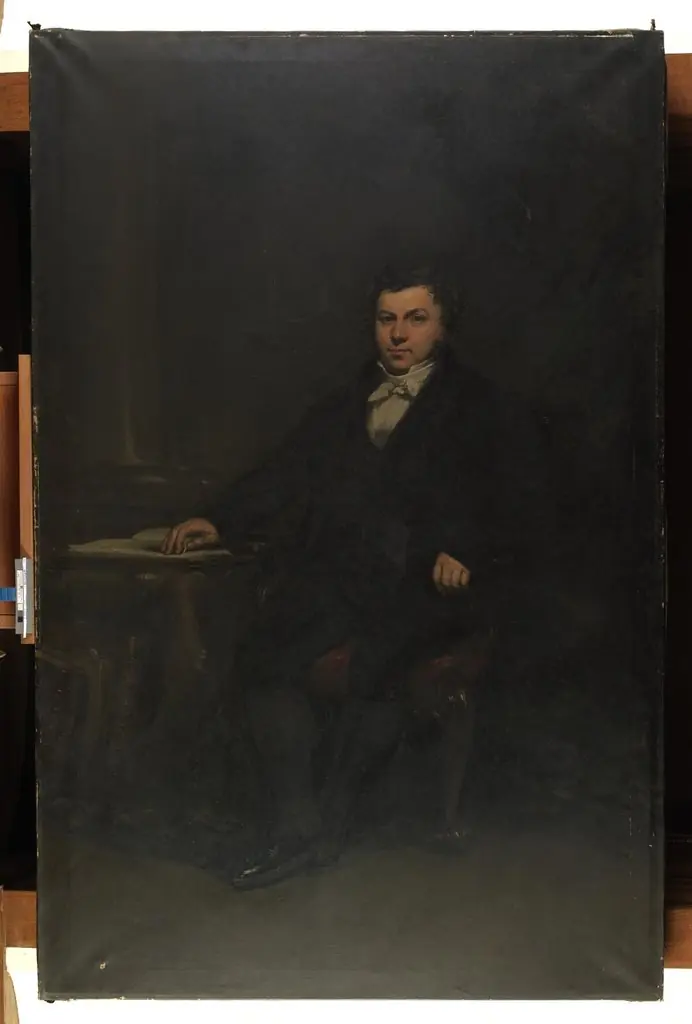 Gentleman in his study
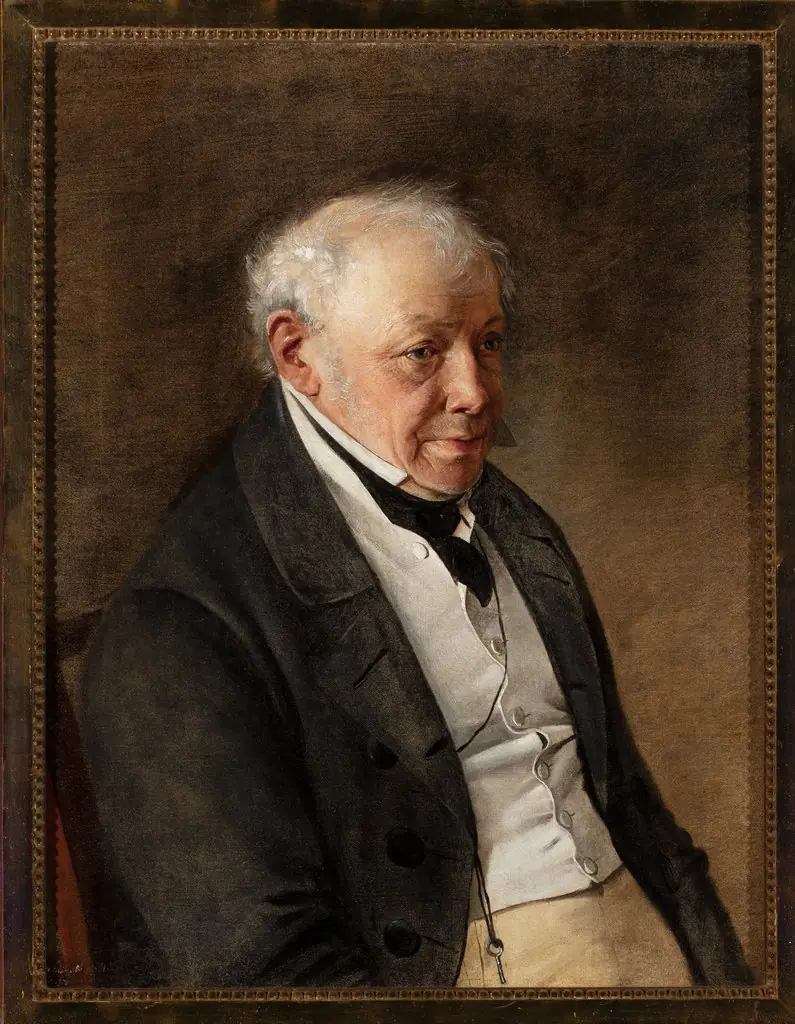 Portrait of Ksawery Bębnowski, artist's father-in-law, captain in Kościuszko's army
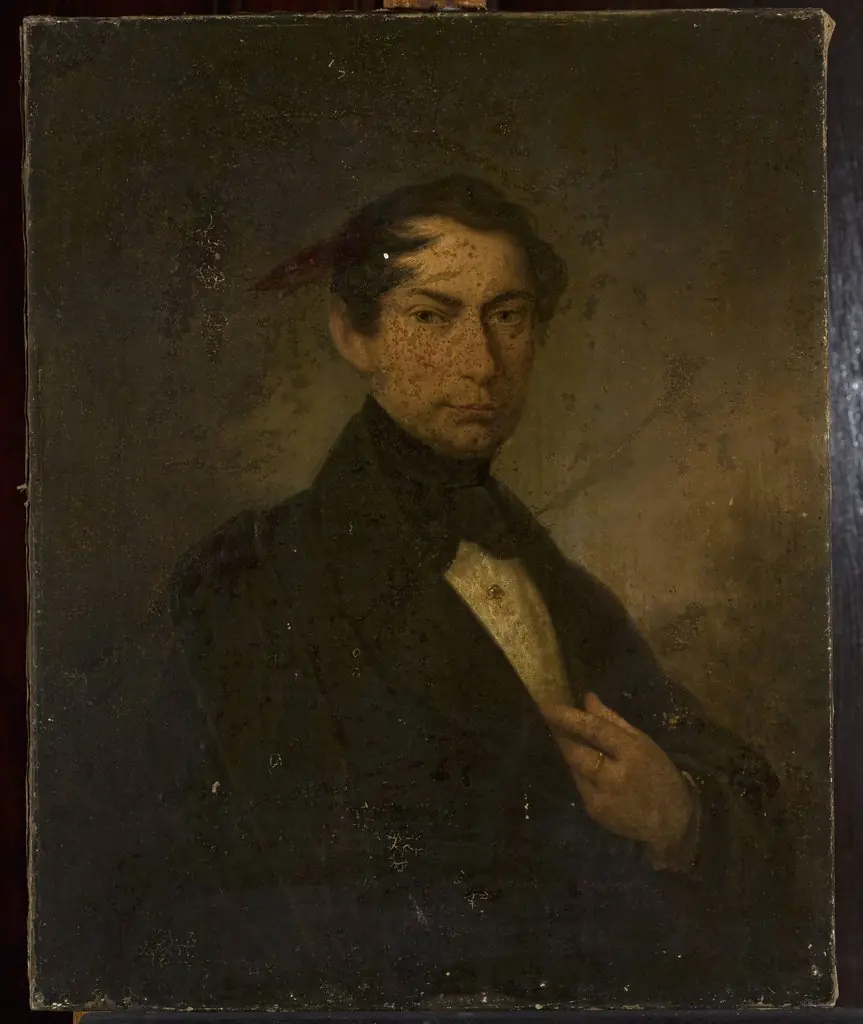 Portrait of Koronat Cyrański
 Julius Geber (1816-1876), wholesale dealer, banker, married to Hilda Philipson
 Portrait of a man
 Peter Johnston, Jr.
 Portrait of a gentleman holding a book
 Petru Maior
 Brustbild von Nikolaus Dold
 Portrait of David C. de Forest
 Portrait of the Artist´s Father, Master Baker Peter Berendt Købke
 Asensio Juliá