Artwork
Model at the Club
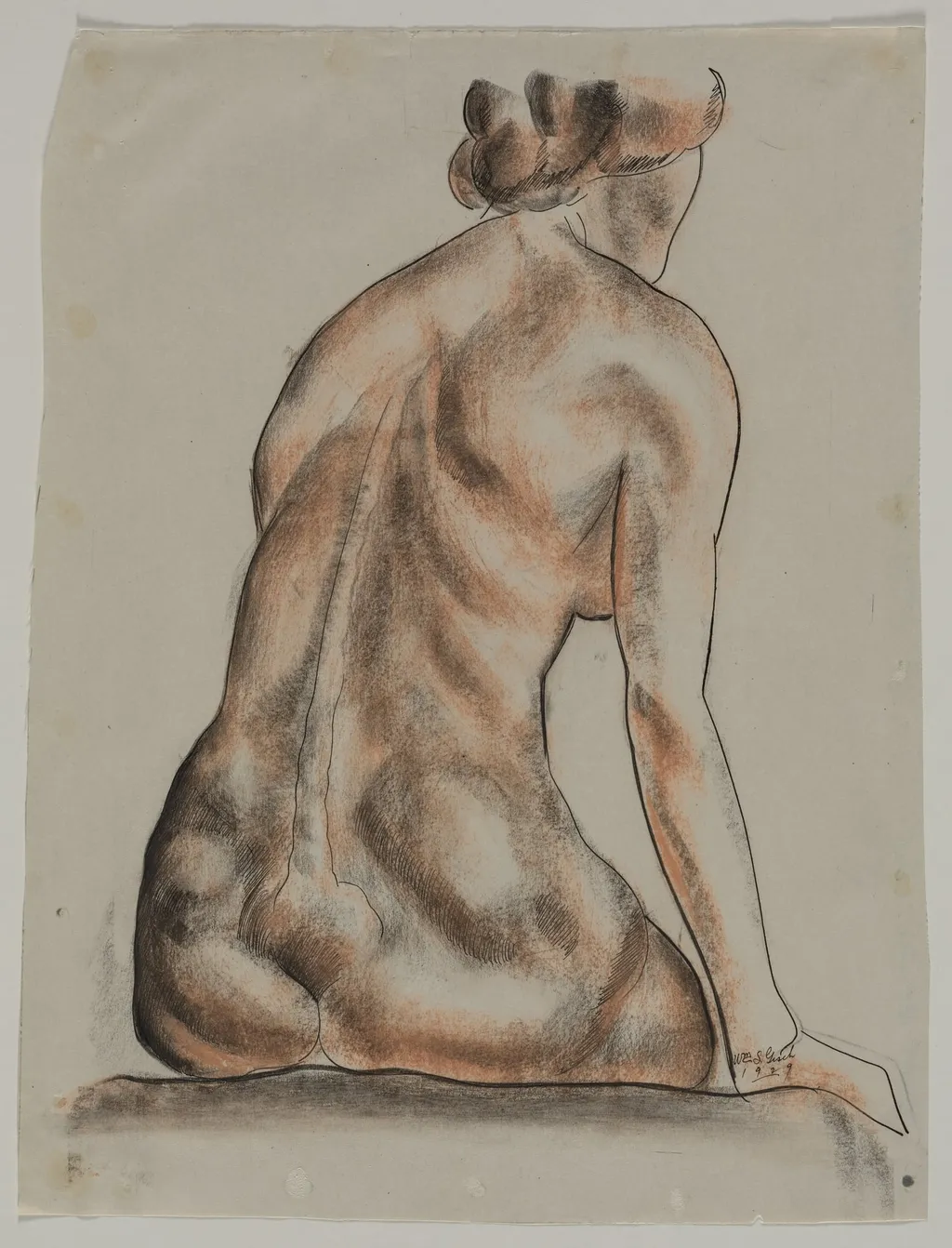
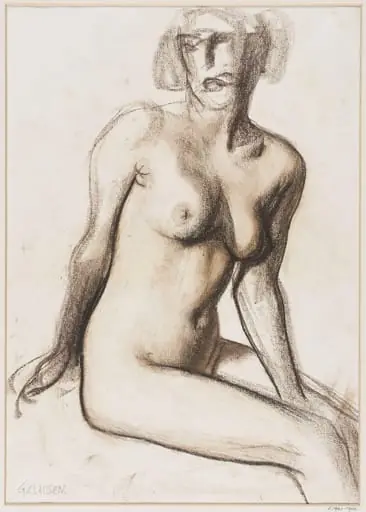
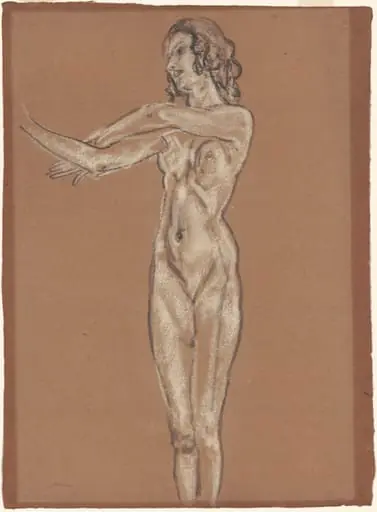
Model at the Club is a drawing by William S. Gisch. It dates from 1929 and is held in the collection of the Cleveland Museum of Art. Created in 1929, this drawing by American artist William S.
About this work
The artist used simple lines and soft shading to show the shape of the body, with some darker marks for shadows and lighter strokes for highlights.
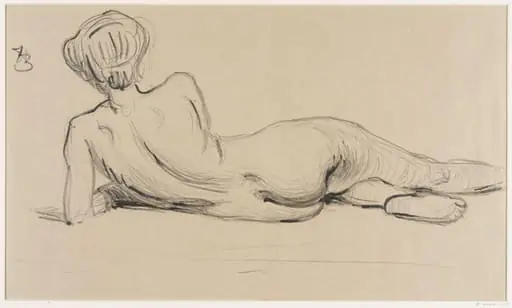
This drawing shows a person sitting on the floor with their back to us. Their legs are bent, knees apart, and their arms rest behind them. The artist used simple lines and soft shading to show the shape of the body, with some darker marks for shadows and lighter strokes for highlights.
The paper looks worn, like it’s been handled a lot. The signature in the corner reads "W.S. Gisch" with the year 1929.
If you like this sketch, check out The Cleveland Museum of Art.
Overview
Created in 1929, this drawing by American artist William S. Gisch is part of the collection at the Cleveland Museum of Art. Rendered on a sheet of paper that shows signs of extensive handling, the work bears the artist’s initials and date in the lower corner. The composition centers on a solitary figure seated on the floor, viewed from behind.
Subject & Meaning
The figure is positioned with knees apart and arms supporting the torso, suggesting a moment of pause or contemplation. The back‑to‑viewer pose invites the viewer to imagine the individual’s identity and activity, while the simple, unadorned setting emphasizes the human form rather than any narrative context.
Technique & Style
Gisch employs a restrained line economy, outlining the body with clean strokes and using subtle gradations of graphite to model volume. Darker tonal marks indicate shadowed areas, whereas lighter hatching creates a sense of illumination on the limbs. The overall effect is a quiet, observational study of anatomy and posture.
History & Provenance
The drawing entered the Cleveland Museum of Art’s holdings after its creation, though specific acquisition details are not recorded in the available documentation. Its presence in the museum’s collection reflects an interest in early twentieth‑century American draftsmanship and the artist’s role within that period.
Artist & collection