Artwork
Landscape
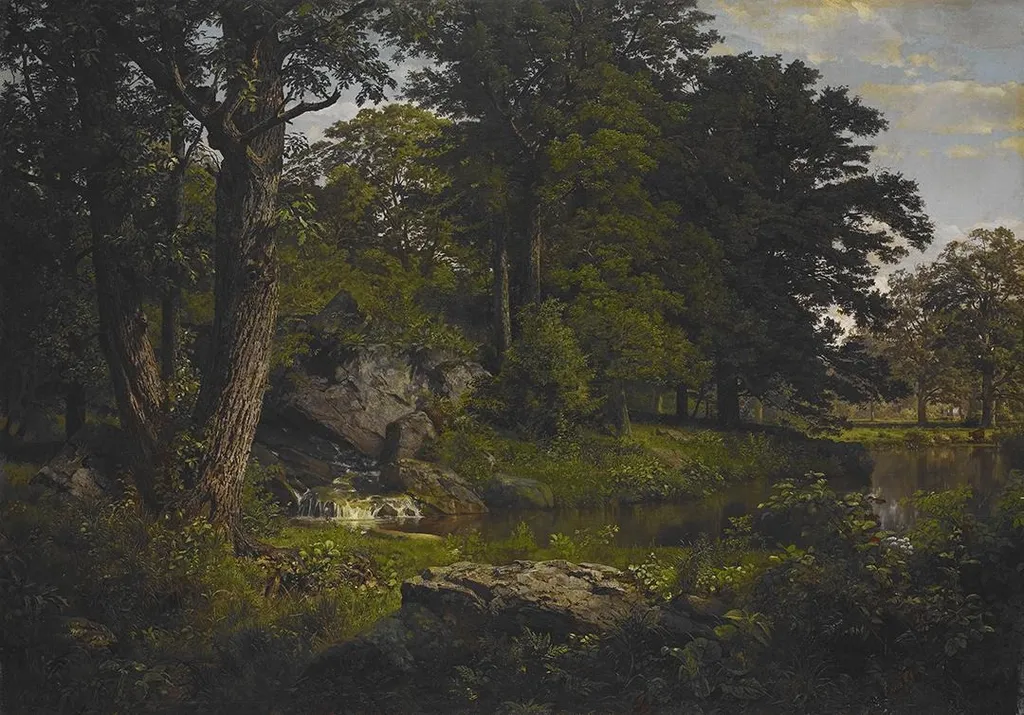
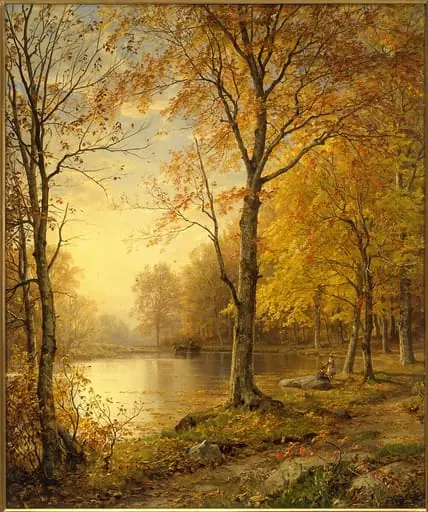
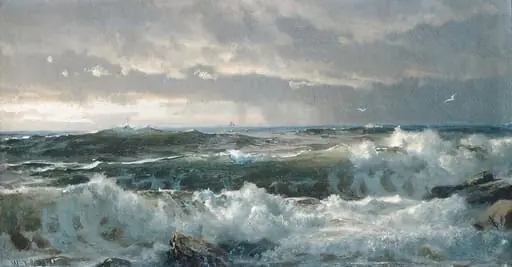
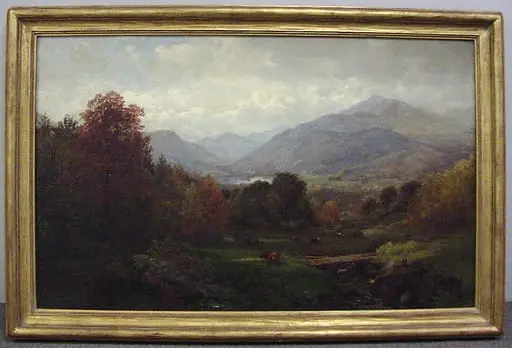
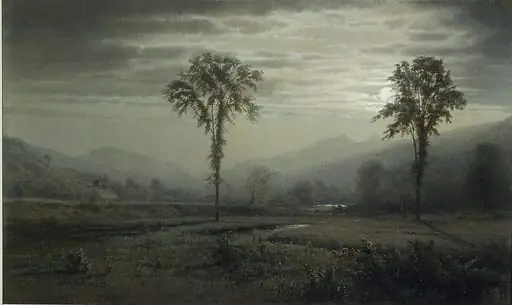
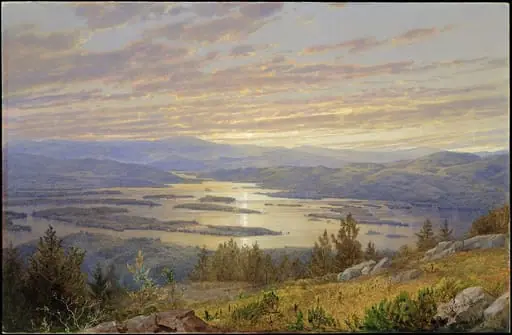
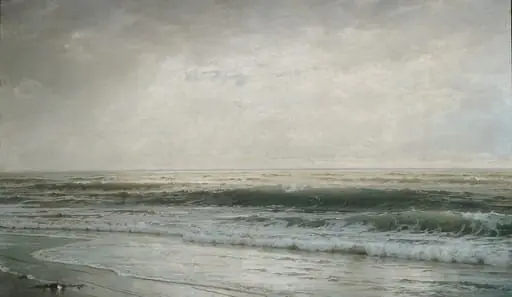
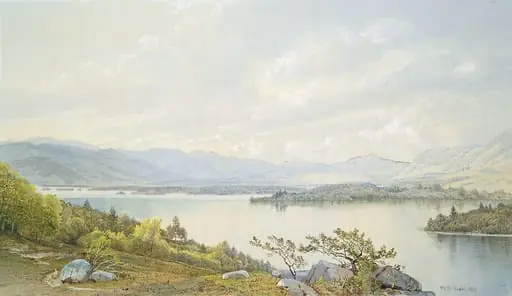
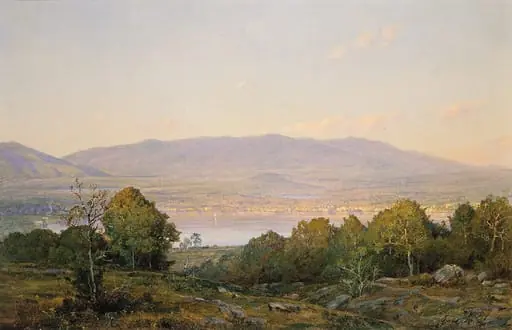
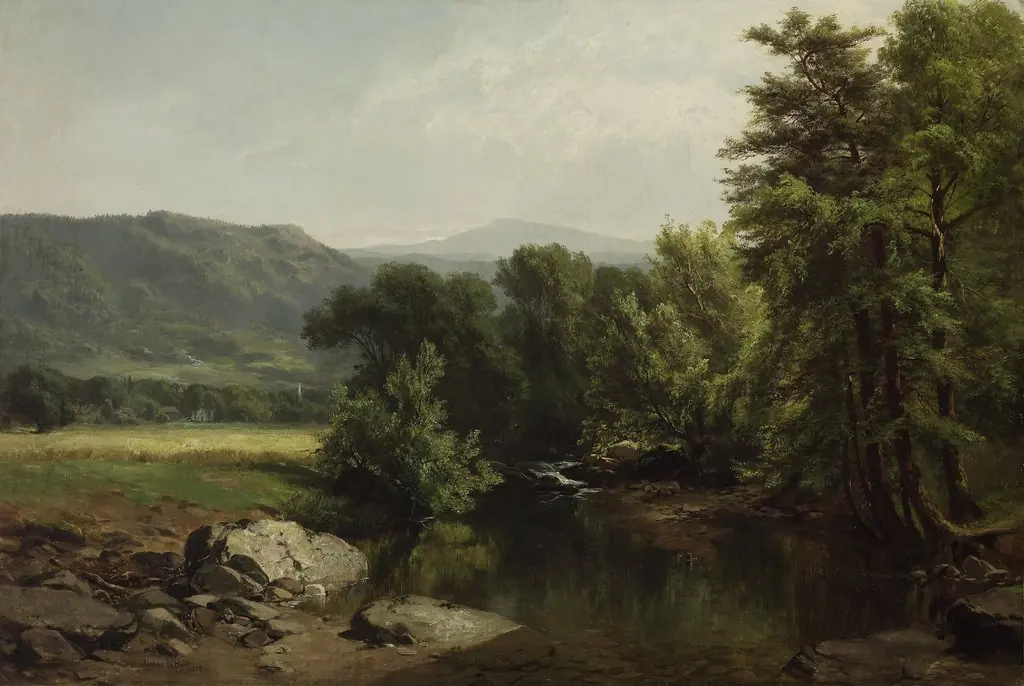
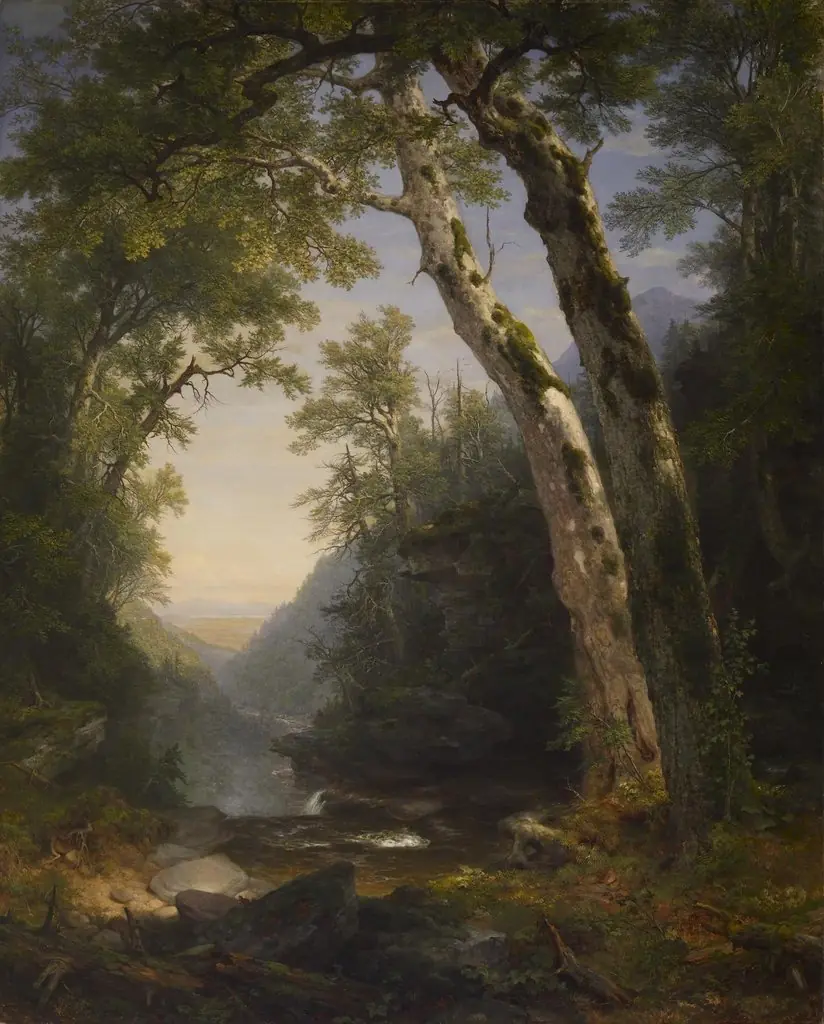
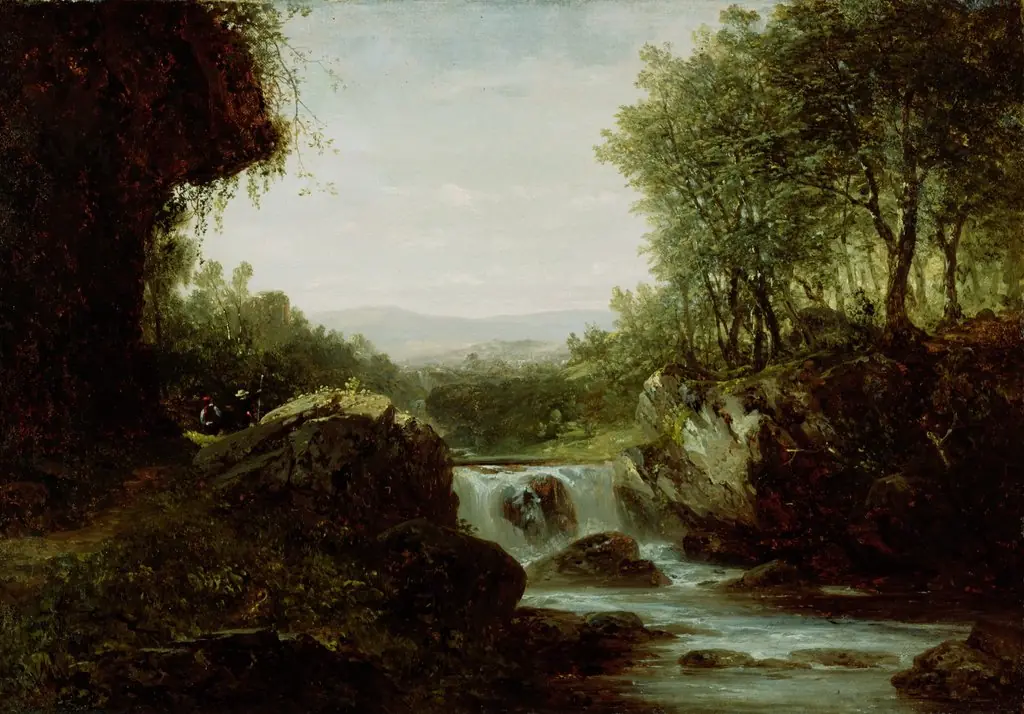
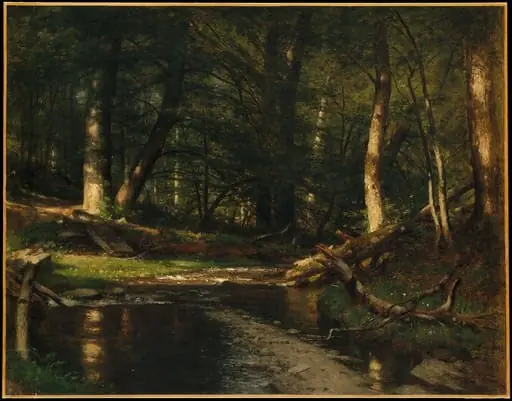
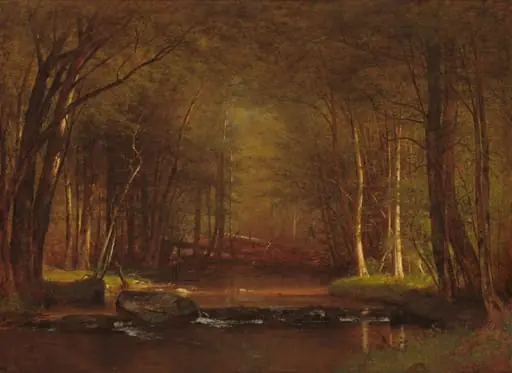
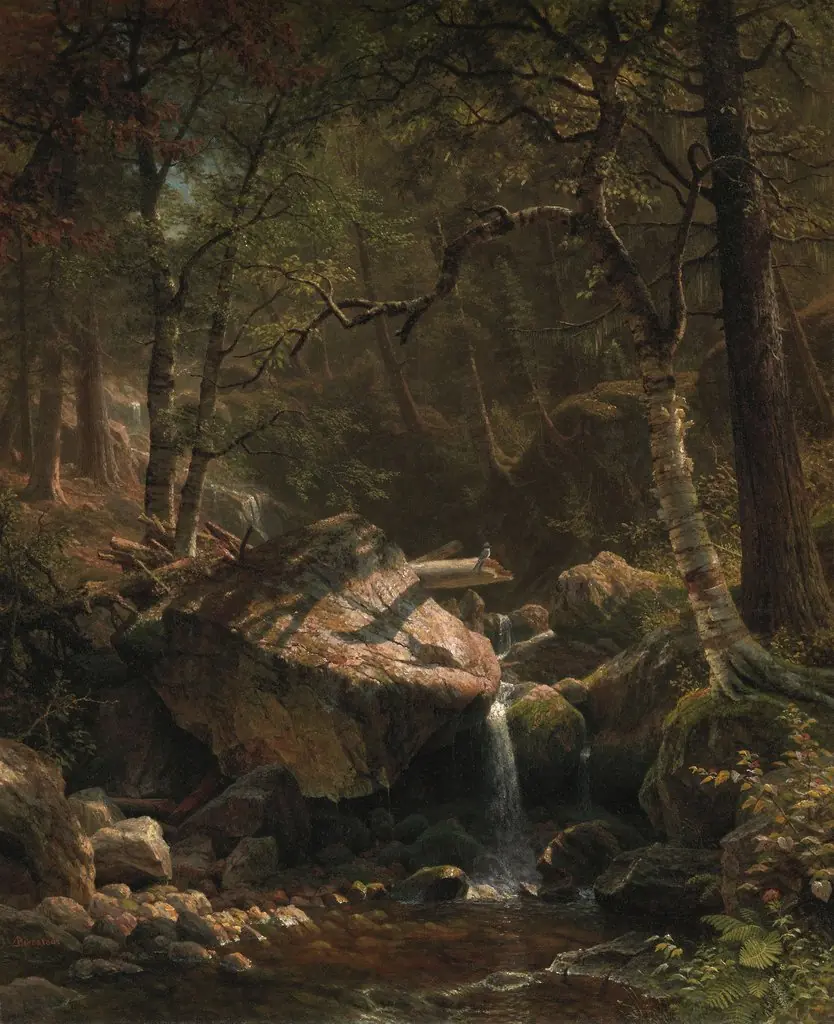
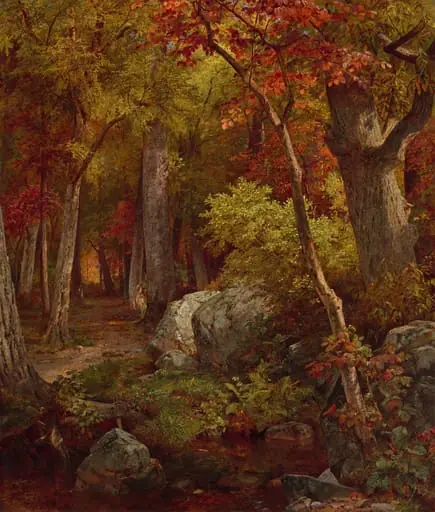
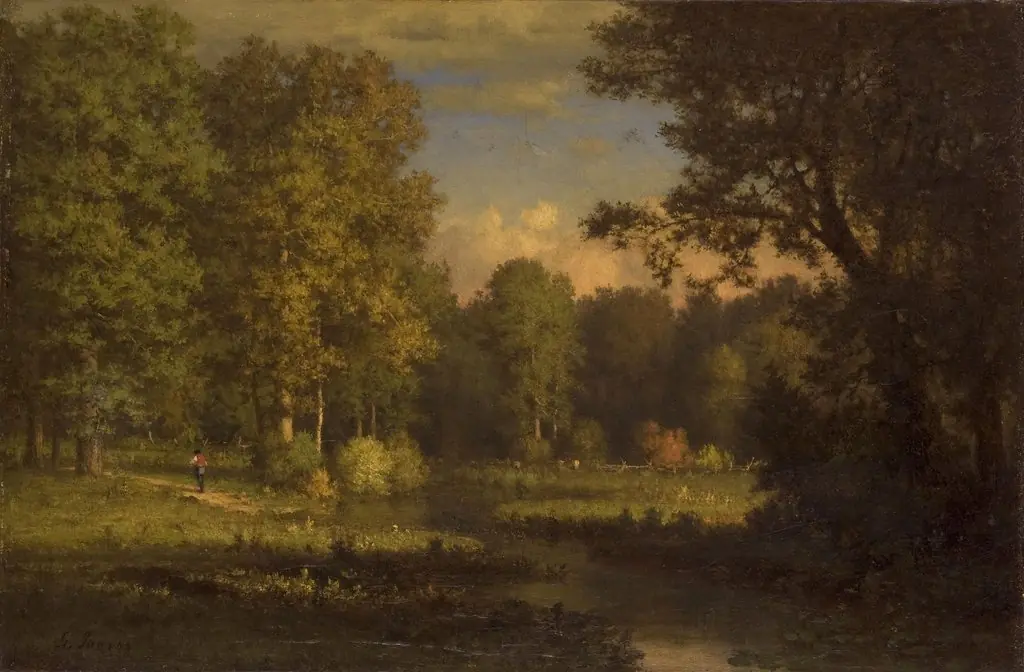
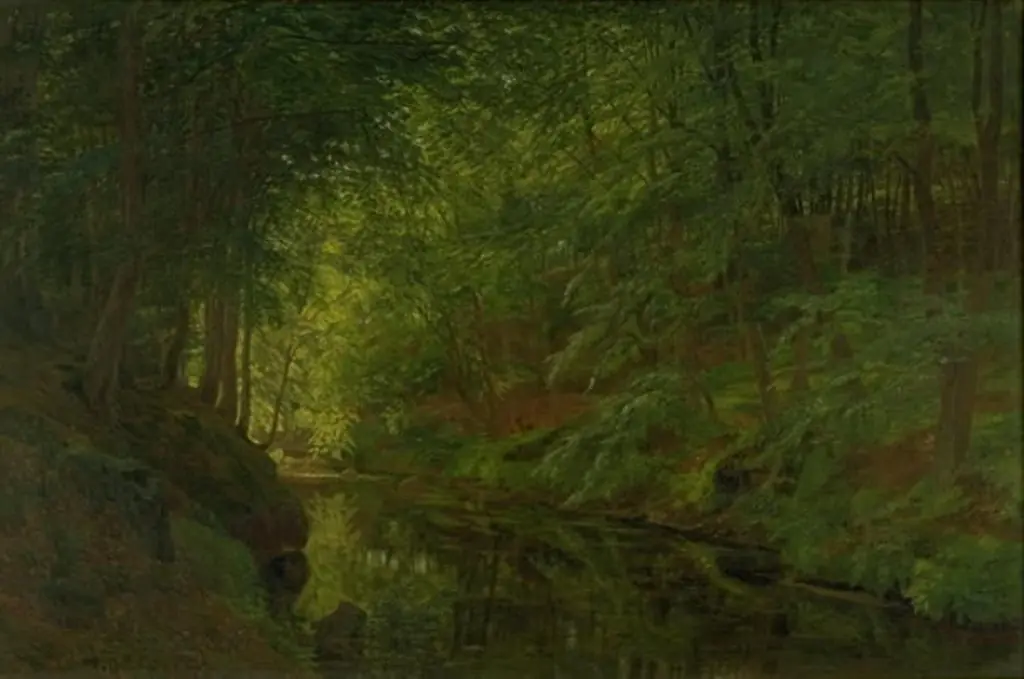
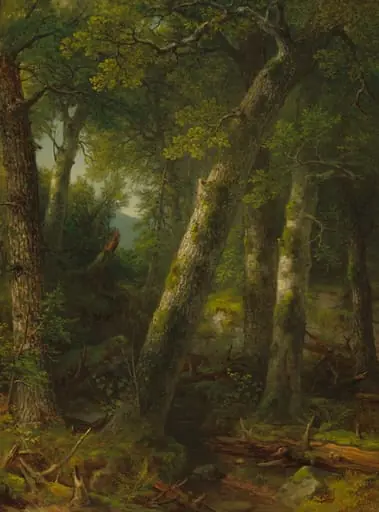
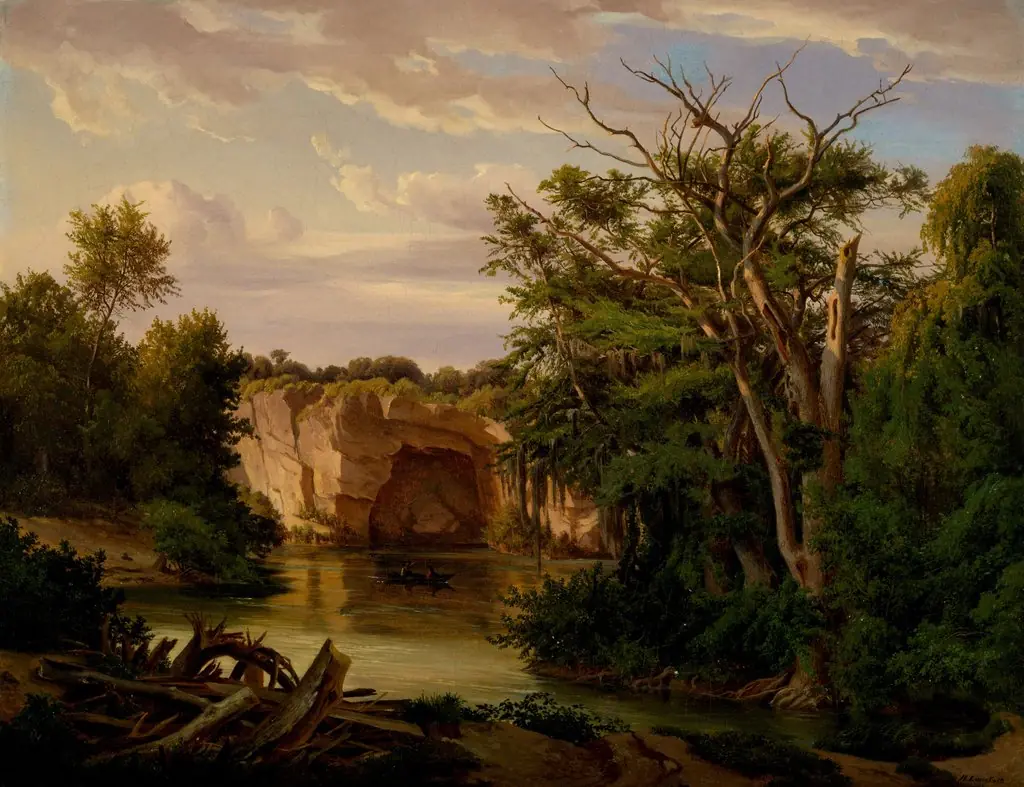
Landscape is an oil painting by the Hudson River School artist William Trost Richards. It dates from 1863 and is held in the collection of the Crystal Bridges Museum of American Art.
About this work
Overview
Painted in 1863, this oil-on-canvas work by William Trost Richards captures a quiet woodland scene in the northeastern United States. It belongs to the collection of the Crystal Bridges Museum of American Art and exemplifies the artist’s dedication to precise natural observation. The composition emphasizes tranquility through balanced elements and careful attention to atmospheric detail.
Subject & Meaning
The painting depicts a secluded forest stream, where water tumbles over moss-covered rocks into a calm pool below. Dense foliage frames the view, suggesting untouched wilderness. Richards avoids human presence, focusing instead on the quiet rhythm of nature. The scene reflects a 19th-century ideal of nature as a refuge from industrialization, valued for its purity and stillness.
Technique & Style
Richards employed fine brushwork and layered glazes to render textures of bark, water, and foliage with precision. His palette favors muted greens, earth tones, and soft blues, with subtle shifts in light suggesting time of day. The depth of the scene is achieved through atmospheric perspective, where distant elements grow cooler and less defined, enhancing realism without theatricality.
History & Provenance
Created during Richards’s early career, the painting emerged from his travels through New England’s wooded regions, where he sketched directly from nature.
Created during Richards’s early career, the painting emerged from his travels through New England’s wooded regions, where he sketched directly from nature. It entered the Crystal Bridges Museum collection through established channels of American art acquisition, likely from a private donor or estate. Its preservation reflects its status as a representative work of mid-19th-century American landscape painting.
Context
This work aligns with the Hudson River School tradition, which emphasized detailed, reverent depictions of American scenery. Richards was influenced by European Romanticism and the scientific interest in natural history. His paintings responded to a growing public appetite for images of unspoiled landscapes, offering visual solace amid rapid urban and industrial change.
Legacy
Richards’s commitment to direct observation and technical refinement influenced later generations of American landscape painters. While less widely known than some contemporaries, his works remain valued for their quiet integrity and fidelity to natural forms. This painting continues to serve as a reference for studies of 19th-century American environmental perception and artistic technique.
Artist & collection

Museum
Crystal Bridges Museum of American Art
Continue through works from the same source collection.