Artwork
Guy Little Theatrical Photograph
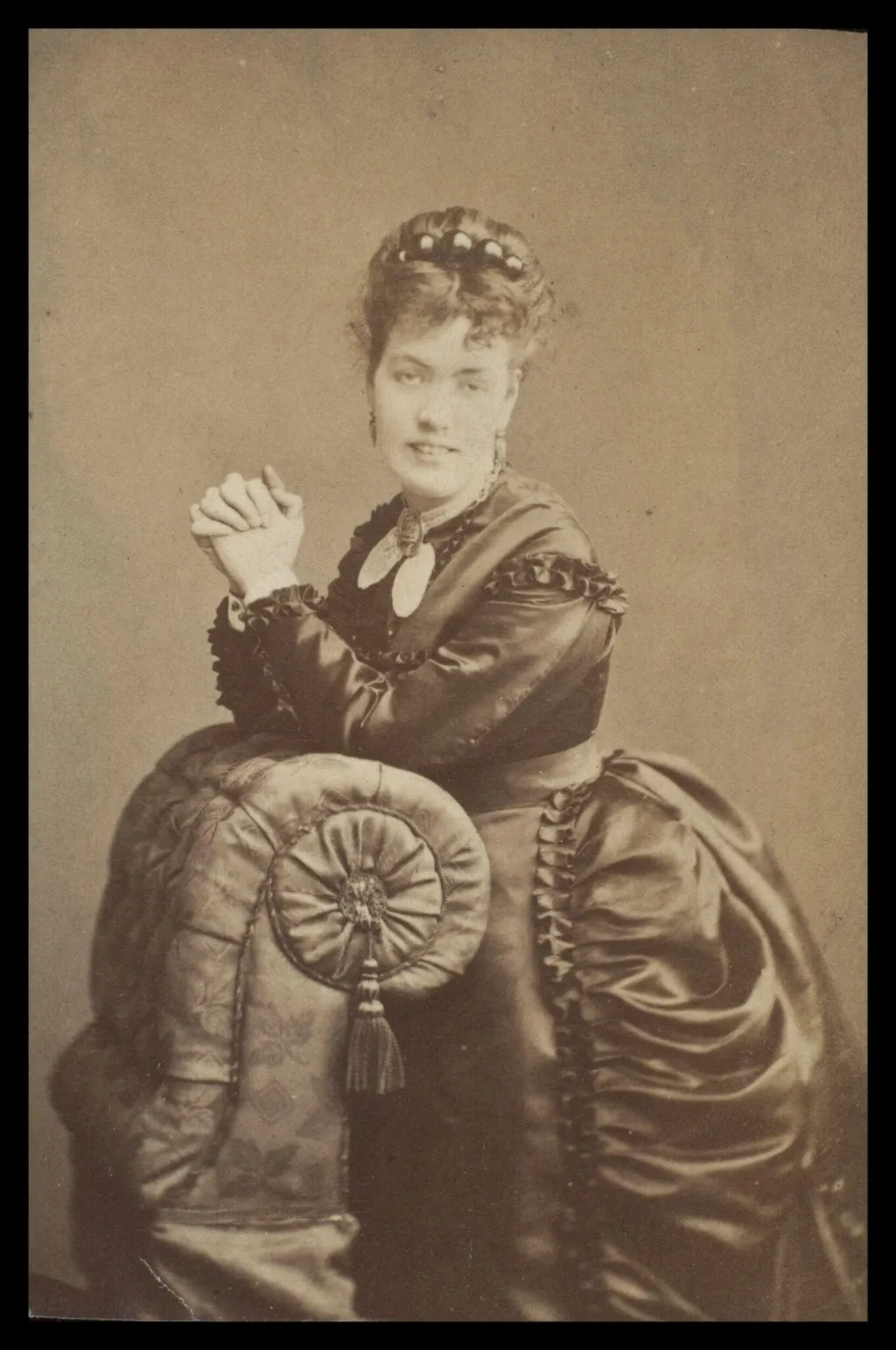
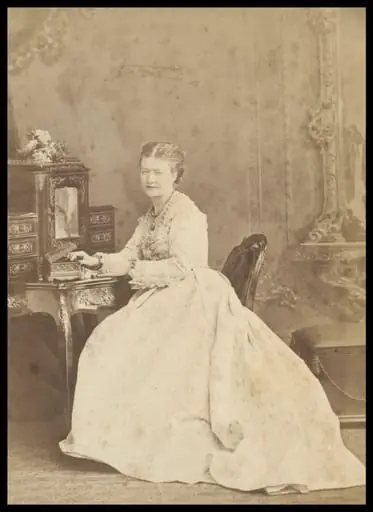
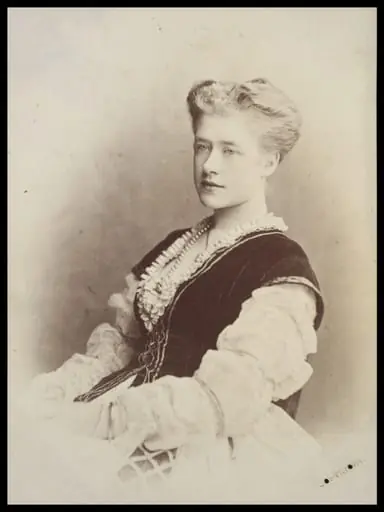
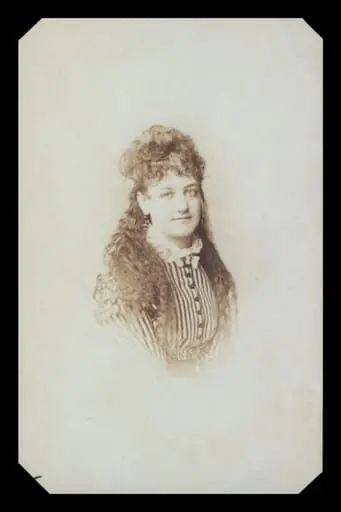
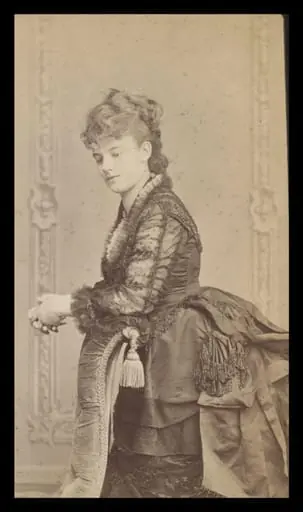
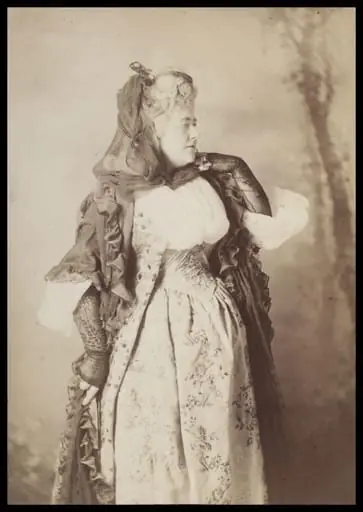
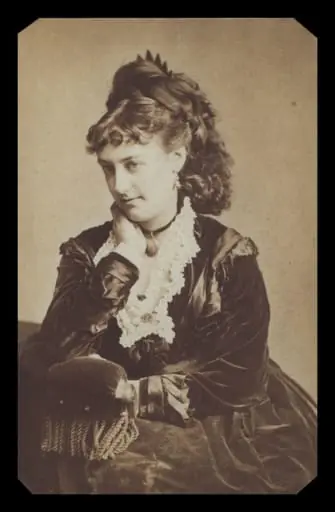
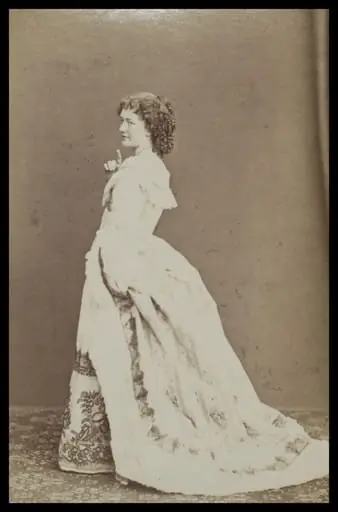
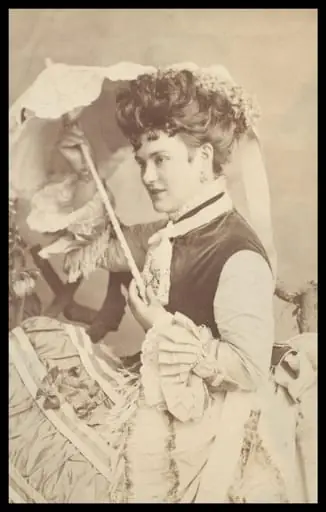
Guy Little Theatrical Photograph is a photographic photography by the Impressionist artist Frederick Richard Window. It dates from 1870 and is held in the collection of the Victoria and Albert Museum.
About this work
This is a photo from 1870. It’s a portrait of Fanny Addison by Frederick Richard Window. The photo is part of the Impressionism and Realism movements.
Back then, actors often posed for small photos called cartes de visite. These were cheap to make and easy to collect. They helped fans remember their favorite performers.
Look up the Victoria and Albert Museum next.
Overview
The image reflects the era’s growing culture of celebrity portraiture through accessible photographic formats.
This photograph of actress Fanny Addison, taken in 1870 by Frederick Richard Window, is an albumen print mounted on card, typical of the cabinet card format popular in the late 1870s. It originates from the personal collection of Guy Tristram Little, a solicitor and avid collector of theatrical memorabilia, who bequeathed his assembled albums to the Victoria and Albert Museum. The image reflects the era’s growing culture of celebrity portraiture through accessible photographic formats.
Subject & Meaning
Fanny Addison, a respected stage performer of the Victorian era, is depicted in a formal pose, likely in costume, capturing her public persona. Such portraits served as tangible connections between audiences and performers, allowing fans to own a piece of theatrical life. The image functions less as fine art and more as a cultural artifact, documenting the intersection of performance and emerging mass media in the age of photography.
Technique & Style
The photograph is an albumen print made from a glass negative, a standard process of the period that produced sharp, detailed images with a warm tonal range. Mounted on a sturdy card, it follows the cabinet card format, larger than the earlier carte de visite, designed for durability and display. The composition is restrained, emphasizing the sitter’s presence without theatrical embellishment, aligning with the period’s preference for dignified portraiture.
History & Provenance
The photograph was part of Guy Tristram Little’s extensive collection of theatrical photographs, meticulously removed from original mounts and reorganized into personal albums. Little, a partner in a London law firm and executor of Gabrielle Enthoven’s estate, preserved these images as historical records. Upon his death in 1953, the collection was donated to the V&A, forming a key component of its Theatre and Performance holdings.
Context
In the 1870s, cabinet cards replaced cartes de visite as the preferred format for celebrity portraits, reflecting both technological advances and changing consumer habits. Actors like Addison were photographed regularly to meet public demand, with studios specializing in theatrical subjects. These images circulated widely, contributing to the rise of performer fame and the commercialization of personal imagery in an increasingly visual culture.
Legacy
Little’s collection, now housed at the V&A, preserves a vital record of Victorian theatre’s visual culture. These photographs offer insight into how performance was commodified and consumed, bridging the gap between live theatre and the domestic sphere. The archive remains a critical resource for scholars studying the social history of performance, photography, and celebrity in the 19th century.
Artist & collection
Artist