Artwork
Camp Meeting Sketches: The Tent
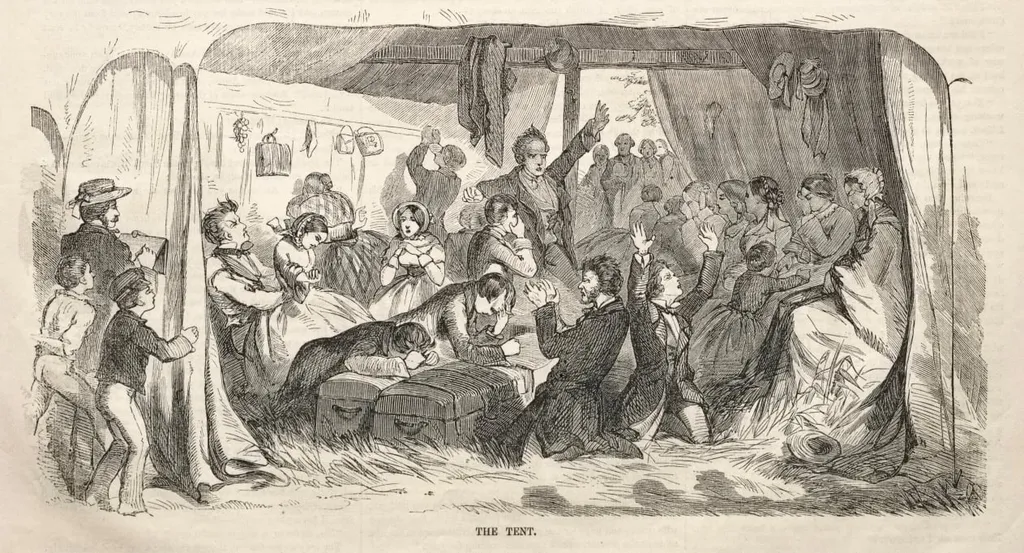
Camp Meeting Sketches: The Tent is a print by the Impressionist artist Winslow Homer. It dates from 1858 and is held in the collection of the Cleveland Museum of Art.
About this work
A group of people huddles under a striped tent in a grassy field. Two men in dark coats stand apart, talking. A woman in a light dress holds a child’s hand.
Homer made this while traveling America. He sketched camp meetings—religious gatherings—then turned them into prints. It shows everyday life with quiet care.
For more like this, look up Winslow Homer (American, 1836–1910).
Overview
Created in 1858, *Camp Meeting Sketches: The Tent* is a watercolor by Winslow Homer that captures a moment from a rural religious gathering.
Created in 1858, *Camp Meeting Sketches: The Tent* is a watercolor by Winslow Homer that captures a moment from a rural religious gathering. Executed during his early career, the work reflects his practice of traveling across America to observe and record ordinary life. Though later known for marine scenes, Homer began as an illustrator, and this piece exemplifies his commitment to documenting social rituals with quiet precision.
Subject & Meaning
The scene portrays attendees of a camp meeting under a striped canvas tent, a common feature of 19th-century evangelical gatherings. Figures are arranged with subtle distinction: two men converse apart, while a woman holds a child’s hand, suggesting familial and communal bonds. The composition avoids dramatic religious intensity, instead emphasizing the quiet, everyday nature of these events as part of American rural life.
Technique & Style
Homer employed watercolor with restrained brushwork and a muted palette to convey texture and atmosphere. The tent’s stripes and the grassy ground are rendered with loose, observational strokes, while figures are suggested rather than meticulously detailed. This approach reflects his illustrative training and his preference for immediacy over polish, allowing the scene’s authenticity to emerge through simplicity.
History & Provenance
The work originated as part of a series of sketches Homer made during field trips to religious gatherings in the northeastern United States. These studies were later adapted into wood engravings for publication in periodicals like *Harper’s Weekly*. The watercolor itself entered the Cleveland Museum of Art’s collection, where it remains as a record of Homer’s formative years before his shift toward more monumental subjects.
Context
In the 1850s, camp meetings were widespread in rural America, serving as both spiritual and social events. Homer’s interest in these gatherings aligned with a broader cultural fascination with regional life and moral communities. His depictions avoided sentimentality, instead offering unembellished glimpses into the rhythms of ordinary people, a perspective that distinguished his work from more idealized contemporaries.
Legacy
This early watercolor illustrates Homer’s foundational approach: observing American life with empathy and restraint. Though less known than his later seascapes, these sketches laid the groundwork for his reputation as a chronicler of quiet human experience. They also demonstrate how illustration and fine art intersected in 19th-century America, influencing how everyday scenes were valued in visual culture.
Artist & collection
Artist
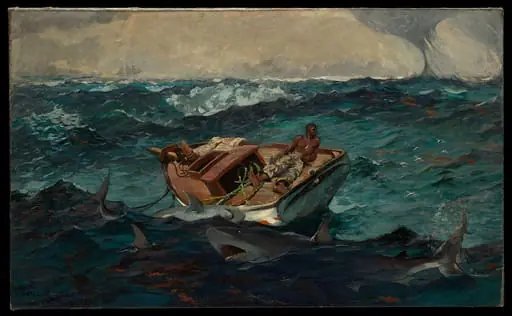
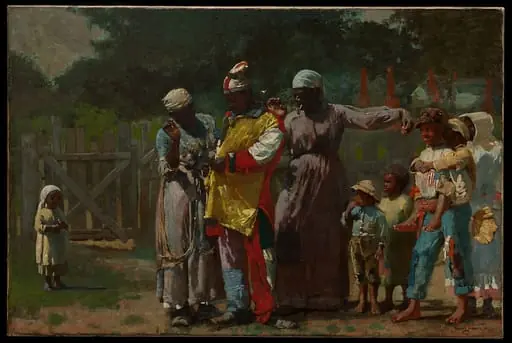
Winslow Homer (February 24, 1836 – September 29, 1910) was an American landscape painter and illustrator, best known for his marine subjects.

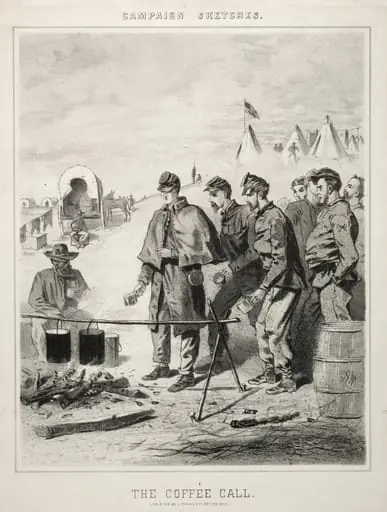 Campaign Sketches: The Coffee Call
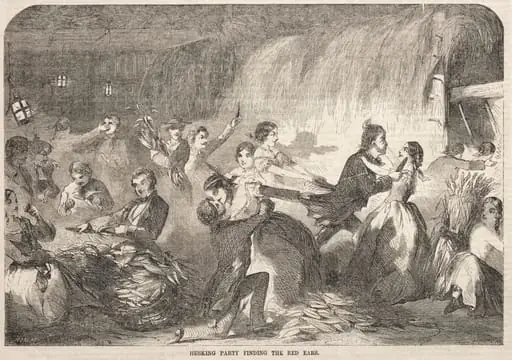 Husking Party Finding the Red Ears
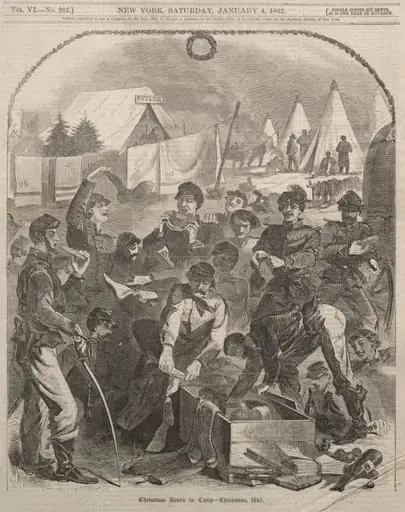 Christmas Boxes in Camp - Christmas, 1861
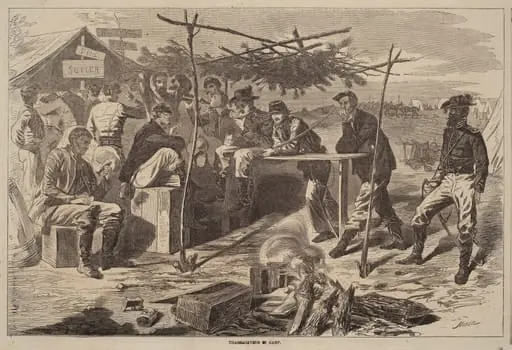 Thanksgiving in Camp
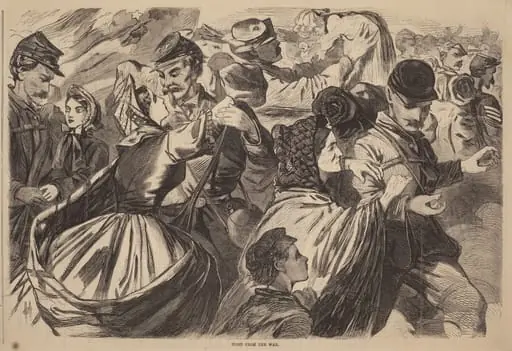 Home from the War
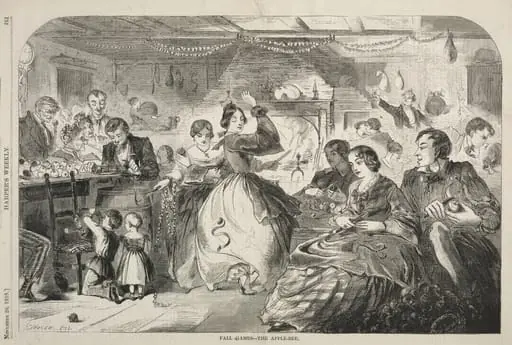 Fall Games - The Apple Bee
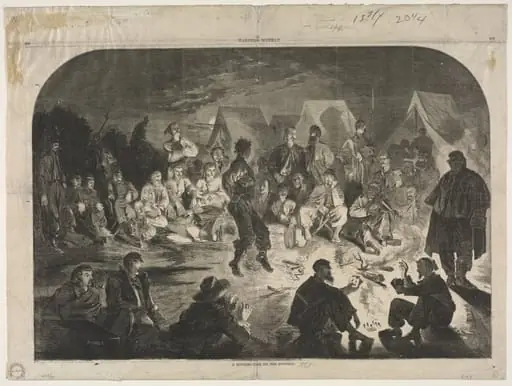 A Bivouac Fine on the Potomac
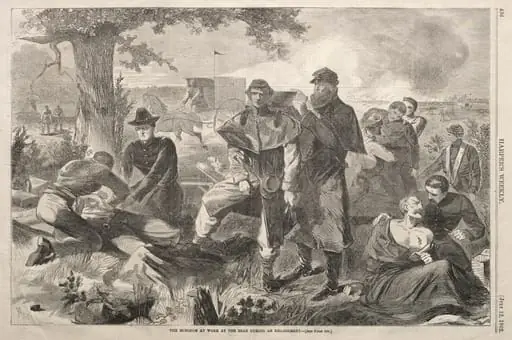 The Surgeon at Work at the Rear during an Engagement
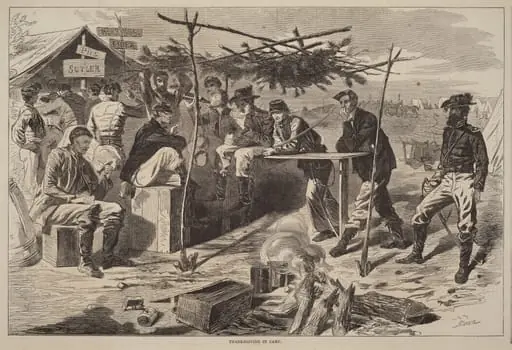 Thanksgiving in Camp
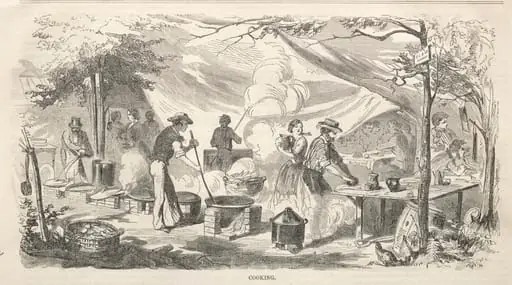 Camp Meeting Sketches: Cooking