Artwork
The Seceding South Carolina Delegation
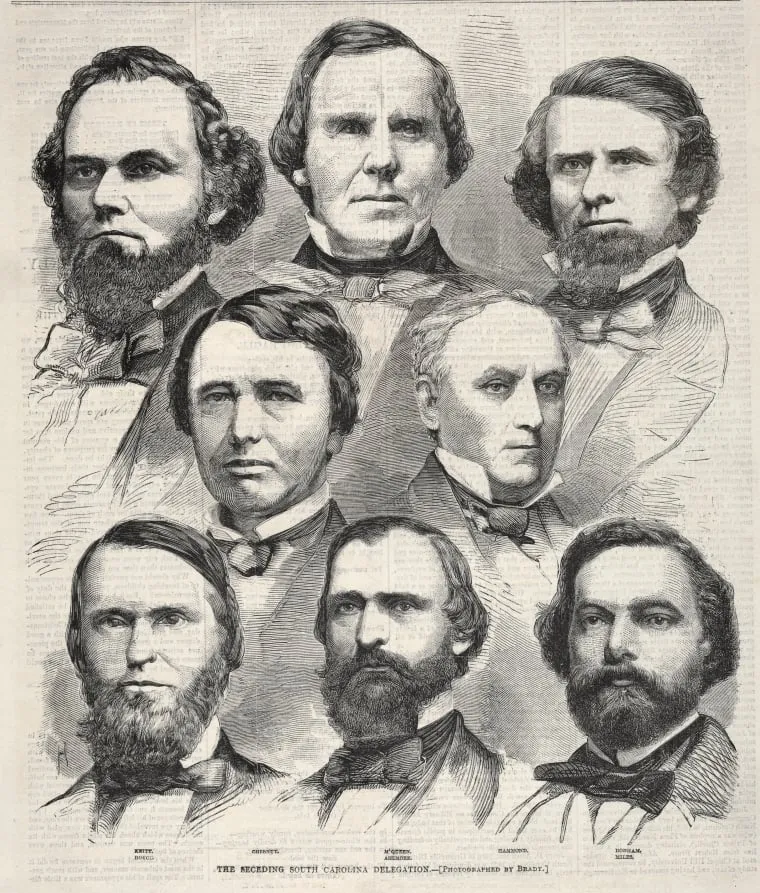
The Seceding South Carolina Delegation is a print by the Impressionist artist Winslow Homer. It dates from 1860 and is held in the collection of the Cleveland Museum of Art.
About this work
Overview
It captures a group of nine South Carolina political figures who had just voted to secede from the Union.
Created in 1860, *The Seceding South Carolina Delegation* is a black-and-white lithographic print by Winslow Homer, produced during his early career as a graphic illustrator. It captures a group of nine South Carolina political figures who had just voted to secede from the Union. Unlike Homer’s later marine paintings, this work is a tightly composed portrait rendered in ink, reflecting his skill in journalistic illustration rather than oil painting.
Subject & Meaning
The print portrays nine delegates from South Carolina, each depicted with solemn, direct gazes, suggesting resolve and gravity. Their formal attire—suits and bow ties—emphasizes their status as civic leaders. The image does not dramatize or caricature; instead, it presents them as individuals confronting a historic decision. The absence of context or setting focuses attention on their collective demeanor, underscoring the weight of their political act.
Technique & Style
Homer employed a precise, linear style typical of 19th-century wood engraving and lithography. The faces are rendered with careful tonal gradations against a uniform light gray background, enhancing their three-dimensionality. Hair, beards, and fabric folds are suggested with controlled hatching, avoiding ornamentation. The composition’s rigid grid of three rows reinforces the sense of unity and formality, aligning with the era’s realist aesthetic in political portraiture.
History & Provenance
The print was made shortly after South Carolina’s December 1860 secession, likely for publication in a Northern newspaper or periodical. It was intended as a visual record of key figures in a moment of national crisis. The work entered the collection of The Cleveland Museum of Art in the 20th century, where it remains as part of a broader archive of Civil War-era illustrations documenting American political life.
Context
In late 1860, the U.S. was on the brink of civil war, and South Carolina’s secession was the first formal break. Illustrators like Homer were tasked with visually conveying political events to a public hungry for news. This print reflects the role of graphic media in shaping public perception during the sectional crisis, offering a sober, unembellished record of the men who initiated the Confederacy’s formation.
Legacy
Though less known than Homer’s later paintings, this print exemplifies his early command of visual storytelling and his ability to convey political gravity through restrained imagery. It stands as a historical document of the moment secession moved from rhetoric to action, preserving the faces of those who chose to leave the Union. Its preservation in a major museum underscores its value as a primary visual artifact of the Civil War’s origins.
Artist & collection
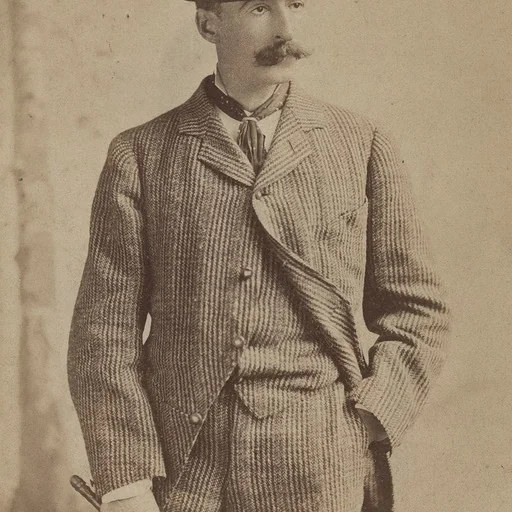
Artist
Winslow Homer (February 24, 1836 – September 29, 1910) was an American landscape painter and illustrator, best known for his marine subjects.

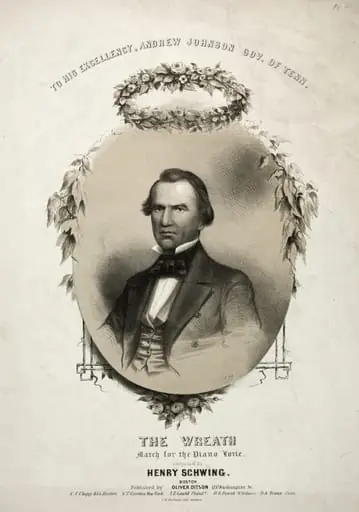 The Wreath - Sheet Music Cover
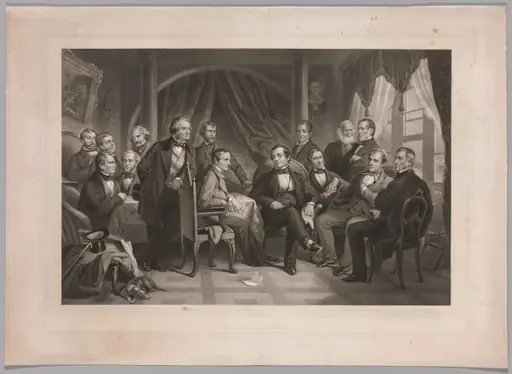 Washington Irving and his Literary Friends at Sunnyside
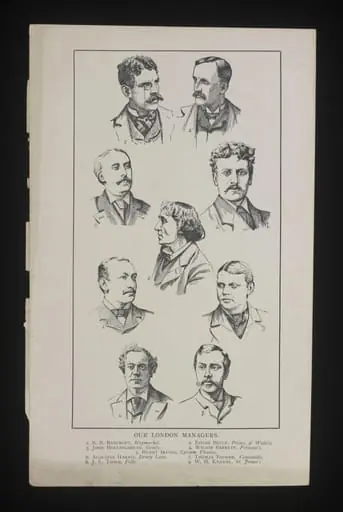 Our London Managers
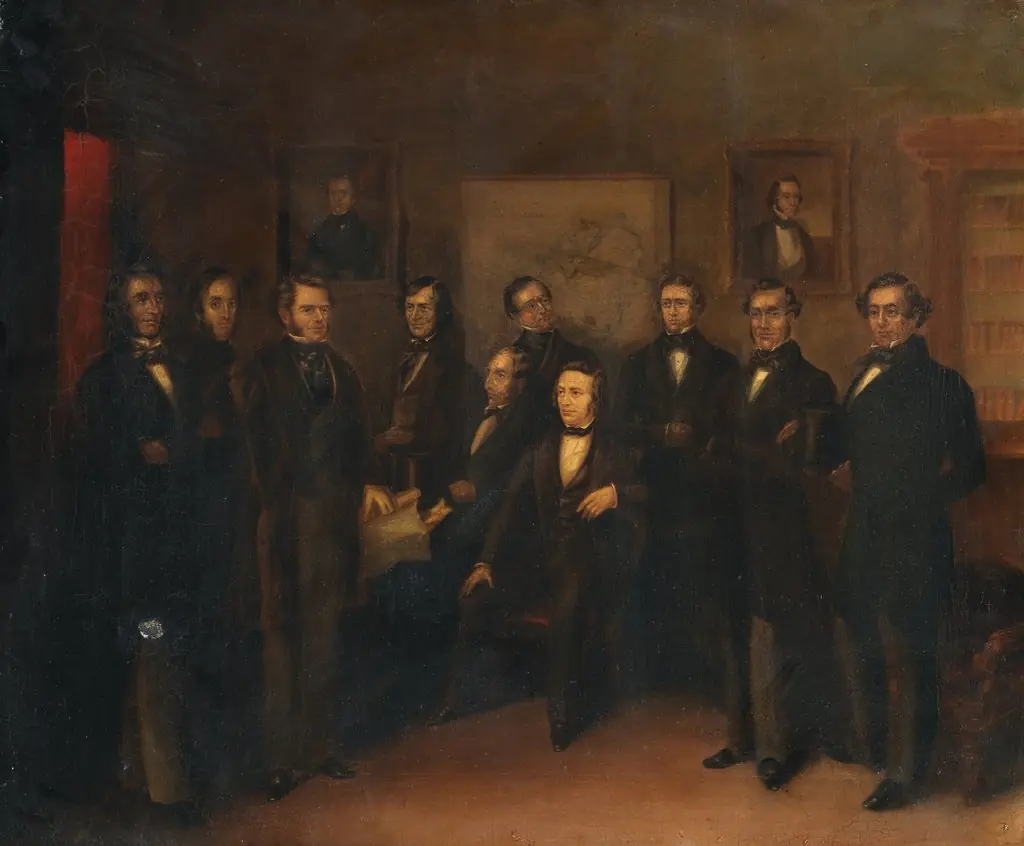 The Leaders of the Irish Confederation in Council
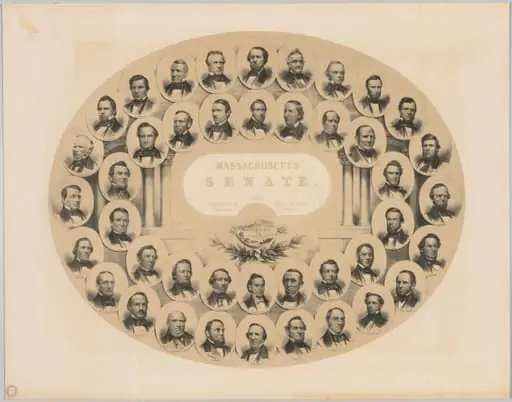 Massachusetts Senate
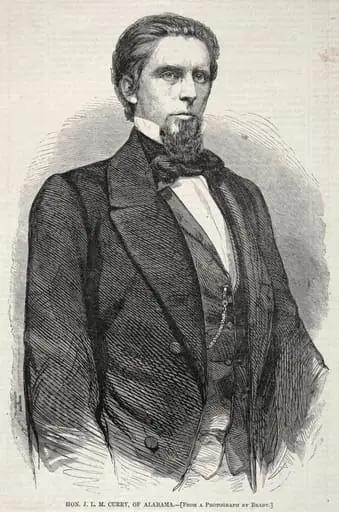 Hon. J. L. M. Curry of Alabama
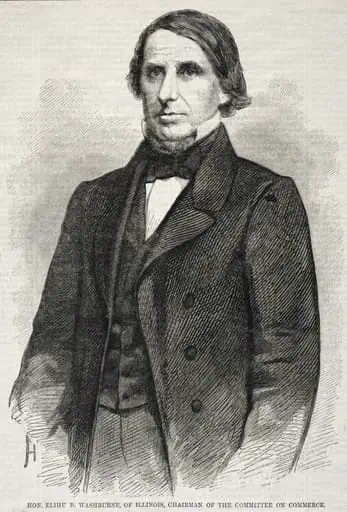 Hon. Elihu B. Washburne, of Illinois, Chairman of the Committee on Commerce
 Portrait of a Gentleman