Artwork
Prince Arthur
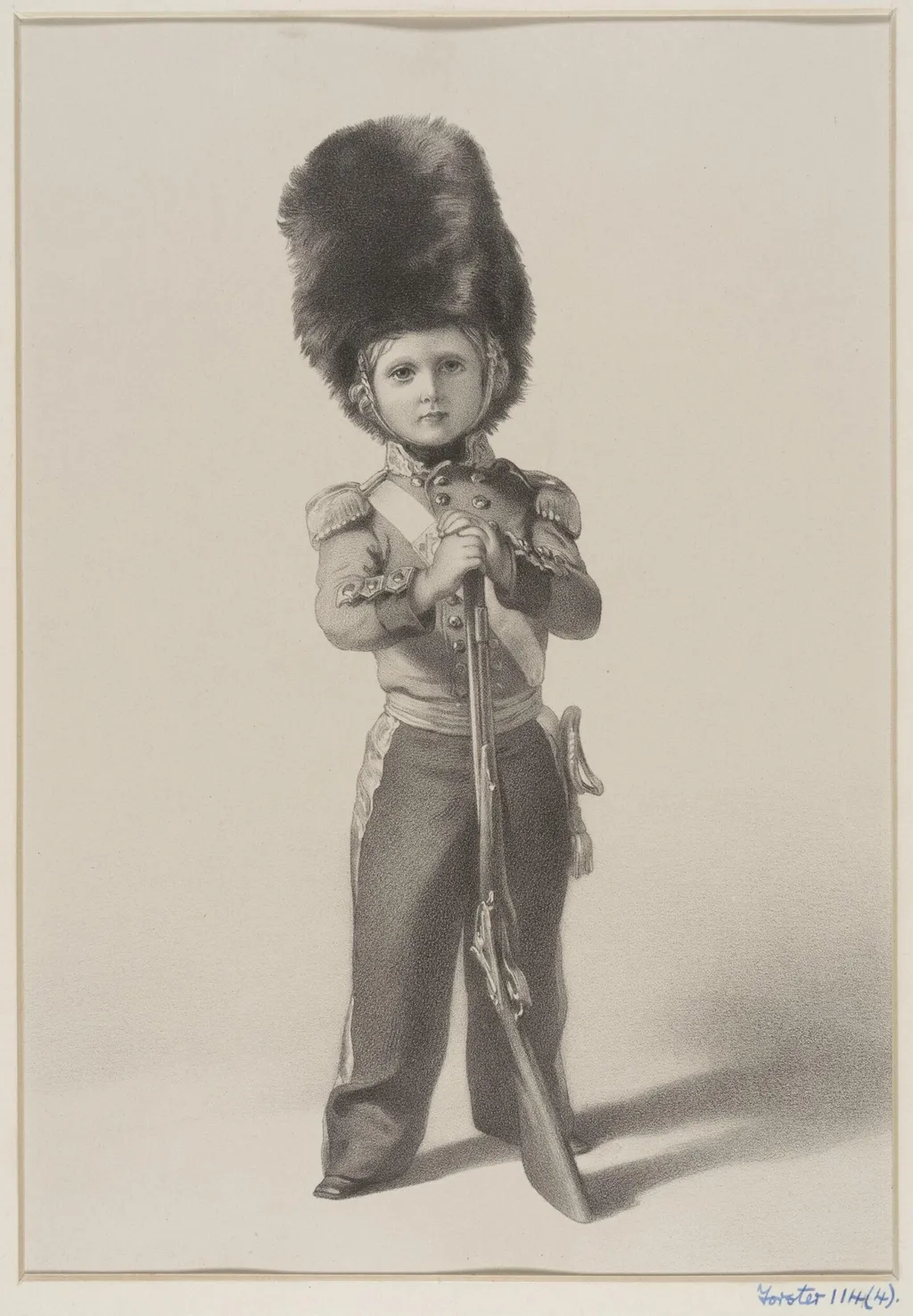
Prince Arthur is a print by the Impressionist artist Franz Xaver Winterhalter. It dates from 1853 and is held in the collection of the Victoria and Albert Museum.
About this work
Overview
The attire, though styled to resemble that of a Lieutenant in the 1st Foot Guards, contains details more consistent with the Scots Fusilier Guards.
A black-and-white lithograph from 1853 depicts Prince Arthur, then three years old, in a miniature military uniform. The print captures him standing rigidly, gripping a sword with both hands, his expression solemn. The attire, though styled to resemble that of a Lieutenant in the 1st Foot Guards, contains details more consistent with the Scots Fusilier Guards. The image was produced as a reproductive print, likely for public circulation, reflecting the royal family’s use of imagery to project discipline and continuity.
Subject & Meaning
The portrait presents Prince Arthur not as a child but as a symbolic heir, clad in the regalia of the British Army to signal his future role. The exaggerated uniform, oversized hat, and formal posture convey authority beyond his years, aligning with Victorian ideals of duty and inherited responsibility. The choice of military dress, common among royal sons, reinforced the monarchy’s ties to the armed forces and the expectation of service from the youngest members of the royal line.
Technique & Style
The lithograph employs fine linework to render the texture of fabric, the sheen of buttons, and the crisp folds of the uniform. Light is carefully modeled across the boy’s face and chest, lending a three-dimensional quality despite the medium’s limitations. The artist emphasizes detail over spontaneity, resulting in a formal, almost ceremonial composition. The stiff pose and lack of background focus attention entirely on the figure and his attire.
History & Provenance
The uniform worn by Prince Arthur was later inherited by his son, who wore it as a toddler. Queen Victoria recorded in her journal that the garment had become too small for the younger child, despite fitting Arthur at the same age. This detail underscores the uniform’s symbolic weight as a family heirloom, passed down not merely as clothing but as a tangible link between generations of royal boys.
Context
In mid-19th century Britain, royal children were frequently portrayed in military dress to emphasize their future roles and the monarchy’s connection to national institutions. Lithographs like this one were mass-produced and distributed to the public, serving as both propaganda and sentimental keepsakes. The trend reflected broader cultural values that linked childhood, duty, and imperial identity, particularly within the royal family.
Legacy
The print remains a documented artifact of how the Victorian monarchy cultivated its public image through staged childhood imagery. While not artistically groundbreaking, it exemplifies the era’s conventions of royal representation. The uniform’s reuse by Arthur’s son illustrates how ceremonial objects acquired layered meanings across generations, embedding personal history within institutional symbolism.
Artist & collection
Artist
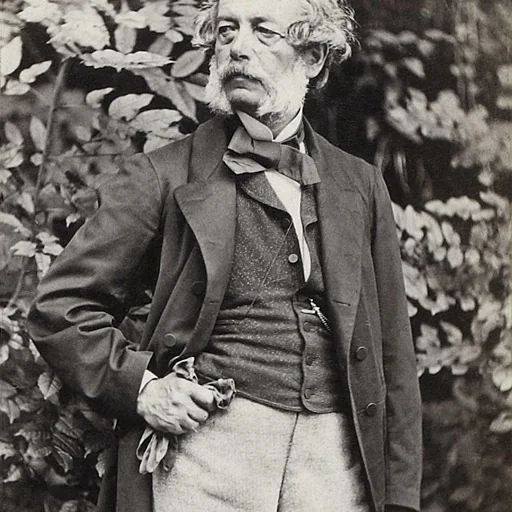
Franz Xaver Winterhalter (20 April 1805 – 8 July 1873) was a German painter and lithographer, known for his flattering portraits of royalty and upper-class society in the mid-19th century.

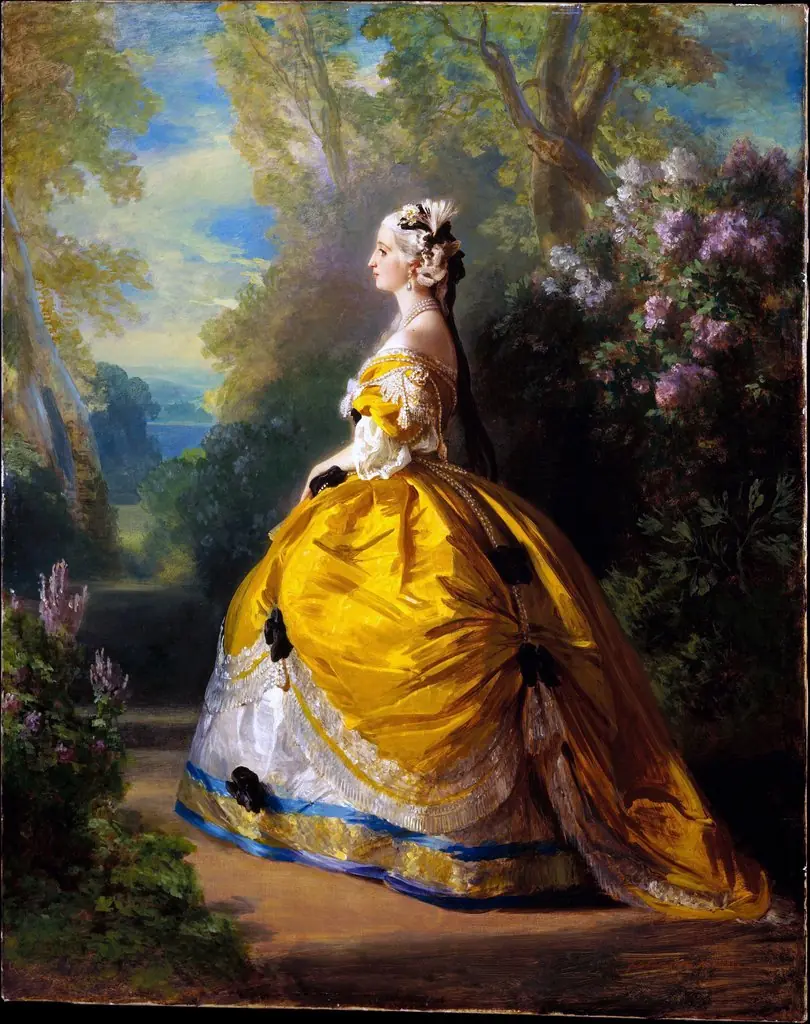 Portrait of Empress Eugénie de Montijo
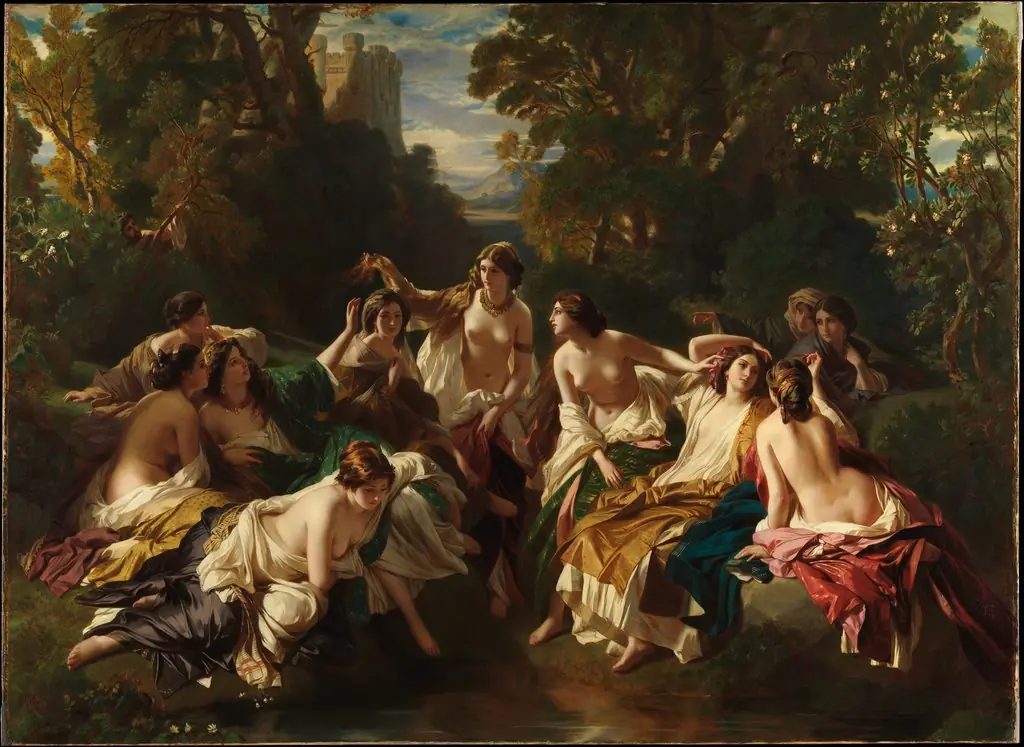 Florinda
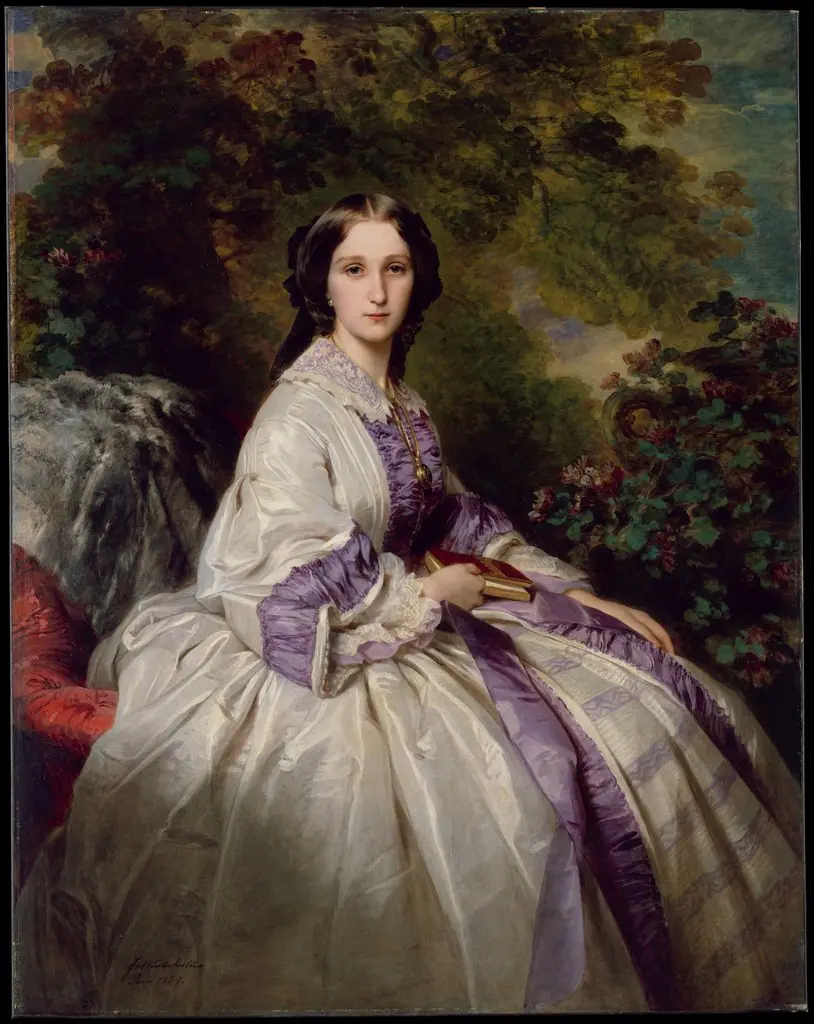 Portrait of Countess Alexander Nikolaevitch Lamsdorff
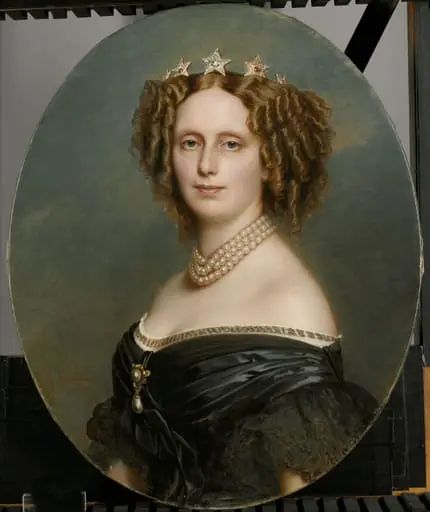 Portrait of Sophia Frederika Mathilda (1818-77), Princess of Württemberg
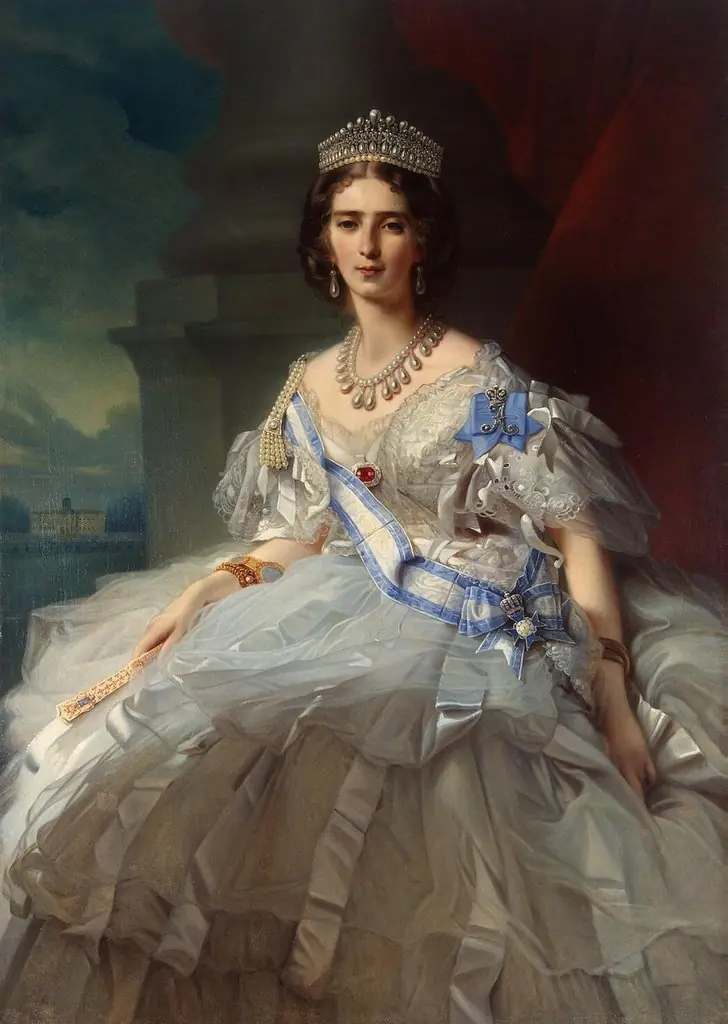 Portrait of Princess Tatyana Yusupova
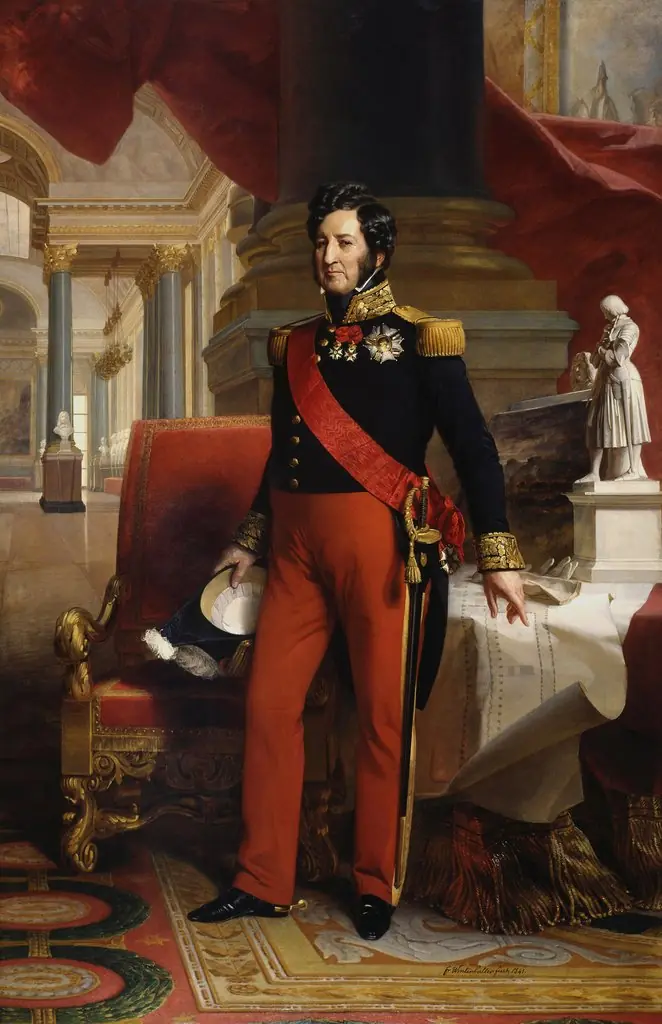 Louis-Philippe I, King of the French (1773–1850)
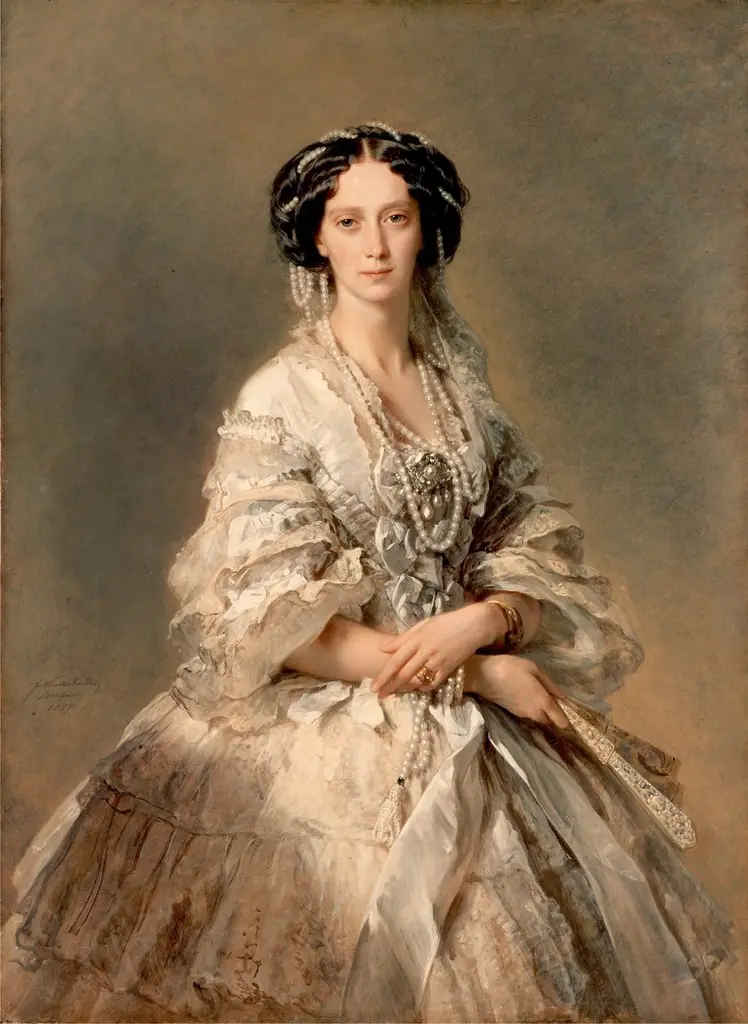 Portrait of Empress Maria Alexandrovna
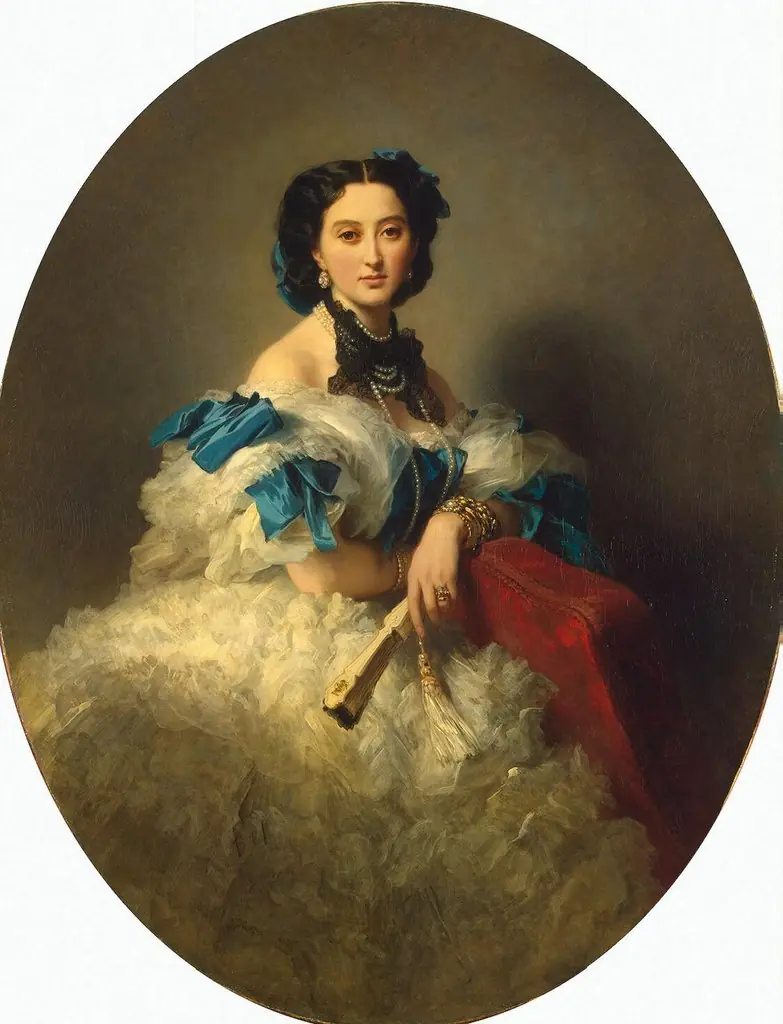 Portrait of Countess Varvara Musina-Pushkina
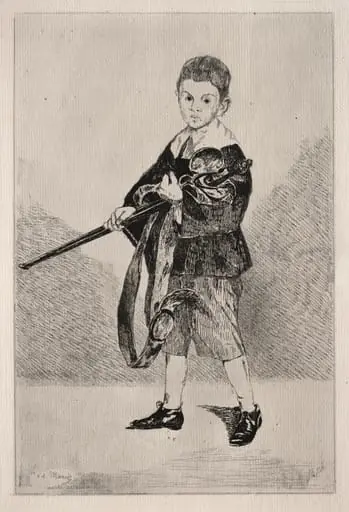 The Boy with a Sword
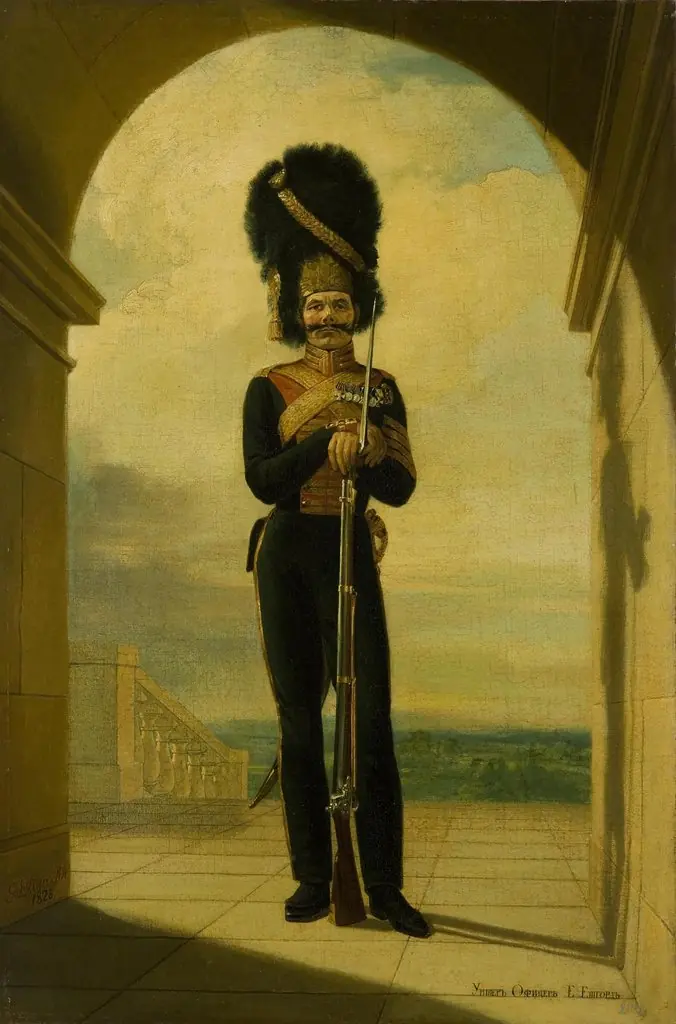 Portrait of Yegor Getgort (Etgort) (1788-1857)
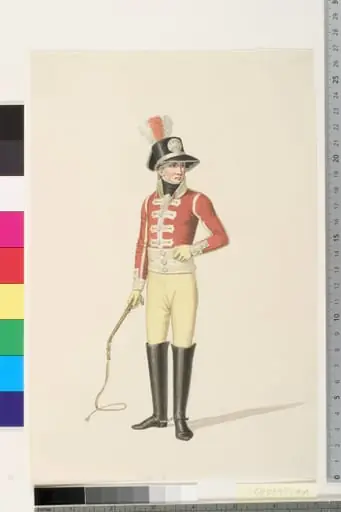 Kongelig forrider
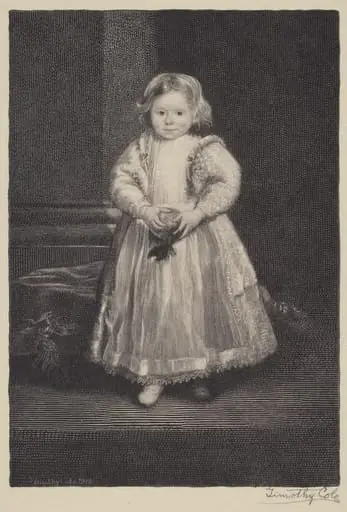 Clelia Cattaneo, Daughter of Marchesa Elena Grimaldi
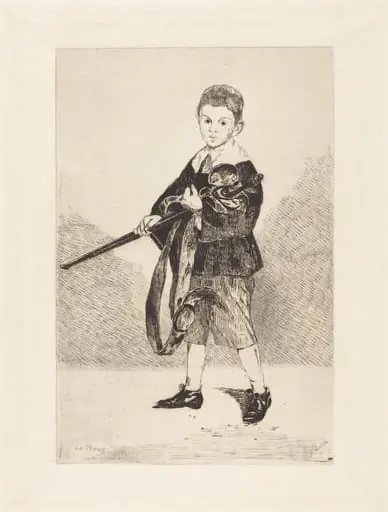 Child with Sword, Turned to the Left (L'Enfant à l'épée, tourné à gauche)
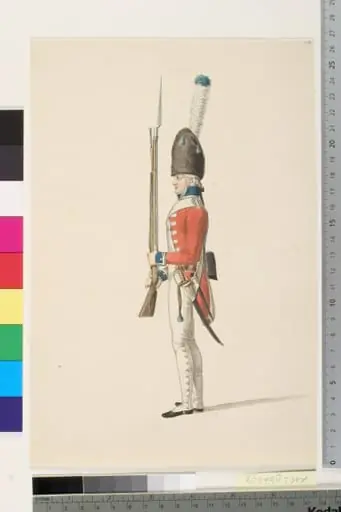 Garder
 The Torn Hat
 Jean in a Black Hat
 Study of a Child in Helmet and Boots
 Student
 José Costa y Bonells, Called Pepito
 Guy Little Theatrical Photograph