Artwork
H Beard Print Collection
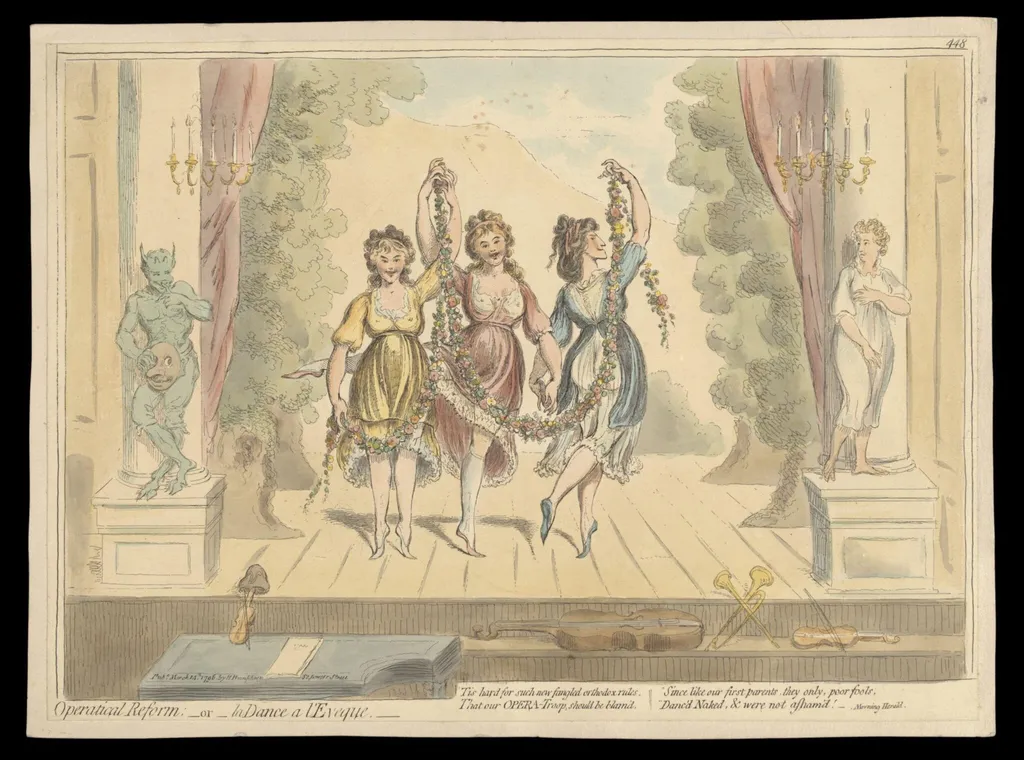
H Beard Print Collection is a print by the Romanticist artist George Murgatroyd Woodward. It dates from 14 and is held in the collection of the Victoria and Albert Museum.
About this work
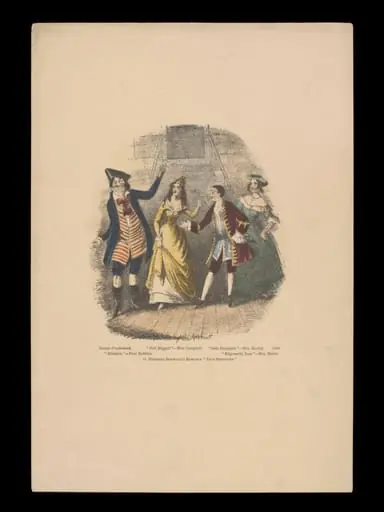
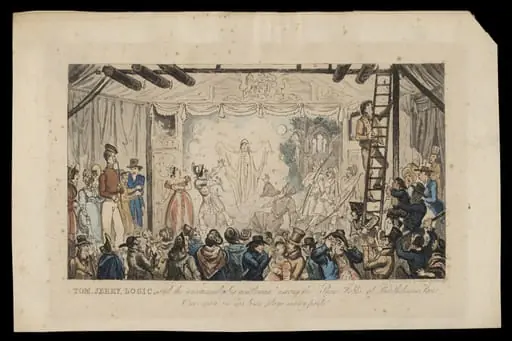
This print by George Murgatroyd Woodward shows three dancers onstage in 1796. It’s titled “Operatical reform: or la dance a l’Eveque” and is a satire of Madame Rose Didelot.
It pokes fun at the dance world using sharp lines and exaggerated poses. The print was made as a colour etching, a common way to mock high society back then.
Look up the Victoria and Albert Museum to see this print in person.
Overview
The work belongs to a tradition of British printmaking that used visual humor to critique cultural figures, particularly those in the performing arts.
This 1796 colour etching by George Murgatroyd Woodward depicts a theatrical scene titled 'Operatical reform: or la dance a l’Eveque.' It captures three female dancers mid-performance, rendered with satirical intent. The work belongs to a tradition of British printmaking that used visual humor to critique cultural figures, particularly those in the performing arts. The print was produced during a period of heightened public interest in stage satire.
Subject & Meaning
The print targets Madame Rose Didelot, a prominent dancer of the era, alongside two colleagues, portraying them in exaggerated, comical poses. The title mocks the pretensions of operatic dance, suggesting a farcical 'reform' of artistic standards. By depicting the dancers as absurdly stylized, Woodward critiques the perceived excesses and vanity of the stage world, aligning with broader public skepticism toward elite entertainment.
Technique & Style
Executed as a colour etching, the print employs bold outlines and heightened contrasts to amplify its satirical tone. The figures are rendered with elongated limbs and distorted gestures, typical of caricature traditions. Hand-coloured details add theatricality while reinforcing the work’s humorous intent. The technique allowed for mass reproduction, making such critiques accessible beyond elite audiences.
History & Provenance
Created in 1796, the print emerged during a flourishing period of political and cultural satire in Britain. It was likely distributed through print shops in London, targeting middle-class viewers familiar with contemporary theatre. The work entered the H. Beard Print Collection, now held by the Victoria and Albert Museum, where it remains part of a significant archive of 18th-century graphic satire.
Context
In the 1790s, London’s theatre scene was a frequent subject of public commentary, with dancers and actors becoming symbols of social ambition. Printmakers like Woodward responded to popular sentiment by lampooning performers who gained fame through spectacle rather than technical mastery. This print reflects a broader cultural moment when satire served as both entertainment and social critique.
Legacy
Woodward’s print endures as an example of how visual satire documented shifting attitudes toward performance and class. It contributes to the historical record of how public figures were represented in popular media. Today, it is studied for its stylistic conventions and its role in shaping perceptions of artistic legitimacy during the late 18th century.
Artist & collection
Artist
This guy was the 18th-century answer to meme pages. A London printmaker who cranked out satirical sketches like he was feeding a hungry scroll press every week. His prints skewered everything from politicians to fashion…