Artwork
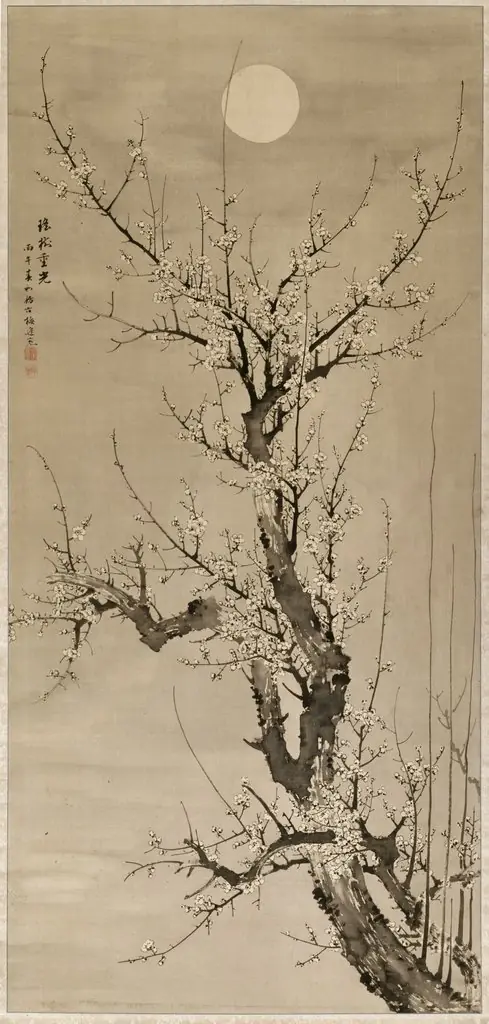
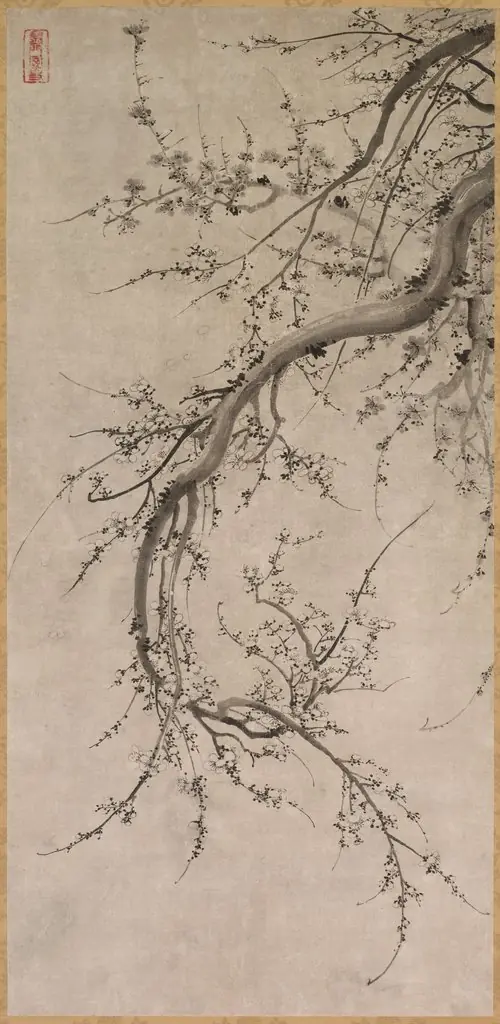
Plum Blossoms in Moonlight
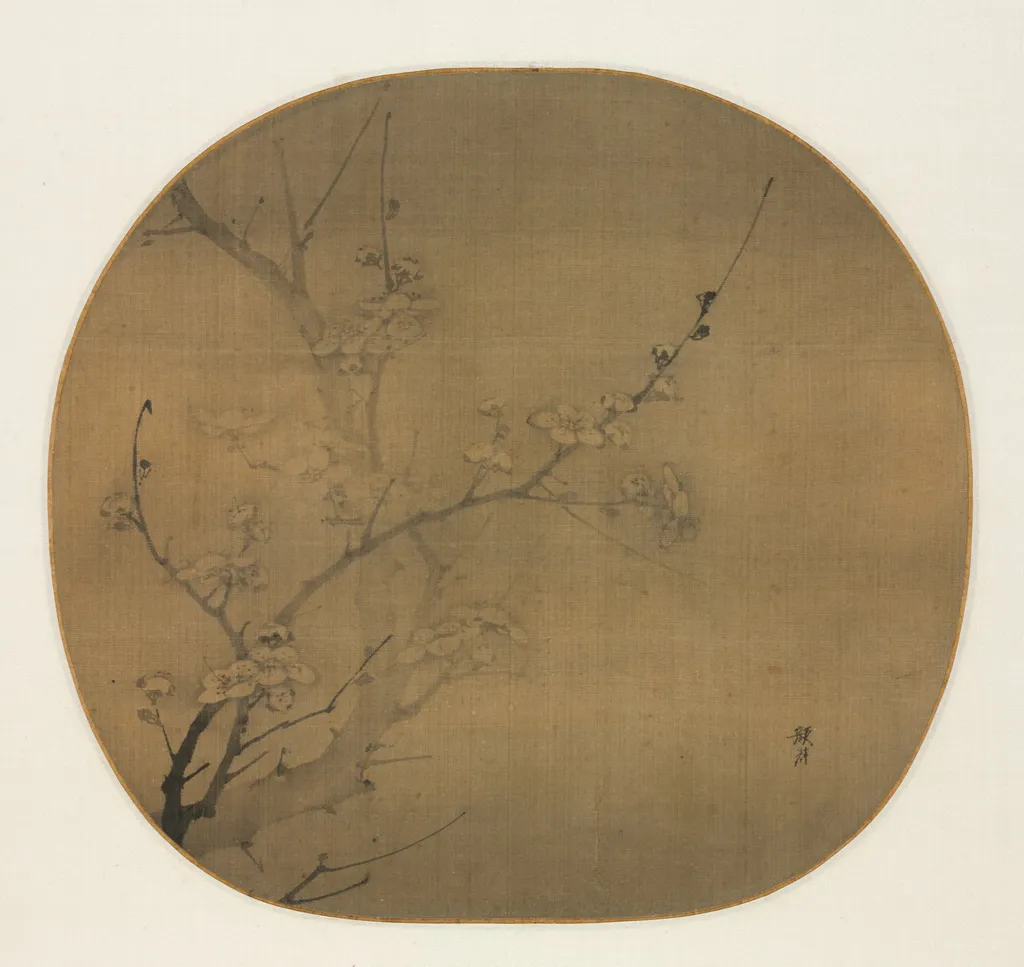
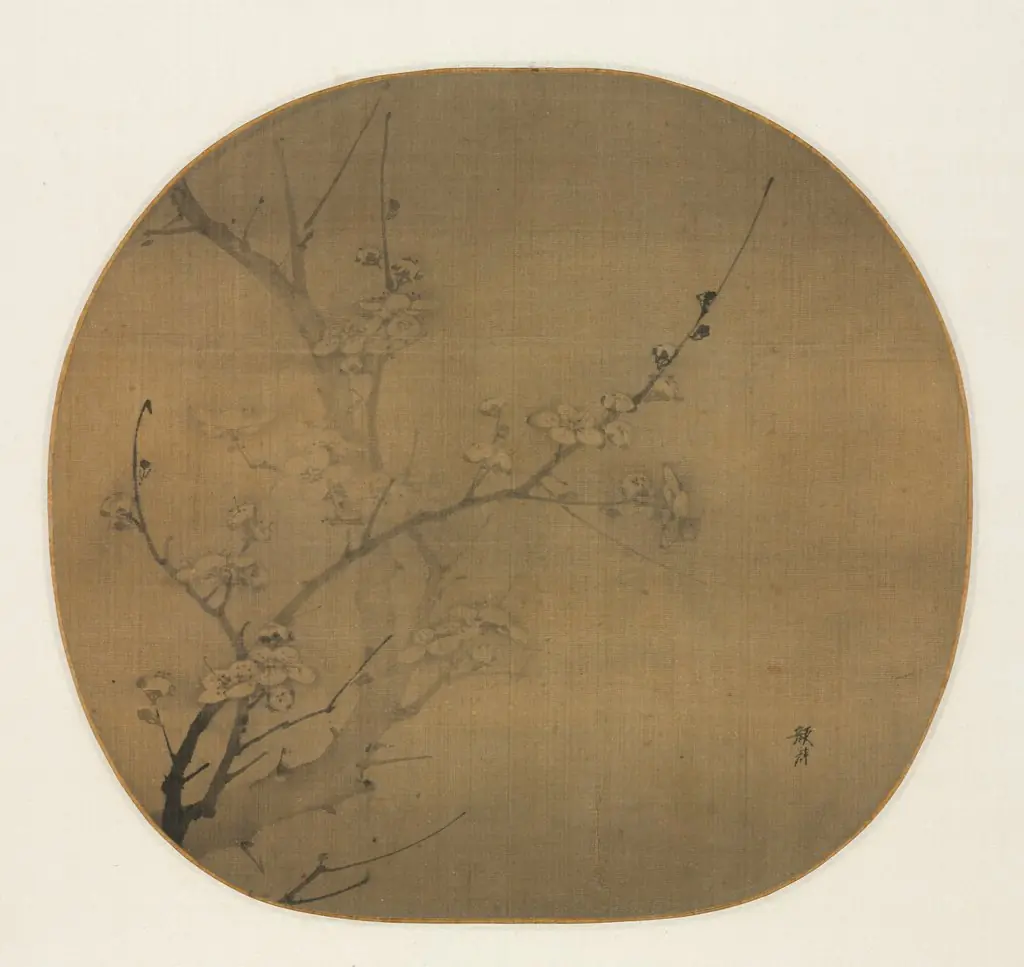
Plum Blossoms in Moonlight is an unspecified painting by the Ming dynasty painting artist Yan Hui. It dates from 1304 and is held in the collection of the Cleveland Museum of Art.
About this work
If you like this style, check out Yan Hui (Chinese, active 1270–1310) for more work like this.
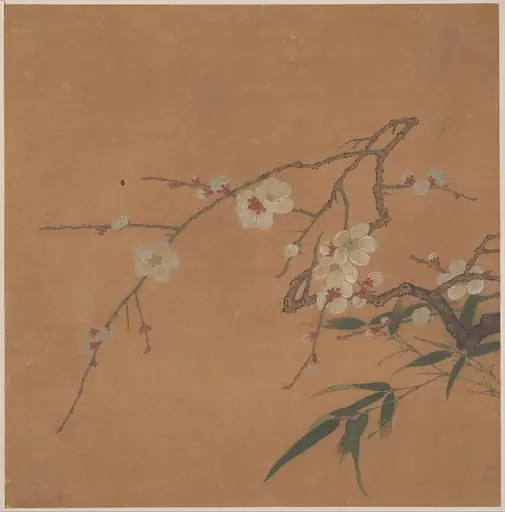
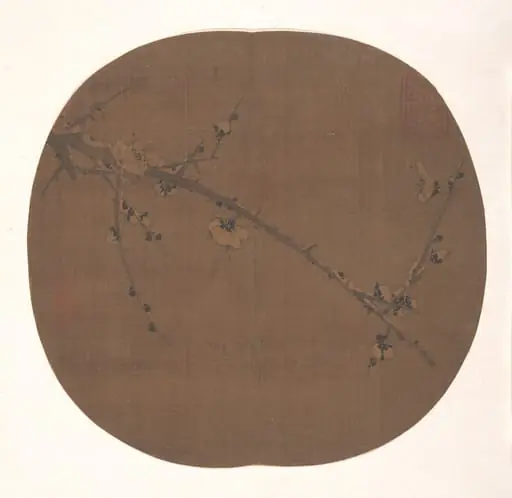
This painting shows a few bare branches with small white flowers. The background is a plain, light brown color. The lines are simple and quick—just enough to show the shape of the branches and buds.
The artist left big empty spaces around the branches. This makes the flowers stand out more. The painting looks like it was done fast, almost like a quick sketch.
If you like this style, check out Yan Hui (Chinese, active 1270–1310) for more work like this.
Overview
Painted around 1304 by Yan Hui, an artist active during the transition from the Southern Song to the Yuan dynasty, this work is a delicate ink-on-paper composition. It belongs to the literati tradition of Chinese painting, emphasizing spontaneity and restraint. The subject—a single branch of plum blossoms under moonlight—is rendered with minimal strokes, reflecting a preference for suggestion over detail. The piece is part of the Cleveland Museum of Art’s collection.
Subject & Meaning
Plum blossoms, blooming in winter’s chill, have long symbolized endurance and quiet hope in Chinese culture. Here, the flowers appear sparse and fragile against the night, their presence implied rather than overstated. The moonlight, though unseen, is felt through the cool tonality and the isolation of the branches. This imagery evokes a meditative state, aligning with Daoist and Chan Buddhist ideals of resilience in stillness.
Technique & Style
Yan Hui employed swift, economical brushwork, using ink washes and fine lines to suggest form without definition. The branches are drawn with loose, confident strokes, while the blossoms are hinted at with tiny dots of pigment. Large areas of untouched paper create negative space, enhancing the sense of quiet and depth. The effect is not a finished scene but a moment captured in motion, characteristic of literati painting’s emphasis on personal expression.
History & Provenance
The painting’s early history is undocumented, but its style aligns with the scholarly ink traditions of early Yuan-period artists who withdrew from court life. It entered the Cleveland Museum of Art’s collection in the 20th century, likely through a private acquisition from a Japanese or Chinese dealer. Its preservation in good condition reflects careful handling over centuries, though its exact path before modern times remains unclear.
Context
During Yan Hui’s time, many scholar-artists turned away from official service under Mongol rule, embracing painting as a form of personal and philosophical retreat. Plum blossoms were a favored motif among these literati, embodying moral integrity and quiet perseverance. This work fits within a broader trend of monochrome ink paintings that valued restraint, poetic allusion, and the artist’s inner state over decorative detail.
Legacy
Yan Hui’s approach influenced later generations of literati painters who prioritized expressive brushwork over technical polish. Though few of his works survive, this piece exemplifies the aesthetic ideals of the Southern Song-Yuan transition: simplicity, emotional restraint, and harmony with nature. It remains a quiet reference point in studies of Chinese ink painting’s evolution toward abstraction and personal expression.
Artist & collection
Artist
Yan Hui (simplified Chinese: 颜辉; traditional Chinese: 顏輝; pinyin: Yán Huī; Wade–Giles: Yen Hui); was a late 13th-century Chinese painter who lived during the Southern Song and early Yuan dynasties.