Artwork
Ten Thousand Bamboos in the Mist and Rain
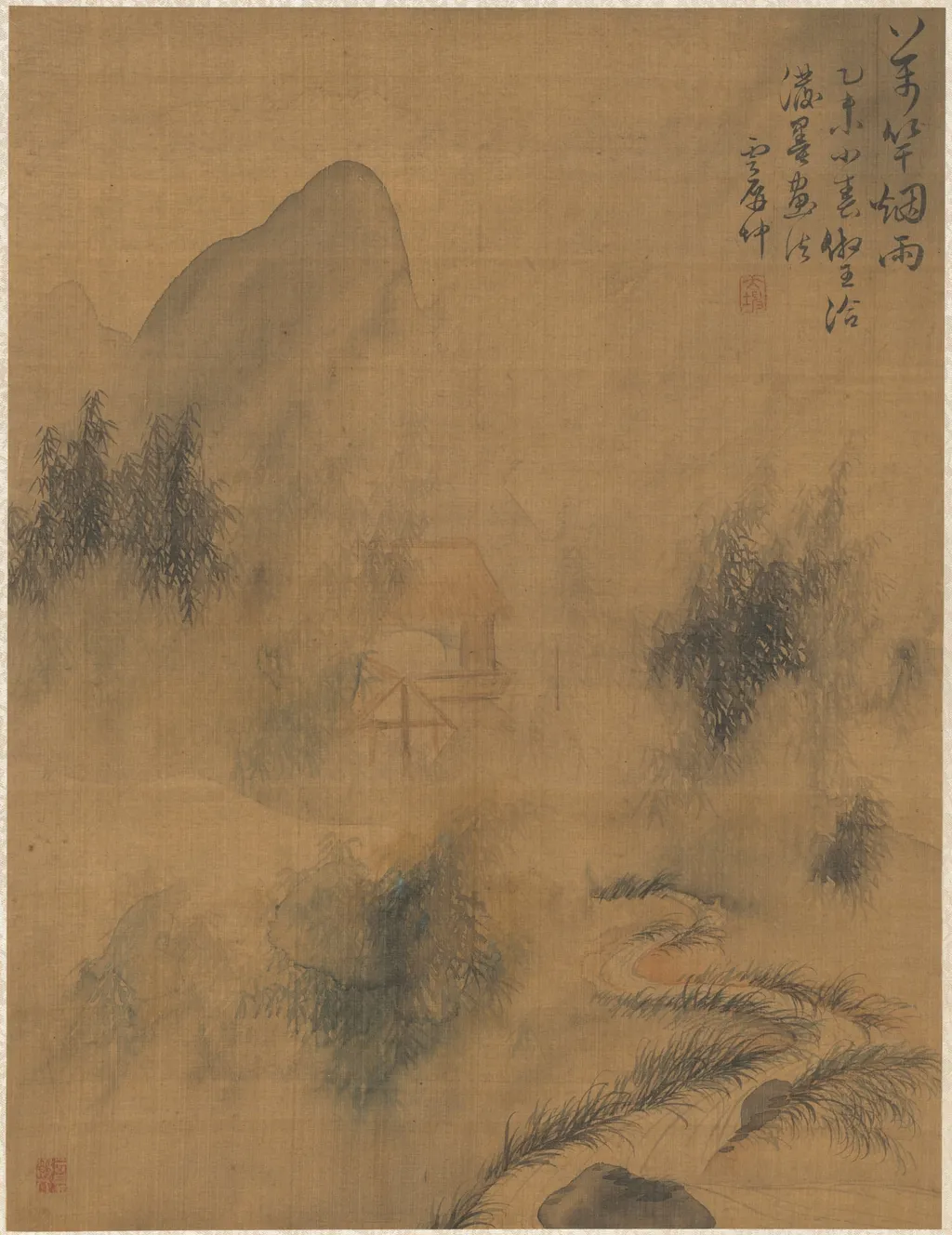
Ten Thousand Bamboos in the Mist and Rain is an unspecified painting by the Qing dynasty painting artist Zhai Dakun. It dates from 1775 and is held in the collection of the Cleveland Museum of Art.
About this work
Overview
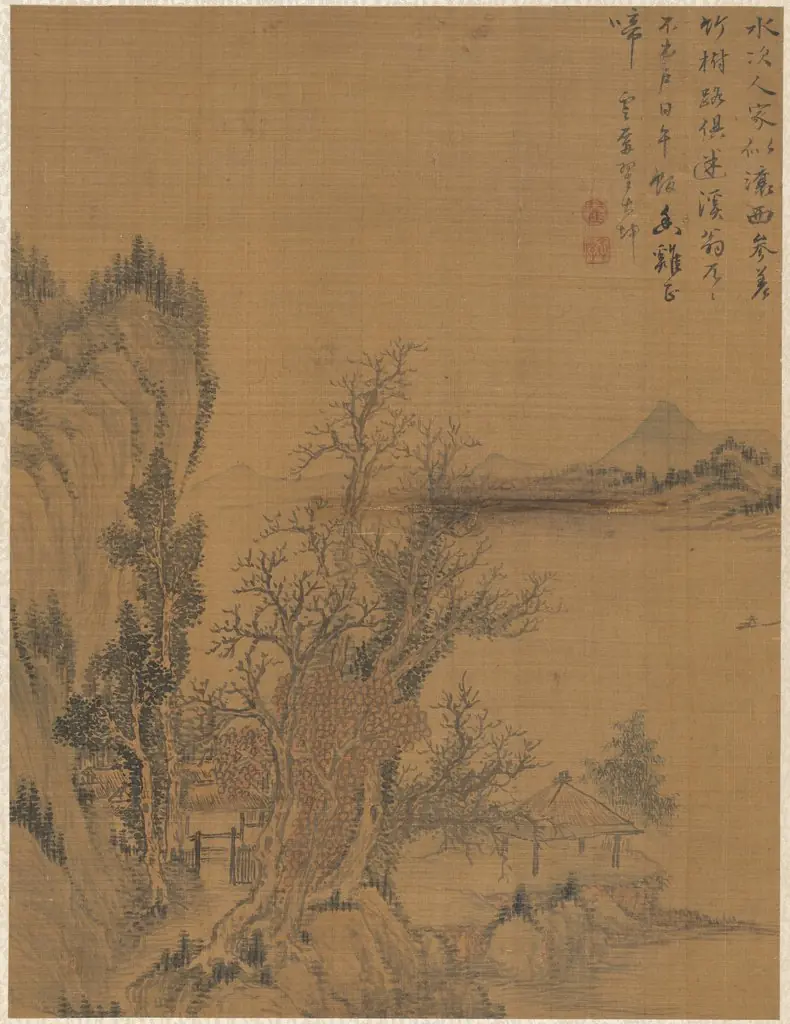
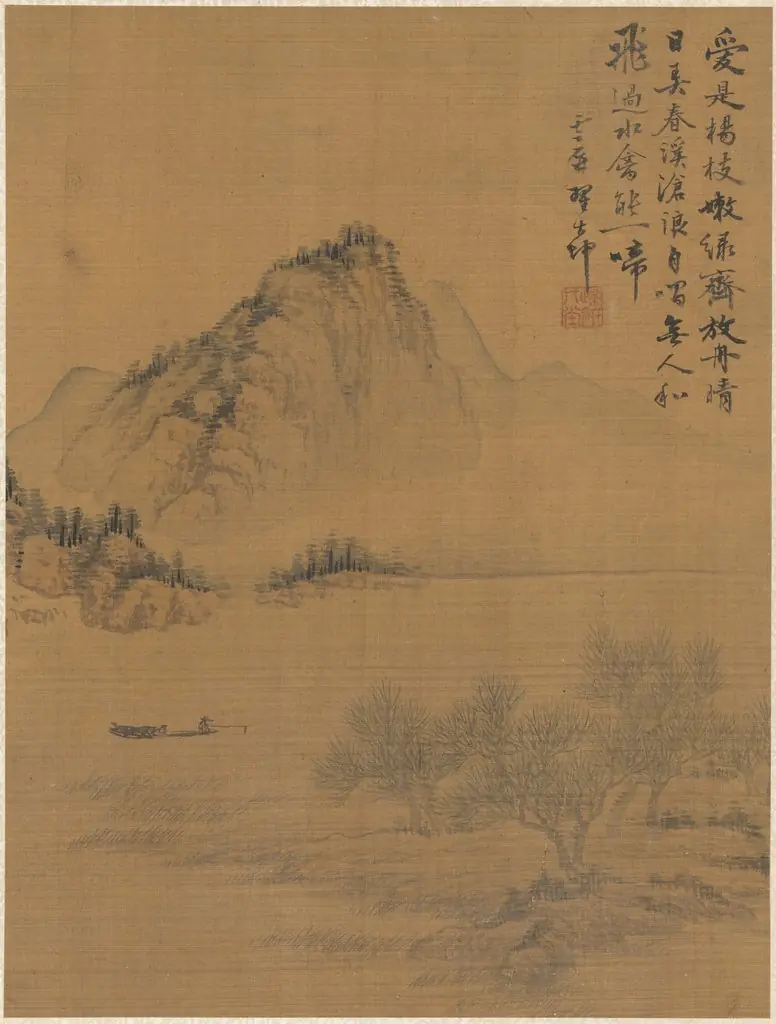
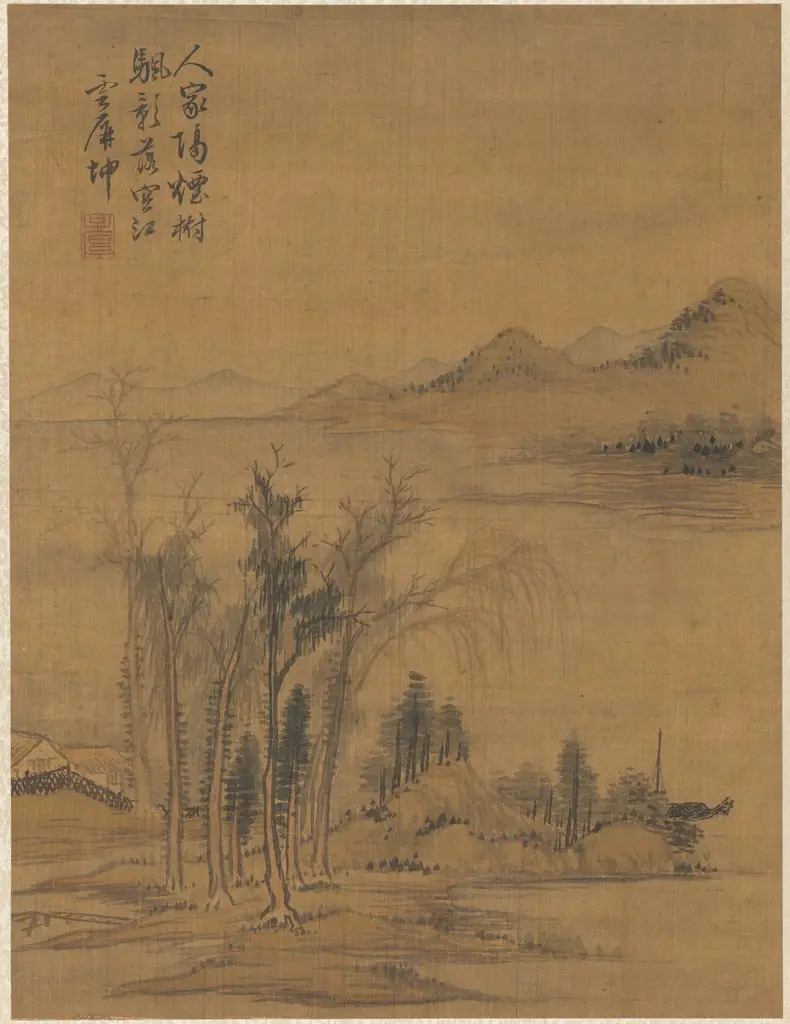
The composition balances quietude and movement, with a solitary boat barely visible along the water’s edge.
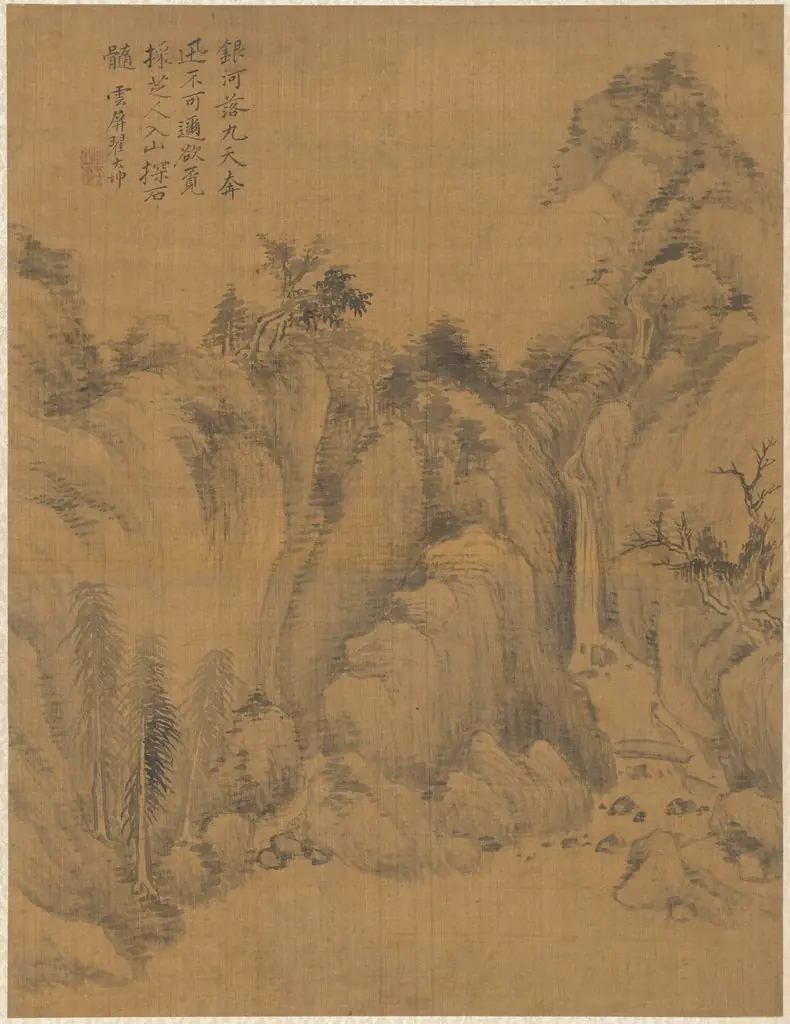
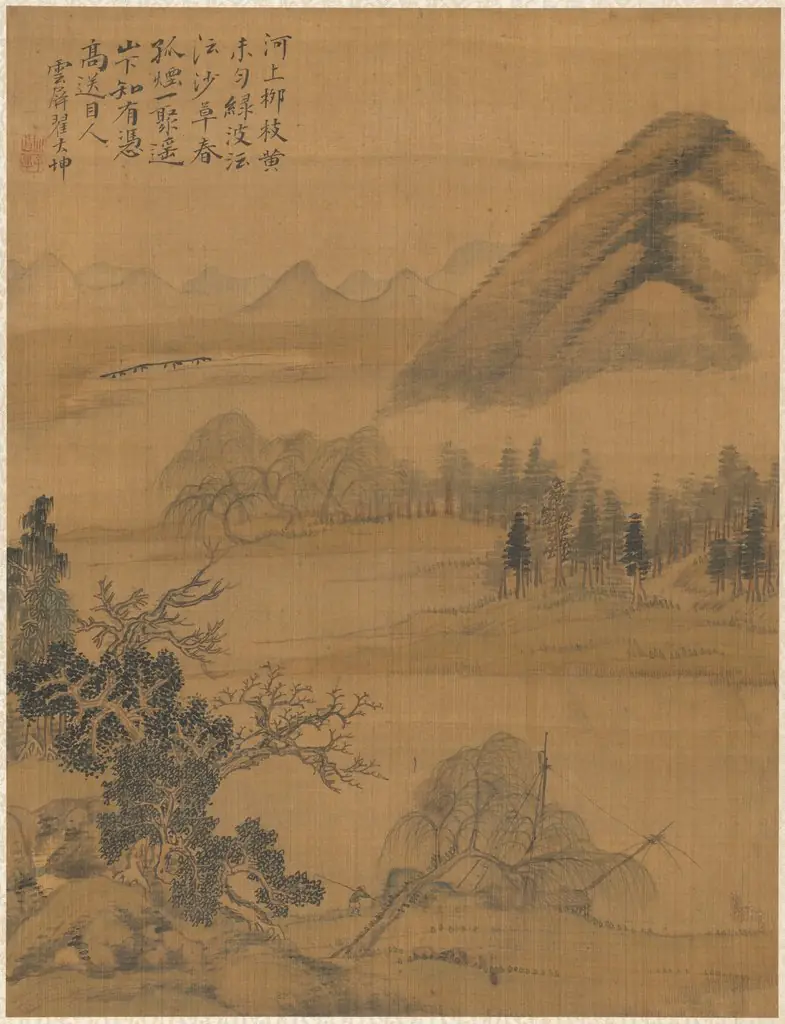
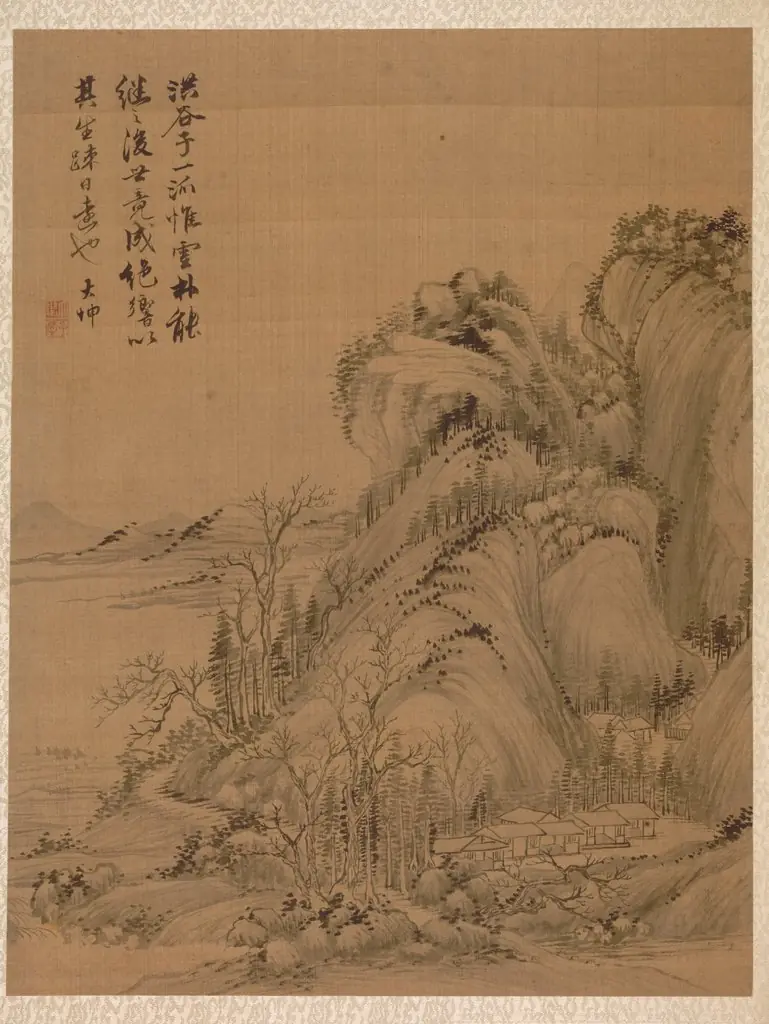
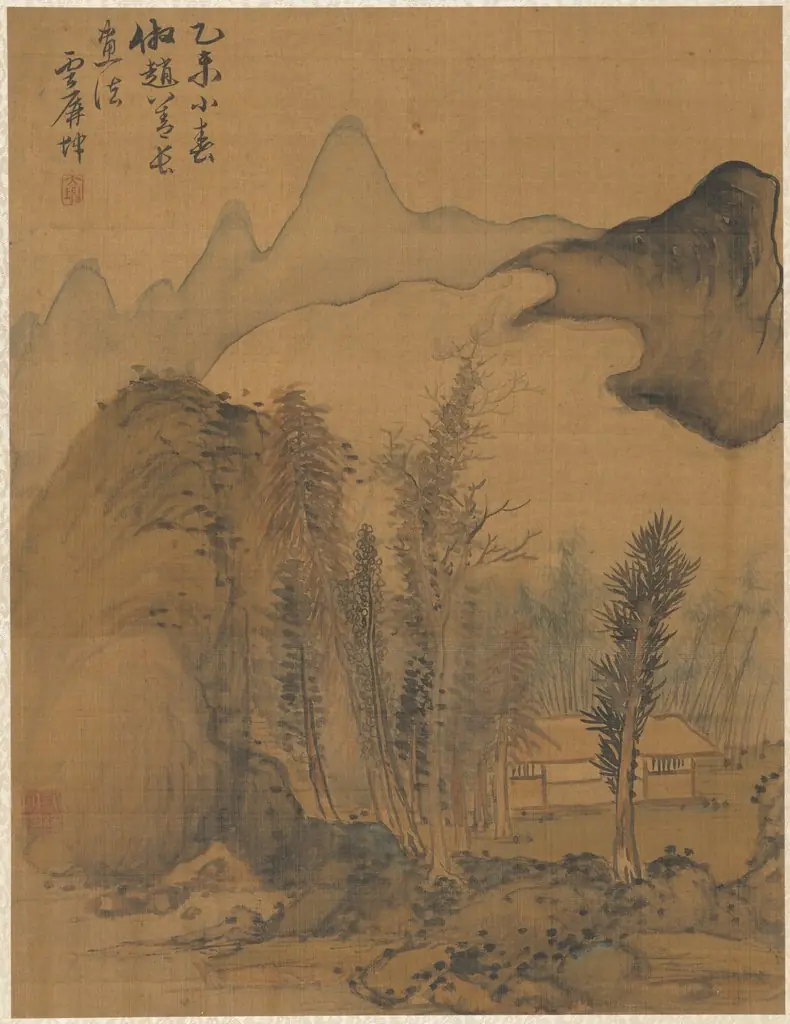
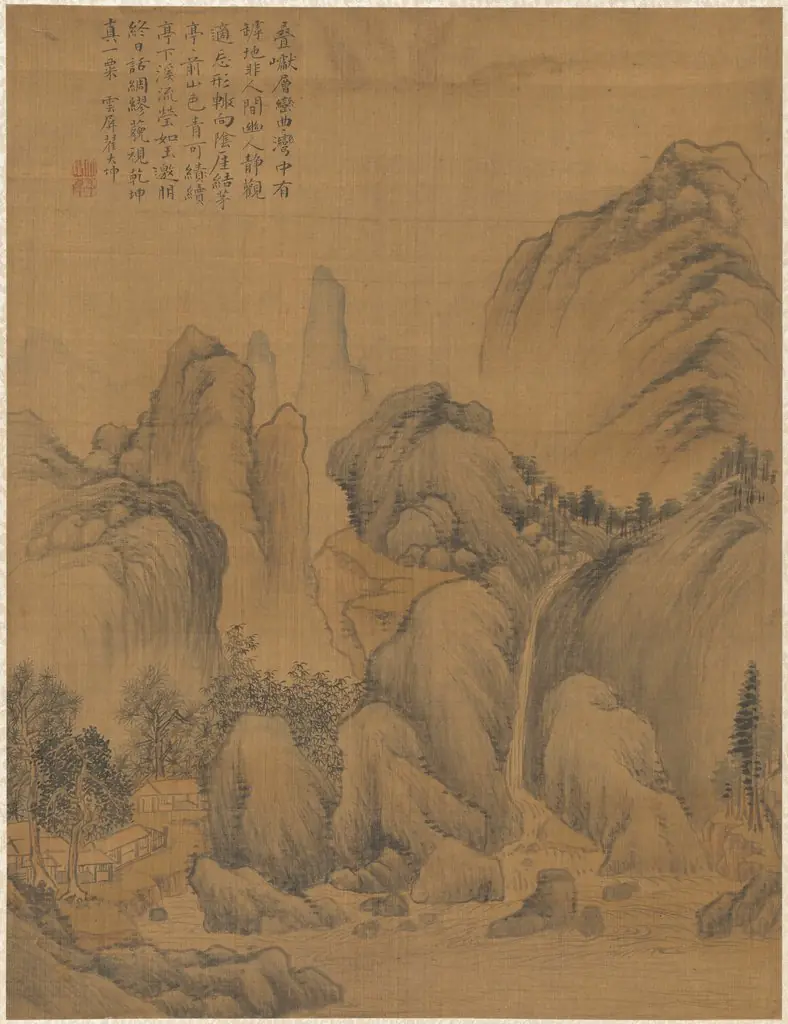
Painted in 1775 by Zhai Dakun, this ink-on-paper landscape depicts a tranquil riverside scene dominated by dense bamboo groves shrouded in mist and residual rain. The composition balances quietude and movement, with a solitary boat barely visible along the water’s edge. Its subdued palette and atmospheric depth reflect the aesthetic ideals of late Qing dynasty literati painting, emphasizing harmony between nature and the observer.
Subject & Meaning
The painting presents bamboo not merely as flora but as a symbol of resilience and quiet endurance. Their bent forms, softened by moisture, suggest submission to natural forces rather than defeat. The tiny boat, nearly swallowed by the landscape, implies human presence as fleeting and humble. Together, these elements evoke a meditative state, inviting contemplation of impermanence and the quiet dignity of nature.
Technique & Style
Zhai employed loose, wet brushwork to convey the dampness of the air and the fluidity of bamboo stalks. Ink washes gradate subtly from deep blacks to pale grays, suggesting depth and atmospheric haze. Calligraphic inscriptions along the right margin, executed with deliberate rhythm, complement the visual rhythm of the brushstrokes. The absence of sharp outlines reinforces the sense of dissolution between elements—land, water, mist.
History & Provenance
The painting entered the collection of The Cleveland Museum of Art through documented acquisition, though its earlier ownership remains unrecorded in public sources. It has been exhibited periodically since the mid-20th century as part of the museum’s East Asian holdings. Its preservation in good condition reflects careful handling and climate-controlled storage consistent with conservation standards for ink paintings.
Context
Created during the Qianlong era, the work aligns with literati traditions that valued personal expression over decorative precision. Artists like Zhai often retreated into nature as a refuge from courtly life, using ink landscapes to articulate inner states. The emphasis on mist and rain echoes poetic themes from classical Chinese literature, where weather symbolized emotional or spiritual transition.
Legacy
Though not widely reproduced in popular media, the painting remains a quiet exemplar of late 18th-century literati aesthetics. Its restrained composition and emotional subtlety continue to inform scholarly discussions on the evolution of ink painting beyond formalism. It stands as a testament to the enduring power of understatement in Chinese visual culture.
Own this work as a print
Artist & collection
Artist
Zhai Dakun painted bold, mist-soaked landscapes in the mid-Qing era, mimicking the rugged peaks and swirling clouds of earlier Chinese masters.