Artwork
River Village in High Summer
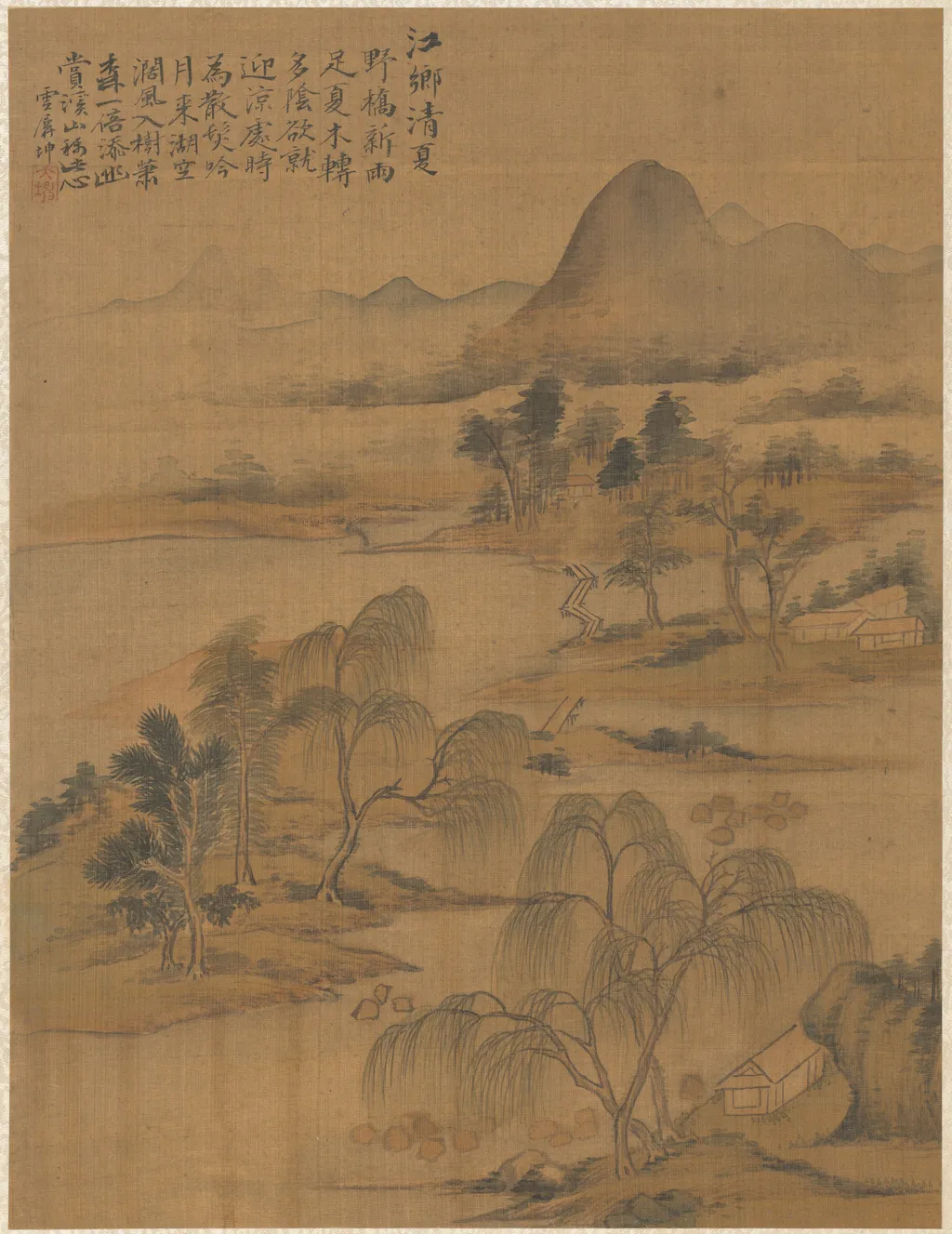
River Village in High Summer is an unspecified painting by the Qing dynasty painting artist Zhai Dakun. It dates from 1775 and is held in the collection of the Cleveland Museum of Art.
About this work
Overview
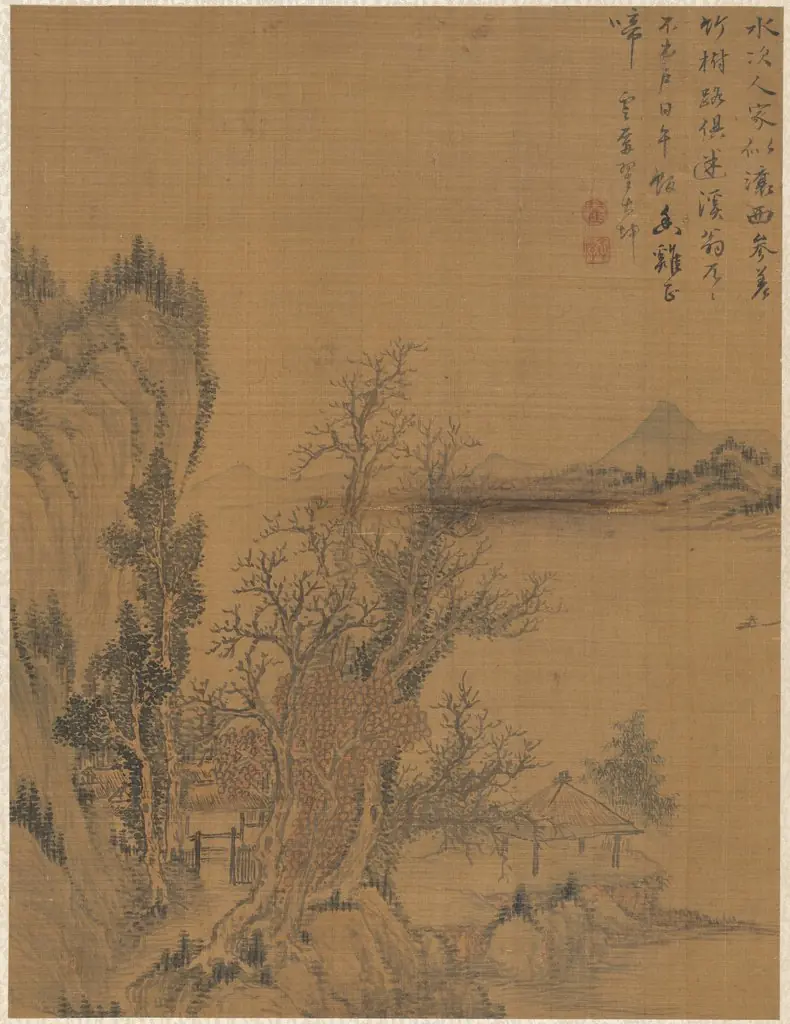
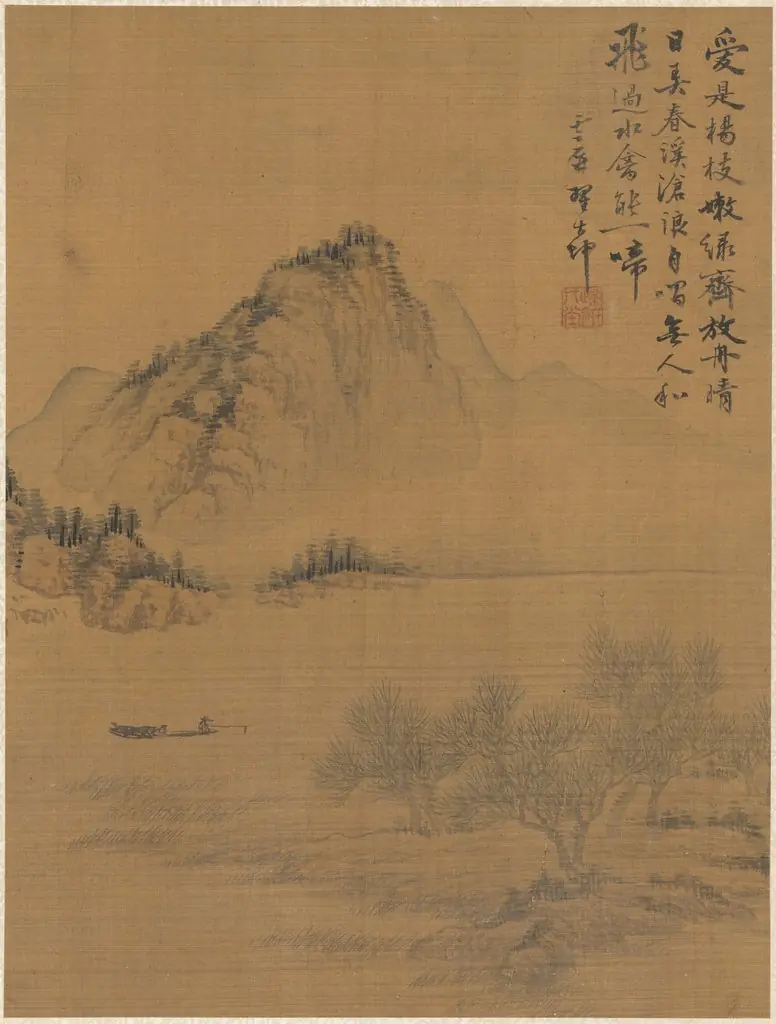
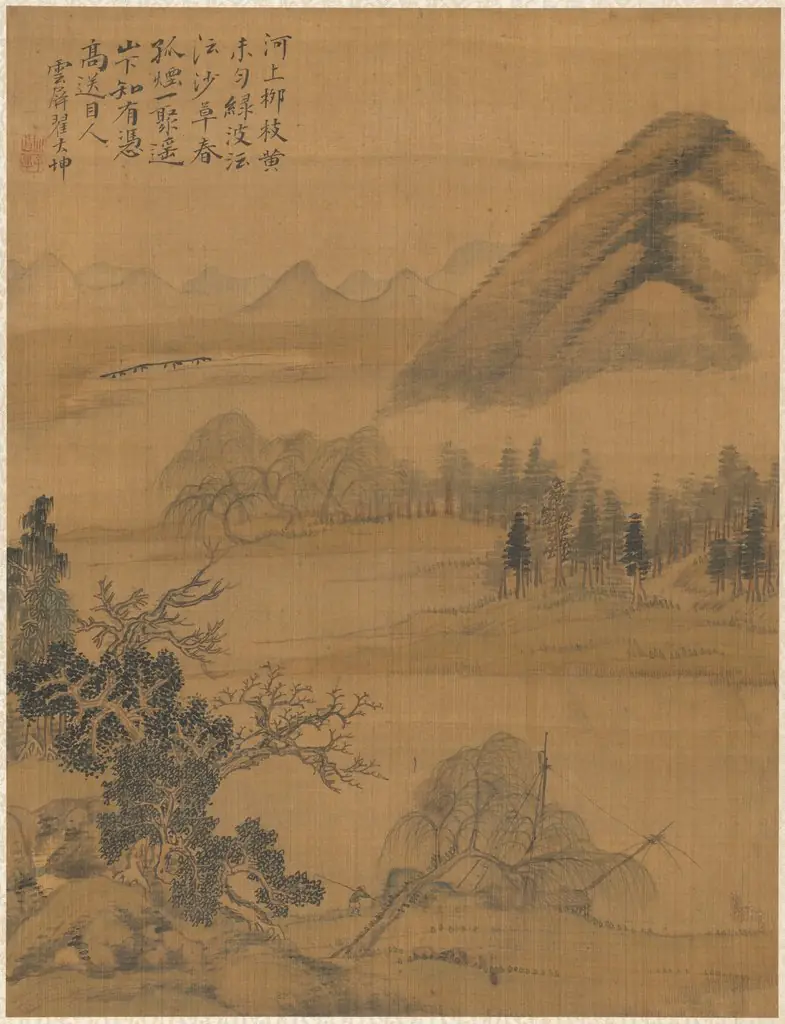
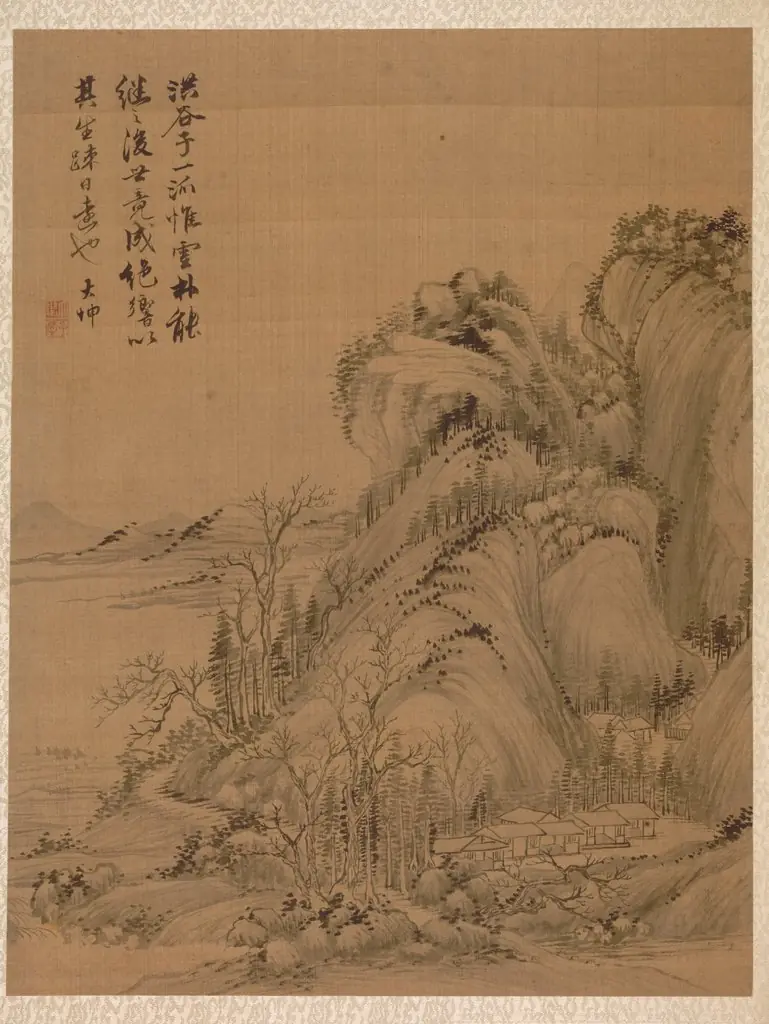
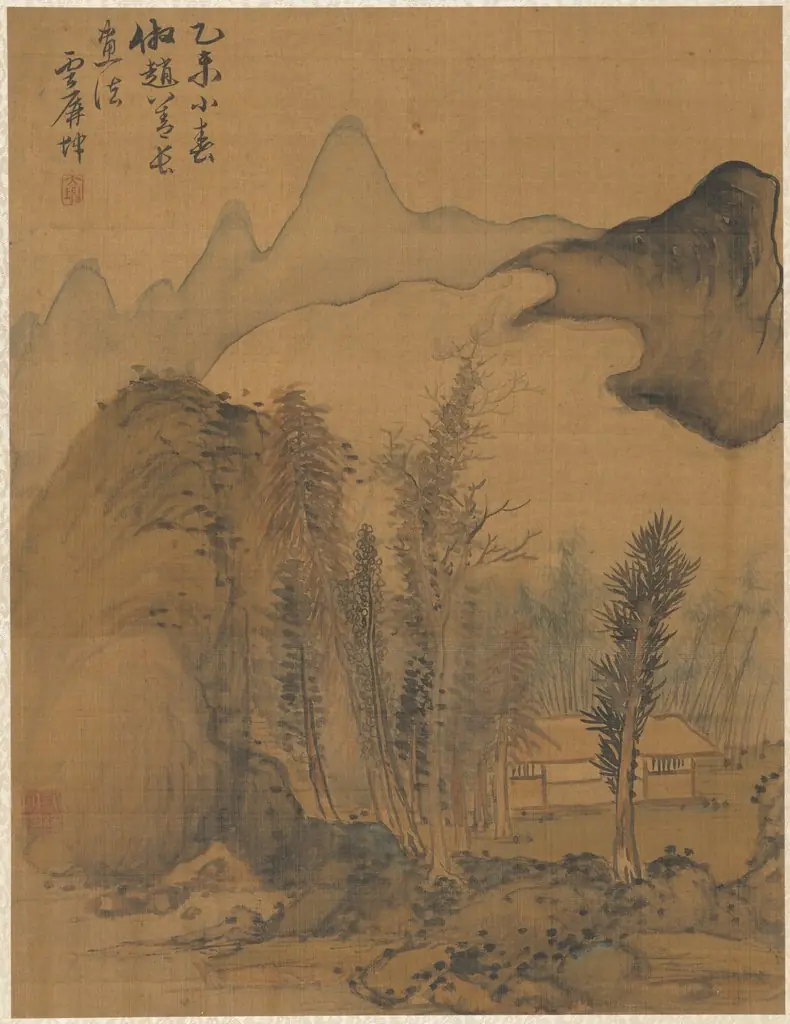
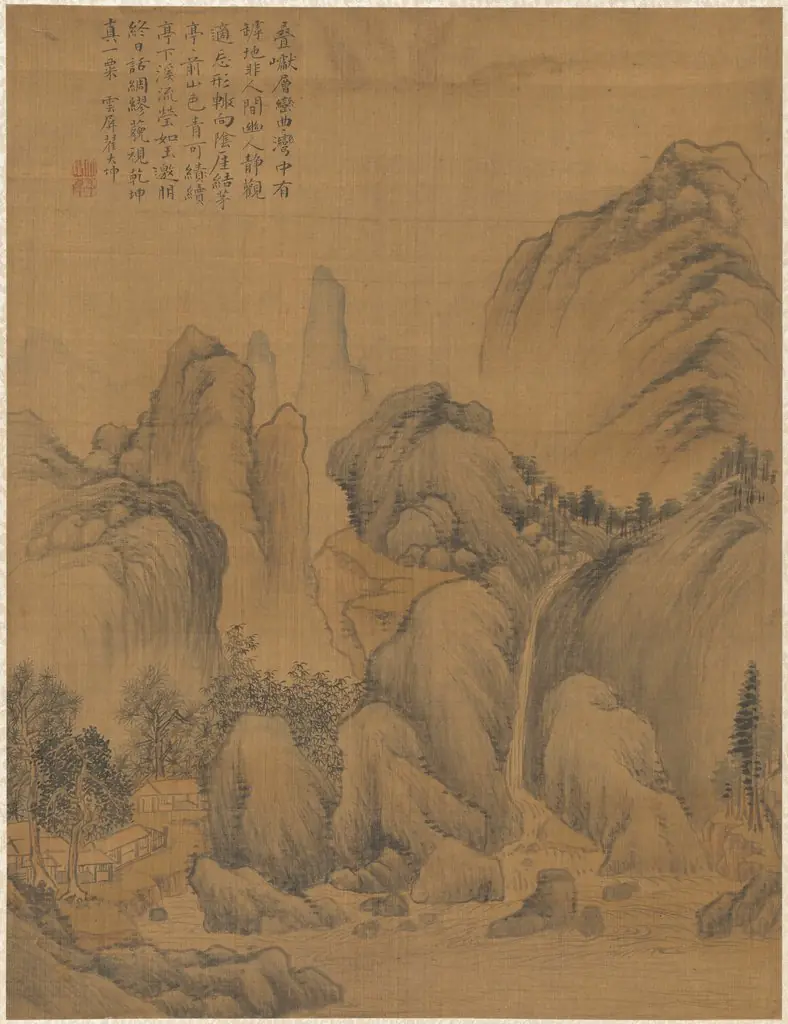
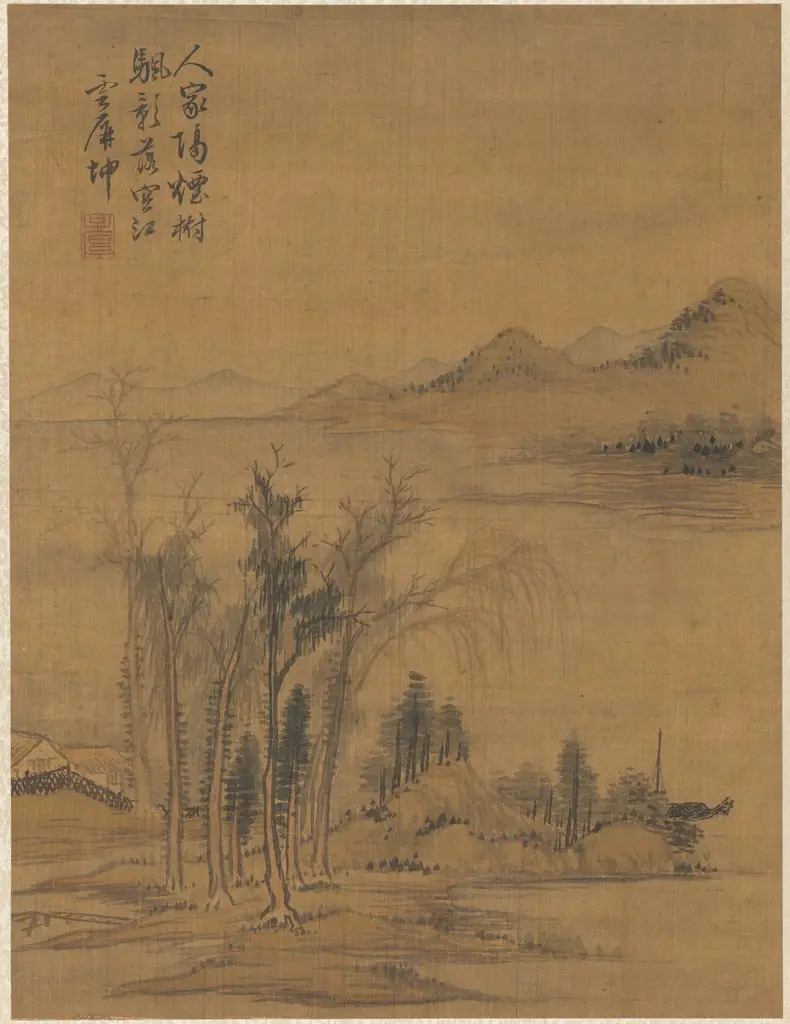
River Village in High Summer, painted by Zhai Dakun in 1775, is part of the collection at the Cleveland Museum of Art. The work depicts a quiet riverside settlement framed by gentle hills and scattered trees. A restrained palette of browns and grays dominates the scene, creating a subdued, atmospheric effect that emphasizes the calm of the setting.
Subject & Meaning
The composition presents a small village nestled along a meandering river, suggesting a harmonious relationship between human habitation and the natural environment. The tranquil flow of water and the modest scale of the houses convey a sense of everyday serenity, inviting viewers to contemplate the quiet rhythms of rural life in the late eighteenth century.
Technique & Style
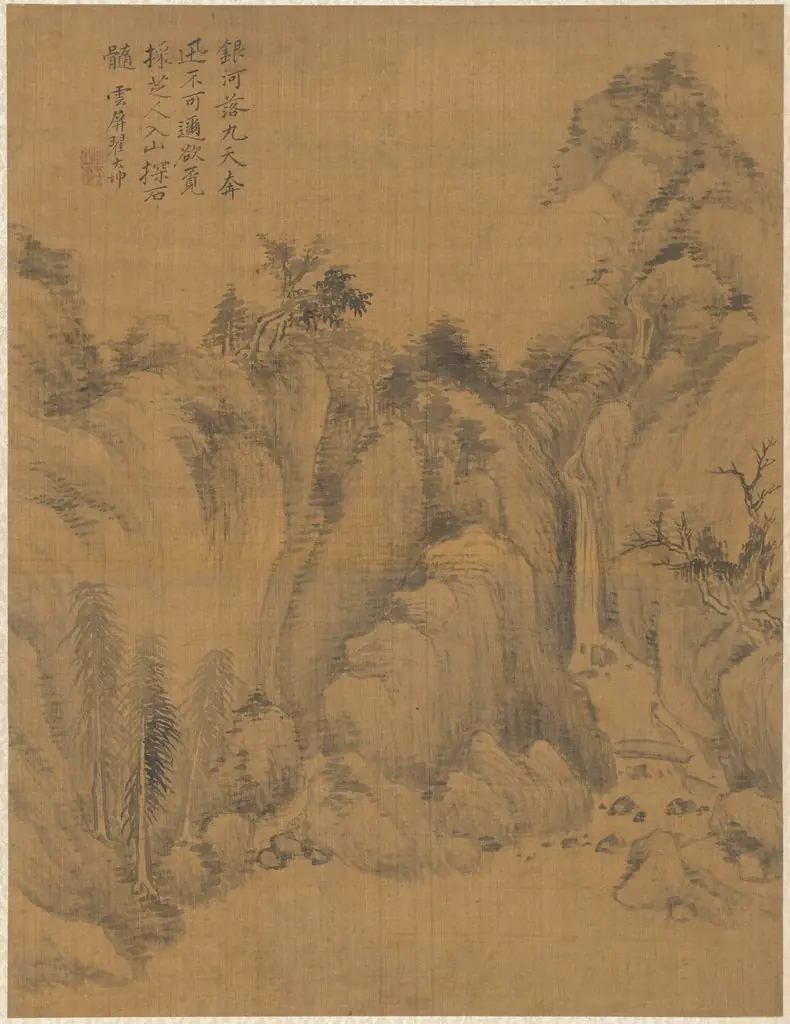
Zhai Dakun employs soft, flowing brushwork that blurs the boundaries between land, water, and architecture. Subtle gradations of tone allow the muted colors to transition smoothly, reinforcing the painting’s placid mood. The overall approach reflects a restrained aesthetic, favoring atmospheric suggestion over detailed realism.
History & Provenance
Created in 1775, the painting entered the Cleveland Museum of Art’s holdings through acquisition (specific details of the purchase are not recorded in the source). Its presence in a major American institution underscores the museum’s interest in representing East Asian landscape traditions from the eighteenth century.
Own this work as a print
Artist & collection
Artist
Zhai Dakun painted bold, mist-soaked landscapes in the mid-Qing era, mimicking the rugged peaks and swirling clouds of earlier Chinese masters.